Maidenhair Vine (Muehlenbeckia Complexa)
Plants have always been an essential part of our lives, providing food, medicine, and aesthetic appeal. Additionally, plants play a pivotal role in.
Plants have always been an essential part of our lives, providing food, medicine, and aesthetic appeal. Additionally, plants play a pivotal role in maintaining ecological balance. Over time, people have developed a keen interest in growing and nurturing various plant species, expanding their knowledge and contributing to the ever-evolving field of horticulture. One such captivating plant is the Maidenhair Vine, scientifically known as Muehlenbeckia complexa.
This comprehensive guide aims to provide a detailed insight into the identification, cultivation, and maintenance of Maidenhair Vine. By delving into its culture, uses, care requirements, and much more, both beginners and seasoned gardeners can enhance their understanding and appreciation of this versatile plant. So let’s embark on this thrilling botanical journey and explore the wonders of Maidenhair Vine.
What is Maidenhair Vine (Muehlenbeckia complexa)?
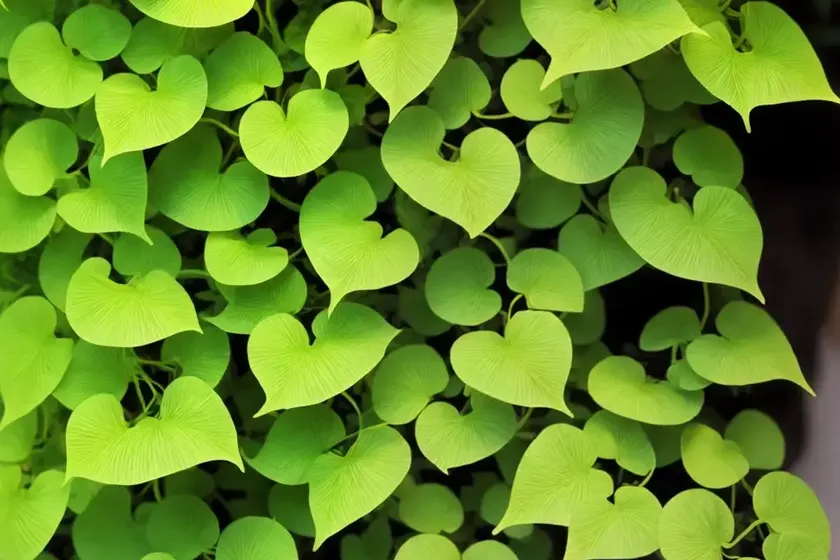
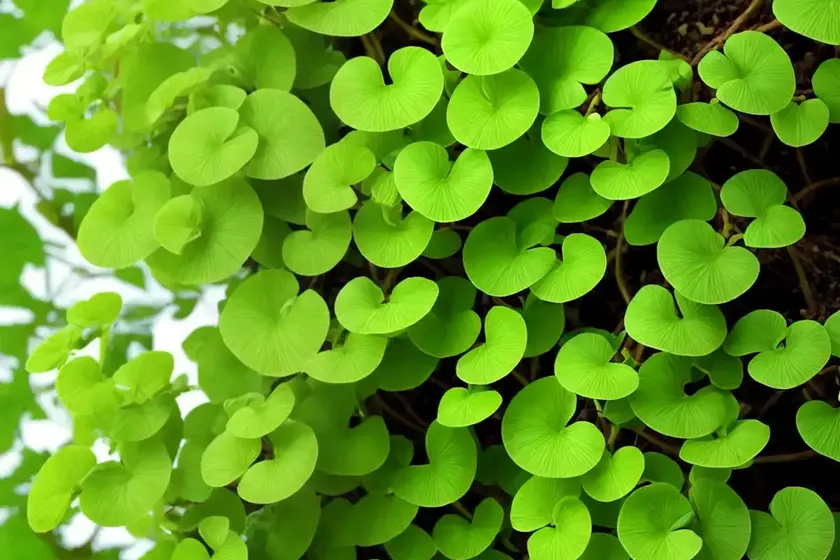
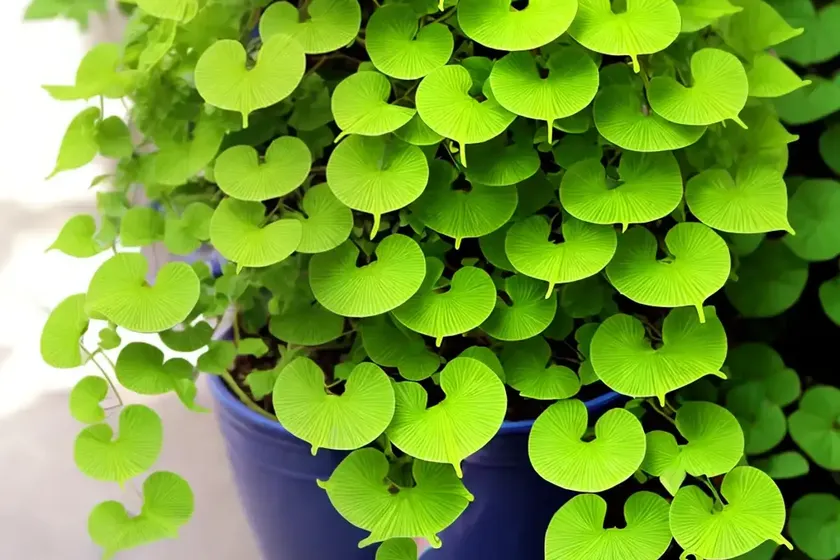
Muehlenbeckia complexa, commonly referred to as Maidenhair Vine, is a trailing, evergreen vine belonging to the Polygonaceae family. This species is native to New Zealand and Australia, where it thrives in a variety of habitats, from coastal cliffs to forest floors. The plant is characterized by its wiry stems and small, round, glossy leaves, creating a delicate and graceful appearance.
Key Takeaways
Before delving deeper into the specifics of caring for the Maidenhair Vine, let’s review the key takeaways:
- Scientific Name: Muehlenbeckia complexa
- Common Name: Maidenhair Vine
- Family: Polygonaceae
- Native Habitat: New Zealand and Australia
- Characteristics: Trailing, evergreen vine with small, round, glossy leaves
- Versatility: Suitable for containers, hanging baskets, and ground cover
- Challenges: Requires adequate support for optimal growth
- Care Level: Moderate
Culture
Understanding the cultural requirements of the Maidenhair Vine is pivotal for its successful growth and development. This section will outline the plant’s cultural preferences, including its water, sunlight, fertilizer, and soil requirements, shedding light on the factors crucial for nurturing this elegant vine.
Water
One of the essential aspects of cultivating healthy Maidenhair Vines is maintaining proper watering practices. As a trailing vine, Muehlenbeckia complexa prefers consistent moisture, requiring regular watering to ensure the soil remains evenly moist, but not waterlogged. During the growing season, it’s advisable to water the plant regularly, allowing the top inch of the soil to dry between watering sessions to prevent waterlogging. In contrast, during the dormant period or winter months, reduce the frequency of watering, allowing the soil to dry out slightly between waterings while ensuring it doesn’t become completely parched.
Regular monitoring and adjusting the watering frequency based on the plant’s growth stage and environmental conditions are crucial for promoting healthy Maidenhair Vines.
Sunlight
In terms of sunlight requirements, Maidenhair Vine thrives in bright, indirect light. While it can tolerate partial shade, providing ample indirect sunlight is vital for optimal growth and foliage density. Direct sunlight, particularly during the hottest hours of the day, should be avoided, as it can scorch the delicate leaves and lead to sunburn. Additionally, if cultivating the Maidenhair Vine indoors, placing it near east or west-facing windows, where it receives adequate indirect sunlight, is recommended.
Fertilizer
When it comes to fertilizer, Maidenhair Vine benefits from regular, balanced feedings during the growing season to support its vigorous growth and lush foliage. Choosing a well-balanced, water-soluble fertilizer and applying it at half strength every four to six weeks can provide the necessary nutrients for the plant’s flourishing development.
During the dormant period, it’s advisable to reduce or halt fertilization, allowing the plant to rest and prepare for the upcoming growing season. Always ensure the soil is adequately moist before applying fertilizer to prevent potential root burn and enhance the plant’s overall uptake of nutrients.
Soil
Muehlenbeckia complexa thrives in well-draining, humus-rich soil with a slightly acidic to neutral pH. A blend of peat moss, perlite, and regular potting mix offers an ideal combination, promoting optimal moisture retention while preventing waterlogging. When cultivating Maidenhair Vine in containers, selecting pots with drainage holes is imperative to facilitate proper drainage and prevent water accumulation at the root zone.
Pruning
Pruning plays a significant role in maintaining the health and aesthetic appeal of Maidenhair Vine. Regular pruning helps manage the plant’s growth, remove any damaged or diseased sections, and encourage bushier, more vigorous foliage. When pruning the Maidenhair Vine, it’s essential to use sharp, sterile pruning shears to make clean cuts, minimizing the risk of potential damage or infection.
To maintain its trailing and cascading form, encourage the growth of new shoots by pruning the tips of the stems. This practice prompts the development of lateral branches, enhancing the plant’s overall fullness and lushness. Additionally, removing any leggy or sparse growth can help restore the plant’s vigor and aesthetic appeal.
Carefully assess the plant to identify any dead, diseased, or overcrowded sections, and promptly prune them to maintain the Maidenhair Vine’s health and vitality. By conducting regular, strategic pruning sessions, you can promote a well-shaped, vibrant Maidenhair Vine that complements its surroundings.
Propagation
Propagation provides an excellent opportunity to expand your Maidenhair Vine collection or share the beauty of this plant with fellow enthusiasts. Muehlenbeckia complexa can be propagated through various methods, including stem cuttings and layering. Both approaches offer reliable means of creating new plants to enrich your indoor or outdoor space with the charm of Maidenhair Vine.
Stem Cuttings
Propagating Maidenhair Vine from stem cuttings is a straightforward and effective method for obtaining new plants. Here’s a simple guide to propagate Muehlenbeckia complexa through stem cuttings:
- Begin by selecting a healthy, mature stem with several nodes.
- Using clean, sharp scissors or pruning shears, take a 4-6 inch cutting from the chosen stem, ensuring it includes at least three nodes.
- Remove the lower leaves from the cutting to expose the nodes.
- Dip the cut end of the stem in a rooting hormone to promote successful rooting.
- Plant the stem cutting in a well-draining, moist propagation medium, such as a mix of perlite and peat moss.
- Maintain a consistently moist environment by covering the cutting with a clear plastic bag or placing it in a propagator to encourage root development.
- Place the cutting in a warm, bright location with indirect sunlight and ensure the propagation medium remains lightly moist but not waterlogged.
- Over the following weeks, monitor the cutting for signs of new growth and root development. Once roots have established, transplant the cutting into a suitable growing container or outdoor space.
Layering
Layering is another effective method to propagate Maidenhair Vine, particularly for individuals who prefer a more hands-off approach to plant propagation. Follow these steps to propagate Muehlenbeckia complexa through layering:
- Select a healthy, flexible stem on the Maidenhair Vine and identify a section with several nodes.
- Gently wound the selected section of the stem by scraping the outer layer of the stem, just enough to expose the cambium layer without causing extensive damage.
- Apply a small amount of rooting hormone to the wounded area to stimulate root growth.
- Carefully bend the wounded section of the stem down to the soil, ensuring it remains in contact with the soil surface.
- Secure the bent portion of the stem in place using a U-shaped stake, pin, or similar anchoring method to maintain contact with the soil.
- Cover the wounded area and the section of the stem in contact with the soil with a small amount of moistened sphagnum moss to create a favorable environment for root initiation.
- Over several weeks to months, monitor the layered section for signs of new root development. Once roots have sufficiently developed, carefully detach the new plant from the parent and transplant it to its designated growing location.
Propagation through stem cuttings and layering offers enriching experiences for plant enthusiasts, allowing them to witness the remarkable process of new growth and expansion within their Maidenhair Vine collection.
Container Popularity
Maidenhair Vine’s captivating appearance and low maintenance requirements make it a popular choice for container gardening. Its trailing growth habit and lush foliage create a striking display when cultivated in hanging baskets, trailing over ledges, or cascading down containers. This versatility makes Maidenhair Vine an excellent selection for those seeking to adorn their indoor or outdoor living spaces with an enchanting botanical presence.
When choosing containers for Maidenhair Vine, consider the following preferences to ensure optimal growth and visual appeal:
- Size: Select a container that accommodates the plant’s trailing growth habit, providing ample space for the foliage to cascade gracefully.
- Drainage: Opt for containers equipped with drainage holes to facilitate proper water drainage and prevent water accumulation.
- Material: Choose lightweight, durable materials, such as plastic, fiberglass, or glazed ceramic, for ease of mobility and sufficient support.
Container gardening not only allows for creative expression through unique arrangements but also enables individuals to cultivate Maidenhair Vine in diverse settings, from spacious balconies to cozy indoor spaces.
Common Diseases
While Maidenhair Vine is generally resilient, it can be susceptible to certain diseases that may affect its overall vigor and appearance. Understanding the common diseases associated with Muehlenbeckia complexa is crucial for prompt identification and effective management. Here are some of the typical diseases that may impact Maidenhair Vine:
Powdery Mildew
Powdery mildew is a fungal disease that can affect a broad range of plant species, including Maidenhair Vine. This disease appears as a powdery, white or gray substance on the surface of the leaves, with affected areas eventually becoming distorted and discolored. To manage powdery mildew, ensure proper air circulation around the plant, avoid overhead watering, and consider applying a fungicidal treatment when necessary.
Leaf Spot
Leaf spot, caused by various fungal pathogens, manifests as small, dark spots on the foliage, often surrounded by yellowed or brown areas. To mitigate leaf spot, remove and dispose of affected foliage promptly, ensure the plant receives adequate sunlight and airflow, and consider applying a suitable fungicidal treatment as a preventative measure.
Root Rot
Root rot, primarily triggered by excessive moisture and poor drainage, can lead to the deterioration of the plant’s root system, resulting in wilting, yellowing, and eventual collapse of the foliage. To prevent root rot, maintain well-draining soil, avoid overwatering, and promptly address any drainage issues that may compromise the plant’s health.
By remaining attentive to the signs and symptoms of these common diseases, gardeners can take proactive measures to protect their Maidenhair Vine from potential threats, maintaining its vitality and ornamental appeal.
Disease Diagnosis
Accurately diagnosing potential diseases affecting Maidenhair Vine is crucial for implementing targeted and effective treatment strategies. When assessing your plant for signs of disease, consider the following diagnostic steps:
-
Visual Examination: Inspect the entire plant, focusing on the foliage, stems, and root system. Look for unusual discoloration, spots, powdery coatings, wilting, or any other abnormalities indicative of a possible disease.
-
Cultural Conditions: Evaluate the environmental factors and cultural practices surrounding the plant, including watering frequency, sunlight exposure, soil moisture, and fertilizer application. Inconsistent cultural conditions can contribute to the development of diseases in Maidenhair Vine.
-
Biological Indicators: Checking for the presence of pests, such as aphids or spider mites, can help identify potential issues that may weaken the plant, making it more susceptible to diseases.
-
Laboratory Testing: In cases of uncertainty or severe symptoms, consider seeking professional laboratory testing to accurately diagnose and address any underlying diseases or pathogens.
By diligently conducting a comprehensive assessment of the plant’s condition and environment, gardeners can expedite the disease diagnosis process, leading to prompt and targeted treatments to safeguard the health of Maidenhair Vine.
Common Pests
In addition to diseases, Maidenhair Vine may also encounter various pests that can compromise its health and aesthetics. Recognizing and addressing these common pests is vital for preserving the pristine appeal of Muehlenbeckia complexa. Here are some of the typical pests that may afflict Maidenhair Vine:
Aphids
Aphids are small, soft-bodied insects that can congregate on the foliage of Maidenhair Vine, particularly on the tender new growth. These pests feed on the plant’s sap, leading to distorted foliage, stunted growth, and the development of honeydew, attracting sooty mold. To manage aphids, consider introducing natural predators, such as ladybugs, or employ insecticidal soap as a targeted treatment.
Spider Mites
Spider mites are minuscule arachnids that can infest Maidenhair Vine, causing stippled, discolored foliage and the formation of fine webbing. These pests thrive in dry, dusty conditions and can rapidly proliferate, potentially causing severe damage to the plant. To counter spider mite infestations, increase humidity around the plant, periodically rinse the foliage with a gentle spray of water, and consider applying horticultural oil or insecticidal soap to reduce their population.
Scale Insects
Scale insects are often found on the stems and foliage of Maidenhair Vine, appearing as small, immobile bumps encrusted on the plant’s surface. These pests feed on the plant’s sap, leading to weakened, yellowed foliage and, in severe cases, plant decline. To address scale insect infestations, manually remove the pests with a soft brush or cloth, or apply horticultural oil to suffocate and eradicate them.
By proactively monitoring and addressing potential pest infestations, gardeners can uphold the robustness and allure of Maidenhair Vine, preserving its ornamental value within their green spaces.
Botanist’s Tips
To further enrich the understanding and care of Maidenhair Vine, here are some valuable tips from seasoned botanists and horticultural experts that can aid in cultivating thriving and visually stunning Muehlenbeckia complexa:
-
Humidity Control: Maidenhair Vine benefits from increased humidity, particularly when cultivated indoors. Consider using a humidity tray or regularly misting the foliage to maintain an adequate moisture level.
-
Support Structures: Due to its trailing growth habit, providing suitable support structures, such as trellises or stakes, can help guide the growth of Maidenhair Vine and prevent tangling or entwining with nearby plants.
-
Gentle Handling: When handling and pruning Maidenhair Vine, exercise care to avoid damaging the delicate foliage and stems. Gentle manipulation and pruning ensure minimal stress and damage to the plant.
-
Cleansing Routine: Periodically clean the foliage of Maidenhair Vine with a soft, damp cloth to remove dust and maintain the luster of the leaves, promoting healthy photosynthesis.
-
Monitoring Growth: Regularly monitor the growth and development of Maidenhair Vine, adjusting cultural practices, such as watering and sunlight exposure, to accommodate its evolving needs and promote vigorous growth.
By incorporating these expert tips into the care regimen for Maidenhair Vine, enthusiasts and gardeners can cultivate robust and visually captivating plants, elevating the allure of their indoor and outdoor living spaces.
Fun Facts
Delve into the captivating world of Maidenhair Vine with these intriguing and delightful fun facts that reveal the unique charm and adaptive nature of Muehlenbeckia complexa:
-
Versatile Trailing Vine: Maidenhair Vine’s flexible, trailing nature allows it to adorn a myriad of spaces, from hanging baskets and containers to rock walls and trellises, offering a versatile and enchanting ornamental display.
-
Wildlife Attraction: The dense foliage and trailing growth habit of Maidenhair Vine can attract various beneficial wildlife, including pollinators and small birds, enhancing the ecological value of its surroundings.
-
Seasonal Changes: Witness the seasonal transformations of Maidenhair Vine, as it adapts to varying light levels and temperature fluctuations, showcasing its resilience and adaptive characteristics.
-
Symbolism: In some cultures, Maidenhair Vine is associated with qualities such as grace, elegance, and resilience, reflecting its ethereal beauty and enduring nature.
-
Heritage and Tradition: Maidenhair Vine holds cultural significance in various traditions and heritage, with its graceful appearance often intertwined with symbolic meanings and artistic representations.
Uncover the allure of Maidenhair Vine through these captivating fun facts, fostering a deeper appreciation for the grace and versatility of this remarkable plant species.
Links to External Resources
For additional insights, guidance, and enriching content on the care and cultivation of Maidenhair Vine, explore the following external resources:
- Royal Horticultural Society (RHS): The RHS provides comprehensive information on the characteristics, cultivation, and uses of Maidenhair Vine, offering valuable insights for plant enthusiasts.
- American Society for the Prevention of Cruelty to Animals (ASPCA): The ASPCA offers guidance on the pet-friendly nature of Maidenhair Vine and its suitability for households with furry companions.
Conclusion
Maidenhair Vine (Muehlenbeckia complexa) stands as a captivating and versatile plant species, enchanting plant enthusiasts with its graceful trailing form and decorative foliage. Through a careful consideration of its cultural needs, propagation techniques, disease management, and expert insights, individuals can cultivate flourishing and visually captivating Maidenhair Vine specimens within their living spaces.
By integrating the knowledge and recommendations presented in this comprehensive guide, both novice enthusiasts and seasoned gardeners can embark on an engaging botanical journey, nurturing and celebrating the elegance and adaptability of Maidenhair Vine in their indoor and outdoor settings.
So why not embark on this enthralling plant cultivation adventure and adorn your living spaces with the timeless allure of Maidenhair Vine? Uncover the enchanting world of Muehlenbeckia complexa and cultivate your personal oasis of beauty and tranquility, adorned with the ethereal grace of Maidenhair Vine.
References:
– Royal Horticultural Society (RHS). “Muehlenbeckia complexa Plant Profile.” https://www.rhs.org.uk/Plants/34301/Muehlenbeckia-complexa/Details
– American Society for the Prevention of Cruelty to Animals (ASPCA). “Maidenhair Vine – Toxic and Non-Toxic Plants.” https://www.aspca.org/pet-care/animal-poison-control/toxic-and-non-toxic-plants/maidenhair-vine


