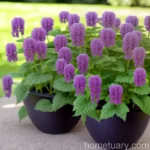
Spotted Deadnettle (Lamium Maculatum) – A Fascinating Ground Cover Plant
Spotted Deadnettle, scientifically known as Lamium Maculatum, is a captivating and practical plant that is commonly used as ground cover in gardens and landscapes. This versatile perennial plant belongs to the mint family (Lamiaceae) and is native to Europe and Asia. Its low-growing nature, attractive foliage, and ability to thrive in various conditions make it a popular choice among gardeners and landscapers.
In this extensive guide, we will delve into the various aspects of Spotted Deadnettle, including its characteristics, cultural requirements, uses, propagation methods, common diseases and pests, and interesting facts. By the end of this article, you will have a comprehensive understanding of how to cultivate and care for this beautiful plant.
What is Spotted Deadnettle (Lamium Maculatum)?
Spotted Deadnettle, or Lamium Maculatum, is a herbaceous perennial plant known for its spreading habit and striking variegated foliage. It typically reaches a height of 6-8 inches (15-20 cm) with a spread of 12-24 inches (30-60 cm). The leaves are heart-shaped and often have silver or white markings, adding to the plant’s allure.
One of the most distinctive features of Spotted Deadnettle is its tubular, hooded flowers, which appear in shades of pink, purple, or white. These flowers bloom in clusters atop the plant’s stems and are a significant attraction for pollinators such as bees and butterflies.
Key Takeaways – Spotted Deadnettle (Lamium Maculatum)
Before we dive into the specifics of Spotted Deadnettle care and cultivation, let’s summarize the key takeaways about this remarkable plant:
- Scientific Name: Lamium Maculatum
- Family: Lamiaceae
- Type: Herbaceous perennial
- Height: 6-8 inches (15-20 cm)
- Spread: 12-24 inches (30-60 cm)
- Foliage: Variegated, heart-shaped leaves
- Flowers: Tubular, hooded, in shades of pink, purple, or white
- Uses: Ground cover, ornamental plant
- Attributes: Low maintenance, attractive foliage, pollinator-friendly
Now that we know the basics of Spotted Deadnettle, let’s explore the cultural requirements for successfully growing and nurturing this charming plant.
Culture
Cultivating Spotted Deadnettle involves understanding and providing for its specific environmental needs, which include water, sunlight, soil, and fertilizer considerations. Additionally, knowledge about pruning, propagation, and container gardening for Lamium Maculatum is essential for its successful growth and development.
Uses
Spotted Deadnettle, with its low-growing and spreading nature, is primarily valued for its ability to serve as a ground cover in various garden and landscape settings. It is particularly well-suited for filling in areas where other plants may struggle to thrive, such as under trees and in shaded locations. Its striking foliage and delicate flowers also make it a popular choice for ornamental planting, adding visual interest and diversity to garden beds and borders.
Water
Lamium Maculatum thrives in moist, well-draining soil and appreciates consistent moisture, especially during the growing season. While it can tolerate short periods of drought, prolonged dryness may lead to wilting and reduced vigor. Regular watering is crucial, particularly during hot and dry spells, to ensure the plant’s health and vitality.
Sunlight
Spotted Deadnettle is known for its adaptability to different light conditions, making it a versatile option for various garden settings. It performs well in both full shade and partial shade, demonstrating its ability to thrive in locations with limited direct sunlight. However, in hotter climates, some afternoon shade or dappled sunlight may be beneficial to prevent the foliage from scorching.
Fertilizer
When it comes to fertilizing Spotted Deadnettle, a balanced, all-purpose fertilizer can be applied in early spring to support healthy growth and flowering. Alternatively, incorporating organic matter such as compost into the soil can provide necessary nutrients while also improving the soil structure and moisture retention.
Soil
Lamium Maculatum prefers well-draining soil with a slightly acidic to neutral pH. Organic-rich soil that retains moisture without becoming waterlogged is ideal for supporting the plant’s growth and development. Amending the soil with organic matter, such as compost or well-rotted manure, can enhance its texture and fertility, creating a favorable environment for Spotted Deadnettle to thrive.
Pruning
Pruning Spotted Deadnettle is generally minimal, focusing primarily on the removal of spent flowers to encourage continuous blooming and prevent self-seeding. Additionally, light trimming of the foliage can help maintain a compact and tidy appearance, especially in areas where the plant tends to spread vigorously.
Propagation
Propagating Lamium Maculatum can be achieved through a few different methods, including division, stem cuttings, and seed sowing. Dividing established clumps in spring or autumn allows for the expansion of existing plantings or the creation of new ones. Stem cuttings taken from healthy, non-flowering shoots can be rooted to produce new plants. While Spotted Deadnettle does produce seeds, propagation from seed may result in variations from the parent plant and is therefore less commonly practiced.
Container Popularity
Spotted Deadnettle’s low-growing and spreading habit makes it well-suited for container gardening, particularly in situations where the plant’s vigor needs to be contained. Its ornamental foliage and ability to thrive in shaded conditions make it an attractive option for adding color and texture to outdoor containers, providing versatility for gardeners with limited space or specific design preferences.
Common Diseases
Spotted Deadnettle is relatively resistant to most diseases; however, like any plant, it can be susceptible to certain issues under unfavorable conditions. Understanding common diseases and their symptoms is essential for early detection and effective management.
Disease Diagnosis
Some of the potential diseases that may affect Lamium Maculatum include:
- Powdery Mildew: A fungal disease that appears as a white, powdery coating on the leaves, typically in warm, humid conditions.
- Leaf Spot: Characterized by dark spots or lesions on the foliage, often caused by fungal or bacterial pathogens.
- Root Rot: Excessive moisture or poor soil drainage can lead to root rot, resulting in wilting and yellowing of the leaves.
Regular inspection of the plant for any signs of disease, coupled with appropriate cultural practices, can help mitigate the risk of these issues and maintain the plant’s overall health.
Common Pests
Spotted Deadnettle is generally resistant to many common garden pests; however, certain insects may occasionally pose a threat to its well-being. Being vigilant and responsive to pest activity is crucial for preventing damage and preserving the plant’s vitality.
Botanist’s Tips
Seasoned botanists and horticulturists often recommend the following tips for successfully growing and caring for Spotted Deadnettle:
- Optimal Growing Conditions: Provide the plant with moist, well-draining soil and partial to full shade, especially in regions with hot summers.
- Mulching: Apply a layer of organic mulch, such as wood chips or shredded bark, around the base of the plant to conserve moisture, suppress weeds, and insulate the roots.
- Companion Planting: Pair Spotted Deadnettle with other shade-tolerant perennials and ground covers to create visually appealing and diverse garden landscapes.
Fun Facts
- The common name “Deadnettle” is derived from the plant’s resemblance to stinging nettles, despite being non-stinging and harmless.
- Spotted Deadnettle is often coveted for its ability to grow in challenging locations, including dry shade and under trees where other plants may struggle.
Understanding the unique characteristics and requirements of Spotted Deadnettle is essential for successfully incorporating this plant into various garden and landscape settings. Now, let’s explore some external resources that provide valuable information about Lamium Maculatum and its cultivation.
Links to External Resources
- Royal Horticultural Society (RHS) – Lamium Maculatum
- University of Florida IFAS Extension – Spotted Deadnettle
- Missouri Botanical Garden – Lamium Maculatum
By exploring these resources, you can gain further insights into the cultivation, care, and uses of Spotted Deadnettle, enriching your knowledge and enhancing your gardening endeavors.
In conclusion, Spotted Deadnettle (Lamium Maculatum) stands out as a versatile and visually appealing plant that adds charm and practicality to a wide range of outdoor spaces. Whether used as a ground cover, ornamental feature, or container planting, its adaptability and low-maintenance nature make it a valuable addition to any garden or landscape. By understanding and implementing the appropriate cultural practices and care guidelines, you can enjoy the beauty and benefits of Spotted Deadnettle in your own gardening pursuits.