Common Blue Violet (Viola Sororia)
The Common Blue Violet (Viola sororia) is a charming perennial plant native to North America. With delicate flowers and heart-shaped leaves, it adds a.
Introduction
The Common Blue Violet (Viola sororia) is a charming perennial plant native to North America. With delicate flowers and heart-shaped leaves, it adds a touch of elegance to gardens and landscapes. In this comprehensive guide, we will delve into the various aspects of this enchanting plant, including its characteristics, cultivation, uses, and maintenance. Whether you are a novice gardener or an experienced botanist, this guide will provide valuable insights into the world of Viola sororia.
What is Common Blue Violet (Viola sororia)
Common Blue Violet, scientifically known as Viola sororia, is a herbaceous perennial plant belonging to the Violaceae family. It is native to Eastern North America and is widely distributed across woodlands, meadows, and along streams. This plant is known for its charming, deep blue-violet flowers and distinctively shaped leaves.
Common Blue Violet Characteristics
The Common Blue Violet exhibits the following characteristics:
-
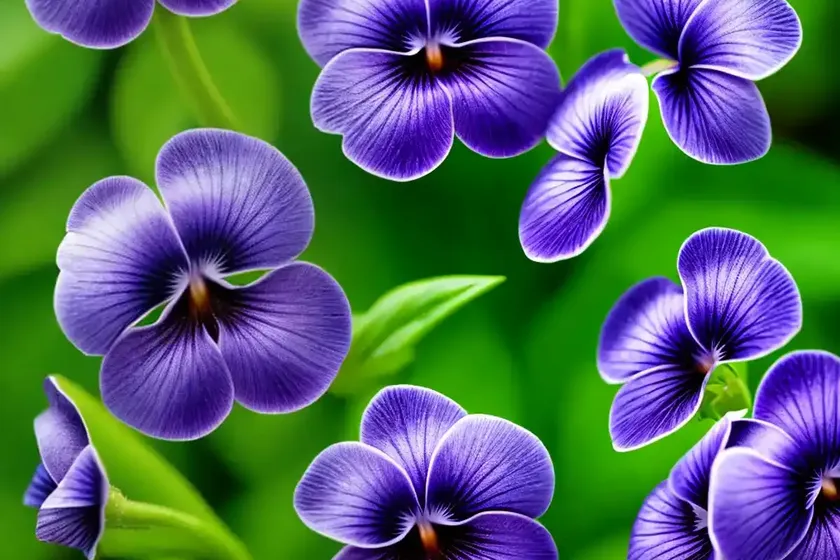
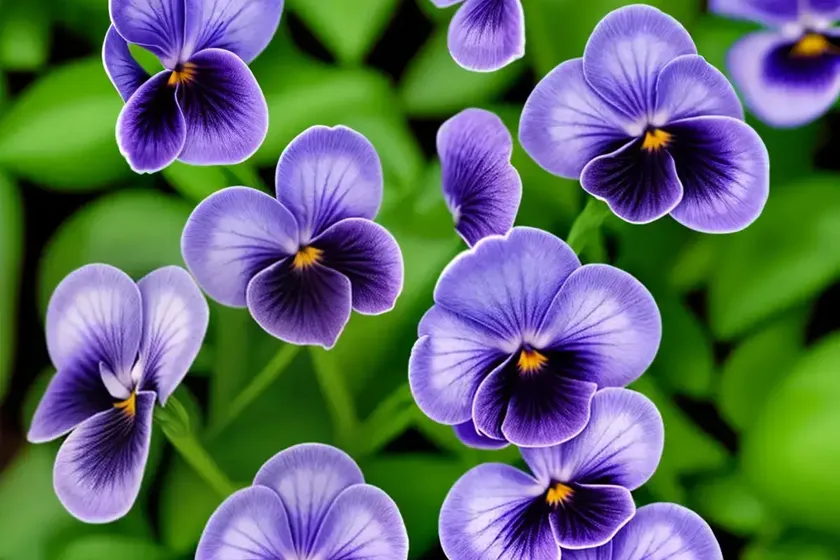
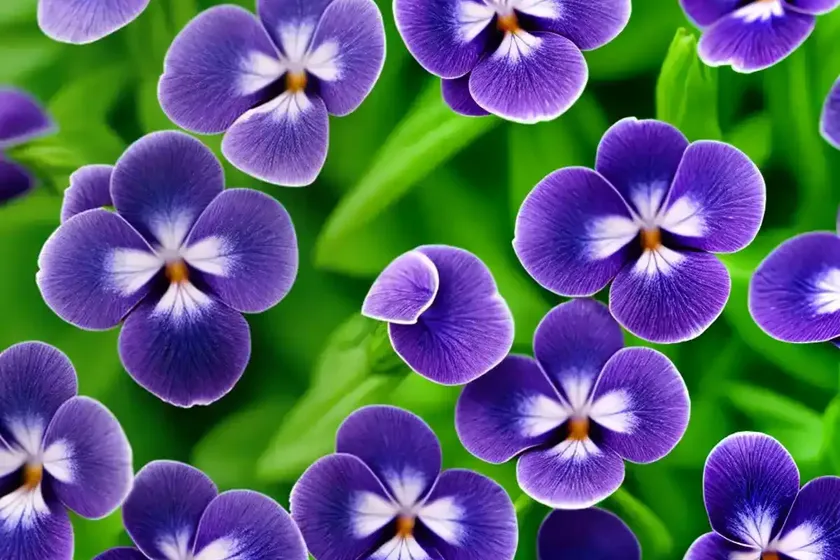
Flower: The flowers of Viola sororia are a rich, deep blue-violet color. They have a distinct five-petaled shape and often feature intricate veining. The blooms are notably fragrant, adding to the plant’s allure.
-
Leaves: The leaves of the Common Blue Violet are heart-shaped and have a slightly serrated edge. They are a vibrant green color and form a dense, low-growing foliage.
-
Growth Habit: This plant typically grows in clumps and spreads through its rhizomatous root system. It thrives in moist, shaded areas and can form extensive mats over time.
-
Size: Viola sororia generally reaches a height of 6-8 inches, making it an ideal choice for ground cover or edging in garden beds.
Viola sororia Facts
To better understand Viola sororia, let’s explore some fascinating facts about this delightful plant:
-
Geographical Distribution: Viola sororia is native to Eastern North America, ranging from Ontario in the north to Florida in the south and as far west as Texas.
-
Cultural Significance: The Common Blue Violet holds cultural significance in Native American folklore, where it is symbolized as a sign of faithfulness.
-
Wildlife Attraction: The plant attracts pollinators such as bees and butterflies, contributing to biodiversity in its natural habitats.
-
Historical Medicinal Uses: Traditionally, various parts of Viola sororia were used in herbal remedies for ailments ranging from sore throats to skin conditions.
-
Species Diversity: The Viola genus encompasses over 500 species, including both perennial and annual varieties, with a wide range of flower colors and sizes.
As we continue our exploration, we will uncover the best practices for growing and caring for Common Blue Violets, unlocking the secrets to flourishing gardens and landscapes.
Key Takeaways – Common Blue Violet (Viola sororia)
Before delving into the specifics of cultivating and maintaining Common Blue Violets, let’s summarize the key takeaways that will guide our discussion:
-
Cultural Practices: Understanding the cultural requirements of Viola sororia, including its water, sunlight, and soil preferences, is essential for successful growth.
-
Uses: Exploring the various uses of Common Blue Violet, from its ornamental value in gardens to its historical and culinary applications, provides a holistic perspective on the plant’s significance.
-
Maintenance: Learning about pruning, propagation, and disease management is crucial for ensuring the long-term health and vitality of Viola sororia.
By addressing these key aspects, we aim to equip both enthusiasts and professionals with comprehensive insights into the world of Common Blue Violets.
Cultivation and Maintenance
Cultivating and maintaining Common Blue Violets involves multiple factors, including proper watering, sunlight exposure, soil conditions, and pest management. By understanding these critical elements, you can foster healthy and robust growth in Viola sororia.
Water
Proper watering is essential for the health and vigor of Common Blue Violets. Here are some key considerations for watering Viola sororia:
-
Moisture Levels: Viola sororia thrives in consistently moist soil. Ensure that the plant receives sufficient water, particularly during dry periods, to maintain adequate moisture levels in the root zone.
-
Avoid Waterlogging: While the plant prefers moist conditions, it is important to prevent waterlogging, as excessive moisture can lead to root rot and other issues. Well-draining soil is crucial for preventing waterlogged conditions.
-
Mulching: Applying a layer of organic mulch around the base of the plant helps retain soil moisture and regulates temperature fluctuations, benefiting the overall health of Viola sororia.
Understanding the specific watering requirements of Common Blue Violets is imperative for promoting healthy growth and vibrant blooms.
Sunlight
The sunlight requirements of Common Blue Violets play a significant role in determining their growth and flowering capabilities. Here’s what you need to know about providing the right amount of sunlight for Viola sororia:
-
Partial Shade: Viola sororia thrives in partial shade to full shade conditions. It excels in woodland settings or areas with dappled sunlight, making it an excellent choice for shaded garden beds.
-
Avoid Direct Sun: While the plant can tolerate some morning sun or filtered light, it is generally best to avoid prolonged exposure to intense, direct sunlight, as this can lead to leaf burn and decreased overall vigor.
-
North-Facing Locations: When planting Common Blue Violets, consider north-facing locations or areas with gentle, indirect light to create an ideal growing environment for the plant.
Understanding the ideal sunlight conditions for Viola sororia is key to fostering its lush foliage and profuse blooms.
Soil
The soil composition and quality greatly influence the growth and vitality of Common Blue Violets. Consider the following guidelines when preparing the soil for Viola sororia:
-
Well-Draining Soil: Viola sororia thrives in well-draining, humus-rich soil. Amending the soil with organic matter such as compost or aged leaf mold can enhance its texture and water retention capabilities.
-
Moisture Retention: While the soil should be well-draining, it should also retain moisture to support the plant’s water requirements. Achieving a balance between drainage and moisture retention promotes healthy root development.
-
pH Considerations: Common Blue Violets prefer slightly acidic to neutral soil with a pH range of 5.5 to 7.0. Conduct a soil test to assess the pH levels and make any necessary adjustments before planting Viola sororia.
Creating an optimal soil environment sets the foundation for vibrant growth and resilience in Common Blue Violets.
Fertilizer
Though Common Blue Violets are relatively low-maintenance plants, providing appropriate fertilization can support their overall health and blooming potential. Here’s what you need to know about fertilizing Viola sororia:
-
Minimal Fertilization: Viola sororia generally requires minimal fertilization, particularly when grown in nutrient-rich soil amended with organic matter. Excessive fertilization can lead to lush foliage at the expense of blooming.
-
Organic Amendments: Consider incorporating organic fertilizers such as compost or well-decomposed manure into the soil before planting. These natural amendments provide gradual and balanced nutrition to Viola sororia.
-
Seasonal Feeding: If necessary, apply a balanced, water-soluble fertilizer formulated for flowering plants in early spring, following the manufacturer’s recommended application rates. Avoid excessive nitrogen, which can promote excessive leaf growth and inhibit flowering.
By adhering to these guidelines, you can ensure that Common Blue Violets receive the essential nutrients for sustained growth and abundant flowering.
Pruning and Propagation
Pruning and propagation are integral aspects of maintaining Common Blue Violets, enabling you to shape their growth, rejuvenate mature plants, and propagate new specimens. Let’s explore the best practices for pruning and propagating Viola sororia:
Pruning
Pruning plays a key role in maintaining the compact, tidy appearance of Common Blue Violets and promoting flowering. Consider the following tips for effective pruning of Viola sororia:
-
Deadheading: Regularly remove spent flowers to encourage continuous blooming and prevent the plant from expending energy on seed production.
-
Trimming: Periodically trim back any straggly or overgrown foliage to maintain a neat appearance and promote fresh growth.
-
Division: Every few years, consider dividing mature Viola sororia plants to rejuvenate them and prevent overcrowding. Carefully lift the clumps, separate them into smaller sections, and replant them in favorable locations.
By incorporating these pruning practices, you can help Common Blue Violets maintain their aesthetic appeal and robust growth.
Propagation
Propagating Common Blue Violets allows you to expand your plant collection and share the beauty of Viola sororia with others. Here are some recommended methods for propagating Viola sororia:
-
Division: As mentioned earlier, division is an effective propagation method for Viola sororia. Divide mature clumps into smaller sections, ensuring that each division has sufficient roots and foliage, and replant them in suitable locations.
-
Rhizome Cuttings: Propagate Viola sororia by extracting healthy rhizome sections with adequate root growth. Plant the cuttings in a prepared soil medium and maintain consistent moisture until new growth emerges.
-
Seed Propagation: While less commonly employed, you can propagate Viola sororia from seeds. Collect mature seeds and sow them in a well-prepared seed-starting medium, ensuring adequate moisture and light for germination.
By exploring these propagation techniques, you can expand your collection of Common Blue Violets and contribute to the propagation of this charming plant.
Container Cultivation
Cultivating Common Blue Violets in containers offers versatility and accessibility, allowing you to enjoy the beauty of Viola sororia in various settings. Here’s what you need to know about container cultivation of Common Blue Violets:
Container Popularity
Gardening enthusiasts appreciate the appeal of growing Common Blue Violets in containers for the following reasons:
-
Space Efficiency: Container cultivation enables individuals with limited outdoor space to grow Viola sororia on patios, balconies, or windowsills, enhancing their living environments with natural beauty.
-
Temperature Control: Portable containers allow you to regulate the growing conditions of Common Blue Violets, particularly in regions with extreme temperatures or variable climate patterns.
-
Visual Impact: Placing containers of Viola sororia in strategic locations adds a touch of elegance and color to outdoor living spaces, fostering a sense of tranquility and connection with nature.
Container Maintenance
When cultivating Common Blue Violets in containers, specific maintenance practices contribute to the plants’ health and productivity. Consider the following guidelines for container cultivation of Viola sororia:
-
Drainage: Ensure that the containers have adequate drainage holes to prevent waterlogging, as proper drainage is crucial for the health of potted Viola sororia.
-
Soil Selection: Use a well-draining potting mix with a balanced blend of organic matter and perlite or coarse sand to create an optimal growing medium for Common Blue Violets.
-
Watering: Monitor the moisture levels in container-grown Viola sororia, watering the plants as needed to maintain consistent soil moisture without waterlogging.
By following these container-specific guidelines, you can successfully cultivate Common Blue Violets in pots and containers, enriching your living spaces with the charm of Viola sororia.
Common Diseases and Pests
While Common Blue Violets are generally resilient, they are susceptible to certain diseases and pests that can affect their vigor and appearance. By familiarizing yourself with these potential issues, you can proactively address them and maintain the health of Viola sororia.
Disease Diagnosis
Common Blue Violets may be affected by certain diseases, including the following notable conditions:
-
Powdery Mildew: This fungal disease manifests as a powdery, white coating on the leaves, inhibiting photosynthesis and weakening the plant. Adequate airflow and preventative fungicidal treatments can help manage powdery mildew.
-
Crown Rot: Excessive moisture or poorly-draining soil can lead to crown rot, causing the foliage to wilt and the plant to decline. Addressing soil drainage issues and adjusting watering practices can mitigate the risk of crown rot.
-
Leaf Spot: Fungal leaf spot diseases can cause unsightly blemishes on the leaves of Common Blue Violets, compromising their aesthetic appeal. Prune affected foliage and employ preventative fungicidal measures to manage leaf spot.
By promptly detecting and addressing these diseases, you can minimize their impact on Viola sororia and sustain its vitality.
Common Pests
In addition to diseases, Common Blue Violets may encounter various pests that can undermine their growth and blooming potential. Keep an eye out for the following common pests that may affect Viola sororia:
-
Aphids: These small, sap-sucking insects can cluster on the foliage and stems of Common Blue Violets, leading to distorted growth and diminished vigor. Control aphids through organic insecticidal solutions or by introducing natural predators such as ladybugs.
-
Slugs and Snails: These mollusks are known for consuming tender foliage and flowers, posing a threat to the aesthetic and structural integrity of Viola sororia. Implement physical barriers or eco-friendly control methods to deter slugs and snails.
-
Spider Mites: These minuscule pests can inflict damage on the leaves of Common Blue Violets through their feeding activities, resulting in stippling and discoloration. Boosting humidity levels and employing natural predatory mites can help combat spider mite infestations.
By vigilantly monitoring for these pests and implementing proactive control measures, you can safeguard the health and beauty of Common Blue Violets.
Botanist’s Tips
As a plant scientist with a passion for Viola sororia, I would like to share some valuable tips for cultivating and appreciating this enchanting plant:
-
Encourage Naturalization: Common Blue Violets have a propensity for naturalizing and spreading in favorable conditions. Embrace their naturalization patterns while keeping their growth in check to maintain a balanced ecosystem in your garden or landscape.
-
Companion Planting: Pair Common Blue Violets with shade-loving companions such as ferns, hostas, and woodland wildflowers to create visually captivating and ecologically beneficial plant communities.
-
Preserve Natural Habitats: When sourcing Common Blue Violets for your garden, consider obtaining ethically propagated specimens to support the conservation of their native habitats and genetic diversity.
-
Cultural Significance: Explore the cultural and historical significance of Viola sororia in Native American folklore and traditional medicine, gaining a deeper appreciation for its enduring symbolism and legacy.
By embracing these botanist’s tips, you can enrich your experience with Common Blue Violets and contribute to the preservation of their natural heritage.
Fun Facts
Let’s uncover some intriguing and delightful fun facts about Common Blue Violets and Viola sororia:
-
Artistic Inspiration: Common Blue Violets have inspired numerous artists, including painters and poets, with their timeless beauty and symbolism of faithfulness and modesty.
-
Edible Flowers: The flowers of Viola sororia are edible and can be used to garnish salads, desserts, and beverages, adding a touch of color and delicate flavor to culinary creations.
-
Pollinator Magnets: Common Blue Violets attract a variety of pollinators, including native bees, honeybees, and butterflies, contributing to the vitality of ecological communities.
-
Folk Remedies: Throughout history, various cultures have employed Viola sororia in folk remedies for ailments ranging from respiratory issues to skin irritations, recognizing its medicinal properties.
-
Symbolism of Modesty: Common Blue Violets have been traditionally associated with modesty and humility, making them cherished symbols in literature, art, and cultural traditions.
By embracing these fun facts, you can deepen your admiration for Common Blue Violets and celebrate their multifaceted significance in human culture and natural ecosystems.
Links to External Resources
As we conclude our comprehensive guide to Common Blue Violet (Viola sororia), I encourage you to explore further through the following external resources:
-
The American Violet Society – A comprehensive source of information on Viola species, including cultivation tips, historical insights, and conservation efforts.
-
University of Florida Gardening Solutions: Violets – A valuable resource offering guidance on growing and caring for violets in home landscapes.
-
USDA Plant Database – Access detailed botanical information and distribution maps for Viola sororia through the USDA’s official plant database.
These resources provide a wealth of knowledge and practical guidance for enthusiasts, gardeners, and scholars interested in delving deeper into the captivating world of Common Blue Violets.
In conclusion, Common Blue Violet (Viola sororia) stands out as a symbol of natural beauty, cultural significance, and ecological resilience. By embracing the nuances of its cultivation, uses, and conservation, we can appreciate the enduring allure and value of this enchanting plant. Whether adorning woodland gardens or gracing containers on urban balconies, Common Blue Violets continue to captivate and inspire a sense of wonder, perpetuating their timeless appeal in the world of horticulture and botanical appreciation.


