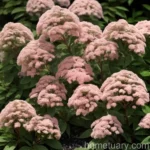
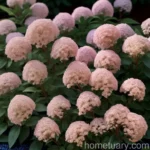
The Wonderful World of Spirea (Spiraea trilobata ‘Swan Lake’)
Spirea, scientifically known as Spiraea trilobata ‘Swan Lake’, belongs to the Rosaceae family. This beautiful, spring-blooming shrub is recognized for its delicate flowers and versatility in landscaping. In this comprehensive guide, we will delve into various aspects of this lovely shrub, including its cultural requirements, uses, maintenance, and much more.
What is Spirea (Spiraea trilobata ‘Swan Lake’)?
Spirea (Spiraea trilobata ‘Swan Lake’) is a deciduous shrub that is primarily grown for its ornamental characteristics. The foliage of this shrub is lance-shaped and exhibits an attractive blue-green hue, adding to its visual appeal. However, the most striking feature of this plant is its stunning clusters of white flowers that adorn the shrub during the spring season. These flowers create a captivating visual display and emit a delightful fragrance, making the spirea a popular choice for gardens and landscapes.
Key Takeaways – Spirea (Spiraea trilobata ‘Swan Lake’)
Before we delve deeper into the various aspects of this plant, let’s summarize its key features:
- Scientific Name: Spiraea trilobata ‘Swan Lake’
- Common Names: Swan Lake spirea, Swan Lake spiraea, Three-lobed spirea Swan Lake
- Foliage: Blue-green lance-shaped leaves
- Flowers: Clusters of white, fragrant flowers
- Growth Habit: Deciduous shrub
- Season of Interest: Spring
- Landscape Uses: Garden borders, hedges, foundation planting, specimen plant, floral arrangements
- Special Features: Attracts butterflies and bees, suitable for wildlife gardens, erosion control
Now that we have a brief overview of the spirea, let’s explore the cultural requirements and best practices for growing and maintaining this delightful shrub.
Culture
When it comes to cultivating spirea (Spiraea trilobata ‘Swan Lake’), it is essential to understand the plant’s specific requirements to ensure its optimal growth and development. Let’s explore the key cultural factors associated with this plant.
Water
Proper watering is crucial for the health and vitality of spirea. While this plant is known for its adaptability to various soil conditions, it thrives in well-drained soil with consistent moisture. During the initial establishment phase, regular watering is essential to facilitate root development. Once established, spirea exhibits moderate drought tolerance, but it is advisable to provide supplemental watering during prolonged dry spells, especially in regions with hot summers.
Sunlight
Spirea (Spiraea trilobata ‘Swan Lake’) flourishes in full sun to partial shade. To promote abundant flowering and vigorous growth, it is recommended to plant spirea in a location that receives at least 6 hours of sunlight per day. However, this plant also demonstrates a degree of tolerance to partial shade, making it suitable for diverse lighting conditions in gardens and landscapes.
Fertilizer
Proper nutrition is essential for the overall health and blooming performance of spirea. A balanced, slow-release fertilizer can be applied in early spring to provide the necessary nutrients for robust growth and prolific flowering. Alternatively, organic amendments such as compost can be incorporated into the soil to enrich its fertility and support the long-term health of the spirea shrub.
Soil
Spirea is adaptable to a wide range of soil types, but it thrives in well-drained, loamy soil with good fertility. While it exhibits tolerance to different soil pH levels, a slightly acidic to neutral soil (pH 6.0-7.0) is considered ideal for promoting healthy growth and blooming. Prior to planting, it is beneficial to amend the soil with organic matter to improve its structure, moisture retention, and nutrient content.
Pruning
Pruning plays a pivotal role in shaping the growth and appearance of spirea (Spiraea trilobata ‘Swan Lake’). Proper pruning not only helps maintain the desired form of the shrub but also stimulates vigorous growth and abundant flowering. Here are some essential pruning tips for spirea:
- Timing: Pruning is typically performed in late winter or early spring before the onset of new growth.
- Deadheading: Remove spent flowers to encourage the production of new blooms and maintain the plant’s aesthetic appeal.
- Thinning: Thinning out older stems and weak growth can enhance air circulation and light penetration, promoting overall plant health.
- Renewal Pruning: Periodic renewal pruning, which involves the removal of older stems near the base, can rejuvenate the plant and promote the growth of new, vigorous shoots.
By following these pruning practices, you can effectively manage the growth of spirea and ensure its continuous blooming and overall vitality.
Propagation
For enthusiasts interested in propagating spirea (Spiraea trilobata ‘Swan Lake’), several methods can be employed to multiply this beautiful shrub:
- Softwood Cuttings: Softwood cuttings taken in early summer can be rooted in a suitable rooting medium to propagate new plants.
- Division: Established spirea shrubs can be divided into smaller sections, each with a portion of the root system, and transplanted to new locations.
- Layering: Air layering or ground layering can be utilized to encourage the development of roots on a stem while it is still attached to the parent plant, enabling the creation of new spirea plants.
Propagation allows gardening enthusiasts to expand their spirea collection, share plants with others, or rejuvenate older specimens for continued enjoyment in the landscape.
Container Popularity
The adaptable nature and ornamental appeal of spirea (Spiraea trilobata ‘Swan Lake’) make it a popular choice for container cultivation. Whether as a standalone specimen on a patio or as part of a mixed container arrangement, spirea adds visual interest and seasonal beauty to outdoor spaces. The manageable size of spirea cultivars makes them well-suited for container growth, allowing individuals with limited garden space to enjoy the charms of this enchanting shrub.
Uses
Spirea (Spiraea trilobata ‘Swan Lake’) offers a wide range of uses in garden design and landscaping, owing to its ornamental attributes and adaptability to diverse growing conditions. Let’s explore the various uses of this delightful shrub:
Landscape Ornamentation
Spirea serves as an excellent ornamental plant, adding charm and elegance to garden borders, flowerbeds, and mixed perennial plantings. The profusion of white flowers creates a captivating display, while the blue-green foliage provides visual interest throughout the growing season. Whether used as a focal point or as part of a larger planting scheme, spirea lends a touch of natural beauty to outdoor spaces.
Hedging and Screening
The dense and bushy growth habit of spirea makes it well-suited for creating low hedges or natural screens. When planted in multiples and pruned regularly, spirea can form a lovely boundary or partition within the landscape, providing privacy and aesthetic appeal. The spring blooming period enhances the visual impact of the hedge, infusing the surroundings with a spectacle of white blossoms.
Foundation Planting
Spirea can be strategically planted near buildings and structures as part of foundation plantings. Its compact size and attractive foliage make it an ideal choice for framing the architecture of homes, adding a touch of greenery, texture, and seasonal interest to the foundation beds.
Erosion Control
The extensive root system of spirea contributes to soil stabilization, making it effective for erosion control on slopes, embankments, and other areas prone to soil erosion. By establishing a network of roots, spirea helps prevent the loss of valuable topsoil and contributes to the overall landscape sustainability.
Mixed Borders and Group Plantings
Spirea harmonizes well with a diverse selection of companion plants and can be integrated into mixed borders or group plantings to enhance the visual appeal of the landscape. Whether paired with other flowering perennials, ornamental grasses, or evergreen shrubs, spirea creates captivating combinations that elevate the aesthetic quality of the planting composition.
Common Diseases
Although spirea (Spiraea trilobata ‘Swan Lake’) is generally considered a hardy and resilient plant, it is susceptible to certain diseases that can impact its health and appearance. By being aware of these potential issues and implementing preventive measures, gardeners can safeguard the well-being of their spirea shrubs. Some common diseases affecting spirea include:
-
Powdery Mildew: This fungal disease manifests as a powdery white coating on the leaves, leading to reduced photosynthetic activity and overall weakening of the plant. Adequate spacing, proper air circulation, and timely fungicidal treatments can help manage powdery mildew.
-
Leaf Spot: Leaf spot diseases cause the formation of dark spots or lesions on the foliage, potentially leading to leaf discoloration and premature defoliation. Regular inspection and prompt removal of affected plant material can help prevent the spread of leaf spot pathogens.
-
Fire Blight: Caused by the bacterium Erwinia amylovora, fire blight affects various plants in the Rosaceae family, including spirea. This disease can cause wilting, blackening of shoots, and cankers on the branches. Pruning out infected branches and promoting good cultural practices can aid in managing fire blight.
-
Root Rot: Excessive soil moisture or poorly drained soil can create favorable conditions for root rot pathogens, leading to root decay and subsequent decline of the plant. Ensuring proper drainage and avoiding overwatering are essential in preventing root rot in spirea.
By monitoring the health of spirea shrubs and promptly addressing any signs of disease, gardeners can minimize the impact of these potential threats and support the longevity of their plants.
Disease Diagnosis
Diagnosing diseases in spirea (Spiraea trilobata ‘Swan Lake’) involves careful observation and assessment of the plant’s symptoms. Here are a few key steps in the disease diagnosis process:
- Symptom Identification: Recognizing the specific symptoms exhibited by the plant, such as leaf discoloration, wilting, spots, or abnormal growth patterns.
- Causal Agent Identification: Determining the likely causal agent of the observed symptoms, whether it is a fungus, bacterium, virus, or environmental factor.
- Cultural and Environmental Assessment: Evaluating the cultural practices, growing conditions, and environmental factors that may contribute to the plant’s susceptibility to certain diseases.
- Laboratory Analysis (if necessary): In cases where conclusive identification is challenging, submitting plant samples for laboratory analysis can provide insights into the underlying disease issues.
By systematically assessing the symptoms and potential causes of diseases in spirea, gardeners can take informed action to protect the health and vigor of their plants.
Common Pests
While spirea (Spiraea trilobata ‘Swan Lake’) is generally resistant to many pests, it can occasionally face infestations from insect adversaries that may compromise its health and appearance. Some common pests that affect spirea include:
-
Aphids: These small insects feed on the sap of plant tissues, often congregating on the new growth and tender shoots of spirea. To manage aphid populations, natural predators, such as ladybugs and lacewings, can be encouraged, and targeted applications of insecticidal soap or horticultural oil may be utilized if necessary.
-
Spider Mites: These tiny arachnids can cause stippling and discoloration of the foliage by piercing the plant cells and extracting the contents. Regular monitoring and the use of water spray to dislodge spider mites can help prevent infestations.
-
Scale Insects: These immobile pests attach themselves to the stems and leaves of spirea, feeding on plant fluids and causing damage to the host. Pruning out heavily infested plant parts and employing horticultural oil treatments can aid in controlling scale insect populations.
By being vigilant and monitoring the presence of these pests, gardeners can implement targeted measures to mitigate their impact and ensure the well-being of their spirea shrubs.
Botanist’s Tips
As a botanist, I am excited to share some valuable insights and recommendations for the successful cultivation of spirea (Spiraea trilobata ‘Swan Lake’). Here are some botanist’s tips for growing and caring for this enchanting shrub:
-
Selecting the Right Cultivar: With several cultivars of spirea available, it is advisable to choose a cultivar that aligns with your specific landscaping needs, considering factors such as size, flower color, and overall growth habit.
-
Moderate Pruning: While spirea responds well to pruning, it is important to practice moderation and avoid excessive pruning, especially during the growing season, to prevent undue stress on the plant.
-
Seasonal Monitoring: Regular observations throughout the growing season can help in identifying any emerging issues, be it pests, diseases, or cultural deficiencies, allowing for timely intervention.
-
Nutrient Management: Providing balanced nutrition through organic amendments and controlled-release fertilizers can contribute to the long-term health and vitality of spirea, supporting its growth and flowering.
-
Pest and Disease Vigilance: By proactively monitoring the plant for potential pests and diseases, gardeners can take proactive measures to prevent issues from escalating and impacting the plant’s health.
Fun Facts
As we celebrate the beauty and allure of spirea (Spiraea trilobata ‘Swan Lake’), let’s explore some intriguing and delightful facts about this captivating shrub:
-
Butterfly Magnet: The abundance of nectar-rich flowers of spirea acts as a magnet for butterflies, enhancing the ecological value of the plant and delighting observers with colorful winged visitors.
-
Bee Attraction: The fragrant blossoms of spirea draw the attention of bees, supporting pollination and contributing to the vitality of the surrounding garden ecosystem.
-
Dried Flower Crafts: The graceful appearance of dried spirea flowers makes them sought after for crafting beautiful floral arrangements, wreaths, and decorative accents.
-
Erosion Control Specialist: With its extensive root system and robust growth, spirea plays a role in preventing soil erosion, especially on slopes and embankments.
-
Seasonal Appeal: Spirea enchants with its seasonal transformation, showcasing delicate blossoms in spring and a verdant foliage backdrop throughout the growing season.
By appreciating these fascinating aspects of spirea, we deepen our admiration for this enchanting shrub and its contributions to the natural world.
Links to External Resources
For those seeking further information and resources related to spirea (Spiraea trilobata ‘Swan Lake’), the following links offer valuable insights and guidance:
- Royal Horticultural Society – Spiraea Species
- Missouri Botanical Garden – Spiraea trilobata
- USDA Forest Service – Spiraea trilobata
- North Carolina State University – Spiraea trilobata ‘Swan Lake’
- University of Florida IFAS Extension – Spirea in the Florida Landscape
These resources offer a wealth of information on the cultural requirements, landscape uses, and care guidelines for spirea, serving as valuable references for enthusiasts and horticulturalists alike.
Conclusion
In the realm of ornamental shrubs, Spirea (Spiraea trilobata ‘Swan Lake’) stands out as a charismatic and versatile plant that adds elegance and natural charm to gardens and landscapes. With its exquisite spring blossoms, resilient nature, and diverse landscape applications, spirea captivates the hearts of gardening enthusiasts and nature aficionados alike. By understanding and embracing the cultural nuances and botanical nuances of this enchanting shrub, we can foster its flourishing and revel in the beauty it bestows upon our outdoor spaces. Whether adorning garden borders, attracting beneficial wildlife, or adorning floral arrangements, spirea continues to enchant and inspire, creating enduring memories and timeless allure.
As we celebrate the allure of Spirea (Spiraea trilobata ‘Swan Lake’), let us embrace its enduring charm and the evergreen joy it imparts as a treasured inhabitant of our gardens and landscapes.
This comprehensive guide to Spirea (Spiraea trilobata ‘Swan Lake’) aims to provide a holistic exploration of this magnificent shrub, encompassing its cultural needs, uses, care guidelines, and intriguing facets. By delving into the rich tapestry of this enchanting plant, we gain a deeper appreciation for its presence and the joy it brings to our natural surroundings.