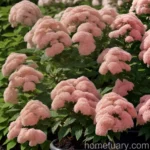
All About Spirea (Spiraea thunbergii)
Spirea, scientifically named Spiraea thunbergii, is a beautiful and versatile plant with a rich history and cultural significance. It is known for its stunning blooms, ease of maintenance, and numerous landscape applications. In this comprehensive guide, we will explore the culture, uses, maintenance, and interesting facts about spirea. Whether you are a seasoned gardener or just starting out, this article will equip you with the knowledge to successfully incorporate spirea into your garden or landscape design.
Key Takeaways
Before delving into the intricacies of spirea care and cultivation, here are the key takeaways that we will cover in this article:
- Understanding the culture and growth requirements of spirea (Spiraea thunbergii).
- Exploring the diverse uses of spirea in landscaping and gardens.
- Learning about the water, sunlight, fertilizer, soil, and pruning needs of spirea.
- Understanding the propagation techniques for Spiraea thunbergii.
- Exploring its popularity and common diseases and pests that affect spirea.
- Providing botanist’s tips and fun facts about spirea.
Now, let’s embark on our journey to unravel the world of spirea.
What is spirea (Spiraea thunbergii)?
Spiraea thunbergii, commonly referred to as Japanese spirea or Thunberg’s spirea, is a deciduous flowering shrub that belongs to the rose family, Rosaceae. It is native to East Asia, particularly Japan and China. This ornamental plant is cherished for its attractive flowers, vibrant foliage, and versatility in landscaping and garden designs.
Plant Characteristics
The spirea bush is known for its delicate clusters of white or pink flowers that adorn its arching branches, creating a stunning display during the flowering season. The foliage varies from vibrant green in the spring and summer to warm hues of red, orange, or bronze in the fall. The overall size of the plant can range from compact varieties suitable for small gardens to taller cultivars that make impressive focal points in larger landscapes.
Culture
In this section, we will dive into the specific cultural requirements for growing and caring for spirea. Understanding the optimal conditions for its growth and development is essential for ensuring the health and vigor of this splendid shrub.
Water
Spiraea thunbergii has moderate water needs and thrives in well-drained soil. It is important to maintain even moisture during its establishment period, especially in the first growing season. Once established, spirea exhibits good drought tolerance, but regular watering during dry spells can promote healthier growth and prolific flowering.
Sunlight
To achieve the best flowering and foliage display, spirea should be planted in an area that receives full sun to partial shade. Full sun exposure is preferred for abundant blooms, while partial shade can be beneficial in regions with hot summers to protect the plant from excessive heat.
Fertilizer
Spirea plants generally do not have high fertilizer requirements. However, applying a balanced, slow-release fertilizer in early spring can promote vigorous growth and beautiful blooms. Avoid excessive use of nitrogen-rich fertilizers, as this can lead to overly lush foliage at the expense of flowering.
Soil
The ideal soil for spirea is fertile, well-drained, and slightly acidic to neutral in pH. Amending the soil with organic matter such as compost or well-rotted manure can improve its texture and nutrient content, creating a favorable environment for spirea to thrive.
Pruning
Proper pruning is essential for maintaining the health, shape, and flowering potential of spirea. Understanding the pruning techniques and timing is crucial for achieving the desired aesthetic and ensuring the plant’s longevity.
Pruning Techniques
Spirea should be pruned immediately after flowering to encourage a strong and bushy growth habit. Use clean, sharp pruners to remove spent flowers and any dead or damaged wood. Additionally, selective thinning of older branches can rejuvenate the plant and promote the growth of new, vigorous shoots.
Pruning Timing
The best time to prune Spiraea thunbergii is in late spring or early summer, right after the blossoms fade. This timing allows the plant to set new growth and flower buds for the following year while avoiding the risk of cutting off potential blooms.
Propagation
Propagating spirea can be an enjoyable and cost-effective way to expand your plant collection or share its beauty with others. Here are the common methods for propagating spirea:
Division
Dividing established clumps of spirea is a straightforward method of propagation. In early spring or fall, carefully dig up a healthy clump of the plant and separate it into smaller sections, ensuring that each division has its own roots and stems. Replant the divisions in prepared soil and water them thoroughly to help them establish.
Softwood Cuttings
Taking softwood cuttings in early summer is another effective way to propagate spirea. Select healthy, non-flowering shoots and trim them to obtain 4- to 6-inch cuttings. Remove the lower leaves, dip the cut ends in rooting hormone, and plant them in a well-draining, moist rooting medium. By providing adequate warmth and humidity, the cuttings can develop roots within a few weeks.
Uses
Spirea is a remarkably versatile plant with a wide range of uses in landscaping, gardens, and natural settings. Let’s explore the diverse applications of spirea and its role in creating captivating outdoor spaces.
Landscape Design
Spiraea thunbergii is prized for its ornamental value and adaptability in various landscape settings. It can be used as a focal point in garden beds or borders, a colorful addition to mixed perennial plantings, or an attractive hedging or screening plant. The vibrant blooms and changing foliage colors throughout the seasons make spirea a valuable asset in creating visually appealing landscapes.
Erosion Control
Certain varieties of spirea, particularly those with spreading or mounding growth habits, are effective in stabilizing soil on slopes and preventing erosion. Their dense root systems and foliage provide an excellent natural solution for managing erosion in gardens and naturalized areas.
Pollinator-friendly Plant
The abundant nectar and pollen of spirea flowers make them highly attractive to pollinators, including bees and butterflies. Incorporating spirea into pollinator gardens and wildlife-friendly landscapes can contribute to supporting the local ecosystem and promoting biodiversity.
Medicinal and Cultural Uses
While the focus of spirea is primarily on its ornamental and landscaping attributes, some traditional cultures have recognized medicinal uses for certain species of spirea. Additionally, in some regions, spirea may hold cultural significance or symbolism, adding an intriguing dimension to its already captivating presence in gardens and landscapes.
Popularity
Spiraea thunbergii has garnered significant popularity among gardeners, landscape designers, and plant enthusiasts due to its outstanding features and ease of cultivation. Its widespread appeal is attributed to several factors, including its adaptability, low-maintenance nature, and aesthetic contributions to outdoor spaces.
Garden and Landscape Trends
Spirea remains a sought-after plant in contemporary garden and landscape designs, enriching outdoor environments with its splendor and contributing to the creation of inviting, vibrant landscapes. As trends in gardening and landscaping continue to emphasize sustainable and low-maintenance landscapes, the appeal of spirea is expected to endure and thrive.
Consumer Demand
The growing interest in sustainable gardening and environmentally conscious landscaping practices has led to increased demand for plants like spirea that offer both aesthetic value and ecological benefits. Its popularity among homeowners, horticulturalists, and landscape architects reflects a shared appreciation for its remarkable beauty and functional attributes.
Common Diseases
While spirea is generally resilient and low-maintenance, it is susceptible to certain diseases that can affect its health and appearance. Being aware of common diseases and their symptoms is critical for implementing timely and effective management strategies to safeguard the well-being of spirea plants.
Disease Diagnosis
The following are some of the common diseases that may affect spirea:
- Powdery Mildew: This fungal disease presents as a powdery, white coating on the leaves, typically observed during humid conditions. It can lead to stunted growth and distorted foliage if left unmanaged.
- Leaf Spot: Leaf spot diseases cause dark or discolored spots on the leaves, often leading to premature leaf drop and reduced vigor in the plant.
- Rust: Rust infections manifest as orange or brown pustules on the underside of the leaves, weakening the plant and diminishing its ornamental appeal.
- Fire Blight: While less common, fire blight can affect spirea, causing wilting, dieback, and blackened shoots, particularly during periods of warm, humid weather.
Common Pests
Pests can occasionally pose a threat to the health and aesthetics of spirea, requiring vigilant monitoring and appropriate pest management strategies to mitigate their impact.
Pest Identification
Some of the common pests that may afflict spirea include:
- Aphids: These small, soft-bodied insects can cluster on new growth, causing distortion of the leaves and excreting honeydew that attracts sooty mold.
- Spider Mites: Spider mites are tiny arachnids that feed on the foliage, causing stippling, discoloration, and weakening of the plant.
- Leafrollers: The larvae of certain moths can roll and feed within the spirea leaves, leading to damage and defoliation if left unchecked.
- Scale Insects: Scale insects can infest spirea, appearing as small, immobile bumps on the stems and leaves, sapping the plant’s resources and causing stress.
Botanist’s Tips
To enhance your understanding and care of spirea, here are some expert tips and insights from botanists and horticultural experts:
- Choose Suitable Varieties: Select spirea varieties that align with your garden or landscape’s specific needs, whether you require compact cultivars for small spaces or larger species for dramatic impact.
- Consider Seasonal Interest: Incorporate spirea varieties that offer a succession of blooms, vibrant foliage transitions, and attractive features across multiple seasons, ensuring year-round visual appeal.
- Understand Local Conditions: Familiarize yourself with your local climate, soil conditions, and microclimatic variations to identify the most suitable growing conditions for spirea in your area.
- Implement Integrated Pest Management: Adopt proactive strategies for pest and disease management, emphasizing cultural practices, natural predators, and targeted interventions to minimize the reliance on chemical control methods.
Fun Facts
To appreciate the allure and intrigue of spirea, here are some captivating fun facts about this exceptional plant:
- Historical Significance: Certain species of spirea have historical uses and cultural significance in traditional practices and folklore in various regions where they are native.
- Ecological Contributions: Spirea plants play a valuable role in supporting pollinators, contributing to biodiversity, and enriching the natural landscape.
- Adaptability: From urban gardens to countryside estates, spirea thrives in diverse environments and can be integrated into a wide array of garden styles and themes.
Links to External Resources
For further information on spirea (Spiraea thunbergii) care, cultivation, and landscaping uses, you can explore the following resources:
- Royal Horticultural Society (RHS) – Spiraea
- The Spruce – Spiraea: A Growing Guide for Bridal Wreath Spirea
- University of Florida IFAS Extension – Spiraea for Florida Landscapes
- Missouri Botanical Garden – Spiraea thunbergii
With this wealth of knowledge and resources, you are well-equipped to cultivate, appreciate, and integrate spirea into your gardening and landscaping endeavors. Whether you seek to create a vibrant and welcoming garden or design captivating outdoor spaces, spirea stands as a testament to the timeless allure and natural splendor of ornamental plants.