Golden Willow (Salix Alba Var. Vitellina)
Golden Willow, scientifically known as Salix alba var. vitellina, is a striking deciduous tree that belongs to the Salicaceae family. With its vibrant.
Introduction
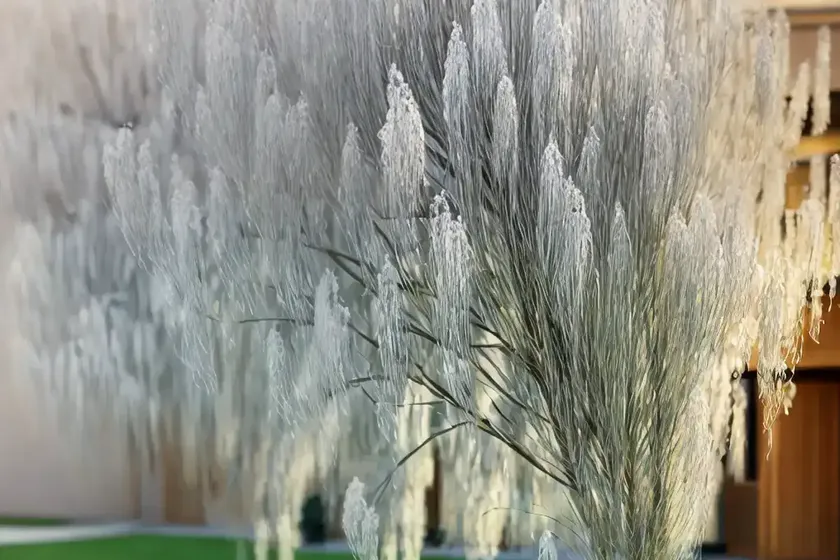
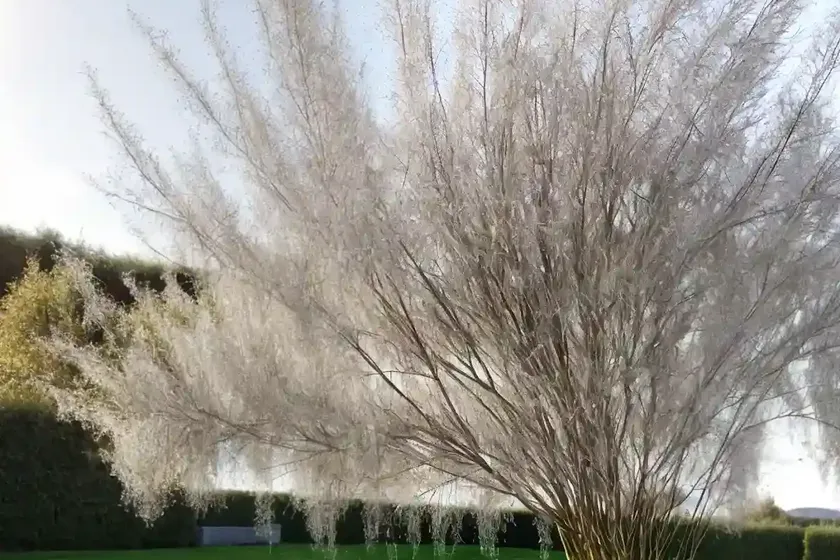
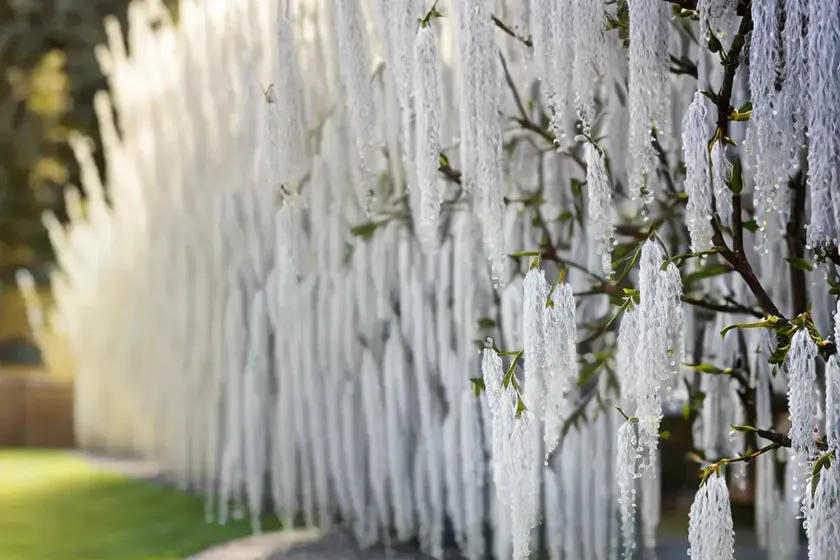
Golden Willow, scientifically known as Salix alba var. vitellina, is a striking deciduous tree that belongs to the Salicaceae family. With its vibrant golden-yellow foliage and elegant form, this tree is a valuable addition to gardens, parks, and landscapes. Not only is it aesthetically pleasing, but it also holds significant cultural, ecological, and medicinal importance.
In this comprehensive guide, we will delve into the various aspects of golden willow, including its culture, uses, care requirements, propagation methods, common diseases, and interesting facts. Whether you are a seasoned horticulturist or a gardening enthusiast, this guide provides valuable insights into maximizing the potential of the golden willow tree.
Table of Contents
- What is Golden Willow (Salix alba var. vitellina)?
- Cultivation and Culture
- Uses of Golden Willow
- Care Requirements
- Water
- Sunlight
- Fertilizer
- Soil
- Pruning
- Propagation
- Growing Golden Willow in Containers
- Popularity of Golden Willow
- Common Diseases
- Disease Diagnosis
- Common Pests
- Botanist’s Tips
- Fun Facts
- Links to External Resources
What is Golden Willow (Salix alba var. vitellina)?
The golden willow, or Salix alba var. vitellina, is a cultivar of the white willow (Salix alba), a species native to Europe and Western and Central Asia. It is renowned for its bright yellow twigs and splendid yellow foliage, adding a vibrant touch to landscapes. The leaves are long and narrow, transitioning from golden in spring to a soft green color in summer. During autumn, the leaves turn a beautiful shade of yellow before shedding in the winter.
This tree is known for its rapid growth and can reach impressive heights, often exceeding 50 feet (15 meters). With a graceful, spreading canopy, the golden willow creates an attractive silhouette in various settings.
Key Takeaways – Golden Willow (Salix alba var. vitellina)
Before delving into the specifics of golden willow, here are the key takeaways:
- Scientific Name: Salix alba var. vitellina
- Common Name: Golden Willow
- Family: Salicaceae
- Notable Features: Vibrant golden-yellow foliage, rapid growth, slender leaves
- Uses: Ornamental tree, erosion control, wildlife habitat
- Cultivation: Adaptable to various soil types, requires ample sunlight and water
Cultivation and Culture
Before planting a golden willow, it is crucial to understand its cultural requirements. Proper cultivation ensures the tree’s health, vigor, and overall visual appeal.
Sunlight
Golden willows thrive in full sun, requiring at least six to eight hours of direct sunlight daily. In ideal conditions, the tree’s foliage will develop its characteristic golden hue, significantly enhancing its ornamental value.
Water
While adaptable to various soil types, golden willows prefer moist, well-drained soil. Adequate watering, particularly during the establishment phase, is vital for ensuring the tree’s healthy growth. However, it is essential to avoid waterlogged conditions, as excessive moisture can lead to root rot and other detrimental effects.
Soil
These trees are adaptable to a wide range of soil types, including loamy, sandy, and clay soils. However, they thrive in fertile, moist soils with good drainage. Prior to planting, it is advisable to amend the soil with organic matter to improve its structure and fertility.
Fertilizer
Golden willows are light feeders and generally do not require heavy fertilization. However, applying a balanced, slow-release fertilizer in spring can provide the tree with essential nutrients for the growing season. It is important to follow the manufacturer’s recommendations regarding application rates and methods.
Pruning
Pruning is essential to maintain the golden willow’s desired form and size. Regular pruning helps eliminate dead or damaged branches while shaping the tree to enhance its aesthetic appeal. It is best to conduct major pruning during the tree’s dormant period to minimize stress and promote vigorous regrowth in the following growing season.
Uses of Golden Willow
The golden willow serves various purposes, contributing to both natural landscapes and human activities. Here are some notable uses of this distinctive tree:
-
Ornamental Value: The striking golden foliage and elegant form make the golden willow a popular choice for ornamental planting in parks, gardens, and residential landscapes. It adds a vibrant touch to the surroundings, particularly during the spring and autumn seasons.
-
Erosion Control: Due to its vigorous growth and extensive root system, golden willow trees are often utilized for erosion control along riverbanks, lakeshores, and other areas susceptible to soil erosion. The roots help stabilize the soil, preventing erosion and promoting environmental conservation.
-
Wildlife Habitat: The dense foliage of golden willow trees provides shelter and nesting sites for various bird species. Additionally, the tree’s catkins and foliage serve as a food source for insects and small mammals, contributing to the local ecosystem’s biodiversity.
-
Medicinal Uses: In traditional medicine, several parts of the willow tree, including the bark and leaves, have been utilized for their medicinal properties. The active compound salicin, found in willow bark, has been used to alleviate pain and reduce fever, serving as a natural precursor to aspirin.
-
Wood Properties: While the primary use of golden willow trees is ornamental, the wood can also be harvested for certain applications. The flexible and lightweight nature of willow wood makes it suitable for crafting baskets, furniture, and other artisanal products.
Care Requirements
For optimal growth and health, golden willow trees require attentive care and maintenance. Understanding and fulfilling their basic requirements is essential for ensuring their long-term vitality and aesthetic appeal.
Water
Adequate water is crucial, particularly during the tree’s establishment phase. Consistent watering, especially in periods of drought, helps promote healthy root development and overall vigor. While established trees exhibit some drought tolerance, regular watering is recommended, especially during prolonged dry spells.
Sunlight
As mentioned earlier, golden willows thrive in full sun. Adequate sunlight exposure is essential for promoting the tree’s vibrant golden foliage. Insufficient sunlight may result in pale or greenish leaves, diminishing the tree’s ornamental value.
Fertilizer
Golden willows typically do not require heavy fertilization. A balanced, slow-release fertilizer applied in spring can provide the tree with essential nutrients for robust growth and vibrant foliage. Care should be taken to avoid excessive fertilization, as this can lead to excessive vegetative growth at the expense of overall tree health.
Soil
While adaptable to various soil types, golden willows prefer moist, well-drained soils rich in organic matter. Regularly amending the soil with compost or well-rotted manure can enhance its fertility and structure, creating an optimal growing environment for the tree.
Pruning
Pruning is essential for maintaining the golden willow’s desired form and size. It helps eliminate dead or diseased branches, promotes air circulation within the canopy, and enhances the tree’s aesthetic appeal. Regular pruning, particularly during the tree’s dormant period, is recommended to encourage healthy growth and shape the tree according to the desired design.
Propagation
Golden willow trees can be propagated through various methods, allowing for the expansion of their presence in landscapes and natural settings. The following are common propagation techniques for golden willows:
-
Softwood Cuttings: Softwood cuttings taken from young, actively growing branches can be used to propagate golden willow trees. These cuttings are typically taken in early summer and are treated with rooting hormone before being planted in a well-prepared propagation medium.
-
Hardwood Cuttings: Hardwood cuttings are taken during the tree’s dormant season and rooted in a suitable medium. While hardwood cuttings generally exhibit a lower success rate compared to softwood cuttings, they can still be effective for propagating golden willow trees.
-
Suckers: Golden willow trees often produce suckers, which are young shoots that emerge from the tree’s base or roots. These suckers can be carefully separated from the parent tree and transplanted to establish new tree specimens.
-
Seed Propagation: While less common, golden willow trees can also be propagated from seeds. However, this method typically requires specific conditions for successful germination and may result in genetic variability among the propagated trees.
Growing Golden Willow in Containers
For individuals with limited outdoor space or those seeking to showcase the tree’s ornamental value in a confined setting, growing golden willow in containers can be a viable option. When growing golden willow in containers, the following considerations should be taken into account:
-
Container Size: Select a spacious container that accommodates the tree’s root system and allows for adequate soil volume. A container with drainage holes is essential to prevent waterlogging and root rot.
-
Potting Mix: Use a well-draining potting mix rich in organic matter. Regularly monitor the soil moisture and water the tree as needed, ensuring that excess water can freely escape from the container.
-
Sunlight and Water: Position the container in a location that receives ample sunlight, as golden willows thrive in full sun. Regular watering is crucial, and the soil should be kept consistently moist, without becoming waterlogged.
-
Maintenance: Container-grown golden willows may require repotting as they outgrow their containers. Additionally, periodic fertilization and pruning are essential to maintain the tree’s health and ornamental appeal.
Popularity of Golden Willow
The striking appearance and versatile uses of golden willow have contributed to its popularity among gardeners, landscaping professionals, and conservationists. This distinctive tree has gained recognition for its ornamental value, ecological benefits, and cultural significance.
Ornamental Appeal
Golden willow’s vibrant golden-yellow foliage and elegant form make it a prized addition to various outdoor settings. From residential landscapes to public parks and commercial developments, the tree’s aesthetic appeal is widely appreciated, particularly during the spring and autumn seasons.
Ecological Importance
In addition to its ornamental value, golden willow plays a crucial ecological role, particularly in riparian and wetland habitats. Its extensive root system helps stabilize soil, control erosion, and create valuable wildlife habitat, contributing to the overall health and resilience of the surrounding ecosystem.
Cultural Significance
The cultural significance of golden willow extends to various civilizations and traditions. From its historical uses in traditional medicine to its role in craft and artisanal activities, the tree has enriched human culture and heritage through its diverse applications and symbolic value.
Common Diseases
While generally resilient, golden willow trees may be susceptible to certain diseases under unfavorable growing conditions or environmental stressors. By understanding and promptly addressing these diseases, it is possible to minimize their impact and maintain the tree’s long-term health.
Disease Diagnosis
Several diseases can affect golden willow trees, with some of the common ones including:
-
Canker Diseases: Canker diseases, caused by various fungal pathogens, manifest as sunken, discolored areas on the tree’s bark. These cankers weaken the tree and may lead to branch dieback if left untreated.
-
Leaf Spot Diseases: Various fungal pathogens can cause leaf spot diseases, resulting in the development of conspicuous spots or lesions on the tree’s foliage. While generally not fatal, severe infections can lead to premature leaf drop and reduced vigor.
-
Powdery Mildew: Powdery mildew is characterized by the presence of a powdery, white fungal growth on the leaves and tender shoots of the tree. This disease can affect overall tree health and diminish its ornamental appeal.
Common Pests
In addition to diseases, golden willow trees may also encounter pest infestations that can impact their growth and vitality. Common pests that affect golden willow trees include:
-
Aphids: These small, sap-feeding insects can infest the tree’s foliage, leading to distorted growth, honeydew secretion, and the development of sooty mold. Regular monitoring and appropriate control measures are essential for managing aphid infestations.
-
Willow Sawfly: The larvae of the willow sawfly feed on the leaves of golden willow trees, potentially causing extensive defoliation if present in significant numbers. Early detection and intervention can help mitigate the impact of sawfly infestations.
-
Scale Insects: Scale insects can infest the branches and stems of golden willow trees, leading to reduced vigor and unsightly infestations. Control measures, such as horticultural oil applications, may be necessary to manage scale insect populations.
Botanist’s Tips
For individuals interested in planting and caring for golden willow trees, the following tips from botanists and horticultural experts can be invaluable:
-
Site Selection: Choose a suitable planting site with ample sunlight, well-drained soil, and adequate space for the tree’s mature size. Consider the tree’s ecological role and potential impacts on the surrounding landscape.
-
Adequate Watering: Particularly during the establishment phase, ensure that the tree receives sufficient water to promote healthy root development and overall vigor. Monitor soil moisture and adjust watering frequency based on environmental conditions.
-
Regular Maintenance: Implement a regular maintenance regimen that includes pruning, fertilization, and disease and pest monitoring. Regular inspections allow for early detection of issues and timely intervention to maintain the tree’s health.
-
Erosion Control: Leverage the tree’s extensive root system and rapid growth to stabilize soil and control erosion in riparian and wetland environments where applicable. Consider the ecological benefits of golden willow in habitat restoration projects.
Fun Facts
Exploring the remarkable characteristics and attributes of the golden willow can uncover several fascinating and noteworthy facts about this distinctive tree:
-
The vibrant golden-yellow foliage of the golden willow adds a dramatic and eye-catching element to various landscapes, particularly during the spring and autumn seasons.
-
The tree’s rapid growth rate and ability to adapt to various soil types make it a valuable choice for erosion control and landscape restoration projects.
-
Golden willow’s cultural significance extends to its historical uses in traditional medicine, where compounds derived from willow bark have been utilized for their medicinal properties.
-
The tree’s flexible and lightweight wood has been utilized in the crafting of baskets, furniture, and other artisanal products, showcasing its versatile and practical applications.
-
Golden willow’s ecological importance, particularly in creating wildlife habitat and stabilizing riparian environments, underscores its significant role in ecosystem conservation and restoration efforts.
Links to External Resources
Here are some external resources for further exploration of golden willow (Salix alba var. vitellina):
- Royal Horticultural Society – Golden Willow
- USDA Forest Service – Salix alba
- Missouri Botanical Garden – Salix alba
- The Morton Arboretum – Willow Species
- University of Florida IFAS Extension – Salix alba Fact Sheet
Conclusion
Golden willow, scientifically known as Salix alba var. vitellina, is a remarkable tree with a multitude of uses and ecological benefits. Its vibrant golden foliage, rapid growth, and adaptability make it a valuable addition to various landscapes and conservation initiatives. By understanding and implementing the appropriate care and cultivation practices, gardeners and conservationists can fully harness the potential of this unique tree.
Whether utilized for its ornamental value, ecological significance, medicinal properties, or practical applications, the golden willow exemplifies the inherent beauty and utility of trees in the natural world. From erosion control to wildlife habitat creation, the golden willow continues to enrich and contribute to diverse ecosystems and human cultures alike.
As you embark on your journey of cultivating and appreciating golden willow trees, may the insights and tips provided in this guide serve as a valuable resource, empowering you to maximize the potential of these magnificent trees in your own landscape and conservation endeavors.


