Spiraea Japonica ‘Goldflame’ (Japanese Spirea)
Plants are an integral part of our ecosystem and have been a subject of fascination and study for centuries. They come in an extraordinary diversity of.
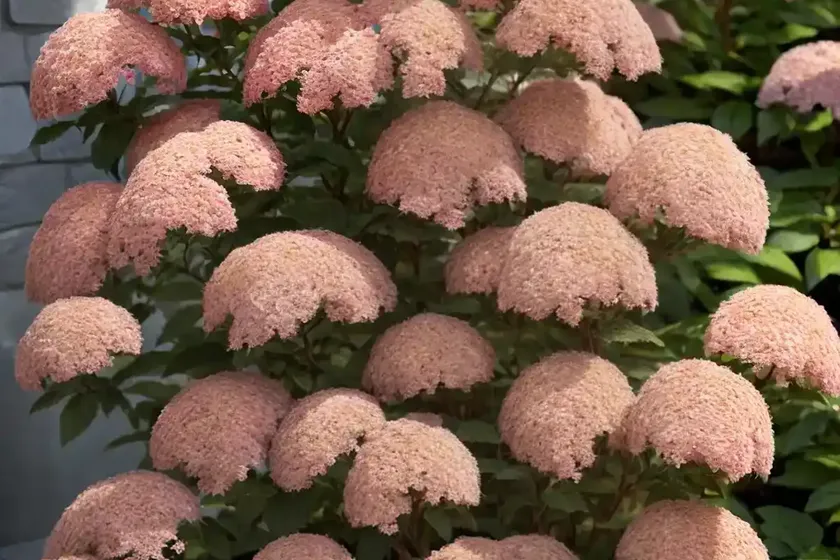
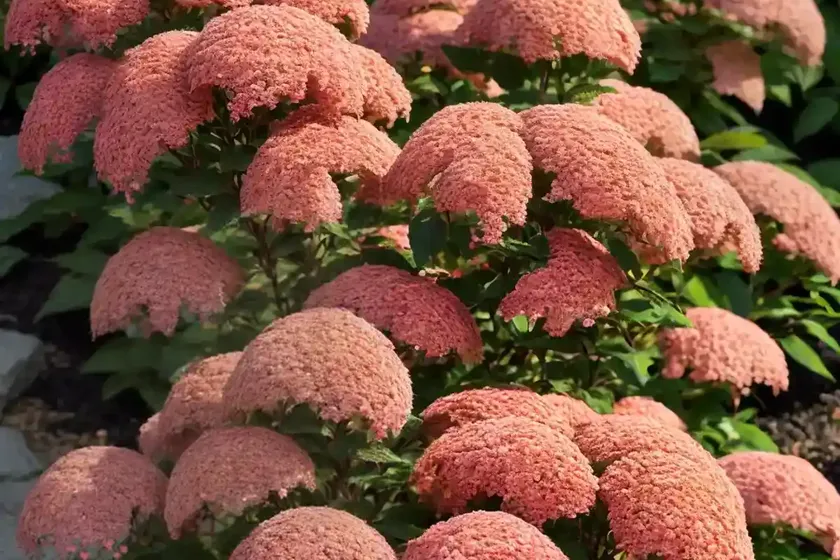
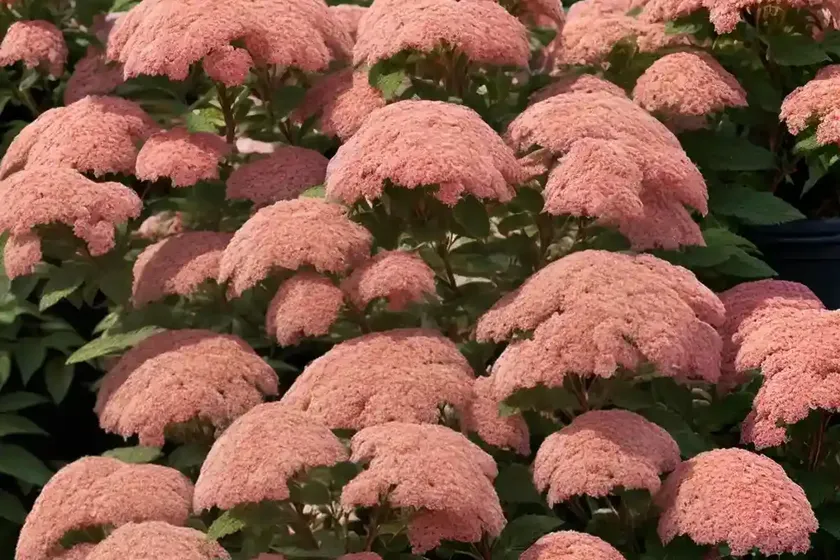
Plants are an integral part of our ecosystem and have been a subject of fascination and study for centuries. They come in an extraordinary diversity of shapes, sizes, colors, and forms, each with its own unique characteristics and requirements for growth and maintenance. Among these myriad plant species, Spiraea japonica ‘Goldflame’ stands out for its breathtaking beauty and versatility.
In this comprehensive guide, we will delve into the world of Spiraea japonica ‘Goldflame’ (Japanese Spirea), exploring every aspect of its care, cultivation, uses, and more. Whether you are a seasoned gardener, a landscape designer, or simply an admirer of nature, this article aims to provide you with valuable insights that will deepen your understanding and appreciation of this remarkable plant.
What is Spiraea japonica ‘Goldflame’ (Japanese Spirea)?
Spiraea japonica ‘Goldflame’, commonly known as Japanese Spirea, is a deciduous flowering shrub that belongs to the Rosaceae family. This species is native to Japan, China, and Korea, and it has become a popular choice in gardens and landscapes around the world due to its stunning foliage, vibrant flowers, and ease of cultivation.
The ‘Goldflame’ variety of Spiraea japonica is particularly prized for its brilliant foliage, which emerges as a vibrant coppery red in spring, gradually maturing to a golden yellow in summer, and finally transforming into an attractive orange-red in autumn. Complementing its striking leaves are clusters of delicate pink flowers that adorn the plant in summer, adding to its visual appeal.
Spiraea japonica ‘Goldflame’ is a relatively compact shrub, typically growing to a height of 2 to 3 feet and spreading 3 to 4 feet wide. Its relatively small size, combined with its colorful foliage and abundant blooms, makes it an excellent choice for borders, hedges, mass plantings, or mixed perennial beds.
With a reputation for being low-maintenance and adaptable to various growing conditions, Spiraea japonica ‘Goldflame’ has garnered a strong following among gardeners and landscapers seeking a versatile and visually captivating plant for their outdoor spaces.
Key Takeaways: Spiraea japonica ‘Goldflame’ (Japanese Spirea)
Before we delve into the specifics of caring for Spiraea japonica ‘Goldflame’, let’s highlight some key takeaways about this enchanting plant:
- Scientific Name: Spiraea japonica ‘Goldflame’
- Common Name: Japanese Spirea
- Family: Rosaceae
- Origin: Japan, China, Korea
- Foliage: Coppery red in spring, golden yellow in summer, orange-red in autumn
- Flowers: Clusters of delicate pink blooms in summer
- Size: Height of 2-3 feet, spread of 3-4 feet
- Uses: Borders, hedges, mass plantings, mixed perennial beds
- Characteristics: Low-maintenance, adaptable, visually captivating
Now that we have familiarized ourselves with the basic characteristics of Spiraea japonica ‘Goldflame’, let’s explore the specific aspects of its care and cultivation.
Culture
Water
Proper watering is essential for the health and vitality of Spiraea japonica ‘Goldflame’. While this variety is known to be adaptable to different moisture levels, it thrives best in well-drained soil and benefits from regular watering, especially during periods of drought or dry spells. When establishing newly planted shrubs, it is important to provide consistent moisture to aid in their root development.
Sunlight
Spiraea japonica ‘Goldflame’ flourishes in full sun to partial shade. In locations with ample sunlight, the foliage tends to display its most vibrant colors, with the red and gold tones intensifying under the influence of direct sunlight. However, it is important to note that this plant can tolerate partial shade, making it a versatile option for various garden settings.
Fertilizer
To promote healthy growth and flowering, it is beneficial to fertilize Spiraea japonica ‘Goldflame’ annually in early spring. A balanced, slow-release fertilizer formulated for flowering shrubs can be applied around the base of the plant, following the manufacturer’s recommendations for the appropriate dosage. Over-fertilization should be avoided, as it can lead to excessive foliage growth at the expense of flowers.
Soil
Japanese Spirea ‘Goldflame’ thrives in well-drained, fertile soil with a slightly acidic to neutral pH. While it is adaptable to different soil types, including loamy and sandy soils, the plant performs best in soil that retains moisture without becoming waterlogged. When planting or transplanting, amending the soil with organic matter such as compost can enhance its overall health and vigor.
Pruning
Pruning plays a crucial role in maintaining the shape, size, and flowering performance of Spiraea japonica ‘Goldflame’. This variety benefits from annual pruning, which is typically carried out in late winter to early spring before new growth emerges. The following general guidelines can help in effectively pruning Japanese Spirea ‘Goldflame’:
- Remove Dead or Damaged Branches: Inspect the plant for any dead, diseased, or damaged branches and trim them back to healthy tissue to promote overall plant health.
- Encourage New Growth: To stimulate new growth and flowering, prune up to a third of the oldest stems to ground level, allowing younger, more vigorous shoots to take their place.
- Maintain Shape: Trim back any overgrown or straggly branches to maintain a compact and tidy appearance, taking care to preserve the plant’s natural form.
- Deadhead Spent Blooms: After the flowering period, promptly deadhead the spent blooms to encourage the production of new flowers and prevent the plant from expending energy on seed production.
Regular and thoughtful pruning not only supports the overall health of Spiraea japonica ‘Goldflame’ but also ensures that it remains an attractive and well-behaved addition to the garden.
Propagation
The propagation of Spiraea japonica ‘Goldflame’ can be achieved through several methods, including softwood cuttings, hardwood cuttings, and division. Each approach has its own advantages and considerations, and the choice of method often depends on the specific circumstances and preferences of the gardener or propagator.
Softwood Cuttings
Softwood cuttings, typically taken in late spring to early summer, involve harvesting young, tender shoots from the plant. These cuttings are then treated with a rooting hormone and placed in a propagation medium such as perlite or a combination of peat and perlite. Providing bottom heat and maintaining high humidity can enhance the success rate of root formation, ultimately leading to the production of new, genetically identical plants.
Hardwood Cuttings
Hardwood cuttings, collected from mature, woody stems in late autumn or winter, offer another effective means of propagating Spiraea japonica ‘Goldflame’. The selected cuttings are prepared by removing the leaves from the lower portion and treating the base with a rooting hormone before being inserted into a well-draining propagation mix. While slower to root compared to softwood cuttings, hardwood cuttings can yield robust and resilient plants when given the appropriate conditions and care.
Division
Division involves separating the root ball of an established plant into multiple sections, each containing roots and shoots, which can then be replanted to form independent individuals. This method is particularly suitable for rejuvenating older plants with congested root systems or for creating new specimens from existing stock.
By employing these propagation techniques, gardeners and horticulturists can contribute to the proliferation of Spiraea japonica ‘Goldflame’, further enriching landscapes with this captivating shrub.
Container Popularity
Spiraea japonica ‘Goldflame’ is well-suited to container cultivation, offering an appealing option for gardeners with limited space or those seeking to add visual interest to patios, balconies, or other outdoor areas. When grown in containers, the plant’s colorful foliage and charming blooms can serve as a focal point or as part of an eye-catching arrangement, showcasing its ornamental value in a confined setting.
To successfully grow Spiraea japonica ‘Goldflame’ in containers, several factors should be considered:
- Container Size: Select containers that provide ample room for the plant to develop its root system and accommodate its mature size. Larger containers offer greater stability and moisture retention, reducing the need for frequent watering.
- Drainage: Ensure that the containers have adequate drainage holes to prevent waterlogging, which can lead to root rot and other issues. Using a well-draining potting mix can further enhance the soil’s aeration and moisture management.
- Sunlight: Position the containers in a location that receives sufficient sunlight to support the plant’s growth and encourage the development of its characteristic foliage colors. In hot climates, providing partial shade during peak afternoon hours may be beneficial.
By carefully tending to the needs of Spiraea japonica ‘Goldflame’ in containers, enthusiasts can enjoy its captivating attributes on a smaller scale, introducing elegance and charm to their outdoor living spaces.
Common Diseases
While Spiraea japonica ‘Goldflame’ is generally resilient and resistant to many pests and diseases, it can occasionally encounter certain issues that may compromise its health and appearance. Understanding these potential ailments and their respective treatments is crucial for maintaining the plant’s vigor and beauty.
Disease Diagnosis
The following are some common diseases and issues that may affect Spiraea japonica ‘Goldflame’:
- Powdery Mildew: This fungal disease manifests as a powdery, white coating on the leaves, often leading to stunted growth and diminished aesthetic quality. Adequate air circulation, proper spacing, and the use of fungicidal sprays can help control and prevent powdery mildew outbreaks.
- Leaf Spot: Leaf spot diseases, characterized by circular or irregular lesions on the foliage, can be caused by various fungal pathogens. Prompt removal of affected leaves and the application of fungicidal treatments can aid in managing this issue.
- Root Rot: Excessive soil moisture or poorly drained conditions can predispose the plant to root rot, resulting in wilting, yellowing of leaves, and eventual collapse. Improving soil drainage and avoiding overwatering can mitigate the risk of root rot and promote healthy root development.
By actively monitoring the plant for any signs of disease and promptly implementing appropriate measures, gardeners can safeguard the well-being of Spiraea japonica ‘Goldflame’ and preserve its visual allure.
Common Pests
In addition to potential diseases, Spiraea japonica ‘Goldflame’ may also be susceptible to infestations by certain pests, which can negatively impact its growth and vitality. Being aware of these common pests and their control methods is essential for preventing significant damage to the plant.
Some pests that may affect Spiraea japonica ‘Goldflame’ include:
- Aphids: These small, soft-bodied insects can cluster on the undersides of leaves, sucking sap and causing distorted growth. Insecticidal soaps or horticultural oils can be used to deter and manage aphid populations.
- Spider Mites: Spider mites are tiny arachnids that feed on the plant’s tissues, leading to stippling and discoloration of the leaves. Regularly spraying the foliage with water and using miticides can help control spider mite infestations.
- Scale Insects: Scale insects often appear as small, waxy bumps on the stems and foliage, draining nutrients from the plant. Soft scales can be targeted with horticultural oils, while armored scales may require physical removal or the use of systemic insecticides.
By maintaining a vigilant watch for these pests and intervening promptly if an infestation is detected, gardeners can protect the health and appearance of Spiraea japonica ‘Goldflame’, ensuring its continued vibrancy in the landscape.
Botanist’s Tips
To further enhance the success and enjoyment of growing Spiraea japonica ‘Goldflame’, consider the following tips and recommendations from seasoned botanists and horticultural experts:
- Site Selection: When planting Japanese Spirea ‘Goldflame’, choose a location with well-drained soil, ample sunlight, and good air circulation to promote optimal growth and flowering.
- Mulching: Apply a layer of organic mulch around the base of the plant to conserve soil moisture, suppress weed growth, and provide insulation against temperature fluctuations.
- Companion Planting: Pair Spiraea japonica ‘Goldflame’ with compatible companions, such as lavender, salvia, or ornamental grasses, to create visually appealing combinations and provide habitat for beneficial insects.
- Regular Monitoring: Routinely inspect the plant for signs of disease, pests, or nutrient deficiencies, addressing any issues immediately to prevent their escalation.
By incorporating these insights into the care and management of Spiraea japonica ‘Goldflame’, enthusiasts can cultivate resilient, healthy specimens, enriching their outdoor spaces with the beauty of this exceptional shrub.
Fun Facts
To conclude our exploration of Spiraea japonica ‘Goldflame’, here are some intriguing and delightful fun facts about this remarkable plant:
- Blooming Period: Japanese Spirea ‘Goldflame’ typically produces its charming pink flowers from late spring to early summer, attracting pollinators and contributing to the garden’s biodiversity.
- Seasonal Interest: Beyond its vibrant foliage and floral display, Spiraea japonica ‘Goldflame’ offers captivating seasonal transformations, with its leaves transitioning from coppery red to golden yellow and ultimately to an eye-catching orange-red hue in autumn.
- Wildlife Habitat: The flowers of Spiraea japonica ‘Goldflame’ can serve as a valuable nectar source for butterflies, bees, and other pollinating insects, supporting local wildlife populations.
- Landscape Versatility: Whether used as a standalone specimen, a mass planting, or a border shrub, Japanese Spirea ‘Goldflame’ lends itself to a wide range of landscape applications, granting flexibility in design and expression.
- Low Maintenance: With its adaptability and resilience, Spiraea japonica ‘Goldflame’ is well-regarded for its low-maintenance nature, making it an appealing choice for gardeners seeking an easy-to-care-for and visually captivating plant.
These fun facts offer a glimpse into the multifaceted appeal and ecological significance of Spiraea japonica ‘Goldflame’, further accentuating its appeal as a valued addition to gardens and natural spaces.
Links to External Resources
For those seeking additional information and resources on Spiraea japonica ‘Goldflame’ and related topics, the following external links provide valuable insights and perspectives:
- Royal Horticultural Society: Spiraea japonica ‘Goldflame’
- Missouri Botanical Garden: Spiraea japonica ‘Goldflame’
- University of Florida IFAS Extension: Japanese Spirea for Central Florida
In conclusion, Spiraea japonica ‘Goldflame’ (Japanese Spirea) stands as a captivating and versatile addition to gardens and landscapes, offering a symphony of color, form, and ecological significance. By understanding and embracing its unique attributes, as well as employing thoughtful care practices, enthusiasts can fully appreciate the splendor and resilience of this extraordinary plant.


