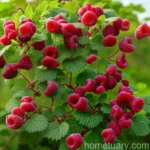
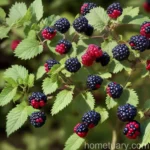
The Everbearing Raspberry: Rubus idaeus ‘September’
Raspberries are a delight for any gardener and food enthusiast. Their sweet, tangy flavor and versatility make them a popular choice for cultivation. Rubus idaeus ‘September’, commonly known as the Everbearing Raspberry, is a specific variety that holds a special place within the diverse world of raspberries. In this comprehensive guide, we will explore the cultivation, characteristics, uses, and care tips for the Rubus idaeus ‘September’ (Everbearing Raspberry), providing you with the knowledge to successfully grow and enjoy this incredible plant.
What is Rubus idaeus ‘September’ (Everbearing Raspberry)?
The Everbearing Raspberry, scientifically known as Rubus idaeus, is a deciduous perennial plant belonging to the Rosaceae family. This plant is renowned for its delicious, brightly colored fruits which are often used in culinary dishes, preserves, and desserts. The ‘September’ variety is particularly interesting as it produces fruit in the fall, distinguishing it from other raspberry cultivars.
Key Takeaways – Rubus idaeus ‘September’ (Everbearing Raspberry)
Culture
- Botanical Name: Rubus idaeus ‘September’
- Common Name: Everbearing Raspberry
- Plant Type: Deciduous perennial
- Growth Habit: Upright and spreading
Uses
- Culinary use for fresh consumption
- Jam, jelly, and preserve making
- Baking and dessert preparation
- Fresh fruit for snacking
- Nutrient-rich addition to smoothies
Water
- Regular watering
- Avoid waterlogged conditions
- Maintaining soil moisture during fruiting season
Sunlight
- Full sun to part shade
- Preferably 6-8 hours of direct sunlight
Fertilizer
- Balanced fertilizer with higher potassium content
- Timely application during growth stages
- Organic mulch for slow-releasing nutrients
Soil
- Well-draining, loamy soil
- pH range: 5.6-6.2
- Organic matter-rich soil amendments
Pruning
- Regular pruning for plant health and productivity
- Removal of dead canes and weak growth
- Proper pruning techniques for optimal fruiting
Propagation
- Division of root suckers
- Stem cuttings
- Layering
Container Popularity
- Suitable for container growth
- Large, deep containers
- Adequate drainage
Common Diseases
- Anthracnose
- Cane blight
- Raspberry rust
- Botrytis fruit rot
Disease Diagnosis
- Visual inspection of foliage and fruits
- Laboratory analysis for accurate diagnosis
- Prompt action upon disease identification
Common Pests
- Japanese beetles
- Raspberry fruitworm
- Spider mites
- Aphids
Botanist’s Tips
- Regular monitoring for pest and disease management
- Consistent maintenance for optimal fruit production
- Proper training and support for canes
Fun Facts
- Raspberries are a member of the rose family
- Each raspberry consists of approximately 100 individual drupelets
- Raspberries are not just red; they can be black, purple, gold, or even white
- Ancient people used raspberries for their medicinal properties
- Raspberries are an excellent source of vitamin C and dietary fiber
Links to External Resources
- Raspberry Plant Growing Guide – The University of Maine
- Raspberry Plant Care – Royal Horticultural Society
Continued in the next reply due to word limit…