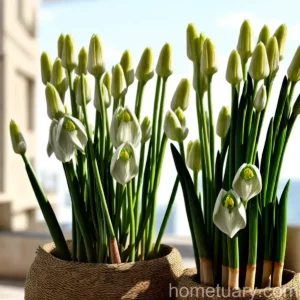
Spineless Yucca (Yucca elephantipes): A Complete Care Guide
Introduction
Yucca elephantipes, commonly known as spineless yucca, is a visually striking and low-maintenance indoor plant that has gained popularity for its ornamental qualities and air-purifying abilities. This tropical plant, native to Mexico and other Central American regions, has become a favorite among plant enthusiasts and interior decorators alike. As a plant scientist with a passion for indoor greenery, I am excited to delve into the comprehensive care guide for spineless yucca, covering its culture, uses, maintenance, and much more.
What is Spineless Yucca (Yucca elephantipes)?
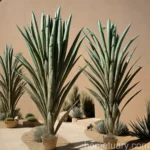
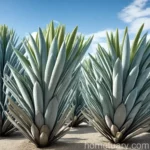
Spineless yucca, scientifically known as Yucca elephantipes, belongs to the Asparagaceae family and is characterized by its long, sword-shaped, dark green leaves that form a rosette. Unlike other yucca species, the spineless yucca lacks the sharp spines or needles typically found on the leaves. This feature makes it an ideal choice for indoor settings, as it reduces the risk of accidental injuries often associated with spiky plants.
The graceful, architectural form of the spineless yucca, coupled with its resilience and adaptability, makes it a versatile addition to both residential and commercial spaces. Its ability to thrive in low-light conditions and relatively low water requirements further enhances its appeal as a decorative and low-maintenance plant.
Key Takeaways – Spineless Yucca (Yucca elephantipes)
Before delving into the specific care and maintenance requirements of spineless yucca, let’s highlight some key takeaways about this popular indoor plant:
- Yucca Varieties: Yucca elephantipes is a distinct variety of yucca known for its lack of spines and suitability for indoor cultivation.
- Indoor Adaptability: Its tolerance for low light and infrequent watering makes it an excellent choice for indoor environments, including homes, offices, and other indoor spaces.
- Ornamental Qualities: The long, cascading leaves and architectural form of spineless yucca make it an appealing decorative plant, adding a touch of tropical elegance to interior spaces.
- Air-Purifying Abilities: Like other yucca species, Y. elephantipes exhibits air-purifying properties, contributing to improved indoor air quality.
- Low-Maintenance: With minimal pruning and watering needs, spineless yucca is well-suited for plant enthusiasts seeking low-maintenance greenery.
Culture
Understanding the cultural requirements of spineless yucca is essential for ensuring its optimal growth and overall well-being. From suitable light conditions to appropriate watering routines, each aspect contributes to the plant’s ability to thrive indoors.
Uses
The spineless yucca (Yucca elephantipes) is valued for a range of practical and aesthetic purposes, including:
- Ornamental Plant: Its striking appearance and architectural form make it a popular choice for interior decoration, adding a touch of tropical elegance to living spaces, offices, and commercial settings.
- Air Purification: Like many indoor plants, spineless yucca contributes to purifying the air by removing harmful toxins and particulate matter, thereby enhancing indoor air quality.
- Low-Maintenance Greenery: Due to its minimal care requirements, spineless yucca is an ideal option for individuals seeking low-maintenance indoor plants that still provide visual impact.
Water
Proper watering is crucial to the health and vitality of spineless yucca. While this plant demonstrates tolerance for drought-like conditions, it is essential to strike a balance between watering adequately and avoiding waterlogged soil.
Watering Recommendations
- Moderate to Low Watering Needs: Spineless yucca thrives in relatively dry conditions, and overwatering can lead to root rot and other issues. Allow the soil to dry out partially between waterings, particularly during the winter months.
- Watering Frequency: Aim to water the plant every 2-3 weeks during the growing season, adjusting the frequency based on environmental conditions and the moisture level of the soil.
Sunlight
Inadequate or excessive sunlight can impact the growth and appearance of spineless yucca. Understanding its sunlight requirements is vital for ensuring that the plant receives the appropriate amount of light for healthy development.
Sunlight Recommendations
- Optimal Light Conditions: Spineless yucca thrives in bright, indirect light. While it can tolerate lower light conditions, providing it with ample, indirect sunlight promotes robust growth and prevents the leaves from becoming leggy.
- Avoid Direct Sunlight: Direct exposure to intense sunlight, especially during the hottest parts of the day, can lead to leaf scorching. Position the plant in locations with filtered or dappled sunlight to protect it from harsh rays.
Fertilizer
Supplemental fertilization can provide spineless yucca with the necessary nutrients to support its growth and vitality. However, it is crucial to adhere to appropriate fertilization practices to prevent overfeeding or nutrient imbalances.
Fertilization Guidelines
- Balanced Fertilizer: Use a balanced, water-soluble fertilizer formulated for indoor plants. A general-purpose fertilizer with an equal NPK ratio (20-20-20) is suitable for spineless yucca.
- Application Frequency: Apply the fertilizer at half the recommended strength once a month during the growing season (spring and summer). Refrain from fertilizing during the plant’s dormant period in the fall and winter.
Soil
The choice of soil directly influences the moisture retention, drainage, and overall health of spineless yucca. Selecting a well-draining and breathable potting mix is essential for supporting the plant’s root system and preventing waterlogged conditions.
Soil Recommendations
- Well-Draining Mix: Use a well-aerated, fast-draining potting mix tailored for succulents or cacti. Avoid heavy, moisture-retentive soils, as they can lead to root rot and other moisture-related issues.
- Additives: Consider incorporating perlite or coarse sand into the potting mix to enhance drainage and aeration, creating an ideal root environment for spineless yucca.
Pruning
Pruning is an integral aspect of spineless yucca maintenance, helping to manage the plant’s size, remove damaged or yellowing leaves, and promote a tidy and attractive appearance. Understanding the correct pruning techniques is essential for preserving the plant’s health and aesthetics.
Pruning Guidelines
- Leaf Removal: Cut back any discolored, damaged, or dead leaves close to the base of the plant using clean, sharp pruning shears. Regularly removing these leaves prevents the spread of diseases and maintains the plant’s visual appeal.
Propagation
Propagating spineless yucca allows plant enthusiasts to grow new individuals from existing specimens, expanding their collection or sharing the plant with others. Understanding the propagation methods and best practices is valuable for successful reproduction.
Propagation Methods
- Offshoot Division: Spineless yucca can be propagated through the division of offsets or pups that emerge from the base of the parent plant. Carefully separate the offshoots and replant them in suitable growing containers.
- Stem Cuttings: Stem cuttings can also be used for propagation. Select a healthy stem section with several nodes, allow it to callus for a few days, and plant it in a well-draining rooting medium to encourage root development.
Container Popularity
Spineless yucca, favored for its adaptability and low-maintenance nature, has become a popular choice for container planting in various indoor settings. The use of containers allows for flexible placement and easy maintenance of the plant.
Container Considerations
- Drainage Holes: Select containers with adequate drainage holes to allow excess water to escape, preventing waterlogging and potential root issues.
- Aesthetic Appeal: Choose containers that complement the plant’s visual characteristics and the surrounding decor. Consider the size, shape, and material of the container to create a cohesive and harmonious display.
- Growth Space: Ensure that the selected container provides ample room for the plant’s root system to expand and thrive. Avoid excessively small containers that restrict root growth and may lead to stunted development.
Common Diseases
Despite its resilience, spineless yucca is susceptible to certain diseases and health issues. Recognizing common diseases and their symptoms is critical for timely intervention and effective management of plant health.
Disease Diagnosis
- Root Rot: Overwatering or poorly draining soil can result in root rot, characterized by yellowing or browning of lower leaves, wilting, and a foul odor from the soil.
- Leaf Spot Diseases: Fungal infections can lead to the development of dark, water-soaked spots on the leaves, potentially causing leaf yellowing and premature leaf drop.
- Pest-Induced Diseases: Prolonged pest infestations, such as scale or mealybugs, can weaken the plant, making it more susceptible to secondary infections and diseases.
Common Pests
Pests pose a potential threat to the health and vigor of spineless yucca, with certain insects capable of causing significant damage if left unaddressed. Recognizing common pests and implementing appropriate control measures is essential for preserving the plant’s well-being.
Identified Pests
- Scale Insects: These small, armored pests can cluster on the leaves and stems, sucking sap from the plant and causing yellowing, wilting, and stunted growth.
- Mealybugs: Mealybugs often congregate in protected areas of the plant, such as leaf axils or the underside of leaves, where they feed on plant juices and excrete sticky honeydew, leading to sooty mold growth.
Botanist’s Tips
As a botanist specializing in indoor plants, I’ve gathered some valuable tips to ensure the successful care and management of spineless yucca. These insights draw from practical experience and contemporary best practices in plant cultivation.
Expert Recommendations
- Consistent Monitoring: Regularly inspect the plant for signs of stress, pests, or diseases. Prompt intervention can prevent issues from escalating and preserve the plant’s health.
- Allow Soil Drying: Rather than overwatering, it is preferable to err on the side of underwatering spineless yucca. Ensure that the soil dries out partially between waterings to prevent waterlogged conditions.
Fun Facts
Discover some intriguing and lesser-known facts about spineless yucca that add to its allure and appeal as a popular indoor plant:
- Architectural Impact: The striking, elongated leaves of spineless yucca make it a popular choice for interior designers seeking to introduce structural elements and visual interest to indoor spaces.
- Historical Significance: Yucca species, including Yucca elephantipes, have been traditionally used by Indigenous peoples for various practical purposes, such as making ropes and baskets.
- Drought Tolerance: The adaptation of spineless yucca to arid environments and its ability to thrive with minimal water make it a resilient and water-efficient plant for indoor cultivation.
Links to External Resources
For further information on spineless yucca care, maintenance, and cultivation, explore the following curated resources:
- Yucca Elephantipes: Spineless Yucca – The Spruce
- Yucca Elephantipes Care Guide – House Plants Expert
- Indoor Yucca plant care and maintenance – Plant Care Today
In summary, spineless yucca (Yucca elephantipes) is a captivating and low-maintenance indoor plant that offers aesthetic allure, air-purifying benefits, and adaptability to various indoor environments. By understanding and implementing the recommended care guidelines, plant enthusiasts can enjoy the beauty and resilience of spineless yucca as a distinguished addition to their indoor plant collections.
Whether you are an avid plant lover, a design enthusiast, or someone seeking to introduce a touch of tropical charm to your living or working spaces, spineless yucca stands out as a versatile and visually captivating choice. With attention to its water, sunlight, soil, and maintenance needs, spineless yucca can thrive as an enduring and captivating presence in indoor settings.
As we continue to explore the diverse and fascinating world of indoor plants, spineless yucca remains a standout choice, blending elegance, functionality, and resilience in a single, captivating botanical package.
For more information, visit the following resources:
– The Spruce: Yucca Elephantipes: Spineless Yucca
– House Plants Expert: Yucca Elephantipes Care Guide
– Plant Care Today: Indoor Yucca plant care and maintenance