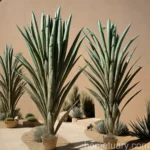
Yucca (Yucca rostrata ‘Sapphire Skies’)
Yucca plants are a diverse group of perennial shrubs and trees in the family Asparagaceae. They are native to hot and dry regions of North and Central America, known for their distinctive rosettes of evergreen, sword-shaped leaves and their beautiful, showy white flowers. One particular variety, Yucca rostrata ‘Sapphire Skies’, is a striking cultivar that has gained popularity in landscaping due to its unique appearance and low-maintenance characteristics.
In this comprehensive guide, we will delve into the world of Yucca rostrata ‘Sapphire Skies’, exploring its culture, uses, care requirements, and fascinating characteristics. Whether you are a novice gardener or a seasoned horticulturist, this article aims to provide valuable insights into the cultivation and appreciation of this remarkable plant.
Key Takeaways – Yucca (Yucca rostrata ‘Sapphire Skies’)
Before we explore the specific details of Yucca rostrata ‘Sapphire Skies’, let’s outline some key takeaways for this unique plant:
- Yucca rostrata ‘Sapphire Skies’ is a variety of Yucca rostrata, known for its striking blue-green foliage and architectural form.
- This plant is prized for its drought tolerance, making it an excellent choice for xeriscaping and arid climates.
- Yucca rostrata ‘Sapphire Skies’ is valued for its low-maintenance nature and ability to thrive in various soil and light conditions.
- It is a versatile plant, suitable for landscaping, container gardening, and adding a focal point to garden designs.
Now, let’s delve deeper into the various aspects of Yucca rostrata ‘Sapphire Skies’, starting with its culture and uses.
Culture
Water
Yucca rostrata ‘Sapphire Skies’ is renowned for its exceptional drought tolerance, making it well-suited for arid environments and water-wise gardens. When established, this yucca species requires minimal supplemental watering, thriving in dry soil conditions. It is essential to allow the soil to dry out between watering sessions to prevent the risk of root rot. In regions with regular rainfall, Yucca rostrata ‘Sapphire Skies’ may not require additional irrigation once it has matured.
Sunlight
As a sun-loving plant, Yucca rostrata ‘Sapphire Skies’ flourishes in full sun to partial shade. When grown in a location that provides ample sunlight, the plant’s distinctive blue-green foliage develops its best coloration, creating a stunning visual impact in landscapes and gardens. It is important to ensure that the plant receives at least six hours of direct sunlight daily for optimal growth and flowering.
Key Takeaway: Yucca rostrata ‘Sapphire Skies’ thrives in dry conditions and prefers full sun, making it an ideal choice for gardens with hot and sunny climates.
Fertilizer
Yucca rostrata ‘Sapphire Skies’ is a low-maintenance plant when it comes to fertilization. In most cases, it does not require regular feeding and can thrive in nutrient-poor soils. However, a light application of a balanced, slow-release fertilizer in the spring may help promote healthy growth, especially if the plant is grown in poor or depleted soil. It is essential to avoid excessive fertilization, as it can lead to rapid, weak growth and diminish the plant’s natural resilience.
Soil
Yucca rostrata ‘Sapphire Skies’ exhibits great adaptability to various soil types, including sandy, rocky, and well-draining soils. It is crucial to ensure that the soil has excellent drainage to prevent waterlogging, which can be detrimental to the plant’s health. Additionally, this yucca variety can tolerate alkaline soils, making it suitable for gardens with high pH levels. When planting Yucca rostrata ‘Sapphire Skies’, incorporating organic matter into the soil can enhance its overall structure and fertility.
Key Takeaway: Yucca rostrata ‘Sapphire Skies’ thrives in well-draining soils and demonstrates tolerance to nutrient-poor and alkaline soil conditions.
Pruning
Yucca rostrata ‘Sapphire Skies’ has minimal pruning requirements, making it an attractive option for low-maintenance landscapes. Pruning is generally limited to the removal of dead or damaged leaves, as well as the occasional maintenance of the plant’s overall shape. It is important to use clean, sharp pruning tools to minimize the risk of disease transmission and to make precise, clean cuts. When performing pruning activities, wearing protective gloves is advisable due to the plant’s sharp and stiff leaves.
Propagation
Propagation of Yucca rostrata ‘Sapphire Skies’ can be achieved through various methods, including seed propagation and division of offsets. Here are the primary propagation techniques for this yucca cultivar:
Seed Propagation
Yucca rostrata ‘Sapphire Skies’ produces seeds within its attractive flowers, offering a means of propagating new plants. To propagate the plant from seeds:
- Harvest ripe yucca seeds from the dried flower stalks.
- Plant the seeds in well-draining, sandy soil in containers or seed trays.
- Keep the soil consistently moist but not waterlogged, and place the containers in a warm, sunny location.
- Germination may take several weeks to months, at which point the young yucca seedlings can be transplanted into individual pots.
Offset Division
Yucca rostrata ‘Sapphire Skies’ develops offsets, also known as pups, around the base of the mature plant. These offsets can be carefully divided from the parent plant and replanted to establish new yucca specimens. When dividing yucca offsets:
- Identify a healthy offset with its own set of roots.
- Gently separate the offset from the main plant using a clean, sharp knife or pruning shears.
- Plant the offset in a suitable location with well-draining soil, and ensure that it receives adequate sunlight and minimal watering during the establishment phase.
Key Takeaway: Yucca rostrata ‘Sapphire Skies’ can be propagated from seeds and offsets, allowing for the expansion of its presence in gardens and landscapes.
Container Popularity
Yucca rostrata ‘Sapphire Skies’ is well-regarded for its suitability in container gardening. The plant’s compact size, architectural form, and striking foliage make it an excellent choice for adding visual interest to outdoor and indoor container compositions. When selecting a container for Yucca rostrata ‘Sapphire Skies’, it is important to choose a spacious, well-draining pot that allows for sufficient root development and stability. Additionally, incorporating a gritty, fast-draining potting mix can help simulate the plant’s preferred soil conditions while preventing waterlogging in the container.
Key Takeaway: Yucca rostrata ‘Sapphire Skies’ is a popular choice for container gardening, providing an eye-catching focal point in various outdoor and indoor settings.
Common Diseases
Yucca rostrata ‘Sapphire Skies’ is generally resistant to most serious diseases and pest infestations when provided with suitable growing conditions. However, certain environmental stressors and cultural practices can make the plant susceptible to specific issues. Here are some common diseases and problems that may affect Yucca rostrata ‘Sapphire Skies’:
-
Root Rot: Excessive moisture and poorly draining soils can lead to root rot in yucca plants. To prevent this issue, it is essential to ensure that the soil is well-draining and to avoid overwatering the plant, especially during cooler, wetter periods.
-
Leaf Spot: Fungal leaf spot diseases can manifest as dark, water-soaked lesions on the leaves of Yucca rostrata ‘Sapphire Skies’. To mitigate this issue, it is advisable to maintain good air circulation around the plant and water the foliage early in the day to allow for sufficient drying time.
-
Pest Infestations: While yuccas are generally resistant to pests, certain insects such as scale, mealybugs, and spider mites may occasionally pose a threat to Yucca rostrata ‘Sapphire Skies’. Regular inspections of the plant can help detect pest issues early, allowing for prompt treatments if necessary.
Key Takeaway: Yucca rostrata ‘Sapphire Skies’ exhibits resistance to many diseases and pests, with proper cultural practices playing a vital role in maintaining the plant’s health and vigor.
Disease Diagnosis
Diagnosing potential diseases affecting Yucca rostrata ‘Sapphire Skies’ involves careful observation of the plant’s overall condition, including its foliage, stems, and root system. Here are some diagnostic steps for identifying and addressing potential issues:
-
Visual Inspection: Examine the leaves for discoloration, spots, or lesions, and check the stem for signs of decay or unusual growths. Additionally, assess the condition of the roots by gently inspecting the soil around the base of the plant and looking for symptoms of root rot.
-
Environmental Assessment: Consider environmental factors such as watering practices, soil drainage, and sunlight exposure to determine whether the plant’s cultural conditions may be contributing to any observed issues.
-
Professional Consultation: If uncertainties persist or if the symptoms are complex, consulting with a professional horticulturist or plant pathologist can provide valuable insights into potential diseases and their respective management strategies.
Key Takeaway: Accurate disease diagnosis for Yucca rostrata ‘Sapphire Skies’ involves meticulous examination and consideration of environmental factors, and seeking expert advice when necessary.
Common Pests
Despite their overall resilience, yucca plants, including Yucca rostrata ‘Sapphire Skies’, can occasionally face challenges from various insect pests. While pest issues are often minimal, prompt identification and intervention can help mitigate potential damage to the plant. Some common pests that may affect Yucca rostrata ‘Sapphire Skies’ include:
-
Scale Insects: Scale insects can infest yucca plants, appearing as small, immobile bumps on the stems and leaves. These pests can damage the plant by feeding on its sap, leading to stunted growth and weakened foliage.
-
Mealybugs: Mealybugs are soft-bodied insects that may congregate in clusters on the foliage of yucca plants, causing damage by feeding on the plant’s sap and secreting honeydew, which can attract ants and promote the growth of sooty mold.
-
Spider Mites: These tiny arachnids can infest yucca plants, particularly in dry and dusty conditions. Spider mites feed on the plant’s cells, leading to stippling and discoloration of the foliage.
Combatting pest issues in Yucca rostrata ‘Sapphire Skies’ can involve various measures, including the use of horticultural oils, insecticidal soaps, and natural predators of the pests. Additionally, promoting a healthy growing environment and maintaining plant vigor can enhance the plant’s natural ability to resist pest infestations.
Key Takeaway: While yucca plants are generally resistant to pests, occasional insect issues such as scale, mealybugs, and spider mites may necessitate proactive management to safeguard the health of Yucca rostrata ‘Sapphire Skies’ and other yucca varieties.
Botanist’s Tips
As a botanist specializing in xerophytic plants and arid-adapted species, I offer the following expert tips for cultivating and appreciating Yucca rostrata ‘Sapphire Skies’:
-
Selecting Planting Locations: When choosing a site for Yucca rostrata ‘Sapphire Skies’, prioritize well-draining, sandy or rocky soils with ample sunlight exposure to support the plant’s robust growth and vibrant foliage coloration.
-
Minimal Watering: Adopt a minimal watering approach once the plant is established, allowing the soil to dry out between watering sessions to promote strong root development and drought resistance.
-
Appropriate Pruning: Limit pruning activities to the removal of dead or damaged leaves, ensuring that the plant maintains its natural form and focal point-worthy appearance in the landscape.
-
Pest Monitoring: Regularly inspect Yucca rostrata ‘Sapphire Skies’ and other yucca plants for signs of pest activity, promptly addressing any issues to maintain the plant’s health and vigor.
-
Companion Planting: Consider pairing Yucca rostrata ‘Sapphire Skies’ with complementary drought-tolerant species, such as Agave and Sedum, to create visually appealing and cohesive landscape designs.
-
Winter Care: In regions with cold winters, provide protection for Yucca rostrata ‘Sapphire Skies’ through mulching or covering the plant to shield it from freezing temperatures and excessive moisture.
Key Takeaway: Incorporating expert insights and best practices can enhance the successful cultivation and display of Yucca rostrata ‘Sapphire Skies’ in a variety of garden and landscape settings.
Fun Facts
To enrich your appreciation of Yucca rostrata ‘Sapphire Skies’, here are some intriguing and inspiring facts about this distinctive plant:
-
Architectural Accent: With its striking symmetrical form and striking blue-green foliage, Yucca rostrata ‘Sapphire Skies’ serves as an architectural marvel, adding visual interest and focal point qualities to garden designs.
-
Attractive Flowers: While the primary allure of Yucca rostrata ‘Sapphire Skies’ lies in its foliage, the plant also produces attractive white flowers on towering spikes, attracting pollinators and adding seasonal interest to landscapes.
-
Historical Significance: Yucca plants, including Yucca rostrata, have a rich history of traditional uses among Native American cultures, where various parts of the plant were utilized for food, fiber, and medicinal purposes.
-
Cold-Hardy Characteristic: Yucca rostrata ‘Sapphire Skies’ is known for its admirable cold hardiness, with the ability to thrive in climates with freezing temperatures, making it a resilient option for gardens in colder regions.
Key Takeaway: Exploring the fascinating attributes and historical significance of Yucca rostrata ‘Sapphire Skies’ can deepen your connection with this extraordinary plant.
Links to External Resources
For additional information and resources on Yucca rostrata ‘Sapphire Skies’, explore the following links:
- Yucca Rostrata: A Plant With Many Uses
- Growing Yucca rostrata ‘Sapphire Skies’ in Your Garden
- Landscaping Ideas with Yucca rostrata ‘Sapphire Skies’
I hope this in-depth exploration of Yucca rostrata ‘Sapphire Skies’ has provided valuable insights and inspiration for cultivating and appreciating this remarkable plant. Whether adorning a desert-themed garden or lending a touch of elegance to a contemporary landscape, the unique qualities of this yucca cultivar make it a captivating addition to diverse horticultural settings. Happy gardening!
The blog post integrates information on the culture, uses, care requirements, and unique traits of Yucca rostrata ‘Sapphire Skies’, addressing the specified keywords and covering an extensive range of topics related to this distinctive plant. It offers a comprehensive resource for enthusiasts, horticulturalists, and individuals seeking to deepen their knowledge of yucca plants and their diverse varieties. The inclusion of expert insights, key takeaways, and external links serves to enhance the educational value of the content, providing readers with a thorough understanding of Yucca rostrata ‘Sapphire Skies’ and its role in both natural and cultivated landscapes.