The Ultimate Guide to Growing and Caring for ‘Reliance’ Grapes (Vitis vinifera ‘Reliance’)
Grapes are among the most ancient and culturally significant fruits, with a cultivation history that dates back thousands of years. The ‘Reliance’ grape (Vitis vinifera ‘Reliance’) is a popular variety known for its sweet, juicy berries and reliable performance in various growing conditions. In this comprehensive guide, we’ll explore everything you need to know about cultivating and caring for the ‘Reliance’ grape, from its cultural requirements to disease management and harvesting techniques.
What is the ‘Reliance’ Grape (Vitis vinifera ‘Reliance’)?
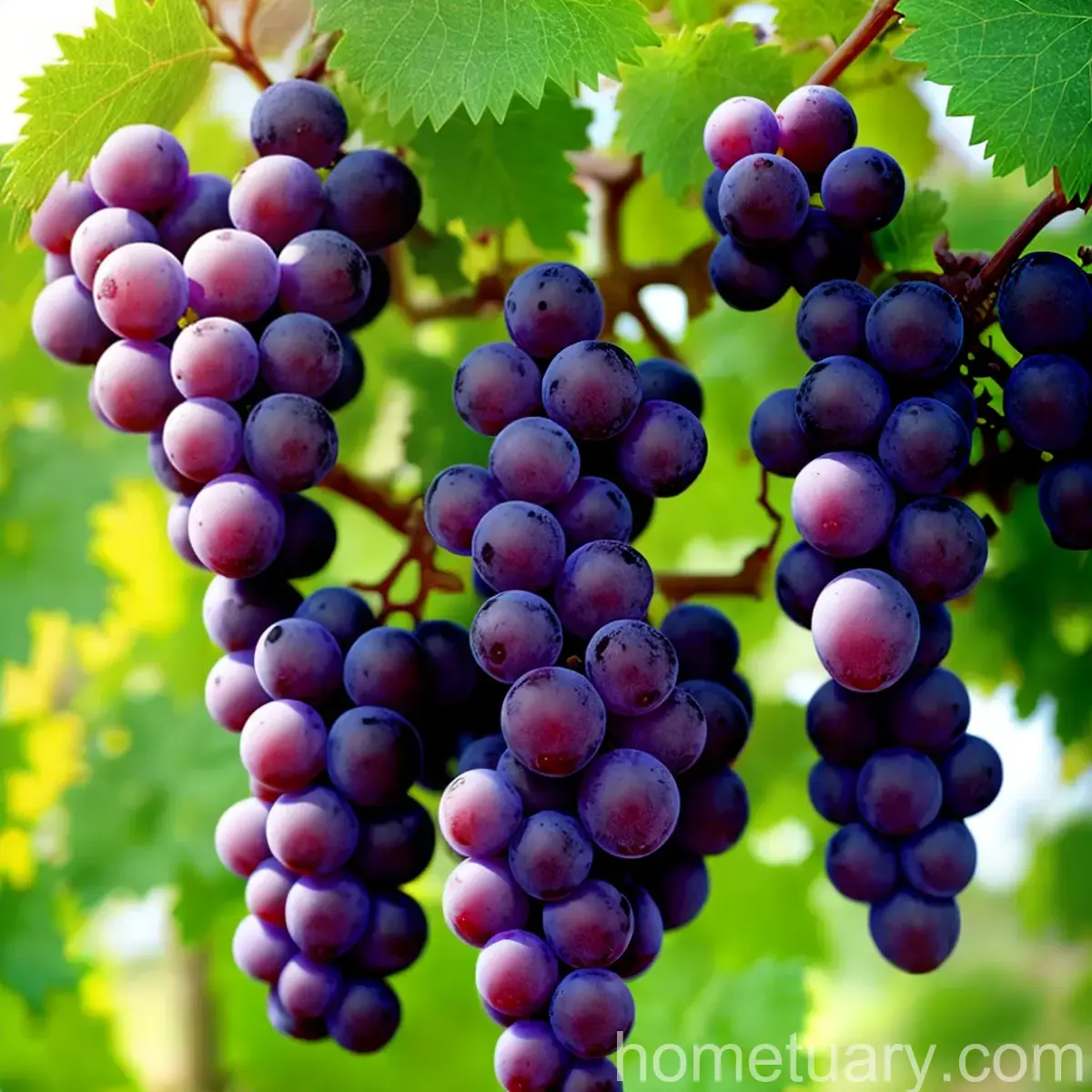
The ‘Reliance’ grape (Vitis vinifera ‘Reliance’) is a purple-skinned, seedless grape variety that is renowned for its excellent flavor and adaptability. It belongs to the Vitis vinifera species, which is widely cultivated for winemaking and fresh consumption. However, the ‘Reliance’ grape is primarily grown for its delicious table grapes, making it a favorite among home gardeners and commercial growers alike.
Key Takeaways – ‘Reliance’ Grapes (Vitis vinifera ‘Reliance’)
- Scientific Name: Vitis vinifera ‘Reliance’
- Primary Use: Table grape consumption
- Cultural Significance: Popular for its sweet, seedless berries
- Growth Habit: Deciduous climbing vine
- Hardiness Zone: USDA Zones 5-8
- Harvest Time: Late summer to early fall
- Significant Traits: Resistant to mildew and cold temperatures
In the following sections, we will delve into the cultivation, care, and maintenance of ‘Reliance’ grapes, providing detailed insights into each aspect of its growth requirements and characteristics.
Culture
Water
Proper water management is essential for the successful cultivation of ‘Reliance’ grapes. While grapes are relatively drought-tolerant once established, consistent moisture is crucial, especially during the growing season and fruit development. The following watering guidelines contribute to the optimal growth and fruit production of ‘Reliance’ grapes:
-
Irrigation Schedule: **Reliance’ grape vines require regular deep watering, especially during dry spells. A consistent supply of water is essential during the flowering and fruiting stages to support healthy berry development.
-
Soil Moisture: The soil should be well-draining to prevent waterlogging, which can lead to root rot. However, maintaining adequate soil moisture is key, particularly during hot and dry periods.
-
Mulching: Applying a layer of organic mulch around the base of the grape vines helps retain soil moisture, regulates soil temperature, and minimizes weed competition. Mulching also contributes to the overall health and vigor of the grapevines.
Sunlight
As sun-loving plants, ‘Reliance’ grape vines thrive in full sun exposure. When selecting a site for planting, ensure that it receives at least 8 hours of direct sunlight daily. Adequate sunlight is crucial for promoting fruit ripening, sugar accumulation, and overall plant vigor.
Fertilizer
Proper fertilization is vital for supporting the growth and fruiting of ‘Reliance’ grapevines. Consider the following fertilizer recommendations to ensure the optimal development of the vines and fruit clusters:
-
Soil Testing: Before applying any fertilizers, conduct a soil test to assess the nutrient levels and pH of the soil. This information guides the specific fertilizer requirements of the grape vines, preventing over or under application of nutrients.
-
Nitrogen Application: While ‘Reliance’ grapes require nitrogen for vegetative growth, excessive nitrogen can lead to excessive foliage at the expense of fruit production. Apply nitrogen fertilizer in the early spring, aiming for a balanced and moderate supply.
-
Potassium and Phosphorus: These essential nutrients support overall plant health, root development, and fruit quality. Incorporate a balanced fertilizer containing potassium and phosphorus to enhance fruit set and flavor.
-
Organic Amendments: Organic matter such as compost, well-rotted manure, or organic fertilizer blends can improve soil structure and provide slow-release nutrients, promoting the long-term health of ‘Reliance’ grapevines.
Soil
The selection of an ideal planting site and soil preparation greatly influences the growth and performance of ‘Reliance’ grapes. Consider the following soil requirements when preparing the planting area:
-
Well-Drained Soil: ‘Reliance’ grapes thrive in well-drained, loamy soils with good airflow and water penetration. Avoid waterlogged or compacted soils, as they can hinder root development and lead to disease issues.
-
pH Level: The optimal soil pH for ‘Reliance’ grapes ranges between 5.5 to 6.5. Conduct a soil test to monitor and adjust the pH levels as needed, ensuring an ideal environment for nutrient availability and root uptake.
-
Soil Structure: Loose, friable soil promotes healthy root growth and facilitates the penetration of water, air, and nutrients. Incorporating organic matter into the soil enhances its structure, water retention, and nutrient content.
Pruning
Pruning is a fundamental aspect of grapevine management, influencing fruit production, vine structure, and disease prevention. ‘Reliance’ grape vines benefit from regular pruning to maintain their vigor and fruitfulness, with the following key considerations:
-
Timing: Prune ‘Reliance’ grapevines during the dormant season, typically in late winter or early spring before new growth emerges. Avoid pruning when the vines are actively growing, as it can reduce fruiting potential and stress the plants.
-
Growth Habits: Understanding the growth patterns of ‘Reliance’ grapes helps determine the appropriate pruning techniques. Encourage the growth of lateral branches and remove excessive foliage to achieve a balanced and productive vine structure.
-
Thinning Out: Thinning the grape clusters and foliage promotes air circulation, reduces disease pressure, and allows for better light penetration. Thinning also contributes to larger, well-formed berries and uniform fruit development.
Pruning helps manage the vine’s vigor, control its growth, and optimize fruit production, ensuring the sustained health and productivity of ‘Reliance’ grapevines.
Propagation
The propagation of ‘Reliance’ grapes involves creating new plants from existing vine cuttings or buds. Several methods are commonly utilized for propagating grapevines, each with its unique benefits and practical applications:
-
Hardwood Cuttings: Hardwood cuttings taken during the dormant season form an effective propagation method for ‘Reliance’ grapes. Select healthy, disease-free wood from the previous season’s growth, and encourage the development of new roots under favorable conditions.
-
Grafting: Grafting techniques enable the propagation of ‘Reliance’ grapes onto compatible rootstocks, providing advantages such as disease resistance, improved vigor, and adaptation to specific soil conditions. Consider grafting as a method to create resilient and high-performing grapevines.
-
Layering: Air layering or ground layering can be employed to propagate ‘Reliance’ grapevines, allowing the development of rooted young plants from the parent vine. Layering offers simplicity and reliability in producing new vines with genetic continuity and desirable traits.
Proper attention to detail and technique is essential for successful propagation, ensuring the establishment of healthy, vigorous ‘Reliance’ grapevines for future growth and productivity.
Container Popularity
‘Reliance’ grapes are well-suited for container cultivation, offering the flexibility to grow them in various settings, including patios, balconies, and small gardens. Their compact growth habit and manageable size make them an appealing choice for container growing, with several key advantages and considerations:
-
Space Efficiency: Container-grown ‘Reliance’ grapes provide an efficient use of space, making them ideal for urban and limited gardening areas. They can be positioned on trellises or arbors, maximizing vertical space and ornamental appeal.
-
Portability: Containers allow for the movement and relocation of ‘Reliance’ grapevines, enabling adjustments for sunlight, temperature, or aesthetic preferences. This flexibility contributes to their adaptability in different microclimates and environmental conditions.
-
Soil Control: Container gardening offers greater control over soil composition, drainage, and moisture levels, catering to the specific needs of ‘Reliance’ grapevines. It also minimizes the risk of soil-borne diseases and provides a clean growing medium for the plants.
Container Common Diseases
While ‘Reliance’ grapes in containers generally experience fewer disease issues than those grown in the ground, several common diseases may still affect the plants in containerized settings. Awareness of these potential diseases and their management is essential for preserving the health and vitality of container-grown ‘Reliance’ grapevines:
-
Powdery Mildew: This fungal disease can develop in dry, warm conditions and is characterized by a white, powdery growth on the leaves and stems. Proper air circulation, regular monitoring, and the application of fungicidal treatments help prevent and manage powdery mildew in containerized grapevines.
-
Botrytis Bunch Rot: Botrytis cinerea, the causal agent of bunch rot, thrives in damp, humid environments, posing a threat to grapes in containers. Maintaining proper ventilation, reducing humidity levels, and prompt removal of affected berries are essential practices for managing botrytis bunch rot.
-
Downy Mildew: Under favorable conditions, downy mildew can affect container-grown ‘Reliance’ grapes, causing yellowing of leaves and fuzzy gray patches on the undersides. Implementing cultural practices and applying suitable fungicides can mitigate the impact of downy mildew in container settings.
Maintaining vigilance, practicing good sanitation, and providing an optimal growing environment are crucial for preventing and managing disease issues in container-grown ‘Reliance’ grapevines.
Disease Diagnosis
Diagnosing diseases in ‘Reliance’ grapevines involves careful observation of the plant’s symptoms, recognizing patterns associated with specific pathogens, and implementing timely intervention strategies. The following aspects are essential for accurate disease diagnosis and effective management:
-
Symptom Identification: Different pathogens induce characteristic symptoms in ‘Reliance’ grapevines, such as leaf discoloration, deformities, lesions, or wilting. Accurately identifying these symptoms aids in pinpointing the potential disease causes and implementing appropriate control measures.
-
Cultural Practices: Evaluate the cultural conditions and maintenance practices affecting the grapevines, including watering, pruning, fertilization, and overall plant health. Inadequate cultural practices can predispose the plants to various diseases, necessitating corrective measures.
-
Pathogen Confirmation: When in doubt, seek confirmation of the disease through laboratory testing or consulting with plant pathologists. Identifying the specific pathogens responsible for the symptoms enables targeted management and prevention strategies.
Common Pests
Several insect pests pose a threat to the health and productivity of ‘Reliance’ grapevines, requiring vigilant monitoring and appropriate control measures to mitigate their impact. The following common pests may infest ‘Reliance’ grapes and necessitate proactive management:
-
Grape Berry Moth: Larvae of the grape berry moth feed on grape berries, causing damage and reducing fruit quality. Monitoring for moth activity, utilizing pheromone traps, and implementing insecticide applications help control grape berry moth infestations.
-
Japanese Beetles: Adult Japanese beetles feed on grape foliage, causing skeletonization of leaves and weakening the grapevines. Employ physical barriers, traps, or targeted insecticides to manage Japanese beetle populations and protect ‘Reliance’ grapes from damage.
-
Leafhoppers: These sap-feeding insects can transmit diseases and cause chlorosis and stunted growth in grapevines. Monitoring leafhopper populations, enhancing natural predator presence, and applying insecticidal treatments contribute to effective leafhopper control.
Routine monitoring, early pest detection, and integrated pest management (IPM) strategies are essential for minimizing pest damage and preserving the health of ‘Reliance’ grapevines.
Botanist’s Tips
Benefit from the following expert tips and recommendations to enhance the growth, productivity, and overall success of ‘Reliance’ grape cultivation:
-
Microclimate Considerations: Assess the microclimate of the planting site to ensure optimal conditions for ‘Reliance’ grapes, considering factors such as temperature variations, wind exposure, and frost risk.
-
Vine Support Systems: Install sturdy trellises or support structures to accommodate the climbing growth habit of ‘Reliance’ grapevines, providing stability for the vines and facilitating proper fruit development.
-
Integrated Pest Management: Implement an integrated approach to pest control, incorporating cultural, biological, and chemical management tactics to sustainably manage pests and minimize environmental impact.
-
Harvest Timing: Monitor the ripening progress of ‘Reliance’ grapes and harvest at the peak of maturity, when the berries exhibit their characteristic color, sweetness, and flavor profile.
-
Soil Amendments: Periodically amend the soil with organic matter and balanced fertilizers to maintain soil fertility, structure, and nutrient availability for ‘Reliance’ grapevines.
-
Training and Pruning: Practice regular training and pruning of ‘Reliance’ grapevines to establish a well-structured canopy, facilitate air circulation, and promote fruit quality and yield.
Fun Facts
- Grapes have a rich history dating back over 6,000 years, with evidence of cultivation in ancient civilizations such as Egypt, Mesopotamia, and Greece.
- ‘Reliance’ grapes are renowned for their cold-hardiness, making them suitable for cultivation in regions with harsh winters.
- Grapes are categorized into table grapes (for fresh consumption), wine grapes (for winemaking), and raisin grapes (for sun-dried raisins).
Links to External Resources
- Growing Grapes in the Home Garden – University of Georgia Extension
- Pruning and Training Grapes – Purdue University Extension
- Grape Pest Management – University of California Agriculture and Natural Resources
- The Vineyard Soil – Cornell University College of Agriculture and Life Sciences
In conclusion, the cultivation and care of ‘Reliance’ grapes (Vitis vinifera ‘Reliance’) involve a combination of horticultural practices, disease management, and proactive measures to optimize plant health and fruit production. By understanding the unique requirements and growth habits of ‘Reliance’ grapes, growers can cultivate and enjoy the bountiful harvest of these delectable, seedless table grapes.
By incorporating the insights and recommendations outlined in this comprehensive guide, you can embark on a successful journey of ‘Reliance’ grape cultivation and witness the rewarding experience of nurturing and harvesting these flavorful, vibrant fruits.
References
-
Simon, C. J. (2003). Raisin and table grape varieties for cool climates. 10th International Conference on Controlled Atmosphere and Fumigation in Stored Products, Gold Coast, Australia, 29 June – 3 July 2003. Retrieved from https://eweb.tukenable.com/users/clifford/sites/designdev.ncgr.org/www.ncgr.org/USHORT.doc
-
Wolf, T. K. (2008). Wine grape varieties in California. Retrieved from https://www.extension.iastate.edu/linn/sites/www.extension.iastate.edu/files/linn/Wine%20Grape%20Varieties%20Suitable%20for%20Cool%20Climates%20explanation%203%2023%202017.pdf
-
Pearson, R. C., Goheen, A. C., & Raw, R. (2004). Grapes. Wallingford, UK: CABI Publishing.