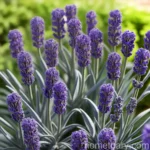
Spanish Lavender (Lavandula stoechas ‘Bandera Deep Rose’) – An In-depth Plant Profile
The Spanish lavender (Lavandula stoechas ‘Bandera Deep Rose’) is an exquisite and captivating flowering plant renowned for its vibrant and aromatic blooms. With its unique characteristics and versatile uses, this plant has garnered significant attention from gardeners and horticulturists alike. In this detailed plant profile, we will explore the various facets of the Spanish lavender, including its cultural requirements, medicinal uses, landscaping potential, propagation techniques, and much more.
What is Spanish Lavender (Lavandula stoechas ‘Bandera Deep Rose’)?
The Spanish lavender, scientifically known as Lavandula stoechas ‘Bandera Deep Rose’, represents a notable cultivar within the Lavandula stoechas species. This perennial plant belongs to the Lamiaceae family and is native to the Mediterranean region, thriving in warm, sunny climates with well-drained soil. Its distinctive feature is the conspicuous deep rose-colored flower spikes adorned with tufted bracts, creating an alluring and visually striking display. This aromatic herbaceous plant is favored for its fragrant flowers and foliage, making it a popular choice for ornamental, culinary, and medicinal purposes.
Lavender Bandera Deep Rose is esteemed for its remarkable adaptability and resilience, allowing it to thrive in various environments ranging from household gardens to commercial landscapes. The plant’s exceptional versatility and diverse applications have contributed to its widespread cultivation and admiration.
Key Takeaways – Spanish Lavender (Lavandula stoechas ‘Bandera Deep Rose’)
Before delving into the specific aspects of the Spanish lavender, let’s summarize the key takeaways that will be comprehensively explored in this plant profile:
-
Cultural Requirements
- Water
- Sunlight
- Fertilizer
- Soil
-
Uses
- Medicinal
- Culinary
- Ornamental
- Aromatic
-
Pruning
- Techniques and Importance
-
Propagation
- Methods and Tips
-
Container Popularity
- Suitable container gardening practices
-
Common Diseases
- Identification and Management
-
Common Pests
- Recognizing and Controlling Infestations
-
Botanist’s Tips
- Expert insights and recommendations
-
Fun Facts
- Fascinating and lesser-known details about Spanish lavender
-
Links to External Resources
- Additional references and in-depth information
Culture
Water
Spanish lavender, characterized by its Mediterranean origins, displays a preference for moderate water levels, maintaining its resilience in well-drained soil while exhibiting tolerance to drought conditions. Understanding the plant’s water requirements is imperative for ensuring its optimal growth and overall health. Here’s an overview of the recommended watering practices for Lavandula stoechas ‘Bandera Deep Rose’:
-
Established Plants: Once the Spanish lavender is established, it is essential to allow the soil to dry between watering sessions. Overwatering may lead to root rot, which can significantly impede the plant’s vigor.
-
Young Plants: During the initial stages of growth, it is vital to provide regular watering, ensuring that the soil remains consistently moist but not waterlogged.
-
Watering Frequency: As a general guideline, aim to water the plant every 7-10 days, adjusting the frequency based on specific environmental conditions and soil moisture levels.
-
Drought Tolerance: Spanish lavender exhibits notable drought tolerance once matured, making it an ideal choice for landscapes subjected to arid or semi-arid climates. Its ability to thrive in relatively dry conditions contributes to its popularity in xeriscaping and water-efficient garden designs.
-
Watering Considerations: When watering Spanish lavender, direct the water towards the base of the plant, avoiding wetting the foliage excessively, as moisture on the leaves can potentially lead to fungal issues.
Sunlight
Unsurprisingly, sunlight plays a pivotal role in the development and blooming of Lavandula stoechas ‘Bandera Deep Rose’. As a sun-loving plant, it flourishes in bright, full sunlight, benefiting from at least 6-8 hours of direct sun exposure daily. Adequate sunlight promotes robust growth and enhances the plant’s aromatic and visual appeal. When considering the placement of Spanish lavender in the garden or landscape, here are vital sunlight-related considerations to bear in mind:
-
Optimal Sun Exposure: Select an area in the garden or landscape that receives ample sunlight throughout the day. South-facing or west-facing locations are generally favorable for ensuring the plant’s light requirements are met.
-
Sun and Shade Balance: While Spanish lavender thrives in full sunlight, it can tolerate partial shade, particularly in regions with intense summer heat. Providing some afternoon shade can be beneficial in mitigating potential stress on the plant during hot periods.
-
Sunlight and Flowering: Adequate sunlight is instrumental in promoting abundant and vibrant blooms in Lavandula stoechas ‘Bandera Deep Rose’. Insufficient light exposure may lead to reduced flowering and diminished overall vigor.
-
Winter Sunlight: In cooler climates, it is essential to ensure that Spanish lavender receives sufficient sunlight during the winter months, as inadequate light exposure can compromise its cold tolerance and overall health.
Fertilizer
Fertilization practices play a crucial role in supporting the growth, blooming, and overall vitality of Spanish lavender. By providing the plant with essential nutrients, gardeners can enhance its resilience, promote prolific flowering, and foster robust foliage. When implementing a fertilization regimen for Lavandula stoechas ‘Bandera Deep Rose’, consider the following recommendations:
-
Frequency: Fertilize Spanish lavender in the early spring, just as new growth emerges, and refrain from applying additional fertilizer during the growing season. Over-fertilization can lead to excessive foliage growth at the expense of blooms.
-
Fertilizer Type: Utilize a balanced, slow-release fertilizer specifically formulated for flowering perennials. Opt for a formulation with a higher phosphorus content to encourage abundant flower production.
-
Application Method: Apply the fertilizer around the base of the plant, ensuring that it does not come into direct contact with the foliage. Lightly incorporate the fertilizer into the soil and water thoroughly to facilitate nutrient uptake.
-
Organic Options: Consider incorporating organic fertilizers such as well-aged compost or compost tea to provide a gentle and sustainable nutrient boost to the soil. These organic amendments contribute to soil health and microbial activity, fostering a favorable environment for the Spanish lavender’s development.
-
Avoid Overfeeding: Exercise restraint in fertilization, as excessive nutrient levels can lead to imbalanced growth and diminished flowering. Adhering to a conservative fertilization approach aligns with the plant’s preferences and promotes natural, sustainable growth patterns.
Soil
The soil composition and quality profoundly influence the growth, health, and flowering capacity of Spanish lavender. Lavandula stoechas ‘Bandera Deep Rose’ thrives in well-drained, moderately fertile soil with a slightly alkaline to neutral pH. Consider the following soil-related guidelines when cultivating this captivating lavender variety:
-
Drainage: Prioritize well-drained soil to prevent waterlogging, as excessive moisture can lead to root rot and other detrimental conditions. Incorporating organic matter such as compost or peat moss into heavy clay soils improves drainage and enhances soil structure.
-
pH Level: Spanish lavender exhibits a preference for slightly alkaline to neutral soil, with a pH range of 6.7 to 7.3 being ideal. Conduct a soil test to assess the pH of the planting site, and amend the soil as necessary to achieve the desired pH range.
-
Soil Amendments: When preparing the planting area for Spanish lavender, amend the soil with perlite or coarse sand to enhance drainage and aeration. These amendments facilitate root health and minimize the risk of waterlogged conditions.
-
Soil Texture: The ideal soil texture for Lavandula stoechas ‘Bandera Deep Rose’ is well-drained and friable, promoting healthy root development and preventing moisture-related issues. Sandy loam or loamy soil types are well-suited for this resilient plant.
-
Soil Moisture: While adequate drainage is essential, it is prudent to ensure that the soil maintains sufficient moisture to support the plant’s growth, particularly during the establishment phase and periods of active growth.
Uses
Ornamental Value
Spanish lavender (Lavandula stoechas ‘Bandera Deep Rose’) captivates with its ornamental charm, boasting vivacious blooms and aromatic foliage that elevate garden beds, borders, and containers. This esteemed variety lends a touch of elegance and allure to diverse garden settings, contributing to vibrant and visually captivating landscapes. When considering the ornamental uses of the Bandera Deep Rose lavender, several key factors underscore its appeal as an ornamental centerpiece in landscapes and gardens:
-
Flower Aesthetics: The striking deep rose-colored flower spikes, adorned with showy bracts, make Lavandula stoechas ‘Bandera Deep Rose’ a standout feature in garden designs, offering an exceptional visual impact and captivating allure.
-
Attractive Foliage: The plant’s evergreen foliage, characterized by narrow, gray-green leaves, adds texture and visual interest to garden beds and containers, enriching the overall aesthetic appeal of the planted area.
-
Pollinator Magnet: Spanish lavender entices a myriad of pollinators, including butterflies, bees, and beneficial insects, contributing to the ecological balance of the garden while enhancing its dynamic and lively ambiance.
-
Landscape Complement: Whether employed as a focal point in a garden bed or utilized for creating cheerful borders and edgings, the Bandera Deep Rose lavender harmonizes with a spectrum of companion plants, offering versatility and vigor in diverse landscape settings.
Medicinal and Aromatic Uses
In addition to its ornamental allure, Lavandula stoechas ‘Bandera Deep Rose’ is prized for its aromatic and medicinal properties, bestowing an array of potential health benefits and sensory indulgence. The plant’s fragrant blossoms and foliage encapsulate its medicinal and aromatic potential, serving as a wellspring of rejuvenating and therapeutic delights:
-
Aromatherapy: The fragrant blooms and foliage of Spanish lavender emit a captivating and soothing aroma, rendering them invaluable as aromatic accents in potpourri, sachets, and scented crafts. The essential oils derived from the plant find extensive use in aromatherapy and perfumery, offering stress-relieving and mood-enhancing qualities.
-
Medicinal Efficacy: Spanish lavender harbors notable medicinal attributes, with its essential oil demonstrating antiseptic, anti-inflammatory, and calming properties. The plant’s essential oil is utilized in various therapeutic applications, including soothing minor skin irritations, alleviating headaches, and promoting relaxation.
-
Herbal Infusions: The dried flowers and leaves of Lavandula stoechas ‘Bandera Deep Rose’ can be infused to create fragrant and flavorful herbal teas, accentuating its versatile appeal as a culinary and wellness resource.
Culinary Delights
Beyond its ornamental and aromatic contributions, Spanish lavender imparts an intriguing and delectable dimension to culinary endeavors, infusing dishes and beverages with its distinctive floral and herbal notes. When exploring the culinary potential of Lavandula stoechas ‘Bandera Deep Rose’, an array of delightful applications emerges, accentuating its role as a culinary gem:
-
Flavorful Enhancements: The flowers and foliage of Spanish lavender introduce a nuanced and floral essence to various culinary creations, from baked goods and confections to savory dishes and beverages, presenting an enchanting sensory experience in the realm of gastronomy.
-
Culinary Artistry: Spanish lavender serves as a versatile and captivating culinary ingredient, inspiring chefs, home cooks, and culinary enthusiasts to integrate its blossoms and leaves into an assortment of recipes, imparting a unique and luxurious character to their culinary masterpieces.
Pruning
Techniques and Importance
Pruning constitutes an integral facet of Spanish lavender care, contributing to the plant’s overall health, vigor, and aesthetic appeal. By employing appropriate pruning techniques, gardeners can bolster the plant’s vitality, stimulate robust growth, and encourage abundant flowering. Understanding the significance of pruning and adopting the proper techniques is crucial for ensuring the optimal development of Lavandula stoechas ‘Bandera Deep Rose’:
-
Pruning Objectives: The primary objectives of pruning Spanish lavender include maintaining a compact and tidy growth habit, promoting branching and bushiness, and removing spent blooms to encourage continuous flowering.
-
Pruning Timing: Spanish lavender should be pruned in the early spring, just as new growth emerges, or immediately after the blooming period. Avoid pruning during the winter months or late fall, as this can compromise the plant’s winter hardiness.
-
Pruning Method: Employ sharp, clean pruners to trim the plant, removing approximately one-third of the previous year’s growth. Focus on shaping the plant, eliminating damaged or dead wood, and ensuring an open and airy growth structure to facilitate air circulation.
-
Deadheading Flowers: Regularly deadheading spent flowers promotes prolonged flowering and prevents the formation of seed heads, redirecting the plant’s energy towards producing new blooms and sustaining its aesthetic appeal.
-
Pruning Caution: Exercise prudence when pruning Lavandula stoechas ‘Bandera Deep Rose’, as excessive or untimely pruning can hinder its flowering capacity and compromise its natural form. Prune conservatively to maintain the plant’s health and vibrancy.
Importance of Pruning
Pruning of Spanish lavender serves as a vital horticultural practice with multifaceted benefits that contribute to the plant’s overall well-being and performance. The following highlights underscore the importance of incorporating regular and judicious pruning into the care regimen of Lavandula stoechas ‘Bandera Deep Rose’:
-
Enhanced Air Circulation: Pruning encourages an open and well-ventilated growth structure, mitigating the risk of fungal diseases and promoting overall plant health.
-
Stimulated Growth: Proper pruning stimulates new growth, fostering robust and vigorous foliage and flower production while revitalizing the plant’s appearance.
-
Aesthetic Maintenance: Regular pruning preserves the plant’s aesthetic appeal, preventing it from becoming straggly and unkempt while promoting a compact and shapely growth habit.
-
Prolonged Flowering: Deadheading spent flowers through pruning extends the blooming period of Spanish lavender, allowing for continuous floral displays throughout the growing season.
-
Sustainable Health: By removing diseased, damaged, or congested growth, pruning contributes to the plant’s sustainable health and resilience, preventing the proliferation of pests and diseases.
Propagation
Methods and Tips
Propagation represents an essential aspect of plant cultivation and allows for the multiplication and dissemination of desirable plant varieties such as Lavandula stoechas ‘Bandera Deep Rose’. Understanding the techniques and considerations associated with the propagation of Spanish lavender is instrumental in expanding the plant population, establishing new plantings, and perpetuating its genetic legacy. Here, we explore the primary propagation methods and valuable tips for successfully propagating the Bandera Deep Rose lavender:
-
Seed Propagation: Spanish lavender can be propagated from seeds, although this method is less commonly utilized due to the plant’s characteristic low seed viability and variable seedling traits. When engaging in seed propagation, collect mature seeds from the plant and sow them in well-draining potting mix, maintaining consistent moisture and warmth to facilitate germination.
-
Softwood Cuttings: Softwood cuttings serve as the preferred propagation method for Spanish lavender, enabling the cultivation of genetically identical offspring and preserving the desirable traits of the parent plant. To propagate Lavandula stoechas ‘Bandera Deep Rose’ from softwood cuttings, select young and vigorous shoots, typically in late spring or early summer, and root them in a well-draining medium under controlled humidity and temperature conditions.
-
Division: The division of mature Spanish lavender plants allows for the creation of new individual specimens, facilitating the expansion of the plant population and the rejuvenation of the parent plant. Divide established clumps of Lavandula stoechas ‘Bandera Deep Rose’ in the early spring, carefully separating the root mass and ensuring the retention of healthy root segments and robust shoots.
-
Propagation Medium: Utilize a well-aerated and moisture-retentive propagation medium, such as a blend of peat moss, perlite, and vermiculite, to root softwood cuttings and support successful germination in seed propagation endeavors.
-
Rooting Hormone: When propagating Spanish lavender from cuttings, consider treating the cut ends with a rooting hormone to expedite root development and enhance the overall success rate of the propagation process.
-
Optimal Conditions: Maintain consistent moisture levels and provide mild bottom heat to encourage root initiation in propagating Spanish lavender, creating a favorable environment for successful establishment and subsequent growth.
Propagation Tips
In the pursuit of propagating Lavandula stoechas ‘Bandera Deep Rose’, several practical tips and insights can significantly contribute to the success and efficacy of the propagation process. Incorporating these tips aligns with best practices and maximizes the likelihood of achieving favorable outcomes in Spanish lavender propagation endeavors:
-
Vigorous Parent Stock: Select healthy, vigorous, and disease-free parent plants for propagation, ensuring the retention of desirable traits and promoting the genetic quality of the propagated offspring.
-
Patience and Care: Exercise patience and attentive care when propagating Spanish lavender, providing consistent nurturing and monitoring throughout the rooting and establishment phases to optimize the success rate of the propagation efforts.
-
Seasonal Considerations: Align propagation activities with the plant’s natural growth cycles, favoring spring and early summer for softwood cuttings and division activities to coincide with the plant’s peak vigor and growth potential.
-
Minimized Stress: Mitigate stress on propagated Spanish lavender by providing stable environmental conditions, avoiding extremes in temperature and moisture, and shielding the young plants from intense sunlight or harsh environmental influences.
-
Post-Propagation Care: Once Spanish lavender cuttings or divisions have rooted and established, gradually acclimate the young plants to their intended growing environment, ensuring adequate care, watering, and protection as they transition to independent growth.
Container Popularity
Spanish lavender (Lavandula stoechas ‘Bandera Deep Rose’) finds significant favor and utility in container gardening, where its compact and floriferous nature lends itself to diverse container arrangements, patios, balconies, and outdoor living spaces. The plant’s adaptability and aesthetic appeal foster its widespread popularity in container gardening, presenting an array of opportunities for expressive and versatile plant displays. Delve into the common practices and considerations associated with cultivating Bandera Deep Rose lavender in containers, and unravel the captivating potential of containerized Spanish lavender:
-
Container Selection: Opt for well-draining containers of sufficient size to accommodate the root system of Spanish lavender. Terra cotta or lightweight resin pots are often favored for their breathability and portability.
-
Growing Medium: Employ a well-draining, loamy potting mix, enriched with perlite or vermiculite to enhance aeration and moisture retention. Avoid heavy or compacted soils, as they can impede drainage and root development.
-
Sun Exposure: Position the containers in areas that receive ample sunlight, ensuring that Spanish lavender can bask in the sun’s radiance to promote robust growth and prolific flowering.
-
Watering Practices: Monitor the moisture levels in the container soil, allowing it to dry slightly between watering sessions to prevent waterlogged conditions. Adjust the frequency of watering based on environmental factors and seasonal variations.
-
Fertilization in Containers: Incorporate a balanced, slow-release fertilizer into the container soil during the growing season, providing the essential nutrients required for the vibrant growth and flowering of Spanish lavender.
-
Container Mobility: Leverage the portability of container-grown Spanish lavender to orchestrate