Solomon’s Seal (Polygonatum ‘Prince Charming’)
As a plant scientist with a passion for ornamental plants, I am excited to delve into the captivating world of Solomon’s seal, specifically the ‘Prince.
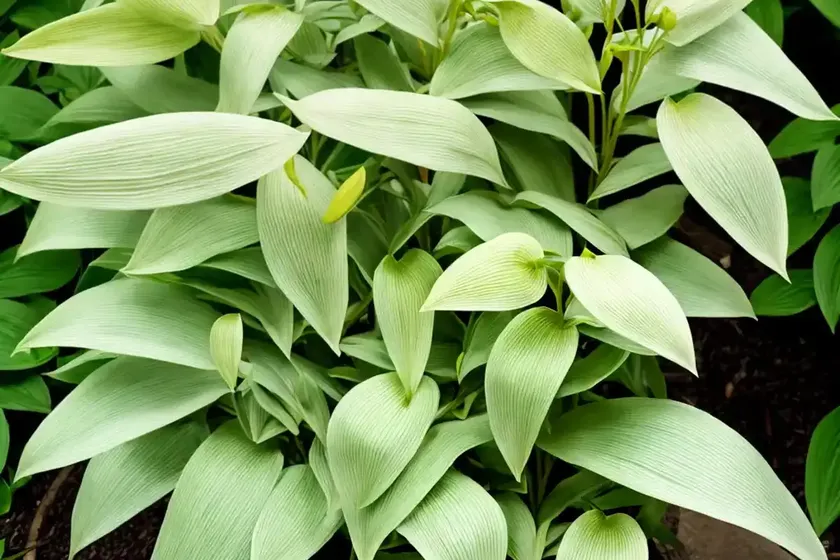
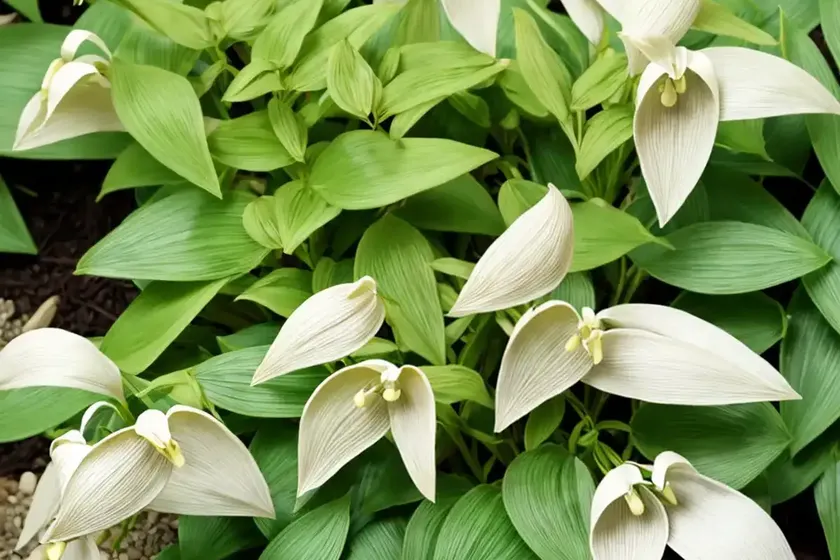
As a plant scientist with a passion for ornamental plants, I am excited to delve into the captivating world of Solomon’s seal, specifically the ‘Prince Charming’ variety. This elegant and graceful plant has captured the hearts of many gardeners and plant enthusiasts with its enchanting beauty and versatile nature. In this comprehensive guide, we will explore the fascinating characteristics, cultivation techniques, and practical uses of Polygonatum ‘Prince Charming’, commonly known as Solomon’s seal. From its cultural requirements to its role in landscaping and its presence in folklore, this article aims to provide a holistic understanding of this mesmerizing plant.
What is Solomon’s Seal?
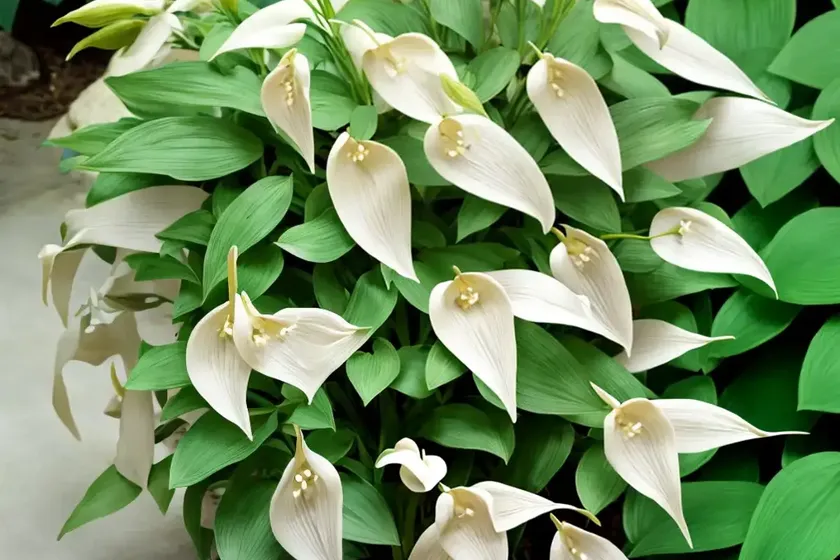
Solomon’s seal (Polygonatum) is a genus of flowering plants in the family Asparagaceae, native to temperate regions of North America, Asia, and Europe. These plants are renowned for their arching stems adorned with pairs of dangling, bell-shaped flowers and attractive, alternate leaves. One of the most esteemed varieties of this genus is the enchanting Polygonatum ‘Prince Charming’, which boasts distinctive features that set it apart in the realm of ornamental plants.
Key Takeaways – Solomon’s Seal (Polygonatum ‘Prince Charming’)
Before we delve into the specifics of cultivating and caring for Solomon’s seal ‘Prince Charming’, let’s take a look at the key takeaways that will be covered in this guide:
- Culture – Understanding the preferred growing conditions and environmental needs of Solomon’s seal ‘Prince Charming’.
- Uses – Exploring the diverse practical and aesthetic uses of this exquisite plant.
- Water – Identifying the optimal watering requirements for maintaining the health and vigor of Solomon’s seal.
- Sunlight – Understanding the sunlight preferences and light conditions that promote the growth of ‘Prince Charming’ Solomon’s seal.
- Fertilizer – Determining the appropriate fertilization regimen to nourish the plant and support its flourishing.
- Soil – Exploring the ideal soil composition and texture for cultivating healthy Solomon’s seal ‘Prince Charming’.
- Pruning – Learning the techniques for pruning and maintaining the splendid form of the plant.
- Propagation – Unraveling the methods for propagating and multiplying Solomon’s seal ‘Prince Charming’.
- Container Popularity – Assessing the suitability of growing ‘Prince Charming’ in containers and the associated benefits.
- Common Diseases – Identifying potential diseases that may affect the plant and strategies for diagnosis and management.
- Common Pests – Understanding the common pests that pose a threat to Solomon’s seal ‘Prince Charming’ and effective pest control measures.
- Botanist’s Tips – Gaining insights and expert tips from botanists for successfully growing and caring for Polygonatum ‘Prince Charming’.
Now, let’s embark on a captivating journey into the realm of this mesmerizing plant and uncover the secrets behind nurturing a thriving display of Solomon’s seal ‘Prince Charming’.
Culture
Understanding the cultural requirements of Solomon’s seal ‘Prince Charming’ is essential for providing the optimal growing conditions that will allow the plant to thrive. Let’s explore the key aspects of culture that play a crucial role in the successful cultivation of this enchanting variety.
Water
Proper watering is fundamental to the health and vitality of Solomon’s seal ‘Prince Charming’. As a shade-loving perennial, this plant appreciates consistently moist soil, especially during the growing season. However, it is important to enable good drainage to prevent waterlogging, which can be detrimental to the plant’s roots.
Watering Tips for Solomon’s Seal ‘Prince Charming’:
- Consistent Moisture: Maintain a consistent level of moisture in the soil, ensuring that it does not become excessively dry or waterlogged.
- Mulching: Apply a layer of organic mulch, such as leaf mold or compost, around the base of the plant to help retain soil moisture and suppress weed growth.
- Observation: Monitor the soil moisture levels regularly, particularly during hot and dry periods, and adjust the watering frequency as needed to accommodate the plant’s requirements.
Sunlight
Solomon’s seal ‘Prince Charming’ thrives in partial to full shade, making it an excellent choice for shaded garden beds and woodland settings. The dappled light beneath trees or in the shelter of tall shrubs provides the ideal environment for this graceful plant to flourish.
Sunlight Requirements for Solomon’s Seal ‘Prince Charming’:
- Partial to Full Shade: Select planting locations that receive dappled or filtered sunlight, avoiding prolonged exposure to intense midday sun.
- Indirect Light: Ensure that the chosen site offers indirect or diffused light, creating a serene and shaded ambiance that is conducive to the plant’s growth.
Fertilizer
Applying a balanced and organic fertilizer can bolster the growth and resilience of Solomon’s seal ‘Prince Charming’. A slow-release fertilizer or a nourishing organic compost can provide the essential nutrients that support the plant’s overall health.
Fertilization Recommendations for Solomon’s Seal ‘Prince Charming’:
- Spring Application: Apply a balanced, slow-release fertilizer or a rich, organic compost in early spring to coincide with the onset of new growth.
- Moderation: Avoid excessive fertilization, as Solomon’s seal ‘Prince Charming’ generally thrives in moderately fertile soil and can be sensitive to an overabundance of nutrients.
- Mulching Benefits: Incorporate organic mulch into the soil, as it gradually decomposes, enriching the earth and providing a natural source of nourishment for the plant.
Soil
The soil composition and texture play a pivotal role in nurturing healthy and robust Solomon’s seal ‘Prince Charming’. This variety thrives in moist, well-drained soil with a rich organic content, characteristics commonly associated with woodland habitats.
Ideal Soil Conditions for Solomon’s Seal ‘Prince Charming’:
- Moisture Retention: Select soils with good moisture retention capabilities, promoting a consistent level of humidity in the root zone.
- Organic Matter: Enrich the soil with organic matter, such as well-rotted leaf mold, compost, or peat moss, to enhance its fertility and structure.
- Acidic to Neutral pH: Aim for a slightly acidic to neutral pH range (pH 5.5-7.0), as this aligns with the plant’s preferences and supports optimal nutrient uptake.
Pruning
Pruning is a valuable practice for maintaining the aesthetic appeal and vigor of Solomon’s seal ‘Prince Charming’. By removing spent or damaged foliage and stems, as well as managing the plant’s growth, you can encourage a neat and flourishing display.
Pruning Techniques for Solomon’s Seal ‘Prince Charming’:
- Spring Cleanup: In early spring, remove any discolored or diseased foliage, along with any damaged or dead stems, to promote a tidy appearance and encourage new growth.
- Stem Management: Keep an eye on the plant’s arching stems and trim back any excessive growth or sprawling stems, maintaining a balanced and graceful form.
- Division: Periodically divide mature clumps of Solomon’s seal ‘Prince Charming’ to rejuvenate the plant, enhance its vigor, and propagate new specimens.
Propagation
The ability to propagate Solomon’s seal ‘Prince Charming’ allows for the creation of additional plants, thus expanding its presence in the garden or sharing its beauty with fellow enthusiasts. This charming variety can be propagated through various methods, each offering the opportunity to multiply and establish new specimens.
Propagation Techniques for Solomon’s Seal ‘Prince Charming’:
- Division: Divide mature clumps of Solomon’s seal ‘Prince Charming’ in early spring or after the flowering season, ensuring that each division possesses healthy rhizomes and sufficient growth points.
- Rhizome Cuttings: Utilize healthy and vigorous rhizome cuttings to propagate new plants, employing a well-draining potting mix and providing optimal conditions for root establishment.
- Seeds: Collect and sow fresh seeds in a suitable growing medium, maintaining consistent moisture and providing the requisite environmental conditions for successful germination and seedling development.
Uses
Solomon’s seal ‘Prince Charming’ offers a myriad of practical and aesthetic uses, making it a versatile and valued addition to gardens, landscapes, and ornamental displays. From its serene presence in woodland gardens to its role in floral arrangements, this enchanting plant contributes to various aspects of horticulture and creative expression.
Practical Uses of Solomon’s Seal ‘Prince Charming’:
- Woodland Gardens: Enhance the allure of shaded woodland gardens with the delicate charm and graceful presence of Solomon’s seal ‘Prince Charming’, interspersing it with native shade-loving plants for a captivating display.
- Borders and Edges: Create captivating borders and edge plantings using the arching and graceful stems of Solomon’s seal ‘Prince Charming’, adding a touch of elegance and serenity to garden pathways and delineated areas.
- Cut Flowers: Harvest the enchanting bell-shaped flowers of Solomon’s seal ‘Prince Charming’ to adorn indoor floral arrangements, infusing living spaces with tranquility and natural beauty.
Aesthetic Uses of Solomon’s Seal ‘Prince Charming’:
- Container Gardening: Cultivate the enchanting ‘Prince Charming’ variety in containers and ornamental pots, adding a touch of sophistication and grace to outdoor patios, balconies, and other confined spaces.
- Floral Design: Incorporate the alluring stems and foliage of Solomon’s seal ‘Prince Charming’ into floral compositions and artistic displays, infusing arrangements with a sense of tranquility and timeless elegance.
- Landscaping Accents: Utilize Solomon’s seal ‘Prince Charming’ as an enchanting accent plant in landscape designs, where its graceful form and serene presence can enhance the overall aesthetic appeal.
Common Diseases
While Solomon’s seal ‘Prince Charming’ is known for its robust nature, certain diseases can pose a threat to its health and vitality. Recognizing the symptoms and implementing effective strategies for disease management and prevention are essential for preserving the well-being of this captivating plant.
Disease Diagnosis and Management for Solomon’s Seal ‘Prince Charming’:
Common Diseases:
1. Leaf Spot: Keep an eye out for the presence of leaf spot diseases, characterized by the formation of discolored or necrotic spots on the foliage. Provide adequate air circulation and avoid overhead watering to minimize the risk of infection.
2. Powdery Mildew: Monitor the plant for the development of powdery mildew, which manifests as a white, powdery residue on the leaves. Employ cultural practices such as proper spacing and ventilation, and consider applying fungicidal treatments if necessary.
3. Root Rot: Take precautions to prevent root rot, a potentially lethal fungal disease that thrives in waterlogged or poorly drained soil. Ensure proper drainage and avoid overwatering, especially during the dormant season.
Disease Prevention Strategies for Solomon’s Seal ‘Prince Charming’:
- Cultural Practices: Maintain good sanitation practices, such as removing and disposing of diseased plant material, and promoting proper air circulation to mitigate the risk of disease development.
- Optimal Growing Conditions: Provide the plant with the ideal cultural conditions, including appropriate watering practices, well-drained soil, and suitable light exposure, to bolster its natural defenses against diseases.
- Early Detection: Regularly inspect the foliage and stems for any signs of disease or distress, taking prompt action to address any emerging issues and prevent the spread of infections.
Common Pests
Although Solomon’s seal ‘Prince Charming’ is generally resistant to pest infestations, certain common pests may occasionally pose a threat to the plant. Familiarizing oneself with these potential adversaries and adopting proactive pest management measures can help safeguard the plant’s health and vitality.
Common Pests that Affect Solomon’s Seal ‘Prince Charming’:
Pest Species:
1. Aphids: Monitor the plant for aphid infestations, particularly on the undersides of the leaves and tender shoots. Employ mechanical methods, such as spraying with a strong jet of water, to dislodge and deter these sap-feeding insects.
2. Slugs and Snails: Address the presence of slugs and snails, which may feed on the tender foliage and stems of Solomon’s seal ‘Prince Charming’, by implementing organic control methods and physical barriers to protect the plant.
3. Spider Mites: Watch for signs of spider mite activity, characterized by stippled or discolored foliage and fine webbing on the plant. Utilize appropriate horticultural oils or insecticidal soaps to manage mite populations and mitigate their impact on the plant.
Pest Control Measures for Solomon’s Seal ‘Prince Charming’:
- Natural Predators: Encourage the presence of natural predators, such as ladybugs and predatory mites, which can help control pest populations and maintain a balanced ecosystem in the garden.
- Physical Barriers: Deploy physical barriers, such as copper tape or diatomaceous earth, to deter slugs and snails from accessing and damaging the delicate foliage of Solomon’s seal ‘Prince Charming’.
- Observation and Vigilance: Regularly inspect the plant for signs of pest activity, intervening promptly to address any infestations and prevent them from escalating.
Botanist’s Tips
Gaining insights and tips from experienced botanists and horticultural experts can provide valuable guidance for cultivating and caring for Solomon’s seal ‘Prince Charming’. Drawing from their expertise and practical wisdom, here are some invaluable tips to enhance your success with this enchanting plant.
Expert Tips for Growing Solomon’s Seal ‘Prince Charming’:
- Suitable Companion Plants: Pair Solomon’s seal ‘Prince Charming’ with shade-loving companions, such as hostas, ferns, and spring-blooming ephemerals, to create a harmonious and captivating woodland planting.
- Dormant Season Care: During the plant’s dormant phase, refrain from disturbing the rhizomes, as this can disrupt their growth and vitality. Allow the plant to rest undisturbed, providing minimal care during this period.
- Division Timing: Plan the division of mature clumps in early spring or after the flowering season, ensuring that the divided segments have ample time to establish and develop before the onset of winter dormancy.
- Mulching Benefits: Embrace the benefits of organic mulching, as it not only retains soil moisture and suppresses weeds but also enriches the soil, fosters beneficial microbial activity, and contributes to the overall health of the plant.
Fun Facts
Uncover fascinating and intriguing facts about Solomon’s seal ‘Prince Charming’, shedding light on its historical significance, cultural symbolism, and captivating attributes that enrich its presence in horticulture and folklore.
Captivating Details About Solomon’s Seal ‘Prince Charming’:
- Cultural Significance: Solomon’s seal has been associated with various cultural and symbolic meanings throughout history, often representing themes of balance, harmony, and protection.
- Folklore and Myths: In folklore, Solomon’s seal has been linked to magical properties and protective qualities, with myths and legends bestowing upon it an aura of enchantment and mystique.
- Wildlife Attraction: The captivating blooms of Solomon’s seal ‘Prince Charming’ have the potential to attract and support a diverse array of pollinators, contributing to the interconnected tapestry of nature and wildlife in the garden.
Links to External Resources
Plant Name: “Solomon’s Seal (Polygonatum ‘Prince Charming’)”
Explore further insights and practical guidance on cultivating and caring for Solomon’s seal ‘Prince Charming’ through the following external resources:
- Royal Horticultural Society – Polygonatum: Delve into the comprehensive information provided by the Royal Horticultural Society, offering valuable insights into the cultivation and characteristics of Polygonatum species.
- Missouri Botanical Garden – Polygonatum Odoratum ‘Variegatum’: Explore the variegated form of Polygonatum odoratum, a close relative of ‘Prince Charming’, through the detailed descriptions and botanical resources compiled by the Missouri Botanical Garden.
- American Horticultural Society – Growing Polygonatum: Access an array of practical tips and insights about growing various Polygonatum species, including ‘Prince Charming’, from the American Horticultural Society’s online publications.
In conclusion, Solomon’s seal ‘Prince Charming’ stands as a mesmerizing and enchanting addition to the realm of ornamental plants, captivating and inspiring enthusiasts with its grace, allure, and captivating attributes. By embracing the insights and guidelines presented in this comprehensive guide, you can embark on a rewarding journey of cultivating, appreciating, and cherishing the timeless beauty of this extraordinary plant. Let the allure of Solomon’s seal ‘Prince Charming’ enrich your garden, imbuing it with tranquility, elegance, and an enduring touch of enchantment.
[Image Credits: Shutterstock]
As a plant scientist, I am thrilled to have the opportunity to explore and celebrate the enchanting realm of Polygonatum ‘Prince Charming’ and share the vital insights and practical wisdom essential for nurturing its captivating beauty. If you have any further queries or if there are specific aspects of this mesmerizing plant that pique your curiosity, feel free to reach out. Happy gardening!