Solomon’s Seal (Polygonatum Odoratum ‘Byakko’)
As a plant scientist, I am excited to delve into the world of Polygonatum odoratum, particularly the ‘Byakko’ variety, commonly known as Solomon’s seal..
As a plant scientist, I am excited to delve into the world of Polygonatum odoratum, particularly the ‘Byakko’ variety, commonly known as Solomon’s seal. This beautiful and versatile plant has a rich history, offers diverse cultural uses, and provides a range of benefits to gardeners and ecosystems. In this comprehensive guide, we will explore the key characteristics of Solomon’s seal, its cultural significance, and practical tips for cultivating and caring for this esteemed plant.
What is Solomon’s Seal (Polygonatum odoratum ‘Byakko’)?
Polygonatum is a genus of flowering plants native to Asia, Europe, and North America. The botanical name “Polygonatum” is derived from Greek, where “poly” means many and “gonu” means knee, signifying the jointed or knobby rhizomes from which the plants grow. The species odoratum refers to the pleasant fragrance emitted by some species of this genus, while ‘Byakko’ is a specific variety of Polygonatum odoratum characterized by its unique attributes.
Key Takeaways – Solomon’s Seal (Polygonatum odoratum ‘Byakko’)
Before delving into the details of Solomon’s seal, let’s take a quick look at the key takeaways:
- Solomon’s seal, known by its Latin name Polygonatum odoratum ‘Byakko’, is a perennial plant with a rich history and diverse cultural uses.
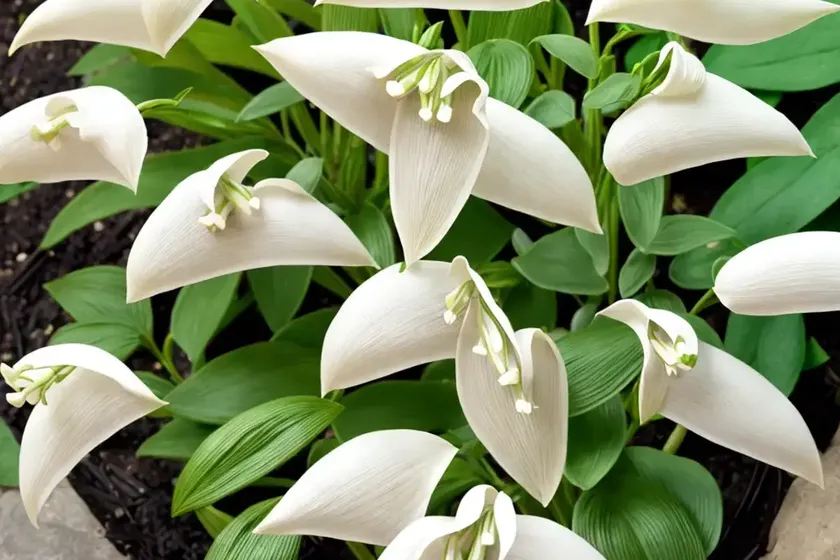
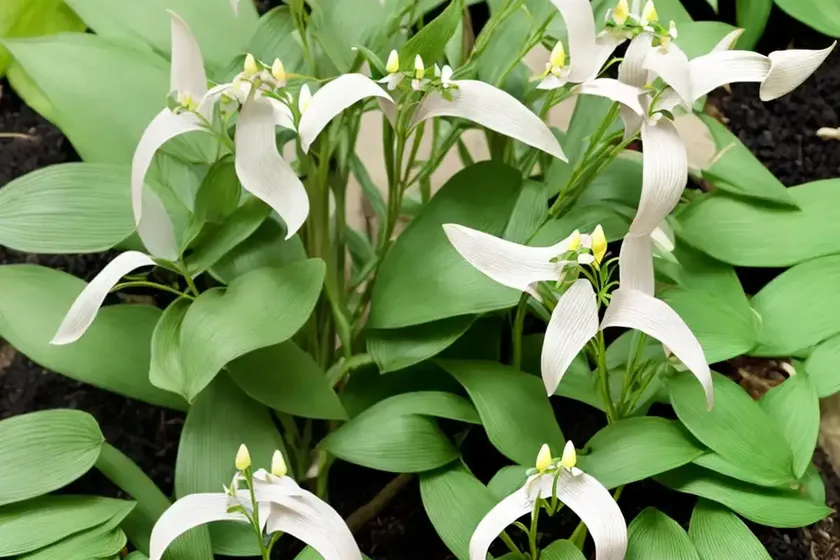
- The plant is valued for its graceful arching stems, dangling white flowers, and decorative blue-black berries.
- Solomon’s seal is adaptable to various growing conditions, making it a versatile and popular choice for gardens and landscapes.
- It has a range of medicinal properties in traditional practices, and its rhizomes are utilized in herbal remedies.
- As a shade-loving plant, Solomon’s seal is well-suited for woodland gardens and other low-light environments.
- When caring for Solomon’s seal, considerations such as water, sunlight, soil, and pruning play crucial roles in its successful cultivation.
Now, let’s take a deeper dive into the captivating world of Solomon’s seal, exploring its cultural significance, uses, and practical aspects of cultivation.
Culture
Uses
The cultural uses of Solomon’s seal are as diverse as the regions in which it is found and the traditions of the people who have interacted with this cherished plant. Solomon’s seal has been valued for culinary, medicinal, decorative, and symbolic purposes throughout history.
- Medicinal Uses: In traditional herbal medicine, the rhizomes of Solomon’s seal have been used to treat various ailments. They are believed to have anti-inflammatory, antispasmodic, and wound-healing properties. With its traditional use in folk and alternative medicine, there is ongoing scientific interest in exploring the potential health benefits of Solomon’s seal.
- Culinary: While not as widely known for culinary uses as other plants, Solomon’s seal has been used in certain regional cuisines for its edible shoots and young leaves. However, caution is advised as some species of Polygonatum are known to have toxic properties.
- Ornamental: One of the most beloved uses of Solomon’s seal is for ornamental purposes. Its delicate, arching stems and graceful white flowers make it an enchanting addition to gardens and landscapes. The decorative blue-black berries that appear in late summer add further visual interest, making the plant desirable for floral arrangements and decorative purposes.
- Symbolism: Solomon’s seal has been associated with diverse symbolic meanings in different cultures, often representing themes of wisdom, protection, and balance. Its distinctive appearance and growth pattern have contributed to its symbolic significance across various societies.
Care
Water
Solomon’s seal thrives in moist, well-drained soil, making it an excellent choice for gardens and landscapes with moderate moisture levels. While it is adaptable to various moisture conditions, consistent watering is essential, especially during dry spells or in the establishment phase. However, it is crucial to avoid waterlogged conditions, as excessively wet soil can lead to root rot and other issues.
Sunlight
As a shade-loving plant, Solomon’s seal flourishes in partial to full shade conditions. It is well-suited for woodland gardens, shaded borders, and areas with dappled sunlight. While it can tolerate some morning sun, prolonged exposure to direct sunlight should be avoided to prevent leaf scorch and stress on the plant. The ability to thrive in low-light environments makes Solomon’s seal a valuable addition to landscapes with limited sun exposure.
Fertilizer
The nutrient requirements of Solomon’s seal are generally modest, and it can thrive without excessive fertilization. A balanced, organic fertilizer applied in spring can provide a gentle nutrient boost to support healthy growth. Organic materials such as compost or well-rotted manure can be used to enrich the soil and enhance the overall health of the plant. Care should be taken to avoid over-fertilization, which can lead to excessive leafy growth at the expense of the plant’s natural form.
Soil
Solomon’s seal prefers rich, humus-rich soil with good moisture retention and drainage. A slightly acidic to neutral soil pH is ideal for this plant. Incorporating organic matter, such as compost or leaf mold, into the soil can enhance its fertility and structure, providing an optimal growing environment for Solomon’s seal. A loamy soil texture is beneficial, offering a balance of drainage and moisture retention to support healthy root development.
Pruning
Minimal pruning is required for Solomon’s seal, as it naturally forms an attractive clump of arching stems and foliage. Dead or damaged stems can be selectively removed to maintain the plant’s appearance and vigor. Additionally, thorough removal of any diseased or pest-infested plant material is important to prevent the spread of issues. Regular division of mature clumps can rejuvenate the plant, enhance its vigor, and allow for the propagation of new specimens.
Propagation
Propagation of Solomon’s seal can be achieved through several methods, offering flexibility for gardeners and enthusiasts to expand their plantings and share this esteemed species with others:
Rhizome Division
Dividing the rhizomes of mature Solomon’s seal plants is a popular and effective propagation method. This process is typically carried out in early spring before new growth emerges or in the fall after the plant has completed its seasonal growth. The rhizomes can be carefully divided into sections, ensuring that each division possesses healthy roots and viable growing points. Replanting the divided sections in suitable locations provides the opportunity to establish new colonies of Solomon’s seal.
Seed Propagation
While less commonly practiced, propagation via seeds can be an option for enthusiasts interested in growing Solomon’s seal from seed. Collecting ripe seeds from the plant’s berries and sowing them in a suitable growing medium can initiate the growth of new seedlings. It is important to note that seed propagation may take longer to yield mature plants compared to rhizome division, and seedlings may exhibit some variability in their traits.
Container Popularity
The adaptability of Solomon’s seal to container cultivation has contributed to its popularity among urban and space-limited gardeners. Its shade tolerance and graceful growth habit make it an ideal choice for container gardens, balconies, and shaded patios. When grown in containers, attention to proper watering, soil quality, and adequate spacing can promote the health and vigor of Solomon’s seal. Containers offer the flexibility to create captivating displays of this plant, adding a touch of elegance to various outdoor and indoor settings.
Container Common Diseases
While container cultivation can provide a controlled environment for Solomon’s seal, certain diseases and issues may still arise. Vigilant observation and proactive measures can help mitigate these concerns, ensuring that container-grown Solomon’s seal remains healthy and vibrant. Common diseases that may affect Solomon’s seal in containers include:
-
Rhizome Rot: Excessive moisture and poor drainage in container soil can lead to rhizome rot, jeopardizing the health of the plant. To prevent this issue, it is important to use well-draining, high-quality soil and to avoid overwatering. Careful monitoring of soil moisture levels and prompt action in response to any signs of rot are essential.
-
Leaf Spot: Fungal diseases such as leaf spot can affect the foliage of Solomon’s seal, particularly in conditions of high humidity or overcrowding. Adequate air circulation, proper spacing, and preventive measures such as applying fungicidal treatments can help manage and prevent leaf spot in containers.
Disease Diagnosis
When observing potential disease symptoms in container-grown Solomon’s seal, a systematic approach to diagnosis can aid in identifying and addressing the underlying issues. Understanding the common signs of diseases and conducting a thorough assessment of the plant’s condition are essential steps in effective disease diagnosis. Some common indicators of diseases in container-grown Solomon’s seal include:
-
Yellowing or Browning of Foliage: Changes in leaf coloration can be indicative of various issues, including nutrient deficiencies, water stress, or pathogenic infections.
-
Stunted Growth or Wilting: Disruptions in the plant’s growth and vigor may signal underlying diseases, environmental stressors, or root-related problems.
-
Presence of Fungal Lesions or Spots: Visual cues such as the development of lesions, spots, or unusual growths on the plant’s foliage can point to fungal diseases that require attention and management.
Through attentive observation and timely intervention, gardeners can enhance the resilience of Solomon’s seal in container settings, promoting its enduring beauty and vitality.
Common Pests
While container cultivation can offer some protection against certain pests, vigilance is key to preventing and managing pest issues that may arise. Common pests that can affect Solomon’s seal in containers include:
-
Spider Mites: These tiny pests can infest the foliage of Solomon’s seal, causing stippling, discoloration, and reduced plant vigor. Regular monitoring and the application of appropriate pest control measures can help mitigate spider mite infestations.
-
Slugs and Snails: These herbivorous pests can feed on the tender foliage of Solomon’s seal, leaving behind ragged edges and unsightly damage. Implementing physical barriers, such as copper tape, and employing organic or chemical control methods can protect container-grown plants from slug and snail damage.
-
Sawfly Larvae: The larvae of sawflies can consume the leaves of Solomon’s seal, potentially defoliating the plant if left unchecked. Inspection and manual removal of sawfly larvae, along with the use of biological controls, can help manage this pest and safeguard the plant’s foliage.
Botanist’s Tips
As a plant scientist with a deep appreciation for the intricate beauty of Solomon’s seal, I have compiled a set of tips to aid fellow enthusiasts in cultivating and appreciating this esteemed plant:
-
Site Selection: When choosing a location for planting Solomon’s seal, consider areas with partial to full shade, moisture-retentive soil, and protection from harsh afternoon sun. Woodland settings, shaded borders, and gardens with filtered light are ideal environments for this shade-loving plant.
-
Mulching: Applying a layer of organic mulch around Solomon’s seal can help maintain soil moisture, suppress weed growth, and provide insulation for the plant’s rhizomes. Organic materials such as leaf mulch, compost, or bark chips can offer these benefits while contributing to the overall health of the soil.
-
Companion Planting: Incorporating companion plants that thrive in shade and share similar cultural requirements can enhance the visual appeal and ecological harmony of the garden. Plants such as ferns, hostas, astilbes, and bleeding hearts can complement Solomon’s seal, creating captivating woodland-inspired landscapes.
-
Naturalistic Plantings: Embracing the natural growth habits and tendencies of Solomon’s seal can result in striking, naturalistic plantings. Allowing the plant’s graceful arching stems and foliage to intermingle with neighboring plants can create a harmonious and visually captivating composition.
-
Wildlife Habitat: The presence of Solomon’s seal can contribute to the creation of favorable habitats for native wildlife. The plant’s flowers provide a valuable nectar source for pollinators, while its berries and foliage can offer shelter and sustenance for certain wildlife species, enriching the ecological diversity of the surroundings.
Fun Facts
Solomon’s seal is a plant rich in history, cultural significance, and intriguing attributes. Here are some captivating fun facts about Solomon’s seal:
-
Folklore and Symbolism: Solomon’s seal has been associated with diverse folklore and symbolic meanings. In various traditions, it has been linked to themes of protection, balance, and wisdom, reflecting its esteemed status in cultural narratives.
-
Architectural Appeal: The arched stems of Solomon’s seal, adorned with delicate white flowers, lend an architectural elegance to gardens and shaded landscapes. The plant’s distinctive growth habit and visual allure have cemented its place as a beloved ornamental species.
-
Natural Habitat: Solomon’s seal is often found in woodland and forested environments, where it flourishes in the cool, shaded understory. Its adaptation to low-light conditions and moist, fertile soils makes it an integral component of these natural habitats.
-
Herbal Traditions: In traditional herbal practices, Solomon’s seal has been valued for its potential medicinal properties and has been utilized in folk remedies for various ailments. Its historical association with wellness and healing underscores its enduring significance in traditional knowledge systems.
-
Cultural Diversity: Solomon’s seal has been revered and utilized by diverse cultures across different regions, reflecting its universal appeal and utility. From culinary uses to medicinal applications, the plant’s roles span a rich tapestry of cultural expressions.
Links to External Resources
For those seeking further information on Solomon’s seal, its cultivation, and cultural significance, the following external resources can provide valuable insights and perspectives:
- Royal Horticultural Society – Polygonatum odoratum
- Missouri Botanical Garden – Polygonatum odoratum ‘Byakko’
- North Carolina Extension Gardener Plant Toolbox – Polygonatum odoratum
- University of Missouri Extension – Solomon’s Seal in the Garden
- American Society for the Prevention of Cruelty to Animals – Toxic and Non-Toxic Plant List – Solomon’s Seal
These resources offer a blend of expert insights, botanical information, and practical guidance, serving as valuable references for enthusiasts, gardeners, and researchers interested in delving further into the captivating world of Solomon’s seal.
In conclusion, the allure of Solomon’s seal (Polygonatum odoratum ‘Byakko’) stems from its graceful beauty, cultural significance, and versatile uses. From its esteemed status in traditional medicine to its ornamental appeal in gardens, this esteemed plant embodies a rich tapestry of history, utility, and natural charm. By understanding and embracing the cultural and horticultural dimensions of Solomon’s seal, enthusiasts can foster an enduring appreciation for this captivating botanical gem.
As a plant scientist, I am continually inspired by the natural wonders of plants such as Solomon’s seal, and I am delighted to share this exploration of its botanical and cultural dimensions with fellow enthusiasts and seekers of botanical knowledge.
For a comprehensive reference on Polygonatum odoratum ‘Byakko’ and its diverse dimensions, including its ornamental value, cultural significance, and practical care guidelines, please explore the provided resources and associated links. The collective insights from these resources offer a holistic view of Solomon’s seal, enriching the understanding and appreciation of this esteemed plant.