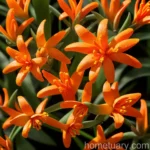
Snow Crocus (Crocus Chrysanthus ‘Goldilocks’): A Winter Delight
Plants are an integral part of our ecosystem, showcasing the beauty of nature and providing numerous benefits to our environment. One remarkable addition to this natural beauty is the snow crocus, scientifically known as Crocus chrysanthus ‘Goldilocks’. This charming plant belongs to the Iris family, Iridaceae, and is a delightful early bloomer that brings a pop of color to the winter landscape. In this comprehensive guide, we will explore the enchanting world of the snow crocus, unveiling its characteristics, care requirements, uses, and much more.
What is Snow Crocus (Crocus chrysanthus ‘Goldilocks’)?
The snow crocus, also known as Crocus chrysanthus ‘Goldilocks’, is a small perennial plant that belongs to the Genus Crocus and Species chrysanthus. It is native to the Balkans and Greece and is well-adapted to cold climates, making it a popular choice for winter gardens. The ‘Goldilocks’ variety features delicate yellow flowers with orange stigmas, adding a vibrant touch to the winter scenery.
This early bloomer typically flowers from late winter to early spring, heralding the arrival of the new growing season. The snow crocus is cherished for its ability to thrive in harsh conditions and its resilience in colder temperatures, making it a favorite among gardeners who crave a burst of color in the frosty months.
Key Takeaways – Snow Crocus (Crocus chrysanthus ‘Goldilocks’)
Before delving into the intricacies of snow crocus care and upkeep, let’s summarize its key characteristics and uses. Below are some essential takeaways to pique your curiosity about this delightful plant:
- Winter Wonder: As a winter flowering crocus, the snow crocus (Crocus chrysanthus ‘Goldilocks’) brings a much-needed touch of cheer to gardens during the coldest months of the year.
- Resilient Beauty: Known for its hardy nature, this early blooming crocus variety can withstand colder temperatures, making it an ideal choice for temperate and cold regions.
- Vibrant Appearance: With its golden-yellow flowers and fine foliage, the snow crocus adds a splash of color and elegance to the winter landscape, brightening up dull surroundings.
- Gardening Delight: Whether in containers or naturalized in the garden, the snow crocus offers versatility in its planting locations, adding lovely accents to various settings.
- Low Maintenance: This crocus variety requires minimal care once established, making it an attractive option for busy gardeners seeking effortless yet striking blooms.
Now that we’ve gained a basic understanding of the snow crocus, let’s explore the specific care requirements and uses that contribute to its appealing charm.
Culture
Cultivating snow crocus (Crocus chrysanthus ‘Goldilocks’) involves understanding its cultural needs to ensure optimal growth and abundant blooms. From watering to soil conditions, let’s delve into the cultural considerations for nurturing these delightful flowers.
Uses
The snow crocus has a range of uses in horticulture and beyond, each serving as a testament to its versatility and appeal. Below are some common applications of this charming plant:
- Garden Ornament: The vibrant yellow flowers of the snow crocus make it a popular choice for enhancing the visual appeal of gardens, parks, and landscapes, especially during the winter months.
- Naturalization: Snow crocus can be planted in naturalistic settings where they can spread and create a carpet of color, providing a wild and delightful appearance.
- Container Planting: Ideal for small spaces, balconies, and patios, snow crocus can be cultivated in containers, adding a touch of spring to urban and confined areas.
These diverse uses contribute to the widespread popularity of the snow crocus and its relevance in various gardening and landscaping contexts.
Water
Appropriate watering is crucial for the healthy growth and development of snow crocus plants. While they are resilient and can withstand dry conditions, adequate moisture is important, especially during the flowering season. Here are some key considerations for watering snow crocus:
- Established Plants: Once the snow crocus is established, it generally requires minimal watering. However, during prolonged dry spells, provide moderate watering to maintain soil moisture.
- Flowering Stage: Prioritize watering during the flowering stage to ensure the plants receive sufficient moisture for producing robust blooms.
- Avoid Waterlogging: While snow crocus appreciates moisture, it is important to avoid waterlogging the soil, as excessive water can lead to root rot and other issues.
Adhering to these watering guidelines will help maintain the health and vigor of the snow crocus, promoting a bountiful display of golden blooms.
Sunlight
Optimal sunlight is essential for the growth and flowering of snow crocus plants. As winter bloomers, they have specific sunlight requirements that contribute to their overall health and performance. Consider the following points when selecting a suitable planting location for snow crocus:
- Full Sun: Snow crocus thrives in full sun or partial shade, making it adaptable to a range of light conditions. However, for the best flowering display, provide them with at least 6 hours of direct sunlight per day.
- Sheltered Areas: While they appreciate sunlight, snow crocus can also tolerate some light shade, particularly in regions with intense sun or fluctuating winter weather.
By ensuring adequate sunlight, you can encourage robust growth and vibrant blooms from your snow crocus plants, enhancing their visual impact in the winter garden.
Fertilizer
Proper fertilization contributes to the overall vigor and bloom production of snow crocus plants. While they are generally low-maintenance, providing adequate nutrients can further enhance their performance. Consider the following fertilizer tips for snow crocus:
- Minimal Fertilization: Snow crocus typically do not require heavy feeding. A light application of a balanced, low-nitrogen fertilizer in early spring can support their growth and blooming.
- Organic Amendments: Incorporating organic matter such as well-rotted compost or aged manure into the soil during planting can provide essential nutrients for the plants.
By adopting a cautious approach to fertilization and focusing on organic inputs, you can support the natural resilience of snow crocus, promoting healthy and vibrant blooms.
Soil
Understanding the soil preferences of snow crocus is vital for ensuring their successful establishment and longevity. Their root systems and overall growth are influenced by the soil composition and structure, making it essential to provide an appropriate growing medium. Consider the following soil considerations for cultivating snow crocus:
- Well-draining Soil: Snow crocus thrive in well-draining soil that prevents waterlogging and root rot. Sandy loam or loamy soils with good drainage are ideal for their growth.
- pH Level: They prefer slightly acidic to neutral soil with a pH range of 6.0 to 7.0. Soil that is slightly alkaline can also be suitable, provided it offers good drainage and adequate aeration.
By ensuring the soil is well-suited to the needs of snow crocus, you can promote healthy root development and robust flowering, contributing to the overall success of your winter garden.
Pruning
Pruning snow crocus largely involves minimal maintenance and simple practices to enhance their appearance and vitality. While they do not require extensive pruning, a few considerations can contribute to their overall care. Here are some key points to keep in mind:
- Faded Flowers: Deadhead the spent flowers to prevent seed production and divert the plant’s energy back into bulb development and future blooms.
- Foliage Care: Allow the foliage to wither naturally after flowering, as this process allows the plant to store energy for the next growing season.
- Dividing Bulbs: Over time, snow crocus bulbs can become crowded. Dividing and replanting the bulbs every few years can help maintain their vigor and prevent overcrowding.
By following these simple pruning guidelines, you can ensure the continued health and vigor of your snow crocus plants, prolonging their beauty for years to come.
Propagation
Propagating snow crocus allows you to expand your collection and share the beauty of these delightful flowers with others. While they primarily spread through self-seeding, certain methods can aid in their propagation. Consider the following propagation techniques for snow crocus:
- Division: After the flowering season and once the foliage has withered, lift and divide overcrowded clumps of snow crocus bulbs. Replant the divisions in suitable locations to encourage their establishment and growth.
- Seed Propagation: Collect seeds from the mature capsules once they have ripened and sow them in well-prepared soil in a suitable location. However, note that propagating snow crocus from seeds can be a slower process compared to division.
Adopting these propagation techniques can help expand the presence of snow crocus in your garden and create enchanting displays for future seasons.
Container Popularity
Snow crocus are well-suited for container gardening, offering a versatile and delightful option for small spaces, courtyards, and urban settings. Their popularity in containers is attributed to their compact size, early blooming nature, and ability to brighten up the winter landscape. When cultivating snow crocus in containers, consider the following points:
- Soil Mix: Use a well-draining potting mix with components such as peat, perlite, and compost to ensure suitable drainage and aeration for the shallow-rooted snow crocus bulbs.
- Container Selection: Opt for shallow containers with adequate drainage holes to accommodate the shallow root system of snow crocus and prevent waterlogging.
- Winter Protection: In regions with harsh winters, consider providing insulation or protection for the container-grown snow crocus to shield them from extreme cold and fluctuations.
By embracing container gardening with snow crocus, you can enjoy the beauty of these early bloomers in confined spaces and urban environments, adding a touch of elegance to your surroundings.
Common Diseases
Snow crocus are relatively resistant to diseases and pests, making them low-maintenance additions to the garden. However, they may occasionally encounter certain issues that can impact their health and appearance. Familiarizing yourself with these common diseases and their management can help ensure the continued vitality of your snow crocus. Here are some common diseases that may affect snow crocus:
- Botrytis Blight: Also known as gray mold, botrytis blight can occur during prolonged periods of wet and humid weather, leading to grayish mold on the flowers and foliage. Improve air circulation and avoid overhead watering to prevent this fungal disease.
- Bulb Rot: Excessive moisture and poor drainage can lead to bulb rot, causing the bulbs to become soft, discolored, and ultimately decay. Plant the bulbs in well-draining soil and avoid overwatering to prevent this issue.
- Viral Diseases: Snow crocus can be susceptible to certain viral diseases that cause mottling, yellowing, and stunted growth. Preventing viral diseases involves controlling the vectors such as aphids and practicing good sanitation in the garden.
By remaining vigilant and implementing preventive measures, you can minimize the impact of these diseases on your snow crocus, ensuring their prolonged health and beauty in the garden.
Common Pests
While snow crocus are relatively resistant to pests, they may still encounter certain insect pests that can affect their vitality and appearance. Recognizing these potential pests and implementing appropriate control measures is essential for preserving the health of your snow crocus. Here are some common pests that may affect snow crocus:
- Thrips: These tiny insects can feed on the flowers and foliage of snow crocus, causing distorted growth and silvering of the affected plant parts. Use insecticidal soap or horticultural oil to control thrips infestations.
- Narcissus Bulb Fly: The larvae of the narcissus bulb fly can feed on the bulbs and foliage of snow crocus, leading to damage and reduced vigor. Protect the bulbs by covering them with fine mesh or employing biological control methods to manage this pest effectively.
By staying proactive and promptly addressing pest issues, you can safeguard your snow crocus plants from potential damage and maintain their overall health and appeal.
Botanist’s Tips for Snow Crocus (Crocus chrysanthus ‘Goldilocks’)
As a plant scientist with a passion for snow crocus, I’d like to share some expert tips for cultivating and enjoying these delightful winter bloomers. These recommendations are based on years of experience and close observation of these charming plants:
- Early Planting: Plant snow crocus bulbs in early autumn to allow them to establish their root systems before the arrival of winter. This early planting ensures a robust floral display in late winter and early spring.
- Mulching: Apply a light layer of mulch over the planted area to provide insulation and protect the bulbs from extreme temperature fluctuations. Organic mulches such as straw or shredded leaves can be beneficial for snow crocus.
- Spring Division: After a few years, consider lifting and dividing overcrowded clumps of snow crocus bulbs in spring to maintain their vigor and prevent overcrowding in the planting area.
By incorporating these botanist’s tips into your snow crocus care routine, you can cultivate healthy and vibrant plants that continue to enchant you with their radiant blooms year after year.
Fun Facts About Snow Crocus (Crocus chrysanthus ‘Goldilocks’)
Embracing nature’s wonders often leads us to fascinating and delightful discoveries. Here are some fun and intriguing facts about snow crocus (Crocus chrysanthus ‘Goldilocks’) that provide a deeper appreciation for these charming plants:
- Symbol of Hope: Snow crocus, with its early blooming nature, often symbolizes hope and renewal, heralding the arrival of spring and the promise of new beginnings.
- Historical Significance: Crocus has been used for various medicinal and culinary purposes since ancient times, underscoring its cultural and historical importance.
- Wildlife Attraction: The vibrant blooms of snow crocus attract early pollinators such as bees and other beneficial insects, contributing to the ecological diversity of the garden.
These fun facts add layers of intrigue and charm to the already captivating presence of snow crocus, further elevating their significance in the natural world.
Links to External Resources
To expand your knowledge and appreciation for the enchanting snow crocus (Crocus chrysanthus ‘Goldilocks’), I’ve curated a selection of reliable external resources that offer valuable insights and practical guidance on cultivating and enjoying these delightful winter bloomers:
- Royal Horticultural Society – Crocus chrysanthus ‘Goldilocks’
- The Old Farmer’s Almanac – Growing Crocus
- Fine Gardening – Crocus chrysanthus ‘Goldilocks’
These resources offer a wealth of information, practical tips, and inspiring ideas for incorporating snow crocus into your garden and appreciating their beauty throughout the winter season.
In conclusion, snow crocus (Crocus chrysanthus ‘Goldilocks’) stands as a captivating symbol of resilience, vibrancy, and natural elegance in the winter garden. Embracing these delightful plants and cultivating them with care allows us to witness the timeless allure of nature’s wonders and celebrate the enduring spirit of life that flourishes even in the coldest of seasons.
Whether through their golden blooms, cheerful presence in the garden, or their historical significance, snow crocus exhibits a timeless charm that captivates gardeners and nature enthusiasts alike. By embracing the cultural uses, critical growing conditions, and fascinating nuances of snow crocus, we enter into a world of winter garden magic that unfolds with each delicate petal and vibrant hue.
Let the arrival of snow crocus herald a season of beauty and joy in your garden, reminding us of nature’s boundless capacity for wonder and delight.