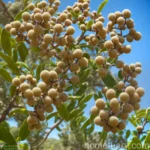
Plant Profile: Serviceberry (Amelanchier canadensis ‘Glenn Form’ RAINBOW PILLAR)
Welcome to the ultimate guide to the serviceberry plant, specifically the Amelanchier canadensis ‘Glenn Form’ RAINBOW PILLAR. In this comprehensive article, we will explore the culture, uses, care, diseases, and fun facts about the serviceberry plant. Whether you are a seasoned gardener or just starting with your green thumb, this in-depth analysis will equip you with the knowledge needed to successfully grow and maintain the beautiful serviceberry plant. Without further ado, let’s dive into the wonderful world of the serviceberry!
Introduction to Serviceberry (Amelanchier canadensis ‘Glenn Form’ RAINBOW PILLAR)
The serviceberry, scientifically known as Amelanchier canadensis, is a deciduous shrub or small tree and is commonly found in North America. This plant is highly regarded for its ornamental features, edible berries, and wildlife benefits. The ‘Glenn Form’ RAINBOW PILLAR variety is particularly notable for its compact size, making it a popular choice for landscapes with limited space. Known for its multi-season interest, this cultivar offers spring blooms, edible berries, and stunning fall foliage.
Key Takeaways
Let’s first summarize the key takeaways of the serviceberry plant to pique your interest:
- Scientific Name: Amelanchier canadensis ‘Glenn Form’ RAINBOW PILLAR
- Common Names: Serviceberry, Juneberry, Shadblow, Shadbush
- Type: Deciduous shrub or small tree
- Notable Features: Spring blooms, edible berries, vibrant fall foliage
- Special Variety: Compact size – RAINBOW PILLAR
- Wildlife Benefits: Attracts birds and pollinators
Now, let’s delve into the various aspects of the serviceberry plant, from its culture and uses to care tips and maintenance.
Culture of Serviceberry (Amelanchier canadensis ‘Glenn Form’ RAINBOW PILLAR)
Understanding the culture and requirements of the serviceberry plant is fundamental to its successful growth and development. From soil preferences to sunlight exposure, each aspect plays a crucial role in nurturing this beautiful plant.
Water
Serviceberries thrive in moist, well-draining soils. While they prefer consistent moisture, they are also quite adaptable to varying moisture levels once established. However, during the initial stages after planting, it is essential to ensure regular watering to promote healthy root development.
Sunlight
Ideally, the serviceberry plant prefers full sun to partial shade. In regions with hot summers, providing some afternoon shade can be beneficial. However, it is important to note that adequate sunlight is necessary for the plant to produce an abundance of flowers and berries.
Soil
The serviceberry plant thrives in slightly acidic to neutral soils. A well-draining, loamy soil enriched with organic matter is optimal. It is crucial to avoid waterlogged or compacted soils, as this can lead to root rot and other detrimental issues.
Uses of Serviceberry (Amelanchier canadensis ‘Glenn Form’ RAINBOW PILLAR)
The serviceberry plant offers a myriad of uses, ranging from ornamental and culinary to ecological benefits. Let’s explore some of the primary uses of this versatile plant:
- Ornamental: Serviceberries are prized for their stunning spring blooms, vibrant fall colors, and overall aesthetic appeal, making them popular choices for landscaping.
- Edible Berries: The sweet and flavorful berries of the serviceberry are not only enjoyed by humans but also serve as a food source for various wildlife species.
- Wildlife Habitat: The serviceberry plant attracts birds and pollinators, contributing to the ecological diversity of an area.
The uses of the serviceberry extend beyond the garden, making it a valuable addition to both natural and cultivated landscapes.
Planting the RAINBOW PILLAR Serviceberry
When you are ready to plant a serviceberry shrub, you should consider whether the soil, climate and the unique characteristics of the plant meet your particular gardening needs. The RAINBOW PILLAR cultivar, in particular, offers compact size and a multi-seasonal interest, making it a popular choice for many gardeners. Here’s a brief planting guide for this special serviceberry variety:
Planting Location
- Sunlight: Choose a location that receives full sun to partial shade, with at least 6 hours of direct sunlight per day.
- Soil: Ensure the soil is well-draining and slightly acidic to neutral. Amending the soil with organic matter can be beneficial.
- Space: Allow sufficient spacing between individual plants, considering the mature size of the RAINBOW PILLAR cultivar.
Planting Process
- Digging: Dig a hole that is twice as wide but just as deep as the root ball.
- Placement: Gently place the plant in the center of the hole, ensuring that the top of the root ball is level with the soil surface.
- Backfilling: Fill in the hole with the removed soil, gently tamping it down to remove air pockets.
- Watering: Thoroughly water the newly planted shrub to help settle the soil around the roots.
Mulching
Applying a layer of mulch around the base of the plant can help conserve moisture, suppress weed growth, and moderate soil temperature. Keep the mulch a few inches away from the stem to prevent moisture-related issues.
Establishment Period
During the initial establishment period, it is crucial to provide adequate water and monitor the plant’s health. Once the RAINBOW PILLAR serviceberry is well-established, it will require minimal maintenance and will reward you with its striking beauty and bountiful berries.
Fertilizing the Serviceberry Plant
Fertilizing your serviceberry plant can contribute to its overall health and vitality. The right nutrients can promote robust growth, abundant blooms, and flavorful berries, ensuring that this beautiful plant thrives to its full potential. However, it is important to approach fertilization with care and consideration for the specific needs of the serviceberry.
Timing
Fertilize your serviceberry plant in early spring, just before the initial growth flush. Refrain from fertilization during the late summer and fall, as this can stimulate new growth that may be susceptible to winter damage.
Fertilizer Selection
Choose a balanced, slow-release fertilizer designed for woody plants, shrubs, or trees. Alternatively, an organic option such as compost can also be applied around the base of the plant.
Application
Carefully follow the manufacturer’s instructions regarding the application rate and method. Avoid direct contact between the fertilizer and the plant’s stem to prevent potential burns or damage.
Watering
After applying the fertilizer, water the plant thoroughly to ensure the nutrients are effectively distributed and absorbed by the root system.
Monitoring
Regularly monitor the serviceberry plant for any signs of over-fertilization, such as excessive foliage at the expense of flowers and fruits. Adjust the fertilization schedule and amounts as needed based on the plant’s response and overall health.
Pruning Serviceberry (Amelanchier canadensis ‘Glenn Form’ RAINBOW PILLAR)
Pruning is an essential aspect of serviceberry plant care, contributing to its overall health, shape, and productivity. Proper pruning can help maintain the plant’s form, promote robust growth, and enhance its ornamental and fruiting characteristics.
Timing
Prune the serviceberry plant during its dormant season, typically in late fall to early spring. This dormant period allows the plant to recover from pruning and minimizes the risk of disease transmission.
Goals
When pruning the serviceberry, consider the following objectives:
– Remove Dead or Diseased Wood: Trim away any dead, diseased, or damaged branches to prevent the spread of infection and to promote overall plant health.
– Shape and Size: Adjust the plant’s shape and size as desired, bearing in mind the natural growth habit and aesthetic preferences.
– Thinning: Thin out crowded or crossing branches to improve air circulation and sunlight penetration, promoting better fruiting and overall plant vigor.
Techniques
Use clean, sharp pruning tools to make precise cuts. Avoid leaving stubs and ensure that the pruning cuts are made just beyond a bud or lateral branch. This will encourage proper healing and regrowth.
Vigilance
Regularly inspect the serviceberry plant for any signs of unwanted growth, disease, or damage, and address these issues promptly through targeted pruning.
Propagating Serviceberry (Amelanchier canadensis ‘Glenn Form’ RAINBOW PILLAR)
If you’re captivated by the beauty and benefits of the RAINBOW PILLAR serviceberry and wish to propagate it to expand your garden or share it with fellow gardening enthusiasts, there are several methods you can employ. Let’s explore the primary techniques for propagating the serviceberries.
Seed Propagation
While growing serviceberry plants from seed is possible, it can be a relatively slow process, and the resulting plants may not retain the exact characteristics of the parent plant. However, if you’re patient and curious about the diversity within the Amelanchier genus, this method can be an intriguing avenue to explore.
Sucker Division
Serviceberry plants often produce suckers, which are shoots that emerge from the root system. These suckers can be carefully separated from the parent plant and transplanted to new locations. When dividing suckers, ensure that each division has sufficient roots and shoot growth to support its independent development.
Softwood Cuttings
Softwood cuttings taken from healthy, vigorous shoots can be rooted to produce new serviceberry plants. When selecting cuttings, choose young, tender growth and employ proper propagation techniques to enhance the chances of success.
By utilizing these propagation methods, you can nurture and grow new generations of RAINBOW PILLAR serviceberry plants, expanding their presence and benefits in diverse landscapes.
Container Gardening with RAINBOW PILLAR Serviceberry
Due to its compact size and ornamental appeal, the RAINBOW PILLAR serviceberry variant is well-suited for container gardening. Whether you have limited outdoor space, desire a portable ornamental plant, or wish to enhance your patio or balcony with an eye-catching shrub, container gardening offers an attractive option for cultivating this special serviceberry.
Container Selection
Choose a large, sturdy container with sufficient drainage holes to ensure proper water management. Consider the mature size of the RAINBOW PILLAR cultivar and select a container that provides ample room for the plant’s root system to grow and thrive.
Soil and Fertilization
Use a well-draining potting mix formulated for woody plants, shrubs, or trees. Additionally, apply a balanced, slow-release fertilizer designed for container plants to provide essential nutrients for the serviceberry’s growth and development.
Sunlight and Watering
Place the container in a location that receives full sun to partial shade, ensuring that the RAINBOW PILLAR serviceberry receives adequate sunlight for optimal performance. Monitor the soil moisture regularly and water the plant as needed to maintain consistent but not waterlogged conditions.
Maintenance
Regularly inspect the containerized serviceberry for any signs of stress, pests, or overgrowth. Adjust the watering and fertilization regimen as necessary and consider repotting the plant into a larger container if its growth outpaces its current accommodations.
By embracing container gardening, you can enjoy the beauty and benefits of the serviceberry plant in compact urban spaces, balconies, or other locations where traditional ground planting may not be feasible.
Popularity of the RAINBOW PILLAR Serviceberry
The RAINBOW PILLAR serviceberry has garnered attention and popularity among gardeners, landscapers, and nature enthusiasts due to its unique characteristics and versatile applications. Its compact size, multi-seasonal interest, and wildlife benefits make it a sought-after addition to a diverse range of landscapes. As more individuals appreciate the ecological and aesthetic value of native plants and wildlife-friendly gardening, the RAINBOW PILLAR cultivar continues to captivate and inspire.
Common Diseases of Serviceberry Plants
While the serviceberry plant is generally resilient, it can be susceptible to certain diseases under unfavorable conditions. Familiarizing yourself with potential diseases and their associated symptoms can aid in timely intervention and effective disease management.
Leaf Spot
Leaf spot diseases can manifest as circular or irregularly shaped lesions on the foliage. These spots often have distinct margins and may be accompanied by yellowing or browning of the surrounding tissue.
Powdery Mildew
Powdery mildew appears as a white, powdery growth on the surfaces of leaves, stems, and buds. In addition to affecting the plant’s aesthetic appeal, severe powdery mildew infections can hinder photosynthesis and weaken the overall vigor of the serviceberry.
Rust Diseases
Rust diseases cause the formation of orange to reddish-brown powdery pustules on the undersides of leaves and sometimes on the stems. These pustules can release spores, leading to the spread of the disease.
Prevention and Management
To mitigate the impact of these diseases, consider the following preventive measures and management strategies:
– Cultural Practices: Ensure proper plant spacing, adequate air circulation, and optimal plant health through appropriate watering and fertilization.
– Sanitation: Promptly remove and dispose of infected plant debris to reduce the risk of disease spread.
– Fungicidal Treatments: In severe cases, consider the targeted application of fungicides according to the manufacturer’s recommendations to manage active disease issues.
By maintaining vigilance and implementing proactive measures, you can help safeguard your serviceberry plants against common diseases and promote their long-term well-being.
Disease Diagnosis and Management for Serviceberry
Diagnosing diseases in serviceberry plants requires keen observation, consideration of environmental factors, and, at times, professional consultation for accurate identification and targeted management. When faced with potential disease issues, it is important to approach the diagnosis and management process systematically and responsibly.
Observations
Carefully examine the affected serviceberry plants to identify any abnormal symptoms, including leaf discoloration, unusual growths, or visible signs of pathogens such as fungal spores or bacterial ooze. Note the location, severity, and progression of the symptoms.
Environmental Conditions
Evaluate the prevailing environmental conditions, including moisture levels, sunlight exposure, and soil quality, as these factors can influence the plant’s susceptibility to diseases. Assess any recent changes in the plant’s surroundings that may have contributed to disease development.
Professional Consultation
If you encounter challenges in accurately identifying a disease or determining an effective course of action for management, seek the expertise of local agricultural extension services, horticultural professionals, or certified arborists who can provide tailored guidance based on regional factors.
Integrated Management
Employ an integrated approach to disease management, incorporating preventive cultural practices, sanitation, and, when necessary, targeted chemical treatments to address active disease issues responsibly and effectively.
By integrating careful observation, environmental assessment, and informed management strategies, you can promote the health and resilience of your serviceberry plants amidst potential disease challenges.
Common Pests Affecting Serviceberry Plants
While serviceberry plants are generally resistant to many pest infestations, they can occasionally encounter issues with certain insects that may compromise their vigor and aesthetic appeal. Understanding the common pests and their associated symptoms can aid in prompt identification and effective pest management.
Sawfly Larvae
The larvae of certain sawfly species can feed on the foliage of serviceberry plants, causing visible damage in the form of skeletonized leaves or defoliation. This can impact the plant’s overall health and appearance, particularly when infestations are severe.
Spider Mites
Spider mites are tiny arachnids that can cluster on the undersides of leaves, where they feed on plant fluids, leading to stippling, discoloration, and potential leaf drop. Severe infestations can weaken the plant and hinder its growth.
Scale Insects
Scale insects can appear as small, immobile bumps on the stems and leaves of serviceberry plants. These pests secrete a protective covering and feed on plant juices, potentially causing stunted growth, yellowing, or the development of sooty mold.
Pest Management
Implementing pest management strategies can help mitigate the impact of these and other common pests, including:
– Mechanical Controls: Remove and dispose of any visible pests, eggs, or affected plant parts.
– Horticultural Oils: Apply horticultural oils when the plants are dormant to suffocate overwintering pest populations.
– Biological Controls: Introduce natural predators or parasitoids that target the specific pests affecting the serviceberry.
By remaining vigilant and deploying appropriate pest management measures, you can uphold the resilience and appeal of your serviceberry plants, ensuring their continued well-being.
Botanist’s Tips for Serviceberry Care
As a botanist, I’ve had the privilege of studying and admiring the unique characteristics and ecological contributions of the serviceberry plant. Through my observations and research, I’ve gathered the following tips to help fellow enthusiasts and gardeners optimize their care for these remarkable plants:
- Native Plant Appreciation: Embrace the ecological significance and biodiversity support offered by native plants such as the serviceberry, fostering a deeper connection to the natural world.
- Wildlife Enhancement: Recognize and celebrate the role of serviceberries in providing food and habitat for various wildlife species, contributing to a more vibrant and diverse ecosystem.
- Multi-Seasonal Interest: Explore the beauty of the serviceberry’s multi-seasonal features, from its delicate blooms to its rich autumn tones, and harness their potential in landscape and garden designs.
By upholding these principles and incorporating them into your serviceberry care practices, you can nurture healthy, thriving plants while contributing to the well-being of local ecosystems.
Fun Facts About Serviceberries
To further illuminate the allure and significance of the serviceberry plant, here are some fascinating and delightful fun facts that showcase the plant’s captivating nature:
- Historical Importance: Indigenous peoples of North America valued the nutritious and flavorful serviceberry fruits, incorporating them into various culinary and medicinal practices.
- Celebrated Pollinator: The serviceberry’s early spring blooms serve as an essential food source for pollinators such as bees, contributing to the biodiversity of natural landscapes.
- Rich Folklore: Serviceberries have been the subject of numerous legends, stories, and cultural traditions across different regions, adding to their mystique and allure.
These fun facts underscore the enchanting charisma and ecological significance of the serviceberry, enriching our understanding and appreciation of this remarkable plant.
Links to External Resources
For further exploration and in-depth insights into the serviceberry plant and its intricacies, I recommend referring to the following authoritative resources:
- USDA Plant Database
- The Morton Arboretum: Amelanchier canadensis
- North Carolina State University Extension: Serviceberries
- Lady Bird Johnson Wildflower Center: Amelanchier canadensis
These resources offer valuable botanical information, horticultural insights, and practical guidance for enthusiasts, researchers, and gardening enthusiasts alike, serving as authoritative references for the compelling world of serviceberries.
In Conclusion
The serviceberry (Amelanchier canadensis ‘Glenn Form’