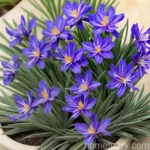
The Enchanting Snow Crocus (Crocus chrysanthus)
In the world of ornamental plants, few can rival the charm and resilience of the snow crocus (Crocus chrysanthus). This petite but robust flowering bulb is a herald of the end of winter, bringing delightful pops of color to gardens and landscapes. In this comprehensive guide, we will delve into the captivating realm of the snow crocus, exploring everything from its origins and cultural significance to its care requirements and landscaping potential.
What is the Snow Crocus (Crocus chrysanthus)?
The snow crocus, scientifically known as Crocus chrysanthus, is a diminutive but vibrant flowering plant species belonging to the Iridaceae family. Originating from regions spanning southeastern Europe to central Asia, this species is renowned for its early blooming cycle, often marking the end of the winter gloom with its cheerful blossoms. The name “crocus” is derived from the Greek word “krokos,” which refers to the saffron spice and the plant itself. The species epithet “chrysanthus” also has Greek roots, meaning “golden flower.”
Plant Characteristics
Snow crocus (Crocus chrysanthus) exhibits the following distinguishable features:
– Height and Spread: Typically reaching a height of 3-6 inches (7.5-15 cm) with a spread of 2-4 inches (5-10 cm).
– Flowering Behavior: Early blooming, often emerging in late winter to early spring, depending on the local climate.
– Plant Structure: Each bulb typically produces a single flower, although multiple bulbs can create a carpet of blooms.
– Color Variations: Available in a range of colors including shades of white, yellow, lavender, and striped variations.
Key Takeaways – Snow Crocus (Crocus chrysanthus)
Before delving into the specifics of snow crocus care and cultivation, let’s encapsulate the key takeaways of this endearing plant.
Snow Crocus (Crocus chrysanthus) at a Glance
- Scientific Name: Crocus chrysanthus
- Common Name: Snow Crocus
- Family: Iridaceae
- Flowering Period: Late winter to early spring
- Height: 3-6 inches (7.5-15 cm)
- Spread: 2-4 inches (5-10 cm)
- Flower Colors: White, Yellow, Lavender, Striped Variations
- Cultural Significance: Symbolizes the arrival of spring and renewal
- Landscape Use: Ideal for naturalizing in lawns, rock gardens, and woodland settings
Now that we have familiarized ourselves with the basic overview of the snow crocus (Crocus chrysanthus), let’s journey into its cultural significance, uses, and optimal growing conditions.
Culture
Understanding the cultural significance and traditional uses of the snow crocus enhances our appreciation for this captivating plant. Beyond its ornamental value, the snow crocus has been part of folklore and traditional medicine, adding layers of intrigue to its already enchanting allure.
Cultural Significance and Folklore
The snow crocus has been revered in various cultures and holds diverse symbolism, often centered around renewal, purity, and the arrival of spring. In Greek mythology, the crocus flower is associated with the story of Crocus and Smilax, which tells of a doomed love affair with poignant symbolism attached to the plant. The significant role of the crocus in folklore and culture adds to its timeless appeal and endears it to gardeners and enthusiasts around the world.
Traditional and Medicinal Uses
Historically, the snow crocus has been utilized in traditional medicine for its purported medicinal properties. While modern scientific evidence might not fully support its traditional uses, the flower and its components have been historically acclaimed for various health benefits, adding an extra layer of allure to this multifaceted plant.
Uses
The snow crocus (Crocus chrysanthus) serves various practical and aesthetic purposes, making it a cherished addition to diverse landscapes, from private gardens to public parks and beyond.
Ornamental Value
The primary use of the snow crocus lies in its ornamental value. Its early flowering period and delicate blooms make it a prized asset for adding vibrant color to gardens after the dreary winter months. Whether planted in clusters or scattered across lawns, the snow crocus brings an ethereal beauty to any setting, making it a highly sought-after bulb for gardeners and landscapers alike.
Naturalization
One of the most distinctive uses of snow crocus bulbs is their ability to naturalize. When appropriately planted, these bulbs can multiply and spread, forming expansive carpets of delicate flowers. This characteristic makes them invaluable for creating picturesque displays in expanses of grass, woodland areas, and rock gardens, transforming these spaces into enchanting floral landscapes.
Now that we’ve explored the cultural significance and uses of the snow crocus, we’ll transition to the essential care requirements that enable this plant to thrive and enchant beholders with its mesmerizing blooms.
Snow Crocus (Crocus chrysanthus) Care Tips
The successful cultivation of snow crocus (Crocus chrysanthus) hinges on understanding and meeting its specific care needs. From soil requirements to watering and sunlight preferences, caring for these delicate bulbs requires attention to detail and a tender touch.
Water
- Water Needs: Snow crocus bulbs prefer consistently moist soil during the growing season, especially in the spring when they are actively blooming. However, it is crucial to ensure adequate drainage to prevent waterlogging, which can lead to bulb rot.
- Watering Frequency: In the absence of rainfall, supplementary watering may be necessary, particularly during dry spells. Water the bulbs deeply but infrequently, allowing the soil to partially dry out between watering sessions.
Sunlight
- Sun Exposure: Snow crocus bulbs thrive in locations with full to partial sunlight. A minimum of 6 hours of direct sunlight is recommended for optimal flowering. In regions with hot summers, providing partial shade during the hottest part of the day can protect the delicate blooms.
Fertilizer
- Fertilization Schedule: Apply a balanced, all-purpose fertilizer in the autumn when the foliage begins to emerge. A slow-release fertilizer or a top dressing of compost can provide the necessary nutrients for healthy growth and future blooms.
- Avoid Excessive Fertilization: While providing adequate nutrients is essential, avoid over-fertilizing, as this can lead to excessive foliage growth at the expense of flower production.
Soil
- Soil Type: Well-draining, sandy loam soil is ideal for snow crocus bulbs. It is crucial to avoid heavy, compacted soils that can impede drainage and lead to bulb rot.
- Soil pH: Snow crocus bulbs thrive in slightly acidic to neutral soil with a pH range of 6.0 to 7.0. Amending the soil with organic matter can improve its structure and fertility.
Pruning
- Post-Flowering Care: Allow the foliage to mature and die back naturally after flowering. The leaves play a vital role in replenishing the bulb for the next season’s blooms. Refrain from prematurely removing the foliage, as this can weaken the bulb and diminish future flowering.
Snow Crocus (Crocus chrysanthus) Propagation
While snow crocus bulbs can naturally multiply and spread over time, intentional propagation methods can accelerate the process and allow for the strategic expansion of these charming flowers.
Division
- Division Time: After several years of growth, clumps of snow crocus bulbs can be carefully lifted and divided in the late spring or early summer, once the foliage has matured.
- Replanting: Replant the divided bulbs in prepared soil, ensuring a suitable spacing to accommodate their future growth and naturalization.
Now that we have established the care fundamentals for snow crocus (Crocus chrysanthus), let’s explore how these enchanting bulbs can be integrated into various settings, including container gardening and landscape designs.
Snow Crocus (Crocus chrysanthus) in Containers
Container gardening provides a versatile platform for showcasing the captivating beauty of snow crocus (Crocus chrysanthus). From small-scale urban settings to expansive patios and balconies, incorporating these charming bulbs into containers can bring joy and color to any space.
Container Selection
When selecting containers for snow crocus bulbs, consider the following factors:
– Size: Choose containers with adequate depth to accommodate the bulbs and allow for root development.
– Drainage: Ensure that the containers have drainage holes to prevent waterlogging, promoting healthy growth and preventing bulb rot.
Planting Depth and Arrangement
- Planting Depth: Position the bulbs at a depth approximately 3 times their size, ensuring that they are adequately covered with soil.
- Arrangement: Create visually appealing displays by planting bulbs in clusters or patterns within the container, maximizing their ornamental impact.
Sunlight and Watering Considerations
- Sun Exposure: Position the containers in locations that receive ample sunlight, ensuring that the bulbs have the necessary light for robust growth and prolific flowering.
- Watering Regimen: Monitor the moisture levels in the containers, watering the bulbs as needed to maintain consistently moist but well-drained soil.
Winter Care
During the winter months, containers with snow crocus bulbs may require specific care to protect them from frost and extreme conditions. Consider the following winter care tips:
– Insulation: Insulate the containers or bring them to a sheltered location during periods of prolonged freezing temperatures.
– Mulching: Provide a layer of organic mulch over the soil surface to insulate the bulbs and protect them from temperature fluctuations.
Popularity in Container Gardening
The inherent charm and adaptability of snow crocus bulbs have made them increasingly popular in container gardening. Their early blooming cycle and compact growth habit make them ideal candidates for bringing a touch of spring to container displays, captivating urban and suburban gardeners alike.
Now that we’ve explored the potential of snow crocus bulbs in containers, let’s investigate their broader popularity, common diseases, and pest control measures.
Popularity
The allure of snow crocus (Crocus chrysanthus) has transcended geographical boundaries, captivating gardening enthusiasts worldwide with its delicate beauty and cultural significance.
Gardeners’ Favorites
Gardeners and horticulturalists are drawn to snow crocus bulbs for numerous reasons, including:
– Early Blooming: The promise of early spring blooms makes snow crocus bulbs highly coveted, offering a precursor to the grandeur of the spring floral display.
– Naturalization: The ability of snow crocus bulbs to naturalize and form expansive carpets of blooms is an appealing feature for landscape designers and gardeners seeking to create captivating displays.
Container Gardening Appeal
The growing interest in container gardening has further fueled the popularity of snow crocus bulbs, with urban and suburban gardeners embracing these charming plants as a means of introducing early spring color to their outdoor spaces.
Snow Crocus Bulbs for Sale
The demand for snow crocus bulbs has led to their widespread availability in the market, with nurseries, garden centers, and online retailers offering a diverse array of cultivars and varieties to cater to the growing interest in these enchanting bulbs.
Common Diseases
While snow crocus (Crocus chrysanthus) is generally resilient and low-maintenance, it can be susceptible to certain diseases that can compromise its health and vigor. Understanding these diseases and their management is crucial for maintaining the long-term well-being of snow crocus bulbs.
Disease Diagnosis
When encountering signs of distress or abnormalities in snow crocus bulbs, it is essential to consider the following common diseases:
– Botrytis (Gray Mold): Recognized by fuzzy gray mold on the foliage and flowers, particularly in damp conditions.
– Fusarium Bulb Rot: Identified by rotting bulbs and a foul odor, often resulting from waterlogged or poorly drained soil.
– Viral Diseases: Manifest as mottled or distorted foliage, affecting the overall growth and vigor of the plants.
Disease Prevention and Management
To safeguard snow crocus bulbs from diseases, consider the following preventive measures:
– Cultural Practices: Implement proper cultural practices, including well-drained soil, adequate spacing, and suitable watering practices to minimize disease risk.
– Sanitation: Remove and destroy infected plant material to prevent the spread of diseases to healthy bulbs.
– Fungicidal Treatments: In severe cases, consider the targeted application of fungicides to manage and control fungal diseases.
Common Pests
In addition to diseases, snow crocus (Crocus chrysanthus) can sometimes fall prey to pests that can hinder their growth and diminish their ornamental value. Understanding common pests and their control measures is vital for maintaining the health and vitality of these endearing bulbs.
Pest Control
When faced with pest infestations, consider the following control strategies:
– Thrips: Monitor for thrips infestations, particularly during the flowering period, and consider the targeted application of insecticidal soaps or horticultural oils as a control measure.
– Squirrels and Rodents: Protect bulbs from foraging animals by employing physical barriers such as wire mesh or selecting repellents to deter their activity.
– Nematodes: Soil-borne nematodes can affect the health of snow crocus bulbs. Implementing crop rotation and soil amendments can help manage nematode populations.
Botanist’s Tips
Drawing from the collective wisdom and expertise of botanists and horticulturalists, we can glean invaluable insights and recommendations to elevate our cultivation of snow crocus (Crocus chrysanthus) to new heights.
Expert Recommendations
- Species Selection: When selecting snow crocus cultivars, opt for a diverse range of colors and variations to create visually captivating displays that showcase the spectrum of hues available within the species.
- Naturalization: Embrace the naturalizing tendencies of snow crocus bulbs, allowing them to multiply and spread to create striking blankets of color in appropriate settings such as lawns and woodland areas.
- Companion Planting: Explore companion planting options to complement snow crocus blooms, considering early spring bloomers and foliage plants that harmonize with the delicate flowers.
Planting Depth and Spacing
- Optimal Depth: Plant snow crocus bulbs at a depth of approximately 3-4 inches (7.5-10 cm) to ensure that they are adequately insulated and protected in the soil.
- Spacing Considerations: Provide ample spacing between bulbs to accommodate their naturalization and prevent overcrowding, maintaining healthy growth and future blooms.
Fun Facts
Uncover intriguing and delightful facts about snow crocus (Crocus chrysanthus) that contribute to its mystique and allure, enriching our appreciation for this captivating plant.
Fascinating Tidbits
- Symbolism: In addition to symbolizing the arrival of spring, the snow crocus is associated with themes of hope, rebirth, and rejuvenation, adding layers of meaning to its delicate blooms.
- Edible Uses: The petals of certain crocus species, including Crocus sativus, are a source of saffron, a prized spice in culinary endeavors with a long history.
Links to External Resources
For individuals seeking additional information and resources on snow crocus (Crocus chrysanthus), the following links are valuable reference points for expanding their knowledge and expertise:
- Royal Horticultural Society – Crocus: https://www.rhs.org.uk/advice/profile?PID=310
- The American Iris Society: https://www.irises.org/
- The Saffron Book: https://www.thesaffronbook.com/
In this comprehensive guide, we’ve embarked on a fascinating journey into the enchanting world of the snow crocus (Crocus chrysanthus). From its cultural significance and traditional uses to practical care tips and landscaping possibilities, the snow crocus has captivated our imagination and expanded our horticultural horizons. Whether adorning gardens, containers, or expansive landscapes, the snow crocus stands as a timeless emblem of renewal, beauty, and the enduring magic of nature.