Indian Saffron (Crocus Sativus L)
The Indian saffron, scientifically known as Crocus Sativus L., is an intriguing plant that has been revered for its vibrant flowers and prized for its.
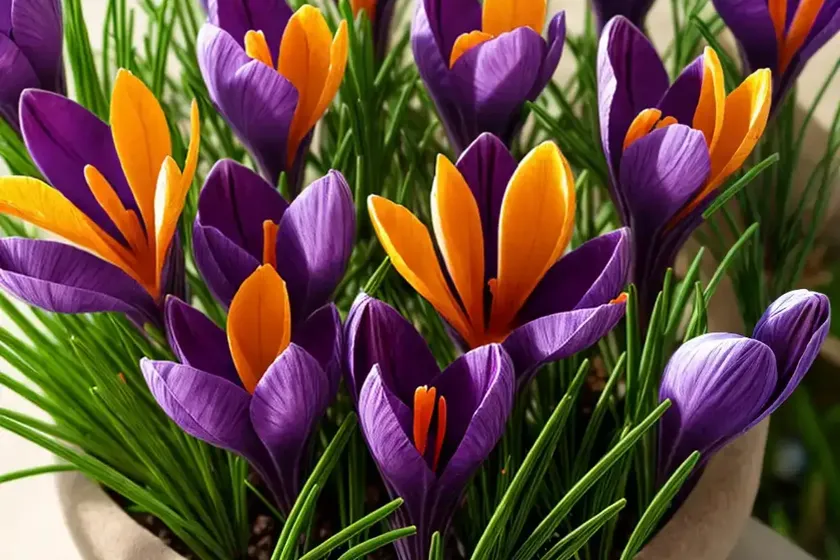
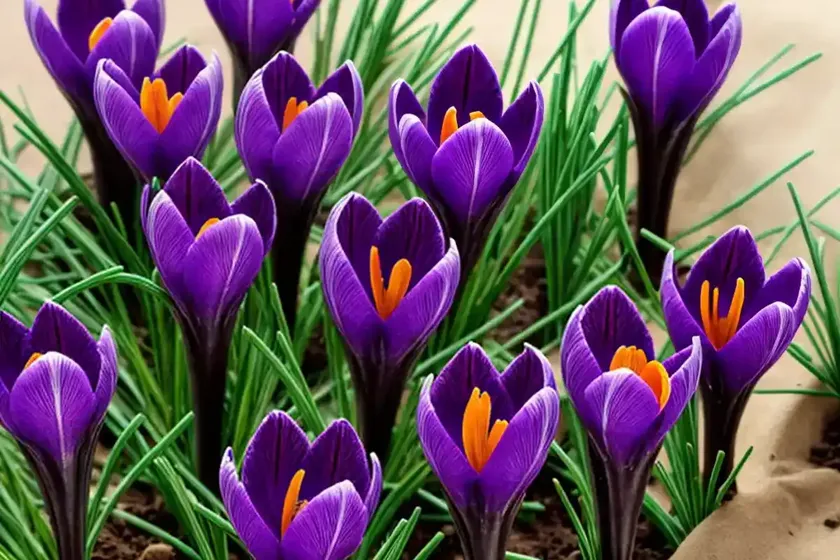
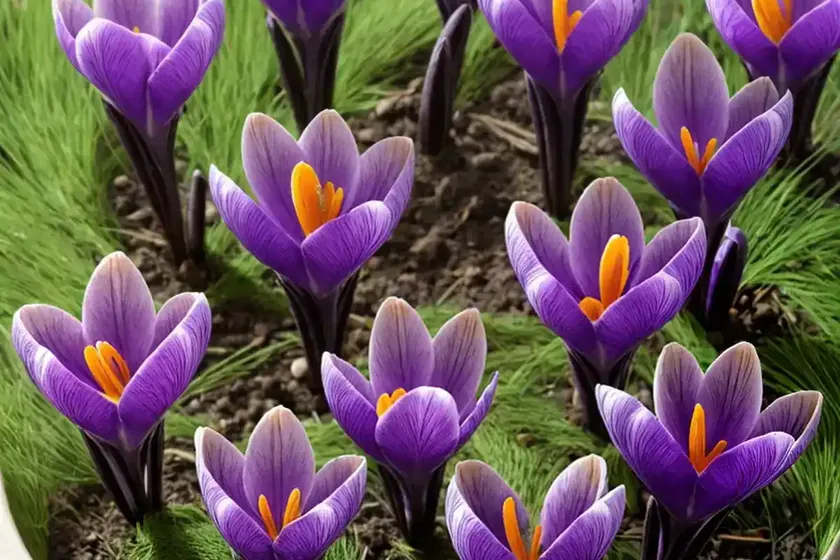
The Indian saffron, scientifically known as Crocus Sativus L., is an intriguing plant that has been revered for its vibrant flowers and prized for its saffron spice. This article will delve into the various aspects of the Indian saffron, including its culture, uses, care, diseases, and propagation, among others. By the end of this comprehensive discussion, you will have gained a deeper understanding of this mystic plant and its exhaustive range of applications.
What is Indian Saffron (Crocus Sativus L)?
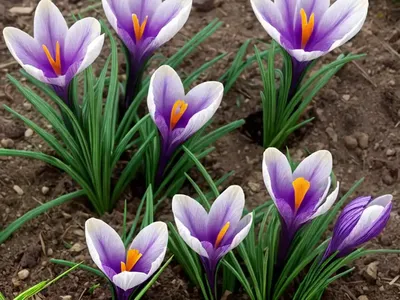
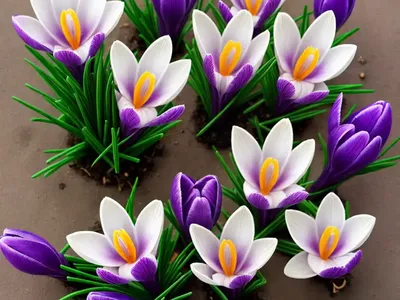
Indian saffron, or Crocus Sativus L., is a perennial plant from the Iridaceae family. It is renowned for its radiant lilac flowers with deep orange stigmas and styles, which are the source of the coveted saffron spice. This spice is valued for its rich aroma, distinct flavor, and vibrant color, making it an esteemed ingredient in various cuisines, medicinal preparations, and even in the textile industry.
Key Takeaways – Indian Saffron (Crocus Sativus L)
Before delving into the intricacies of Indian saffron, let’s highlight the key takeaways that will be addressed throughout this article, covering the plant’s culture, uses, care, diseases, and more:
- Saffron Plant: Understanding the botanical and culinary significance of the saffron plant.
- Cultivation: The nuances of cultivating Indian saffron and its significance in Indian agriculture.
- Saffron Spice: Exploring the extensive uses of saffron in diverse culinary preparations.
- Medicinal Uses: Unraveling the medicinal benefits and Ayurvedic properties of Indian saffron.
- Growing at Home: Tips and techniques for cultivating saffron in a home garden.
- Propagation: Understanding the methods for propagating Indian saffron and expanding its cultivation.
- Container Cultivation: Insights into growing saffron in containers for urban and limited-space environments.
- Diseases and Pests: Identifying common diseases and pests that affect Indian saffron and strategies for their management.
- Botanist’s Tips: Expert guidance and recommendations for maximizing the growth and output of saffron plants.
- Fun Facts: Exploring intriguing and lesser-known facts about Indian saffron that add to its allure.
Now, let’s explore each of these facets in detail, shedding light on the captivating world of Indian saffron.
Culture
The culture of Indian saffron embodies a rich tapestry of traditions, culinary artistry, and holistic wellness. From its historical roots to its contemporary applications, this section will provide a comprehensive overview of the plant’s cultural significance in India and beyond.
Saffron in Indian Tradition and Cuisine
Indian saffron holds a revered status in Indian culture and traditional medicine, dating back to ancient times. It is an integral element in various Indian festivals, rituals, and culinary creations. The distinct aroma and vibrant color of saffron make it an essential ingredient in traditional Indian sweets, savory dishes, and beverages.
In regions such as Kashmir, saffron cultivation holds historical and cultural significance, with the “Kesar” or saffron fields depicting mesmerizing landscapes awash in hues of purple during the blooming season. Saffron has been a symbol of prosperity and luxury in Indian culture, often used in royal feasts and celebratory events.
Ayurvedic Properties and Medicinal Significance
In Ayurveda, the ancient Indian system of medicine, saffron is highly esteemed for its medicinal properties. It is believed to have a balancing effect on the doshas—vata, pitta, and kapha—and is utilized in various Ayurvedic formulations. Saffron is associated with promoting overall wellness, enhancing mood, and supporting reproductive health in Ayurvedic practices.
Furthermore, saffron holds significance in traditional Indian medicine for its potential benefits in managing various conditions, including but not limited to:
- Skin Health: Saffron is often used in skincare formulations for its purported ability to promote radiant skin and address certain skin concerns.
- Respiratory Health: It is believed to have respiratory health benefits and has been traditionally used in preparations for respiratory wellness.
- Eye Health: Saffron is associated with supporting eye health and is utilized in formulations for ocular well-being.
The incorporation of saffron in traditional Indian wellness practices exemplifies its multidimensional significance beyond its culinary appeal.
Uses
The uses of Indian saffron extend far beyond its application as a spice, permeating various sectors such as culinary arts, herbal formulations, and even textile dyeing. This section will shed light on the multifaceted uses and applications of Indian saffron, encompassing its presence in contemporary culinary creations, medicinal products, and traditional practices.
Culinary Uses of Saffron
The saffron spice is cherished for its distinctive flavor profile, vivid color, and aromatic essence, making it a prized addition to a diverse array of culinary preparations. Its uses include:
- Flavor Enhancer: Saffron infuses dishes with a unique essence, lending a subtle yet complex flavor that elevates the overall culinary experience.
- Colorant: The vibrant hues imparted by saffron are used to enhance the visual appeal of various dishes, especially in rice, desserts, and beverages.
- Fragrance Booster: Beyond its taste and color, saffron contributes to the olfactory dimension of a dish, enriching the gastronomic encounter.
In Indian cuisine, saffron is a fundamental ingredient in the preparation of biryanis, kheer (Indian rice pudding), curries, and a myriad of sweets and savory dishes. Its opulent presence in traditional Indian sweets, such as the delectable “kesar halwa,” underscores its intrinsic connection to the culinary heritage of India.
Medicinal and Wellness Applications
The medicinal applications of saffron encompass a broad spectrum of uses, reflecting its potential in holistic wellness and herbal remedies. Saffron is incorporated into diverse formulations, including:
- Herbal Supplements: Saffron is utilized in the production of herbal supplements and formulations targeted towards specialized wellness needs.
- Ayurvedic Preparations: It features prominently in Ayurvedic formulations intended to enhance vitality, promote mental well-being, and support various facets of physiological health.
- Beauty Products: Saffron is integrated into skincare and cosmetic products, capitalizing on its perceived skin-brightening and rejuvenating properties.
The versatility of Indian saffron in culinary and holistic wellness spheres underscores its enduring relevance and multifaceted utility in modern-day applications.
Water
Water is a crucial factor influencing the growth and development of Indian saffron. Understanding the plant’s water requirements and implementing appropriate irrigation practices are pivotal in ensuring its optimal health and yield. This section will delve into the key considerations related to watering Indian saffron, elucidating the best practices for maintaining its vigor and productivity.
Watering Guidelines for Indian Saffron
Indian saffron necessitates well-drained soil and moderate watering levels, especially during its active growth phase. The following guidelines are essential for effectively managing the water requirements of Indian saffron:
- Well-Draining Soil: Cultivate Indian saffron in well-draining soil to prevent waterlogging, which can be detrimental to the plant’s health.
- Moderate Watering: During the growing season, provide moderate and consistent moisture to the saffron plants. Avoid overwatering, as it can lead to root rot and other issues.
- Reduced Watering in Dormancy: When Indian saffron enters its dormancy phase, reduce watering to allow the bulbs to rest and prepare for the subsequent growth cycle.
Striking a harmonious balance in watering practices is fundamental to supporting the robust growth and sustained yield of Indian saffron plants.
Sunlight
Sunlight serves as an indispensable energy source for plants, driving the process of photosynthesis and influencing their overall vitality. Understanding the sunlight requirements of Indian saffron is pivotal in creating an optimal growth environment. In this section, we will delve into the sunlight needs of Indian saffron and how to cater to its specific light requirements for optimal results.
Sunlight Requirements for Indian Saffron
Indian saffron plants thrive in environments characterized by ample sunlight, necessitating the following conditions for optimal growth:
- Full Sun: Ensure that saffron plants receive ample sunlight, ideally in full sun conditions, for at least 6 to 8 hours per day.
- Protection from Excessive Heat: While saffron plants require sunlight, it is important to protect them from excessive heat, especially in regions with intense summer temperatures.
- Balanced Light Exposure: Strive to provide balanced light exposure to saffron plants throughout the day, allowing for adequate photosynthetic activity without subjecting them to prolonged periods of extreme heat.
By catering to the sunlight needs of Indian saffron, you can create an environment conducive to robust growth and optimal saffron production.
Fertilizer
Fertilization plays a crucial role in enhancing the growth, vigor, and yield of Indian saffron. Selecting the appropriate fertilizers and implementing targeted fertilization strategies are instrumental in fortifying the saffron plants and maximizing their saffron output. This section will delve into the nuances of fertilization for Indian saffron, providing actionable insights for optimizing its cultivation.
Fertilizer Recommendations for Indian Saffron
When it comes to fertilizing Indian saffron, thoughtful consideration of the plant’s nutrient requirements is essential. Here are key fertilization guidelines for nurturing healthy saffron plants:
- Well-Balanced Fertilizers: Utilize well-balanced fertilizers with a focus on macro and micronutrients, catering to the specific nutritional needs of saffron plants.
- Seasonal Fertilization: Administer fertilizers during the active growth phase of Indian saffron, ensuring that the plants receive essential nutrients for robust development.
- Organic Amendments: Incorporate organic amendments, such as compost or well-rotted manure, to enrich the soil and fortify the saffron plants with natural nutrients.
By adhering to meticulous fertilization practices, you can fortify Indian saffron plants with the essential nutrients vital for their health and vitality, consequently optimizing their saffron output.
Soil
The quality of soil directly influences the growth, health, and yield of Indian saffron. Cultivating Indian saffron in optimal soil conditions is pivotal in ensuring its sustained productivity. This section will delve into the soil requirements for Indian saffron and provide insights into soil preparation and amendment strategies tailored to its specific growth needs.
Soil Composition for Indian Saffron
Indian saffron thrives in well-draining, loose, and fertile soil that provides an ideal environment for its bulb development and saffron production. Optimal soil conditions for Indian saffron include the following aspects:
- Well-Draining: Cultivate saffron in well-draining soil to prevent waterlogging, which can be detrimental to the plants.
- Nutrient-Rich: Enrich the soil with organic matter to fortify it with essential nutrients pivotal for sustaining the growth and performance of saffron plants.
- Moderate pH: Aim for a slightly acidic to neutral pH range, ideally between 6.0 and 7.5, to provide an ideal soil environment for Indian saffron cultivation.
Preparing and maintaining soil that aligns with Indian saffron’s growth requirements is crucial for fostering robust plant development and maximizing saffron yield.
Pruning
Pruning is a fundamental horticultural practice that influences the growth, vigor, and floral output of Indian saffron. Employing strategic pruning techniques is essential for optimizing saffron production and maintaining the health and balance of saffron plants. This section will delve into the best practices for pruning Indian saffron, empowering growers to maximize its yield and vitality.
Pruning Guidelines for Indian Saffron
Pruning Indian saffron entails the removal of spent flowers and withering foliage to stimulate plant vigor, bulb development, and subsequent saffron yield. Here’s a summary of effective pruning practices specific to Indian saffron:
- Deadheading Flowers: Promptly remove spent saffron flowers to redirect the plant’s energy towards bulb development and the generation of new flowers.
- Foliage Maintenance: Remove withering or diseased foliage to prevent the spread of diseases and maintain the overall health and aesthetics of saffron plants.
- End-of-Season Pruning: Perform a comprehensive pruning at the end of the flowering season to encourage bulb multiplication and prepare the plants for the next growth cycle.
Employing prudent pruning practices optimizes the vigor, floral abundance, and bulb expansion of Indian saffron, amplifying its overall performance.
Propagation
Understanding the propagation methods for Indian saffron is instrumental in expanding its cultivation and ensuring continued saffron production. This section will elucidate the various propagation techniques employed for Indian saffron, empowering growers to propagate and proliferate this captivating plant with notable saffron yield potential.
Propagation Methods for Indian Saffron
Indian saffron can be propagated through several strategic methods, including division of corms and seed propagation. Each method offers distinct advantages and considerations related to the propagation of Indian saffron:
- Division of Corms: This method involves dividing mature corms into smaller sections and replanting them to generate new saffron plants, utilizing the plant’s natural growth cycle for propagation.
- Seed Propagation: Propagating Indian saffron from seeds offers an alternative approach for expanding its cultivation, facilitating genetic diversity and new varietal development.
By exploring diverse propagation techniques, growers can augment the cultivation and propagation of Indian saffron, fostering its sustained presence in diverse agricultural and horticultural landscapes.
Container Cultivation
The practice of cultivating Indian saffron in containers presents an appealing prospect for urban and space-constrained environments, enabling enthusiasts to partake in its cultivation regardless of spatial limitations. This section will delineate the strategies and best practices for growing Indian saffron in containers, catering to the needs of container gardening enthusiasts and urban growers.
Container Cultivation of Indian Saffron
Cultivating Indian saffron in containers necessitates the employment of specific approaches and considerations tailored to container gardening, encompassing the following aspects:
- Container Selection: Opt for well-draining and spacious containers that provide adequate room for saffron bulbs to grow and thrive.
- Growing Medium: Utilize a well-balanced, nutrient-rich growing medium conducive to the growth and saffron production of the plants within the confines of containers.
- Placement and Sunlight: Position the containers in locations that receive ample sunlight and provide a conducive environment for Indian saffron’s growth and floral development.
Container cultivation expands the accessibility of Indian saffron cultivation, allowing enthusiasts to partake in its growth and reap the rewards of saffron production despite limited gardening space.
Popularity
The enduring allure and popularity of Indian saffron resonate throughout various domains, from culinary arts and holistic wellness to textile dyeing and traditional practices. This section will explore the global and regional significance of Indian saffron, offering insights into its widespread popularity and continued relevance in contemporary contexts.
Global Significance of Indian Saffron
Indian saffron holds a prominent position on the global stage, resonating with diverse cultures and industries for its multifaceted applications, including:
- Culinary Arts: The distinct flavor, color, and aroma of Indian saffron have cemented its status as a coveted spice in global cuisine, enriching an array of culinary creations from savory dishes to desserts.
- Wellness and Herbal Remedies: The medicinal and Ayurvedic properties of Indian saffron have propelled its integration into various wellness formulations and holistic health practices worldwide.
- Textile Industry: Saffron’s natural dyeing properties have found applications in the textile industry, contributing to the creation of vibrant fabrics adorned with saffron-derived hues.
- Cultural and Traditional Significance: Indian saffron embodies cultural richness and traditional significance, permeating global festivals, cuisines, and holistic wellness practices.
The enduring popularity of Indian saffron underscores its profound impact on global culinary, wellness, and cultural landscapes, solidifying its status as a treasured botanical commodity.
Common Diseases
Indian saffron, like any cultivated plant, is susceptible to a range of diseases that can compromise its growth, floral output, and overall health. Familiarizing oneself with common saffron diseases and their management is paramount in safeguarding the vigor and yield of Indian saffron plants. This section will address prevalent diseases that affect Indian saffron and strategic measures for disease management and prevention.
Common Diseases Affecting Indian Saffron
Indian saffron may be susceptible to various diseases, including but not limited to:
- Fungal Diseases: Saffron plants are prone to fungal infections, such as corm rot and leaf spot diseases, triggered by conditions conducive to fungal proliferation.
- Viral Infections: Viral diseases can impact the health and yield of saffron plants, leading to symptoms such as stunted growth and reduced floral output.
- Bacterial Pathogens: Bacterial pathogens may cause diseases in Indian saffron, manifesting in symptoms such as leaf browning and necrosis.
Proactive disease management measures, including proper sanitation, strategic planting practices, and timely interventions, are pivotal in averting and mitigating the impact of these ailments on Indian saffron.
Disease Diagnosis
Diagnosing diseases that afflict Indian saffron is a crucial aspect of maintaining the health and productivity of saffron plants. The correct identification of saffron diseases underpins the formulation of targeted disease management strategies, fortifying the plants against detrimental impacts. This section will outline effective disease diagnosis guidelines for Indian saffron, empowering growers with the tools to identify and address potential diseases accurately.
Diagnosing Diseases in Indian Saffron
Accurate disease diagnosis involves the systematic evaluation of saffron plants and their symptoms, encompassing the following steps:
- Symptom Identification: Observe and document the symptoms manifested by the saffron plants, including leaf discoloration, wilting, and unusual growth patterns.
- Pathogen Identification: Employ diagnostic tools and expert resources to identify potential pathogens responsible for the observed symptoms.
- Laboratory Analysis: When necessary, conduct laboratory analyses to confirm the presence of pathogens and gain insights into disease causative agents.
Precise disease diagnosis is instrumental in instituting targeted disease management protocols, safeguarding the health, yield, and longevity of Indian saffron plants.
Common Pests
Pest infestations can pose significant challenges to the growth and productivity of Indian saffron, necessitating vigilant monitoring and strategic pest management measures. Familiarizing oneself with common saffron pests and their management is pivotal in preserving the health and vigor of saffron plants. This section will encapsulate prevalent pests that affect Indian saffron and effective pest management strategies for their control.
Common Pests Affecting Indian Saffron
Indian saffron may be susceptible to pest infestations by a range of organisms, including:
- Thrips and Mites: These tiny pests can infest saffron flowers and foliage, causing damage and compromising the overall health of the plants.
- Nematodes: Nematode infestations can undermine the root health and vigor of saffron plants, leading to diminished growth and saffron yield.
- Caterpillars and Larvae: Certain caterpillar species and their larvae can feed on sa