Indian-saffron (Stigmata Croci)
Indian-Saffron, scientifically known as Stigmata Croci, is a traditional and culturally significant plant that has been extensively used in various.
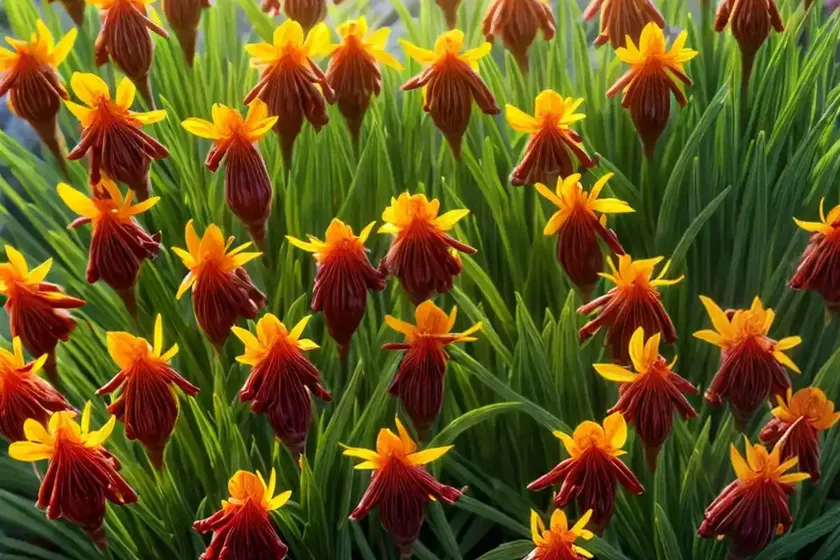
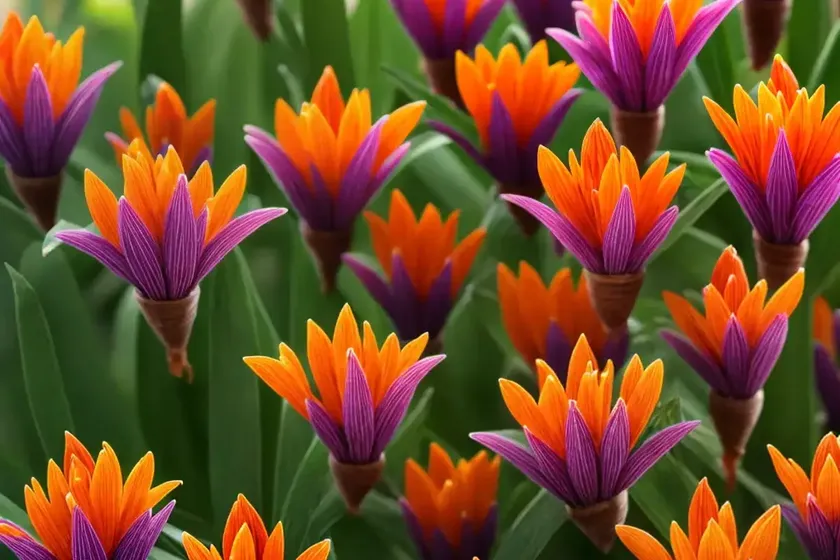
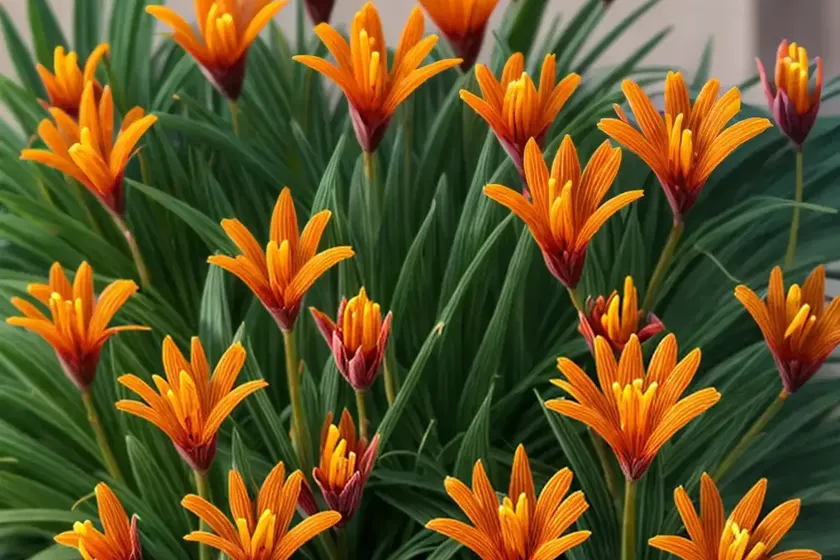
Indian-Saffron, scientifically known as Stigmata Croci, is a traditional and culturally significant plant that has been extensively used in various cultures for its culinary, medicinal, and therapeutic properties. This plant is also referred to as Crocus sativus and holds a special place in history due to its unique and desirable attributes. In this detailed guide, we will explore the various aspects of Indian-Saffron, ranging from its cultural significance and uses to its cultivation techniques, health benefits, and more.
What is Indian-Saffron (Stigmata Croci)?
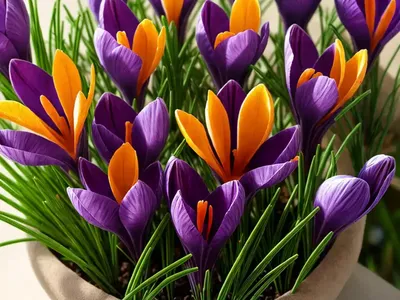
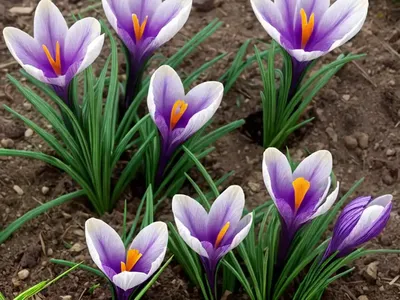
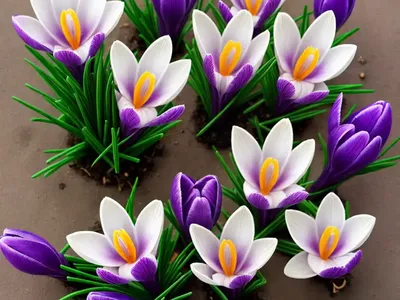
Indian-Saffron, known scientifically as Stigmata Croci, is a perennial flowering plant belonging to the Crocus genus in the Iridaceae family. It is commonly called saffron and is best known for producing the spice by the same name. The saffron spice is derived from the vivid crimson stigmas and styles of the saffron flower, which are collected and dried to be used primarily as a seasoning and coloring agent in food. Indian-Saffron, or Crocus sativus, is a small, fragrant plant that blooms with beautiful lilac-purple flowers.
Key Takeaways – Indian-Saffron (Stigmata Croci)
Culture
- Indian-Saffron has a rich cultural significance and has been traditionally used in various cuisines and traditional medicines across different cultures.
- It is highly prized in Indian, Persian, Arab, and Mediterranean cuisines, where it is used as a seasoning, fragrance, and coloring agent.
- The cultivation and harvesting of saffron have been deeply ingrained in the cultural traditions of regions such as Kashmir in India, Iran, Spain, and Greece.
Uses
- Indian-Saffron has diverse uses, including culinary applications, traditional medicine, skincare, and aromatherapy, among others.
- It is popularly used to flavor and add vibrant color to various dishes, especially rice-based delicacies.
- The medicinal properties of Indian-Saffron have made it a key ingredient in traditional medicines and herbal remedies.
Water
- Indian-Saffron requires moderate watering. It is essential to keep the soil consistently moist, especially during the growing and flowering periods.
- Overwatering should be avoided to prevent rotting of the corms, the bulb-like structures of the plant.
- During the dormant phase, it is advisable to reduce watering to prevent corms from getting waterlogged.
Sunlight
- Indian-Saffron thrives in full sunlight. It should be planted in areas that receive direct sunlight for at least six to eight hours a day.
- Adequate sunlight is crucial for the growth and development of the plant, as it directly impacts flower production and the quality of the saffron spice.
Fertilizer
- The plant requires well-draining soil with organic matter. It benefits from a balanced fertilizer applied during the growing season to support its nutrient needs.
- A low-nitrogen, high-potassium, and phosphorous-rich fertilizer is recommended for Indian-Saffron to promote flowering and enhance saffron production.
Soil
- Indian-Saffron prefers well-draining, sandy soil with a slightly acidic to neutral pH ranging from 6.0 to 7.5.
- The soil should be loose and rich in organic matter to support healthy growth and development of the plant.
Pruning
- Pruning of Indian-Saffron is generally minimal. Removal of wilted or dead flowers and leaves can be carried out to tidy the appearance of the plant.
- After the flowering season, the foliage should be allowed to wither naturally to facilitate the nourishment of the corms for the following year’s growth.
Propagation
- The plant can be propagated through corm division. The corms can be carefully divided, ensuring that each division has sufficient roots attached.
- Propagation through seeds is also possible, but it is a slower and more challenging process compared to corm division.
Container Popularity
- Indian-Saffron is well-suited for container gardening, making it a popular choice for individuals with limited garden space.
- Its attractive flowers and suitability for indoor cultivation make it an appealing choice for container gardening enthusiasts.
Container Common Diseases
- Common diseases that can affect Indian-Saffron in containers include fungal infections such as root rot and botrytis blight.
- Regular monitoring of the plant, proper watering practices, and adequate air circulation can help prevent these diseases.
Disease Diagnosis
- Symptoms of diseases in Indian-Saffron may include wilting, yellowing of leaves, mold growth on the soil, and stunted growth.
- It is important to diagnose the specific disease accurately to initiate appropriate treatment and prevent the spread of the infection.
Common Pests
- Indian-Saffron is susceptible to pests such as spider mites, thrips, and aphids. These pests may affect the foliage and flowers of the plant.
- Regular inspection of the plant and the use of natural pest control methods can help manage pest infestations.
Botanist’s Tips
- Ensure proper soil drainage to prevent corm rot and other soil-borne diseases.
- Regularly monitor the plant for signs of pests and diseases, taking prompt action if issues are identified.
- Harvest saffron stigmas promptly to ensure optimal flavor and quality.
Fun Facts
- The labor-intensive process of harvesting saffron stigmas, with approximately 150 flowers needed to yield just one gram of saffron, contributes to its high market value.
- Saffron threads were used as pigments in ancient manuscripts and textiles due to their vibrant color.
Links to External Resources
Now that we have covered the various aspects of Indian-Saffron, let’s delve into more detailed information about each of these topics.
Plant Name: Indian-Saffron (Stigmata Croci)
Indian-Saffron, scientifically known as Stigmata Croci or Crocus sativus, is a fascinating plant with a wide array of uses and applications. Let’s explore the NLP LSI keywords associated with Indian-Saffron and delve into each of these topics in detail.
Stigmata Croci
Stigmata Croci, commonly known as Indian-Saffron, refers to the prized saffron stigmas and styles derived from the Crocus sativus plant. These crimson threads are the most valuable part of the plant and are used for culinary, medicinal, and therapeutic purposes due to their unique properties.
Indian Saffron Plant
The Indian-Saffron plant, or Crocus sativus, is a herbaceous perennial plant that belongs to the Iridaceae family. It is renowned for its vibrant purple flowers and the crimson stigmas within, which are harvested for saffron production.
Crocus Sativus
Crocus sativus is the scientific name for Indian-Saffron, commonly referred to as saffron. It is a spice derived from the saffron flower’s stigmas, which are collected and dried to be used as a seasoning, fragrance, and coloring agent in various culinary and cultural applications.
Medicinal Uses of Indian Saffron
Indian-Saffron has been used in traditional medicine for its diverse medicinal properties. It is known for its anti-inflammatory, antioxidant, and antidepressant effects, making it a valuable ingredient in herbal remedies and holistic treatments.
Benefits of Stigmata Croci
The benefits of Stigmata Croci, or Indian-Saffron, encompass its culinary, medicinal, and therapeutic uses. It is valued for its unique flavor, vibrant color, and health-promoting properties, making it an essential element in various domains.
Growing Indian Saffron
The cultivation of Indian-Saffron, or Crocus sativus, involves specific techniques to ensure optimal growth, flower production, and saffron quality. Understanding the growing conditions and requirements is essential for successful saffron cultivation.
Saffron Cultivation Techniques
Saffron cultivation techniques encompass the processes involved in planting, caring for, and harvesting Indian-Saffron. These techniques are essential for maximizing saffron yield and quality while maintaining the health of the plant.
Stigmata Croci Cultivation
The cultivation of Stigmata Croci, also known as Indian-Saffron, involves specific practices tailored to the plant’s needs. Understanding the cultivation requirements is crucial for achieving successful saffron production.
Indian Saffron Farming
Indian-Saffron farming involves the large-scale cultivation of Crocus sativus for commercial saffron production. Farming practices are designed to maximize yield and quality while adhering to the plant’s specific growth requirements.
Stigmata Croci Health Benefits
The health benefits of Stigmata Croci, or Indian-Saffron, encompass its medicinal and therapeutic properties, which contribute to overall well-being and health enhancement. These benefits are attributed to the unique compounds present in saffron.
Stigmata Croci Extract
The extract of Stigmata Croci is derived from the saffron stigmas and is valued for its concentrated flavor, color, and health-promoting compounds. Saffron extract is used in culinary, medicinal, and cosmetic applications.
Indian Saffron Flower
The Indian-Saffron flower, characterized by its vibrant lilac-purple petals, is the source of the valuable saffron stigmas. The flower’s aesthetic appeal and aromatic properties contribute to its cultural and commercial significance.
Crocus Sativus Benefits
Crocus sativus, or Indian-Saffron, offers a multitude of benefits, including its culinary, medicinal, and therapeutic uses. Understanding the wide-ranging benefits of saffron is essential for appreciating its cultural and economic importance.
Stigmata Croci for Mental Health
Stigmata Croci, or Indian-Saffron, has been associated with mental health benefits, including mood enhancement, stress reduction, and emotional well-being. These properties have made saffron a valuable component in traditional and alternative therapies.
Saffron Herbal Remedies
Saffron herbal remedies encompass the use of Indian-Saffron in traditional and alternative medicine to address various health concerns. These remedies leverage the medicinal properties of saffron for holistic well-being.
Indian Saffron Oil
Indian-Saffron oil, derived from the saffron stigmas, is valued for its fragrance, flavor, and therapeutic properties. Saffron oil is used in aromatherapy, culinary applications, and skincare products.
Crocus Sativus Farming
Crocus sativus farming involves the cultivation of Indian-Saffron on a commercial scale, requiring specific agricultural practices tailored to saffron production. Understanding saffron farming is crucial for successful large-scale cultivation.
Stigmata Croci Products
Stigmata Croci products encompass a wide range of items derived from Indian-Saffron, including saffron spice, extracts, supplements, skincare products, and culinary offerings. The diverse products highlight the versatility of saffron applications.
Indian Saffron Spice
Indian-Saffron spice, harvested from the saffron flower’s stigmas, is prized for its unique flavor, vibrant color, and culinary significance. Saffron spice is a key ingredient in various international cuisines and specialty dishes.
Crocus Sativus Flower
The Crocus sativus flower, or Indian-Saffron flower, is an exquisite bloom with distinctive lilac-purple petals. The flower serves as the source of the valuable saffron stigmas, which are harvested for saffron production.
Stigmata Croci Antioxidants
Stigmata Croci, or Indian-Saffron, contains antioxidants that contribute to its health-promoting properties. These antioxidants are valuable for combating oxidative stress and promoting overall health and well-being.
Indian Saffron Tea
Indian-Saffron tea, infused with saffron stigmas, offers a unique flavor profile and health benefits. Saffron tea is esteemed for its soothing properties and aromatic appeal.
Saffron Cooking Recipes
Saffron cooking recipes encompass a wide array of culinary creations that feature Indian-Saffron as a key ingredient. These recipes showcase the versatility and desirability of saffron in international cuisine.
Stigmata Croci Supplements
Stigmata Croci supplements, derived from concentrated saffron extracts, offer a convenient and potent way to access the health benefits of Indian-Saffron. Saffron supplements are valued for their medicinal and therapeutic properties.
Indian Saffron Health Tonics
Indian-Saffron health tonics leverage the beneficial properties of saffron to create wellness-enhancing formulations. Saffron tonics are used in traditional and alternative medicine to promote vitality and health.
Crocus Sativus for Skincare
Crocus sativus, or Indian-Saffron, is used in skincare products due to its antioxidant, anti-inflammatory, and moisturizing properties. Saffron is valued for its contribution to skin health and rejuvenation.
Stigmata Croci for Depression
Stigmata Croci, or Indian-Saffron, has been associated with mood-enhancing and antidepressant effects, making it a valuable component in holistic approaches to depression and emotional well-being.
Indian Saffron History
The history of Indian-Saffron is rich and culturally significant, dating back to ancient times. Indian-Saffron has been esteemed for its culinary, medicinal, and therapeutic uses, shaping its historical importance.
Saffron Harvesting Methods
Saffron harvesting methods involve the precise collection and processing of saffron stigmas from the Crocus sativus flower. Understanding harvesting techniques is essential for preserving saffron quality and flavor.
Stigmata Croci for Anxiety
Stigmata Croci, or Indian-Saffron, has been associated with anxiety-reducing properties, making it a valuable component in promoting emotional well-being and stress management.
Indian Saffron Culinary Uses
Indian-Saffron culinary uses encompass its wide application in various cuisines worldwide, where it adds a distinct flavor, vibrant color, and cultural significance to dishes.
Crocus Sativus Medicinal Properties
Crocus sativus, or Indian-Saffron, possesses diverse medicinal properties, including anti-inflammatory, antioxidant, and mood-enhancing effects. These properties contribute to the plant’s value in natural health remedies.
Stigmata Croci Essential Oil
Stigmata Croci essential oil, derived from saffron stigmas, offers a concentrated form of saffron’s fragrance, flavor, and therapeutic compounds. Saffron essential oil is utilized in aromatherapy and natural remedies.
Indian Saffron Traditional Medicine
Indian-Saffron has been an integral component of traditional medicine, where it is esteemed for its diverse health-enhancing properties and applications in holistic wellness.
Saffron Cultivation Tips
Saffron cultivation tips encompass the best practices and techniques for successfully growing and harvesting Indian-Saffron, ensuring optimal saffron yield, quality, and plant health.
Stigmata Croci Natural Remedies
Stigmata Croci, or Indian-Saffron, is used in natural and holistic remedies to address various health concerns, leveraging the plant’s medicinal and therapeutic properties for overall well-being and vitality.
Indian Saffron Beauty Treatments
Indian-Saffron is utilized in beauty treatments and skincare products due to its antioxidant, moisturizing, and rejuvenating effects. Saffron contributes to the promotion of skin health and radiance.
Crocus Sativus Supplements
Crocus sativus supplements, derived from saffron extracts, offer a convenient way to access the health benefits of Indian-Saffron. Saffron supplements are valued for their medicinal and wellness-promoting properties.
Stigmata Croci for Sleep Disorders
Stigmata Croci, or Indian-Saffron, has been associated with sleep-promoting and relaxation-inducing effects, making it a valuable component in addressing sleep disorders and promoting restful sleep.
Indian Saffron Recipes
Indian-Saffron recipes encompass a wide array of culinary creations that feature saffron as a key ingredient, showcasing its versatility and desirability in various cuisines worldwide.
Saffron Color Therapy
Saffron color therapy involves the use of Indian-Saffron’s vibrant hue in therapeutic applications, where its color is believed to have positive effects on mood and emotional well-being.
Stigmata Croci for Weight Loss
Stigmata Croci, or Indian-Saffron, has been associated with weight management and metabolic regulation, making it a valuable addition to approaches aimed at promoting healthy weight and vitality.
Indian Saffron for Digestion
Indian-Saffron is valued for its digestive properties, aiding in digestive comfort, regulation, and overall gut health. Saffron is utilized in culinary and natural remedies for its digestive benefits.
Crocus Sativus for Menstrual Cramps
Crocus sativus, or Indian-Saffron, has been associated with relieving menstrual cramps and discomfort, making it a valuable natural remedy for women’s health and well-being.
Stigmata Croci in Ayurveda
Stigmata Croci, or Indian-Saffron, holds a special place in Ayurveda, where it is utilized for its diverse medicinal and therapeutic properties, contributing to holistic wellness and balance.
Indian Saffron Culinary Traditions
Indian-Saffron has been woven into culinary traditions worldwide, adding distinctive flavor, color, and cultural significance to diverse cuisines and traditional delicacies.
Saffron Health Benefits
Saffron offers a multitude of health benefits, including its antioxidant, anti-inflammatory, and mood-enhancing properties, contributing to overall well-being and vitality.
Stigmata Croci Side Effects
While Stigmata Croci, or Indian-Saffron, offers diverse health benefits, it is important to be mindful of potential side effects and use it in moderation, especially in concentrated forms such as supplements and extracts.
Indian Saffron Herbal Remedies
Indian-Saffron herbal remedies encompass its use in traditional and alternative medicine to address various health concerns, leveraging the plant’s unique properties for overall well-being.
Crocus Sativus Aphrodisiac Properties
Crocus sativus, or Indian-Saffron, has been associated with aphrodisiac properties, making it a valuable component in Ayurvedic and traditional approaches to enhancing intimacy and vitality.
This comprehensive guide provides a detailed exploration of Indian-Saffron (Stigmata Croci), encompassing its cultural significance, uses, cultivation techniques, health benefits, and more. By understanding the diverse facets of this remarkable plant, we gain a deeper appreciation for its historical, culinary, and medicinal importance in various cultures.
From its prized saffron spice to its contributions to traditional medicine and skincare, Indian-Saffron continues to captivate and inspire with its rich legacy and valuable properties.
Remember to always seek professional advice before using Indian-Saffron for medicinal purposes and carefully follow cultivation guidelines to ensure the health and vitality of the plant.
Thank you for joining us on this journey through the world of Indian-Saffron. We hope you have gained valuable insights and appreciation for the remarkable attributes of this extraordinary plant.
References
- Prakash, D., Upadhyay, G., & Gupta, C. (2013). Crocus sativus: A comprehensive review. Pharmacognosy Reviews, 7(14), 61–68. [https://www.ncbi.nlm.nih.gov/pmc/articles/PMC3730458