Spanish Moss (Tillandsia Usneoides)
Tillandsia usneoides, commonly known as Spanish moss, is a fascinating epiphytic plant that belongs to the Bromeliaceae family. This delicate and ethereal.
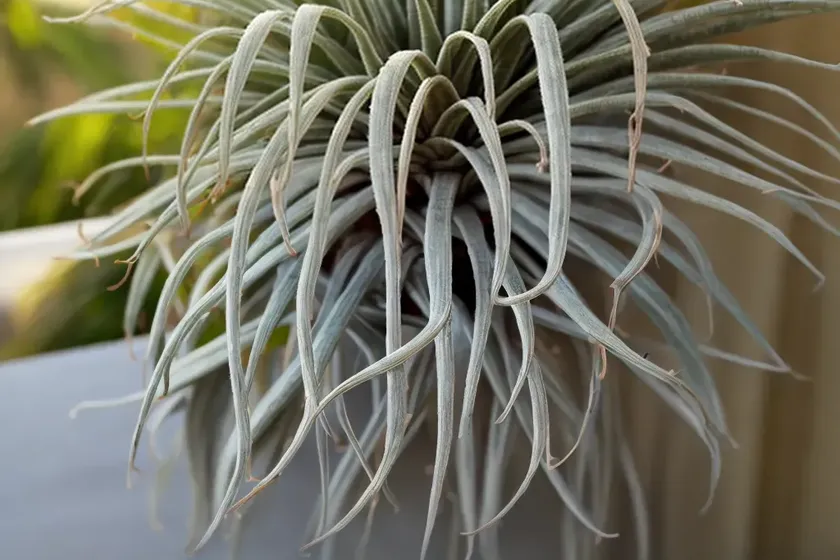
Tillandsia usneoides, commonly known as Spanish moss, is a fascinating epiphytic plant that belongs to the Bromeliaceae family. This delicate and ethereal plant is native to the southeastern United States, Mexico, Central America, South America, the Caribbean, and parts of Argentina. Spanish moss is not a true moss but rather a flowering plant, and it significantly differs from other typical plants due to its unique growth habit and ecological adaptations. This article will delve into the various aspects of Spanish moss, including its culture, uses, care requirements, and its significance in ecosystems.
What is Spanish Moss (Tillandsia usneoides)?
Spanish moss is an air plant that thrives not by rooting in soil but by anchoring itself to trees, shrubs, or other structures. It is often found in humid and subtropical regions, where it hangs gracefully from branches, creating an enchanting, cascading display. The botanical name Tillandsia usneoides highlights its resemblance to the beard of the male deer, from where the name “usneoides” is derived.
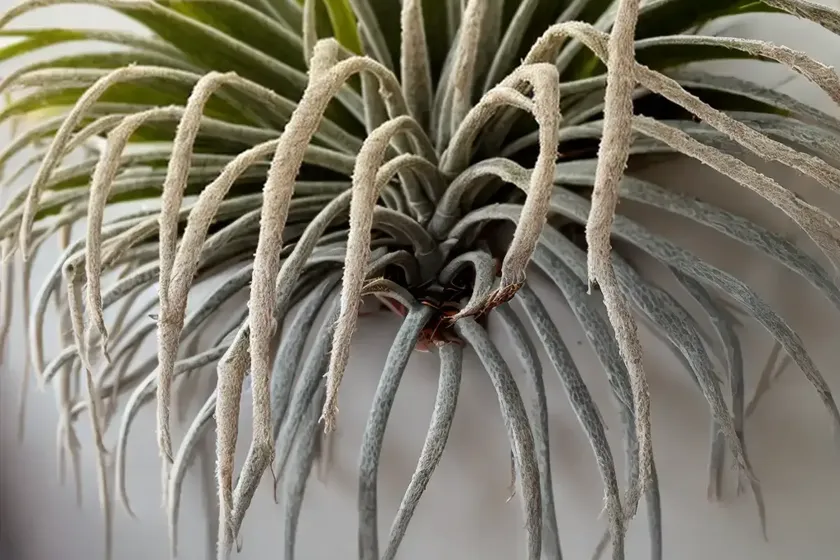
The distinguishing features of Spanish moss include its slender, silver-gray stems that can reach several feet in length. It produces tiny, scaly, and pale green flowers that often go unnoticed. As an epiphyte, Spanish moss obtains nutrients and water from the air and rainfall, making it a remarkable example of adaptation to its environment.
Key Takeaways: Spanish Moss (Tillandsia usneoides)
- Botanical Name: Tillandsia usneoides
- Common Name: Spanish Moss
- Family: Bromeliaceae
- Native Habitat: Southeastern United States, Mexico, Central and South America, the Caribbean, and parts of Argentina
- Growth Habit: Epiphytic, Cascading
- Features: Slender Gray Stems, Tiny Scaly Flowers
- Notable Trait: Nutrient and Water Absorption from the Air
Now, let’s explore the culture, uses, and care requirements of Spanish moss in more detail.
Culture of Spanish Moss
Understanding the cultural requirements of Spanish moss is essential for its successful growth and development. Whether it is thriving in its natural habitat or being cultivated in a garden or indoor setting, specific conditions must be met to ensure the well-being of this unique plant.
Water
Spanish moss, being an epiphyte, absorbs moisture and nutrients from the air and rainfall. While it does not require watering in the traditional sense, it benefits from occasional misting or light showers from a hose, especially during periods of drought or extreme heat. In its natural habitat, the humidity and moisture levels play a crucial role in sustaining Spanish moss. When growing Spanish moss at home or in a greenhouse, mimicking these conditions is important for its health and vigor.
Sunlight
Spanish moss thrives in partial to full shade, making it an excellent choice for shaded garden areas, under trees, or in locations with dappled sunlight. Direct, intense sunlight can be detrimental to the plant, causing it to dry out and lose its characteristic vigor. Indirect or filtered light is preferable for maintaining the lush, silvery appearance of Spanish moss.
Fertilizer
As an epiphytic plant, Spanish moss does not require traditional soil-based fertilization. In its natural habitat, it absorbs nutrients from the air, decomposing plant matter, and rainwater. When cultivating Spanish moss outside of its native environment, it may benefit from occasional misting with a dilute, balanced liquid fertilizer. However, it is essential to avoid over-fertilization, as excessive nutrients can negatively impact the plant.
Soil
Spanish moss does not rely on soil for its growth and sustenance. However, it thrives in locations with high humidity and a mild, tropical climate. In its natural habitat, it often establishes itself on tree branches, where it can access the moisture and nutrients it needs from the surrounding environment. When grown as a container plant, it can be placed in a soilless, well-draining mix to provide some support, although the substrate is mainly a medium for securing the plant rather than a source of nutrients.
Pruning Spanish Moss
Pruning Spanish moss is generally minimal and is mostly done for aesthetic or maintenance purposes. Over time, old or damaged growth may accumulate, and periodic pruning can help rejuvenate the plant and encourage new growth. Pruning also allows for the removal of any pests or debris that may have collected within the plant.
Propagation of Spanish Moss
Spanish moss can be propagated through several methods, including division, offsets, and by harvesting its seeds. The most common and straightforward method involves separating and transplanting the offsets or ‘pups’ that form at the base of mature plants. These can be carefully removed and attached to a new support, where they will establish themselves over time.
Container Popularity of Spanish Moss
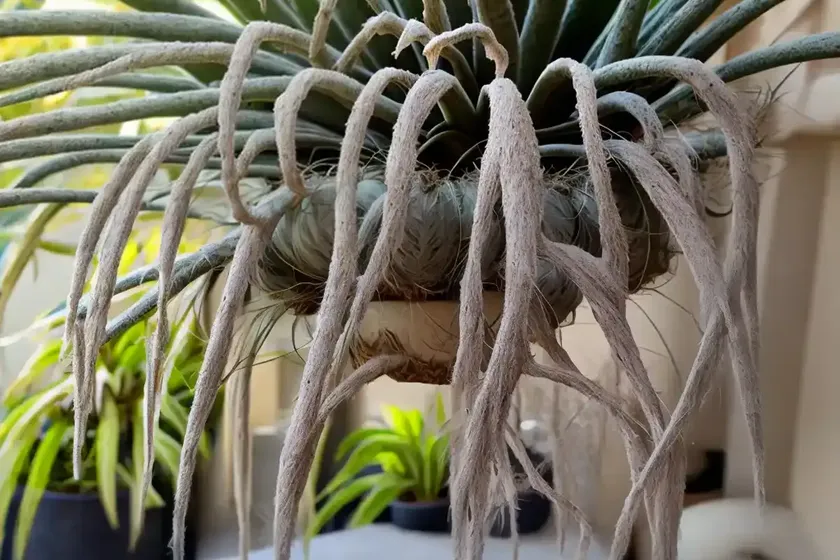
Spanish moss is a popular choice for hanging baskets, container gardens, and vertical plantings. Its cascading growth habit and ethereal appearance make it a sought-after addition to indoor and outdoor spaces, adding a touch of intrigue and natural beauty.
Container Common Diseases of Spanish Moss
While Spanish moss is generally resistant to diseases, it may occasionally fall victim to fungal infections or rot if exposed to prolonged periods of excessive moisture or inadequate ventilation. Providing proper air circulation and avoiding overwatering are effective preventive measures against disease.
Disease Diagnosis in Spanish Moss
Diagnosing diseases in Spanish moss often involves careful observation of its overall appearance, including changes in color, texture, and the presence of any unusual growths or spots. Rot and fungal infections may appear as dark, waterlogged areas, accompanied by a foul odor. Addressing these issues promptly and adjusting the plant’s growing conditions can prevent the spread of disease.
Common Pests affecting Spanish Moss
Spanish moss may encounter pests such as aphids, scale insects, and spider mites. Regular inspection and prompt action to address pest infestations are essential for maintaining the health and vitality of the plant. Non-toxic pest control measures are preferred, especially when Spanish moss is incorporated into indoor or environmentally sensitive settings.
Botanist’s Tips for Growing Spanish Moss
- Ensure adequate humidity and moisture levels, especially in dry or arid climates.
- Provide sufficient airflow and ventilation to prevent waterlogging and maintain overall plant health.
- Avoid direct sunlight to prevent desiccation and browning of the plant.
- Monitor for pests and diseases regularly, addressing any issues promptly to prevent escalation.
- When using Spanish moss in decorative arrangements or installations, ensure that it is ethically and sustainably sourced to support conservation efforts.
Spanish Moss Fun Facts
- Spanish moss is not a parasite and does not harm the trees or structures it attaches to.
- It is often used as nesting material by birds, particularly in the southeastern United States, providing insulation and protection for their eggs and fledglings.
- During the Civil War, Spanish moss was used as padding in mattresses and upholstery due to its abundance and natural resilience.
Links to External Resources
- Spanish Moss: An Ethereal Epiphyte
- Gardening with Spanish Moss
- Tillandsia usneoides in Coastal Ecosystems
- The Cultural Significance of Spanish Moss
In conclusion, Spanish moss (Tillandsia usneoides) is a captivating and adaptable plant with a rich history of cultural, ecological, and decorative significance. Its unique growth habit, minimal care requirements, and diverse uses make it a valuable addition to gardens, floral arrangements, and design projects. By understanding and embracing the distinctive characteristics of Spanish moss, we can appreciate its role in ecosystems and cultivate its beauty in sustainable and meaningful ways.