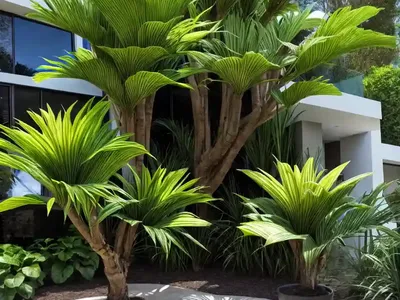
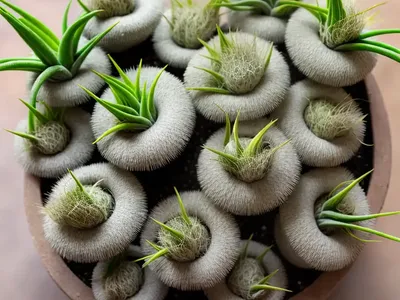
Octopus Plant (Tillandsia Caput-medusae)
Plants are living organisms that belong to the kingdom Plantae. They are multicellular organisms with cell walls made of cellulose, and they obtain energy.
What is a Plant?
Plants are living organisms that belong to the kingdom Plantae. They are multicellular organisms with cell walls made of cellulose, and they obtain energy through the process of photosynthesis. Plants play a crucial role in the environment, providing oxygen, food, and habitats for a wide range of other organisms. With an incredible diversity ranging from tiny mosses to enormous trees, plants have adapted to almost every environment on Earth.
Octopus Plant (Tillandsia caput-medusae)
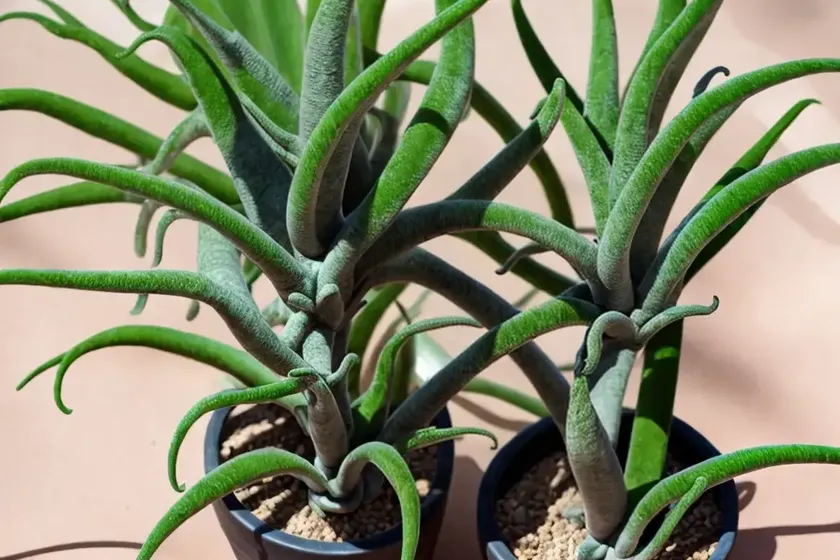
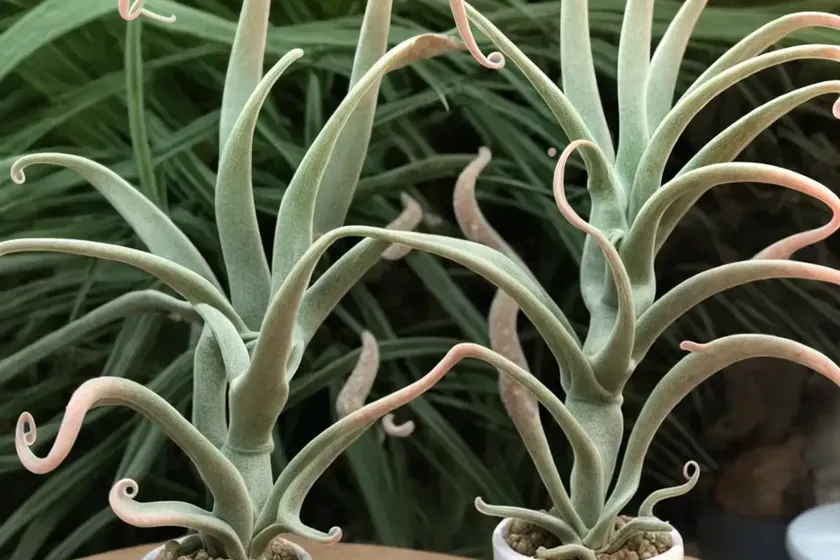
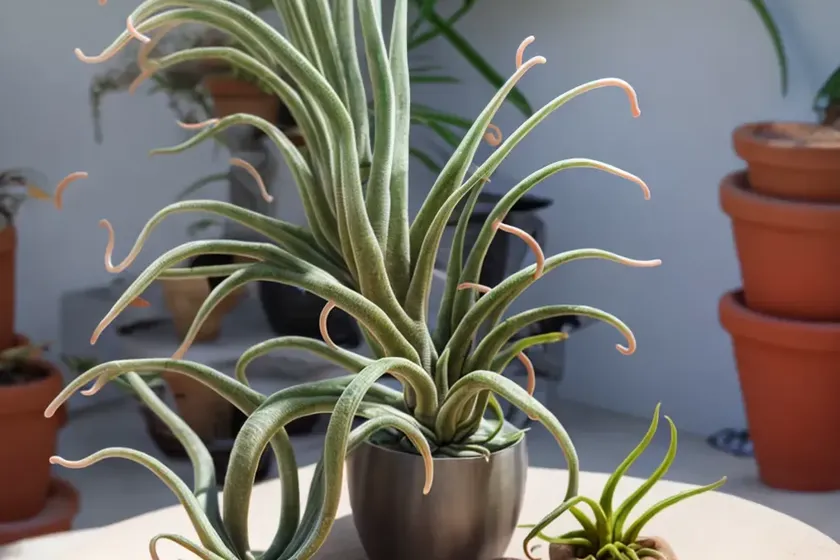
The Octopus Plant, scientifically known as Tillandsia caput-medusae, is a fascinating member of the Bromeliad family. As the name implies, the plant resembles the appearance of an octopus, with long, twisting leaves that cascade down like the tentacles of the mythical sea creature. Native to Central America, Tillandsia caput-medusae has gained popularity among plant enthusiasts for its unique appearance and relatively low maintenance requirements.
Key Takeaways – Octopus Plant (Tillandsia caput-medusae)
Tillandsia caput-medusae is a stunning species that can thrive both indoors and outdoors. Its captivating appearance and low maintenance needs make it a sought-after choice for plant lovers. However, achieving the best growth and health for the Octopus Plant requires proper care and attention in various aspects.
Culture
Uses
Tillandsia caput-medusae is commonly used for decorative purposes, especially in terrariums, vivariums, and as standalone ornamental plants. With its striking resemblance to an octopus, this plant is often incorporated into artistic displays and unique arrangements, adding a touch of exotic beauty to any space.
Water
Octopus plants are epiphytes, meaning they naturally grow on other plants or objects without deriving nutrients from the soil. In their natural habitat, they absorb moisture and nutrients from the air through specialized scales on their leaves called trichomes. To replicate this environment in cultivation, it’s essential to provide regular misting or soaking to ensure their hydration needs are met.
Sunlight
Tillandsia caput-medusae thrives in bright, indirect light. When grown indoors, placing them near a window where they can receive ample natural light is ideal. However, it is important to avoid direct sunlight, especially during the hottest parts of the day, as it can lead to leaf scorching.
Fertilizer
Unlike traditional plants that require soil-based fertilization, Tillandsia caput-medusae can be fertilized by soaking in a water-soluble fertilizer solution. Specialized bromeliad or air plant fertilizers are often recommended, as they provide the specific nutrients these unique plants require for optimal growth.
Soil
As epiphytic plants, Octopus Plants do not rely on soil for their nutrient intake. Instead, they thrive when mounted on driftwood, placed in decorative containers, or displayed in creative arrangements. This makes them an ideal choice for individuals looking to add greenery to their homes, regardless of the absence of traditional planting mediums.
Pruning
Pruning requirements for Tillandsia caput-medusae are minimal due to their unique growth pattern. However, it is essential to remove any dead or decaying leaves to maintain the plant’s health and aesthetic appeal. Pruning should be carried out with sharp, clean scissors to minimize damage to the remaining foliage.
Propagation
Propagating Tillandsia caput-medusae is primarily achieved through offshoots or “pups” that develop at the base of the parent plant. These pups can be carefully removed and established as individual plants once they have reached a mature size, contributing to an expanded collection of these eye-catching species.
Container Popularity
The popularity of Tillandsia caput-medusae as a container plant has seen a remarkable rise in recent years. Its unique growth habit and lack of soil requirements make it a versatile choice for various container displays, ranging from simple hanging arrangements to intricate terrarium designs.
Common Diseases and Pest
Tillandsia caput-medusae is relatively resistant to diseases and pests. However, overwatering can lead to fungal issues, while insufficient air circulation may encourage the development of pests such as mites and aphids. Regular inspections and appropriate cultural practices can help prevent these problems from arising.
Botanist’s Tips
For optimal growth and maintenance of Tillandsia caput-medusae, it is essential to:
– Provide appropriate air circulation to prevent stagnation and moisture buildup.
– Monitor the plant for signs of dehydration or overhydration, adjusting watering frequency as needed.
– Consider the plant’s natural habitat and attempt to replicate those conditions to the best of your ability.
Fun Facts
- The scientific name “caput-medusae” is derived from the Greek mythological figure Medusa, known for her snake-like hair, alluding to the plant’s tentacle-like appearance.
- Tillandsia caput-medusae is often used in air purification setups, contributing to improved air quality within interior spaces.
Links to External Resources
In conclusion, Tillandsia caput-medusae, or the Octopus Plant, is an enchanting species that offers unique opportunities for creative display and plant cultivation. With its distinctive appearance and minimal care requirements, this fascinating plant has rightfully earned its place in the ornamental plant world, captivating enthusiasts with its charm and adaptability. Whether sought after for its intriguing form or its air-purifying abilities, Tillandsia caput-medusae continues to captivate and inspire plant lovers worldwide.
Remember, successful cultivation and enjoyment of the Octopus Plant come from understanding and meeting its specific cultural needs. By providing the right balance of water, light, and care, you can proudly showcase the captivating beauty of Tillandsia caput-medusae in your spaces, adding a touch of natural wonder to your surroundings.
By staying informed about the specific requirements and growth patterns of Tillandsia caput-medusae, plant enthusiasts can embark on a rewarding journey of appreciation and cultivation, creating stunning displays and contributing to the preservation of this unique species.
References:
- Flowers And Plants Association (2002). “Tillandsia Caput Medusae,” from Flowers and Plants Association. Link
- Plant Delights Nursery (2007). “Tillandsia caput-medusae,” from Plant Delights Nursery. Link
- Tillandsia International (2021). “Tillandsia Caput-Medusae,” from Tillandsia International. Link
- The Spruce (2021). “Growing Tillandsia Indoors and Designing with Air Plants,” from The Spruce. Link
Remember, successful cultivation and enjoyment of the Octopus Plant come from understanding and meeting its specific cultural needs. By providing the right balance of water, light, and care, you can proudly showcase the captivating beauty of Tillandsia caput-medusae in your spaces, adding a touch of natural wonder to your surroundings.