Tillandsia Abdita (Brachycaulos X Abdita Air Plant)
Plants are an essential part of our ecosystem, providing us with food, oxygen, and even contributing to the beauty of our surroundings. One fascinating.
Plants are an essential part of our ecosystem, providing us with food, oxygen, and even contributing to the beauty of our surroundings. One fascinating group of plants that has captured the interest of many plant enthusiasts is the Tillandsia Abdita, also known as the Brachycaulos X Abdita Air Plant. This blog post will delve into the various aspects of this unique plant, ranging from its characteristics and growth requirements to its common uses and potential health benefits. Whether you are a seasoned gardener or a beginner looking to add some greenery to your space, the information provided here will guide you through the process of caring for and appreciating the Tillandsia Abdita.
What is Tillandsia Abdita (Brachycaulos X Abdita Air Plant)?
The Tillandsia Abdita, a hybrid of Brachycaulos and Abdita, is a type of air plant belonging to the Bromeliaceae family. These plants are native to Central and South America, where they typically grow in diverse ecosystems ranging from rainforests to deserts. What sets the Tillandsia Abdita apart from traditional plants is its unique ability to absorb nutrients and moisture from the air, allowing it to thrive without being rooted in soil. This exceptional feature makes it a versatile and low-maintenance plant, suitable for various creative and practical uses in both indoor and outdoor settings.
Key Takeaways – Tillandsia Abdita (Brachycaulos X Abdita Air Plant)
Plant Name: Tillandsia Abdita (Brachycaulos X Abdita Air Plant)
Key Characteristics:
- Tillandsia Abdita is a hybrid plant, a cross between Brachycaulos and Abdita, resulting in a combination of their distinctive traits.
- As an air plant, it does not require soil for growth and obtains nutrients and moisture from the air.
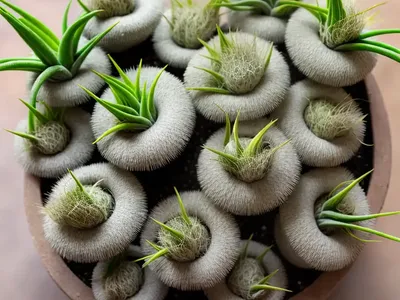
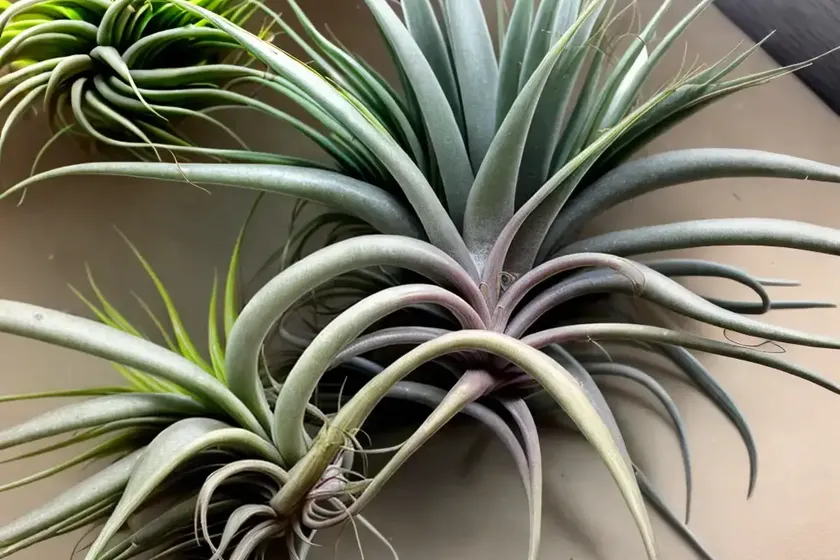
- The plant is known for its striking appearance, with dense, silvery-green leaves forming a rosette shape.
Culture:
- Tillandsia Abdita is cultivated for its ornamental value, often used in terrariums, vivariums, and various decorative arrangements.
- It is a popular choice for beginners and experienced plant enthusiasts due to its ease of care and unique aesthetic appeal.
Uses:
- The plant is used in decorative displays, adding a touch of greenery to indoor spaces such as homes, offices, and public venues.
- Tillandsia Abdita is also employed in horticultural practices, including landscape design, as it can adapt to various growing conditions.
Water:
- The Tillandsia Abdita requires regular misting or soaking to maintain its hydration levels without becoming waterlogged.
Sunlight:
- It thrives in bright, indirect light and should be protected from intense, direct sun exposure, especially during the hottest parts of the day.
Fertilizer:
- The plant benefits from occasional fertilization with a diluted, balanced fertilizer to support its growth and overall health.
Soil:
- As an air plant, Tillandsia Abdita does not rely on soil for nourishment, but it can be mounted on different surfaces such as wood or rocks.
Pruning:
- Pruning is minimal and primarily involves removing dead or dried leaves to encourage new growth and maintain the plant’s appearance.
Propagation:
- The plant can be propagated through offsets, which are miniature versions of the parent plant that develop at the base and can be separated to grow independently.
Container Popularity:
- Tillandsia Abdita is often displayed in containers such as glass globes, hanging terrariums, and mounted on driftwood or other decorative elements.
Common Diseases:
- The plant is generally resilient to diseases, especially when provided with appropriate care, but overwatering can lead to rot and fungal issues.
Common Pests:
- Although relatively pest-resistant, Tillandsia Abdita can occasionally attract mealybugs and spider mites, which can be managed using gentle and organic pest control methods.
Botanist’s Tips:
- Ensure that the plant receives sufficient air circulation, as stagnant air can lead to moisture-related problems.
- Monitor the plant’s hydration needs, adjusting the watering frequency based on environmental conditions and the plant’s overall health.
Fun Facts:
- Tillandsia Abdita is known for its ability to bloom vibrant, tubular flowers in a range of colors, adding to its visual appeal.
- The plant has adapted to survive in diverse environments, showcasing its resilience and versatility as an ornamental plant.
Links to External Resources:
- American Bromeliad Society
- World of Succulents – Tillandsia Information
- Gardening Know How – Air Plant Care
Now that we have covered the basic overview of Tillandsia Abdita, let’s explore each aspect in detail to gain a comprehensive understanding of this intriguing plant.
Tillandsia Abdita Characteristics
Tillandsia Abdita displays a range of characteristics that make it a sought-after addition to plant collections and decorative arrangements. Understanding these traits is essential for providing the best care and optimizing the plant’s growth potential.
Appearance
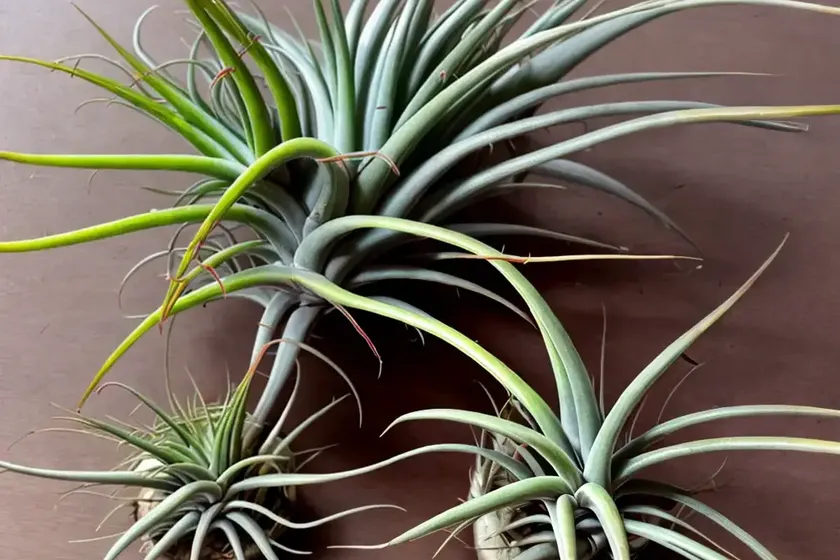
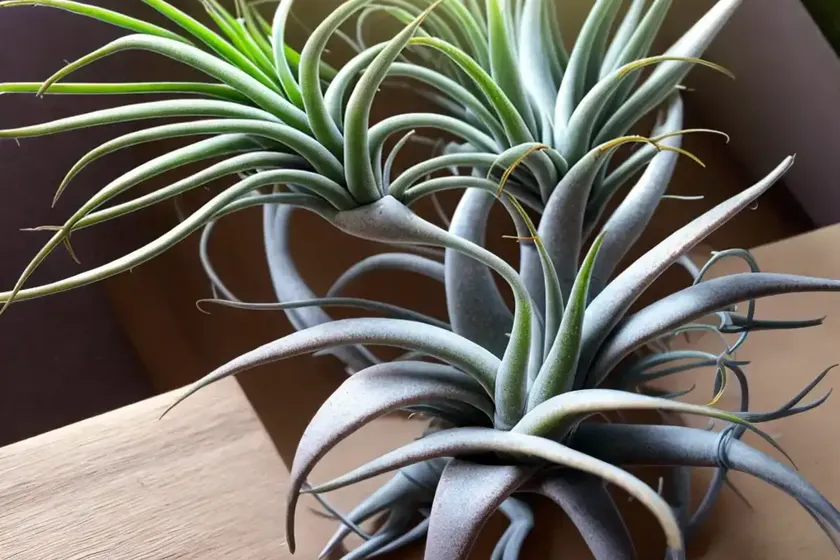
Tillandsia Abdita is known for its eye-catching appearance, characterized by dense, silvery-green leaves that form a symmetrical rosette shape. The leaves are typically soft and flexible, with a slight curvature that gives the plant a graceful and dynamic visual appeal. As the plant matures, it may produce offsets at its base, creating clusters of smaller rosettes that contribute to its overall charm.
Size
At maturity, Tillandsia Abdita can reach a size of 6 to 8 inches in diameter, making it a compact and manageable plant for various display options. The size of the plant, along with its elegant form, allows it to be showcased in diverse settings, from tabletop arrangements to hanging displays.
Growth Rate
The growth rate of Tillandsia Abdita is relatively slow compared to traditional plants, with new leaves gradually emerging from the center as older leaves mature and persist. This gradual growth pattern adds to the plant’s appeal, as it retains its compact form while steadily developing over time.
Flowers
One of the most captivating features of Tillandsia Abdita is its ability to produce vibrant, tubular flowers that can range in color from pink and purple to blue and red. The flowers emerge on slender stalks, adding a contrasting element to the plant’s predominantly silvery-green foliage. The blooming period typically occurs once the plant reaches maturity, rewarding attentive caretakers with a delightful display of natural beauty.
Tips for Growing Tillandsia Abdita
Cultivating Tillandsia Abdita requires attention to specific growing conditions and care practices to ensure the plant’s health and vitality. By following these tips, both novice and experienced plant enthusiasts can successfully nurture their Tillandsia Abdita and appreciate its unique attributes.
Light Requirements
Providing adequate light is crucial for the well-being of Tillandsia Abdita. Place the plant in a location with bright, indirect light, such as near a window with filtered sunlight. Avoid exposing the plant to direct sunlight, especially during the intense midday hours, as this can cause leaf scorching and dehydration.
Watering
Tillandsia Abdita’s watering needs are essential for maintaining its overall health. The plant should be regularly misted with water to ensure that its leaves remain hydrated. Alternatively, it can be soaked in water for approximately 30 minutes every 1-2 weeks, allowing it to absorb moisture through its specialized trichomes. After watering, ensure that excess water is drained to prevent waterlogging, which can lead to root rot and other moisture-related issues.
Air Circulation
Proper air circulation is vital for the health of Tillandsia Abdita. Ensure that the plant is situated in an environment with good airflow, as stagnant air can promote moisture buildup and create conditions favorable for fungal growth. This can be achieved by placing the plant in an area with gentle natural breezes or using a fan to create a gentle, consistent air movement.
Temperature
Tillandsia Abdita thrives in moderate to warm temperatures, ideally ranging from 50°F to 90°F (10°C to 32°C). Protect the plant from extreme temperature fluctuations and drafts, as sudden changes can stress the plant and disrupt its growth patterns. Maintaining a stable and comfortable temperature is key to supporting the plant’s overall well-being.
Fertilization
While Tillandsia Abdita can derive nutrients from the air, occasional fertilization can contribute to its growth and vibrancy. Apply a diluted, balanced fertilizer specifically formulated for air plants approximately once a month during the growing season. Use a fertilizer with a low copper content to avoid potential toxicity to the plant.
Pruning
Minimal pruning is required to maintain the appearance and health of Tillandsia Abdita. Remove any dried or dead leaves by gently pulling them away from the base of the plant. Regular pruning encourages new growth and prevents the accumulation of debris that can inhibit air circulation around the plant.
Soil and Container Options
As an air plant, Tillandsia Abdita does not require soil for growth and can thrive when mounted on various surfaces such as wood, cork, or decorative rocks. The plant’s versatile growth habit allows for creative display options, making it an ideal choice for terrariums, vivariums, and hanging arrangements. Experiment with different containers and mounting methods to showcase the plant’s unique form and aesthetic appeal.
By following these tips for growing Tillandsia Abdita, plant enthusiasts can create an optimal environment for the plant to flourish and appreciate its captivating features.
Tillandsia Abdita Propagation
Propagating Tillandsia Abdita allows plant enthusiasts to expand their collection and share this exceptional plant with others. The most common method of propagation for Tillandsia Abdita involves the use of offsets, also known as “pups,” which are miniature versions of the parent plant that develop at the base. Here are the essential steps to successfully propagate Tillandsia Abdita through offsets:
Step 1: Identify Suitable Offsets
Observe the base of the parent Tillandsia Abdita for the emergence of offsets. These offsets are smaller rosettes that develop adjacent to the main plant and can eventually be separated to grow independently. Select offsets that are well-developed and display healthy growth, as these are more likely to thrive when propagated.
Step 2: Gently Separate Offsets
Carefully grasp the base of the offset and the main plant, gently applying a twisting motion to detach the offset. Exercise caution to avoid causing damage to either the offset or the parent plant during the separation process. Ensure that the offset retains its root base intact, as this will support its establishment when it is transferred to its new growing location.
Step 3: Establishing New Growth
Once the offsets are separated, they can be independently mounted or placed in a suitable growing medium. Provide the offsets with the same care and environmental conditions as the mature Tillandsia Abdita, ensuring adequate light, hydration, and ventilation. Monitor the offsets for signs of new growth as they establish themselves.
Step 4: Growth and Maturation
With appropriate care and attention, the propagated offsets will begin to grow and mature, eventually developing into independent Tillandsia Abdita plants. As they continue to thrive, the new plants can be integrated into various display options or shared with other plant enthusiasts, contributing to the expansion and appreciation of this unique species.
The Process of Propagating Tillandsia Abdita Through Offsets
Propagating Tillandsia Abdita through offsets offers a rewarding opportunity to witness the expansion of a plant collection and the continuation of this remarkable species. By nurturing and sharing these propagated plants, enthusiasts can contribute to the preservation and appreciation of Tillandsia Abdita’s unique traits.
Common Issues with Tillandsia Abdita
While Tillandsia Abdita is generally resilient when provided with appropriate care, certain issues may arise that can affect the plant’s health and appearance. Understanding these common problems and their potential solutions is crucial for maintaining the well-being of Tillandsia Abdita.
Overwatering
One of the most common issues encountered when caring for Tillandsia Abdita is overwatering. Excessive moisture can lead to the plant becoming waterlogged, causing root rot and creating conditions favorable for fungal growth. To prevent overwatering, ensure that the plant has proper drainage after watering and adjust the watering frequency based on environmental conditions and the plant’s hydration levels.
Dehydration
Conversely, inadequate hydration can also impact the health of Tillandsia Abdita. Insufficient moisture can cause the plant’s leaves to become desiccated and curled, signaling a need for increased watering. Regular misting or soaking of the plant can help maintain its hydration levels and prevent dehydration-related issues.
Pests
While Tillandsia Abdita is relatively resistant to pests, it can occasionally attract mealybugs and spider mites. These pests can infest the plant’s leaves and affect its overall health if left unaddressed. To manage pest infestations, gently remove the pests using a cotton swab dipped in rubbing alcohol or treat the plant with a mild, organic insecticidal soap to minimize pest populations.
Leaf Discoloration
Changes in leaf coloration, such as browning or yellowing, can indicate underlying issues such as nutrient imbalances, light stress, or environmental disturbances. Assess the plant’s growing conditions and adjust factors such as light exposure, fertilization, and ventilation to address and prevent leaf discoloration.
Etiolation
Etiolation, characterized by elongated, pale growth, can occur when Tillandsia Abdita is deprived of adequate light. This phenomenon reflects the plant’s attempt to reach for more light, resulting in stretched and weakened growth. Relocate the plant to a brighter location and provide it with sufficient light to support healthy, compact growth.
Disease Diagnosis and Prevention
Regular monitoring of Tillandsia Abdita for signs of disease, pests, or environmental stress is essential for early diagnosis and intervention. Implement preventive measures such as proper watering practices, adequate ventilation, and quarantine procedures for new plants to minimize the risk of disease and pest outbreaks. Furthermore, maintain a clean growing environment and promptly address any issues that arise to preserve the health of Tillandsia Abdita.
By being mindful of these common issues and implementing appropriate care practices, plant enthusiasts can support the vitality and resilience of Tillandsia Abdita, ensuring that it continues to thrive and add beauty to its surroundings.
Best Conditions for Tillandsia Abdita Growth
Creating optimal growing conditions is essential for promoting the healthy development and longevity of Tillandsia Abdita. By considering the following factors, plant enthusiasts can provide an environment that supports the plant’s unique needs and allows it to thrive.
Light
Tillandsia Abdita thrives in bright, indirect light, making it an ideal choice for indoor spaces with ample natural sunlight. Position the plant near a window or in an area that receives filtered sunlight throughout the day, ensuring that it is protected from direct sun exposure, which can lead to leaf damage and dehydration.
Temperature
Maintain a moderate to warm temperature range of 50°F to 90°F (10°C to 32°C) to accommodate the growth requirements of Tillandsia Abdita. Protect the plant from sudden temperature fluctuations and drafts, as these can stress the plant and hinder its overall health. Consistent, comfortable temperatures promote steady growth and vibrant foliage.
Humidity
Providing sufficient humidity is essential for Tillandsia Abdita, as the plant relies on moisture in the air for its hydration needs. Indoor environments with moderate humidity levels are suitable for the plant, but extra care should be taken to prevent the air from becoming excessively dry, especially during the winter months. Regular misting and occasional soaking help maintain the plant’s hydration in drier conditions.
Ventilation
Optimal air circulation is crucial for the health of Tillandsia Abdita, as it helps prevent moisture-related issues and maintains a comfortable growing environment. Position the plant in an area with gentle air movement, such as near a fan or in an open space with natural breezes. Avoid stagnant air, as it can lead to stagnation and create conditions that are conducive to fungal growth.
Watering
Balancing the plant’s watering needs is key to supporting its growth and preventing moisture-related issues. Regular misting or occasional soaking provides Tillandsia Abdita with the moisture it requires, and drainage should be ensured to prevent waterlogging. Monitor the plant’s hydration levels, adjusting the watering frequency based on environmental conditions and the plant’s overall health.
Fertilization
Supplementing Tillandsia Abdita with occasional fertilization contributes to its growth and overall vigor. Apply a diluted, balanced fertilizer formulated for air plants once a month during the growing season, avoiding fertilizers with high copper content to prevent potential toxicity. Fertilization should be carried out in conjunction with proper watering practices to optimize the plant’s nutrient uptake.
Environmental Considerations
Evaluate the growing environment for factors such as drafts, air quality, and temperature fluctuations that may influence Tillandsia Abdita’s well-being. Keep the plant away from air vents and heating sources to avoid exposure to extreme conditions. Additionally, monitor the plant for signs of environmental stress, adjusting its growing location as needed to maintain a stable and supportive environment.
By cultivating these best conditions for Tillandsia Abdita growth, plant enthusiasts can create a nurturing space that allows the plant to flourish and showcase its captivating characteristics.
Pruning Tillandsia Abdita
Pruning plays a minimal but significant role in maintaining the appearance and health of Tillandsia Abdita. By following proper pruning practices, plant enthusiasts can encourage new growth, remove damaged foliage, and promote the plant’s overall vitality. The following steps outline the essential considerations for pruning Tillandsia Abdita effectively:
Step 1: Assessing the Plant
Regularly inspect the leaves and overall condition of Tillandsia Abdita to identify any areas of concern that may require pruning. Look for dried, browned, or damaged leaves, as well as accumulated debris that may obstruct air circulation.
Step 2: Removing Dried or Damaged Leaves
Gently grasp the base of the dried or damaged leaves and carefully pull them away from the plant. Exercise caution to avoid causing additional stress or damage to the healthy foliage, ensuring that the removal process is conducted with care and precision.
Step 3: Encouraging New Growth
Pruning can stimulate the emergence of new growth by directing the plant’s resources towards developing fresh foliage. After pruning, monitor the plant for signs of regrowth and adjust its care regimen as needed to support the establishment of vibrant, healthy leaves.
Step 4: Preventing Debris Accumulation
Periodically clean the area around Tillandsia Abdita to prevent debris from accumulating among the leaves. Clear away any detritus that may impede air circulation and create conditions for moisture-related issues.
Step 5: Maintaining Compact Form
Pruning aids in maintaining the plant’s compact and aesthetically pleasing form, allowing it to showcase its unique rosette shape and intricate foliage. By eliminating excess or damaged leaves, the plant’s overall appearance remains tidy and visually appealing.
Step 6: Gentle Handling
Handle Tillandsia Abdita with care during the pruning process, ensuring that the plant’s delicate leaves and structure are not subjected to undue stress. Use gentle, deliberate movements to remove unwanted foliage, taking the time to assess the plant’s needs and respond accordingly.
By adhering to these guidelines for pruning Tillandsia Abdita, plant enthusiasts can effectively support the plant’s growth, maintain its appearance, and contribute to its overall well-being.