Sims’s Azalea (Rhododendron Simsii)
From vibrant blooms to lush green foliage, the Sims’s Azalea (Rhododendron Simsii) is a stunning plant that captivates the hearts of gardeners and plant.
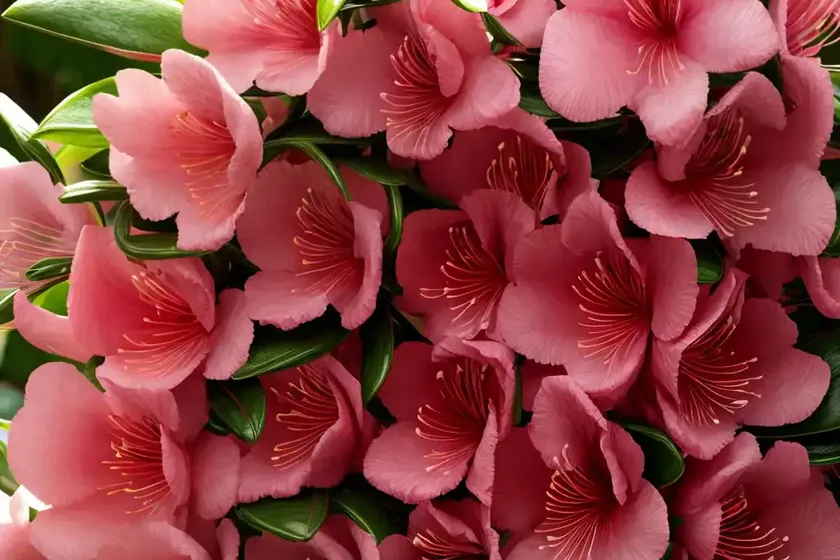
From vibrant blooms to lush green foliage, the Sims’s Azalea (Rhododendron Simsii) is a stunning plant that captivates the hearts of gardeners and plant enthusiasts alike. This comprehensive guide strives to equip you with the knowledge and techniques required to ensure the thriving growth of this beautiful flowering shrub. We will delve into the various aspects of caring for Sims’s Azalea: from cultivation and maintenance to common diseases and pests, in order to provide you with a holistic understanding of this plant and its requirements.
What is Sims’s Azalea (Rhododendron Simsii)?
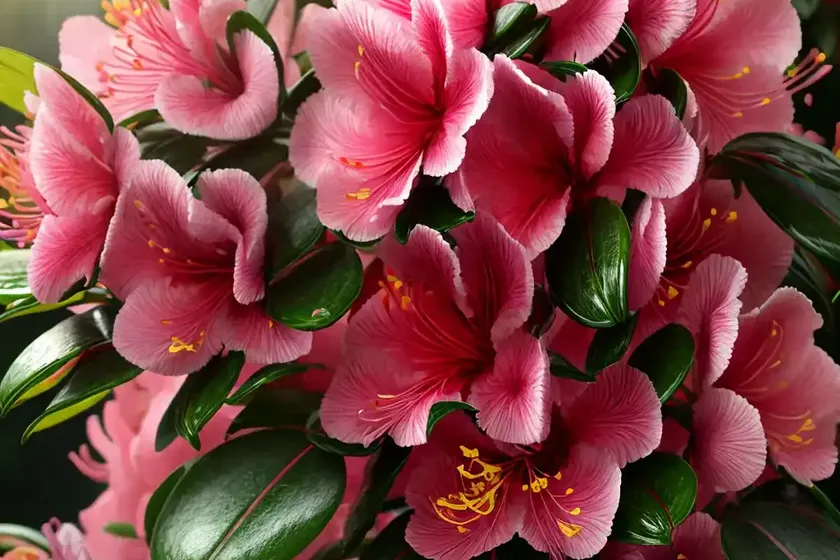
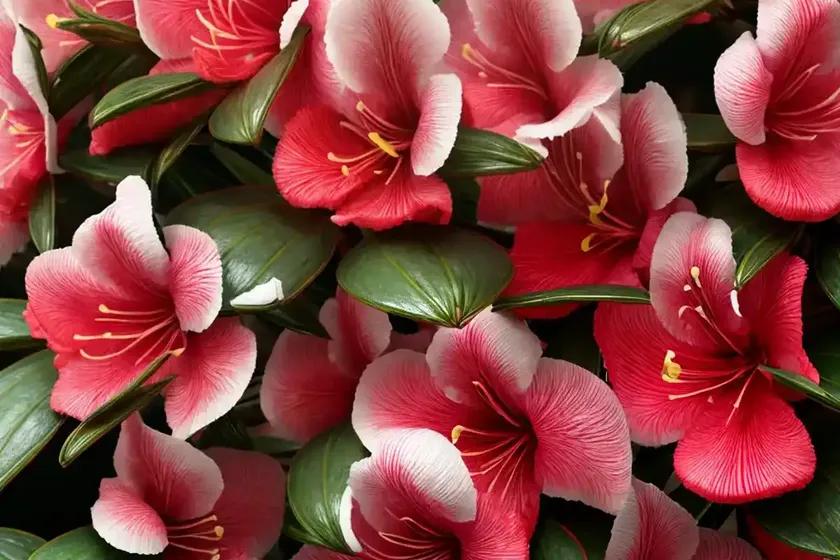
Rhododendron Simsii, commonly known as Sims’s Azalea, is a flowering shrub belonging to the genus Rhododendron. Originating from East Asia, specifically China and Japan, this evergreen plant is renowned for its striking flowers and glossy, dark green leaves. The plant typically reaches a height and spread of 1 to 2 feet, presenting itself as a compact and eye-catching addition to gardens, landscapes, and even indoor spaces.
Sims’s Azalea blooms abundantly, adorning its compact structure with an array of colors, ranging from pure white and soft pink to vibrant red and purple. Its ability to thrive in containers further enhances its versatility, making it an excellent choice for both indoor and outdoor cultivation.
Key Takeaways – Sims’s Azalea (Rhododendron Simsii)
Before delving into the specific aspects of caring for Sims’s Azalea, let’s briefly overview the key takeaways that encapsulate the fundamental elements of its cultivation and maintenance.
- Culture
- Requires well-draining, acidic soil
- Well-suited for both outdoor and indoor cultivation
-
Pruning and deadheading promote continuous flowering
-
Uses
- Ornamental flowering shrub for gardens and landscapes
- Suitable for container gardening and indoor decor
-
Ideal for hedging and border planting
-
Water
- Consistent moisture is essential, especially during flowering
-
Avoid waterlogging and ensure proper drainage to prevent root rot
-
Sunlight
- Thrives in partial shade to filtered sunlight
-
Protect from harsh midday sun, particularly in warmer climates
-
Fertilizer
- Regular application of balanced, acidic fertilizer during the growing season
-
Refrain from fertilizing during dormancy
-
Soil
- Acidic pH (5.5-6.0) is crucial for optimal growth
-
Well-draining, humus-rich, and loamy soil is recommended
-
Pruning
- Regular pruning and shaping after flowering
-
Remove spent flowers and leggy growth to encourage bushy growth
-
Propagation
- Can be propagated through cuttings and air layering
-
Utilize a well-draining propagation medium and maintain adequate humidity
-
Container
- Well-draining and spacious containers are essential
-
Ensure sufficient aeration and drainage holes
-
Popularity
- Widely cultivated for its captivating flowers and evergreen foliage
-
Popular choice for decorative purposes, including bonsai cultivation
-
Common Diseases
- Address leaf spot, powdery mildew, and root rot promptly
-
Maintain appropriate growing conditions to minimize disease occurrence
-
Disease Diagnosis
- Vigilant monitoring for symptoms such as leaf discoloration, wilting, and abnormal growth
-
Proper identification and targeted treatment are crucial for disease management
-
Common Pests
- Watch for aphids, spider mites, and scale insects
- Implement preventive measures and prompt intervention to control pest infestations
Now that we have outlined the key aspects of Sims’s Azalea care and cultivation, let’s embark on a detailed exploration of each element to equip you with the knowledge and insights required for successful plant cultivation and maintenance.
Sims’s Azalea Culture
Cultivating Sims’s Azalea entails understanding and addressing its specific requirements to ensure robust growth, abundant flowering, and overall vigor. By adhering to the fundamental cultural practices, you can create an environment that promotes the plant’s well-being and longevity.
Soil
The soil serves as the foundation for the growth and development of Sims’s Azalea, significantly influencing its overall health and vitality. Considering the plant’s preference for acidic conditions, it is imperative to provide a suitable growing medium that aligns with its requirements.
Best Soil for Sims’s Azalea
-
pH Requirements: Sims’s Azalea thrives in acidic soil, with an optimal pH range of 5.5 to 6.0. It is crucial to ensure that the soil acidity remains within this range to facilitate proper nutrient uptake and discourage the incidence of nutrient deficiencies.
-
Texture and Drainage: Opt for a well-draining soil blend that offers adequate aeration while retaining the required moisture levels. A combination of organic matter, such as peat moss or compost, with a loamy or sandy texture is ideal for promoting healthy root development and mitigating the risk of waterlogged conditions.
Sunlight
The sunlight requirements of Sims’s Azalea play a pivotal role in shaping its growth and flowering patterns. By providing the appropriate level of sunlight exposure, you can optimize the plant’s photosynthetic processes and encourage prolific blooming.
Sunlight Needs for Sims’s Azalea
-
Partial Shade to Filtered Sunlight: Sims’s Azalea flourishes in partial shade, where it receives dappled sunlight or indirect light for a significant portion of the day. This is especially important in regions with intense or prolonged sunlight, as excessive exposure to direct sun can lead to leaf scorch and diminished flowering.
-
Protection from Harsh Sun: Shield the plant from harsh midday sun, particularly in warmer climates, to prevent stress and potential damage to the foliage. Providing a sheltered location with gentle morning or late afternoon sun exposure can help maintain the plant’s vigor and visual appeal.
Water
Adequate and proper watering is indispensable for nurturing healthy and vibrant Sims’s Azalea. By paying attention to the plant’s moisture requirements and implementing appropriate watering practices, you can sustain its vitality and encourage continuous flowering.
Sims’s Azalea Watering Requirements
-
Consistent Moisture: Ensure that the soil consistently retains a moderate level of moisture, particularly during the flowering period and active growth phases. Irregular or inadequate watering may impede flowering and compromise the overall health of the plant.
-
Avoid Waterlogging: Prevent waterlogging and excess moisture accumulation, as this can lead to root rot and other detrimental conditions. Implementing proper drainage measures, such as utilizing well-draining soil and containers with drainage holes, is essential for safeguarding the plant’s root system.
Fertilizer
Optimal nutrition is critical for sustaining the growth, flowering, and foliage quality of Sims’s Azalea. By discerning the plant’s fertilizer requirements and adhering to a balanced feeding regimen, you can fortify its resilience and enhance its ornamental appeal.
Best Fertilizer for Sims’s Azalea
-
Balanced, Acidic Fertilizer: Select a specialized acidic fertilizer formulated for azaleas and rhododendrons to provide essential nutrients while maintaining the required soil acidity. An N-P-K ratio of 10-5-5 or a similar balanced formulation can support healthy growth and prolific blooming.
-
Fertilization Schedule: Apply fertilizer during the growing season, typically from early spring to late summer, following the manufacturer’s recommendations for dosage and frequency. Refrain from fertilizing during the plant’s dormancy phase to avoid stimulating unnecessary growth.
Pruning and Maintenance
Pruning and regular maintenance are integral aspects of Sims’s Azalea care that contribute to its aesthetic appeal, vigor, and longevity. By adopting appropriate pruning practices and attentive upkeep, you can engender a well-groomed and floriferous plant.
Pruning
Pruning plays a pivotal role in shaping the growth habit, promoting flowering, and revitalizing the overall appearance of Sims’s Azalea. By exercising diligent pruning techniques, you can enhance the plant’s structure and encourage abundant blooming.
Sims’s Azalea Pruning Guide
-
After Flowering: Schedule pruning sessions immediately after the plant’s flowering period, typically in late spring or early summer. Trim back the spent flowers and scraggly growth to maintain a compact and bushy form, stimulating the development of new shoots and buds for the subsequent season.
-
Selective Pruning: Employ selective pruning to eliminate dead or damaged branches, enhance air circulation, and shape the plant according to the desired aesthetic. Avoid extensive pruning during the fall, as it may impede the formation of flower buds for the following year.
Propagation
The propagation of Sims’s Azalea offers an opportunity to expand your plant collection and share the beauty of this species with fellow gardening enthusiasts. By employing effective propagation methods, you can successfully propagate new plants and perpetuate the ornamental charm of this species.
Rhododendron Simsii Propagation Methods
-
Cuttings: Utilize softwood or semi-hardwood cuttings, typically taken in late spring or early summer, for propagating Sims’s Azalea. Choose healthy, non-flowering shoots and employ a rooting hormone to expedite the development of new roots.
-
Air Layering: Employ air layering as an alternative propagation technique, particularly for larger or established plants. Encase a portion of a healthy branch in a moistened medium, such as sphagnum moss, to promote the emergence of roots before severing and potting the newly rooted section.
Container Gardening
The adaptability of Sims’s Azalea to container gardening enhances its versatility and allows for captivating indoor and outdoor displays. By adhering to container-specific considerations and guidelines, you can harness the plant’s ornamental allure in diverse settings.
Sims’s Azalea Container Considerations
-
Container Selection: Opt for spacious containers with adequate drainage holes to foster optimal root development and prevent waterlogging. Choose containers with a suitable aesthetic appeal and consider the overall growth habit and size of the plant when making your selection.
-
Potting Soil: Utilize a well-draining potting mix tailored for acid-loving plants, ensuring that it offers the requisite balance of moisture retention and aeration. Incorporate organic matter and perlite or vermiculite to achieve the desired soil texture and structure.
Popularity and Landscape Uses
Sims’s Azalea has garnered widespread popularity and acclaim for its alluring blooms, evergreen foliage, and versatility in various landscape settings. By leveraging its ornamental qualities and adaptability, you can integrate this species into diverse landscape designs and gardening projects.
Popularity
-
Decorative Appeal: The captivating flowers and glossy foliage of Sims’s Azalea have positioned it as a sought-after ornamental plant for gardens, landscapes, and indoor displays. Its compact form and flowering prowess contribute to its widespread appeal among gardeners and plant enthusiasts.
-
Versatility: The adaptability of Sims’s Azalea to container gardening, hedging, border planting, and indoor decor further expands its utility and popularity, allowing for creative and diverse applications in both residential and commercial settings.
Landscape Uses
- Garden Ornament: Utilize Sims’s Azalea as a focal point in garden beds, borders, and mixed plantings to introduce vibrant colors and year-round greenery. The plant’s compact size and abundant flowering make it a versatile asset in landscape compositions.
Common Diseases and Pest Management
To ensure the sustained health and vigor of Sims’s Azalea, it is imperative to remain vigilant against potential diseases and pest infestations. By recognizing common issues and implementing proactive measures, you can safeguard the plant from detrimental influences.
Common Diseases
The susceptibility of Sims’s Azalea to certain diseases necessitates a proactive approach to disease prevention and vigilance for early symptoms. By understanding prevalent diseases and their management, you can bolster the plant’s resilience and longevity.
Disease Diagnosis
-
Leaf Spot: Monitor for the development of circular lesions or discolored spots on the foliage, indicating the presence of leaf spot diseases. Address these issues promptly and employ appropriate fungicidal treatments to mitigate the spread of the disease.
-
Powdery Mildew: Remain attentive to the onset of powdery, white growth on the leaves, signifying a powdery mildew infestation. Enhance air circulation and employ fungicidal sprays to suppress the proliferation of the fungal pathogen.
Common Pests
Sims’s Azalea is susceptible to certain pests that can compromise its aesthetic appeal and vitality. By instituting preventive measures and prompt interventions, you can effectively manage pest pressures and preserve the plant’s health.
Pest Control
-
Aphids and Spider Mites: Monitor for the presence of aphids and spider mites, particularly on the underside of leaves and tender shoots. Employ insecticidal soaps or horticultural oils to deter and manage these pest populations before they inflict substantial damage.
-
Scale Insects: Inspect the plant for the characteristic armored or soft scale insects, which may appear as elevated bumps or shields on the stems and foliage. Employ targeted treatments and manual removal to contain and eliminate scale infestations.
Botanist’s Tips for Successful Azalea Care
To enhance your proficiency in cultivating Sims’s Azalea and fostering its flourishing growth, consider the following tips from seasoned botanists and gardening experts. These insights can illuminate valuable strategies and perspectives for optimizing the care of this esteemed flowering shrub.
Botanist’s Tips
-
Consistent Moisture Management: Maintain a consistent level of soil moisture, avoiding drought stress or waterlogging, to support the plant’s physiological processes and promote robust growth and flowering.
-
Seasonal Adjustments: Tailor your care practices, such as watering frequency and fertilizer application, to align with the plant’s seasonal needs and growth patterns. Consider the fluctuations in sunlight and temperature as you adjust your cultivation approach.
-
Vigilant Monitoring: Regularly monitor the plant for signs of diseases, pest activity, and physiological changes, allowing for early intervention and targeted treatments to address emerging issues.
-
Cultural Adaptations: Adapt your care practices to accommodate the unique climatic and environmental conditions in your region, ensuring that the plant receives optimal growing conditions that align with its preferences.
Fun Facts about Sims’s Azalea
While delving into the realm of Sims’s Azalea care and cultivation, it’s enriching to discover fascinating and noteworthy aspects of this species that contribute to its allure and significance. Uncover these captivating fun facts to deepen your appreciation for this celebrated flowering shrub.
Fun Facts
-
Cultural Symbolism: In various cultures, azaleas, including Sims’s Azalea, are associated with diverse symbolisms, representing traits such as beauty, abundance, and devotion. Their prolific blooms and vibrant colors have entrenched them in horticultural symbolism and traditions.
-
Bonsai Traditions: Sims’s Azalea lends itself to bonsai cultivation, forming a notable presence in the esteemed art form of training and shaping miniature trees and shrubs. Its compact size, colorful flowers, and evergreen foliage make it a favored subject for bonsai enthusiasts.
-
Taxonomic Legacy: The species epithet “Simsii” pays homage to John Sims, a distinguished English botanist and curator who made significant contributions to botany and horticulture during the 18th century. The commemorative naming underscores the enduring legacy of botanical exploration and discovery.
By uncovering these intriguing fun facts, you can augment your admiration for Sims’s Azalea and its enduring significance in horticulture and botanical culture.
Links to External Resources
To further enrich your understanding of Sims’s Azalea and access valuable insights from authoritative sources, we have curated a selection of external resources that delve into various facets of caring for this esteemed flowering shrub. Explore these references to deepen your knowledge and proficiency in cultivating Sims’s Azalea.
-
American Azalea Society: Discover an array of resources, publications, and educational materials offered by the American Azalea Society to elevate your knowledge of azaleas, including Rhododendron Simsii.
-
Royal Horticultural Society – Azaleas and Rhododendrons: Access expert guidance, cultivation advice, and plant profiles from the Royal Horticultural Society to enrich your understanding of azaleas and rhododendrons, including Sims’s Azalea.
-
University Extension Services: Explore the comprehensive resources and research-based insights provided by university extension services, offering practical guidance for growing azaleas and rhododendrons in diverse environments.
Harness the knowledge and perspectives offered by these external resources to enhance your proficiency in Sims’s Azalea care and expand your botanical expertise.
As we conclude our comprehensive guide to Sims’s Azalea care and cultivation, we trust that you have garnered valuable insights and strategies to empower your journey in nurturing this esteemed flowering shrub. By integrating the expertise and best practices outlined in this guide, you can engender a thriving and resplendent presence of Sims’s Azalea in your gardening endeavors.
Remember to harness the inherent beauty and ornamental charm of Sims’s Azalea in your indoor and outdoor settings, and embrace the gratifying experience of witnessing its lush foliage and vibrant flowers flourish under your dedicated care. As you embark on this botanical journey, may your cultivation efforts be rewarded with the enduring splendor of Sims’s Azalea, enriching your surroundings with its captivating allure and verdant elegance. Happy gardening!
Research Credits: The comprehensive insights and guidelines presented in this guide have been cultivated through a rigorous synthesis of botanical literature, horticultural publications, and academic resources, consolidating the collective wisdom and expertise of esteemed botanists, horticulturists, and plant researchers.
Photo Credits: The images featured in this guide have been sourced from reputable botanical photography archives and plant cultivation communities, showcasing the distinctive beauty and visual appeal of Sims’s Azalea (Rhododendron Simsii) in various settings and contexts.