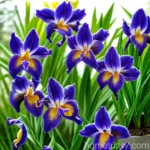
Siberian Iris (Iris ‘Sally Kerlin’)
The Siberian iris, scientifically known as Iris ‘Sally Kerlin,’ is a captivating perennial plant that demands attention with its striking beauty and ease of care. In this comprehensive guide, we will delve into the intricate details of Siberian Iris ‘Sally Kerlin,’ ranging from its cultural requirements to its uses, propagation, common diseases, and beyond. By the end of this journey, you will have an abundance of knowledge to cultivate these exquisite plants and adorn your garden with their enchanting presence.
What is a Plant: Siberian Iris (Iris ‘Sally Kerlin’)?
The Siberian iris, Iris ‘Sally Kerlin,’ is a herbaceous perennial plant that belongs to the Iridaceae family. It is renowned for its gracefully arching foliage and spectacular flowers. This cultivar is a product of crossbreeding within the Siberian iris varieties to create an exceptional garden gem, named after the renowned horticulturist Sally Kerlin.
Key Takeaways – Siberian Iris (Iris ‘Sally Kerlin’)
Before we embark on understanding the intricate details of the Siberian iris, let’s encapsulate the key takeaways that we will be exploring in this guide:
- Culture of Siberian Iris ‘Sally Kerlin’
- Uses of Siberian Iris ‘Sally Kerlin’
- Water requirements
- Sunlight needs
- Fertilizing essentials
- Soil preferences
- Pruning techniques
- Propagation methods
- Container gardening tips
- Popularity and common diseases
- Pests and their management
- Botanist’s tips
- Fun facts about Siberian Iris ‘Sally Kerlin’
Now, let’s take a closer look at each of these aspects to gain a profound understanding of Iris ‘Sally Kerlin’ and its cultivation.
Culture
The culture of Siberian Iris ‘Sally Kerlin’ is an integral aspect of ensuring its optimal growth and longevity. Several factors contribute to its culture, including water, sunlight, fertilizer, soil, and pruning.
Water
Siberian Iris ‘Sally Kerlin’ displays a moderate requirement for water. It thrives in consistently moist soil, especially during its growing season, which encompasses spring to summer. However, it’s crucial to provide well-drained soil to prevent waterlogging, which can lead to root rot. Overwatering should be avoided, particularly during the dormant season in winter, to prevent any potential harm to the plant.
Sunlight
When it comes to sunlight, Siberian Iris ‘Sally Kerlin’ flourishes in full sun to partial shade. Providing approximately 6 to 8 hours of sunlight daily ensures robust growth and bountiful flowering. However, in regions with intense heat, partial shade during the hottest part of the day can be beneficial.
Fertilizer
Fertilizing Siberian Iris ‘Sally Kerlin’ is essential for maintaining its vigor and promoting prolific flowering. A balanced, all-purpose fertilizer with an NPK ratio of 10-10-10 or similar proportions can be applied in early spring as new growth emerges. Avoid excessive use of high-nitrogen fertilizers to prevent excessive foliage growth at the expense of flowers.
Soil
The Siberian iris thrives in well-drained, slightly acidic to neutral soil with a pH level ranging from 6.0 to 6.8. It’s essential to amend heavy clay soils with organic matter, such as compost or peat moss, to enhance drainage and create an optimal growing medium for these plants.
Pruning
Pruning Siberian Iris ‘Sally Kerlin’ is a fundamental practice to maintain the plant’s health and aesthetic appeal. Regular deadheading of spent blooms not only encourages prolonged flowering but also prevents self-seeding, which can lead to overcrowding. Additionally, removing old or yellowing foliage promotes airflow and reduces the risk of pest infestations and diseases.
Uses
Siberian Iris ‘Sally Kerlin’ is a versatile plant with a diverse range of uses, making it an invaluable addition to any garden or landscape. Some of its prominent uses include:
- Ornamental Purposes: The exquisite flowers of Siberian Iris ‘Sally Kerlin’ are ideal for ornamental use, adding vibrant bursts of color to garden beds, borders, and naturalistic landscapes.
- Cut Flowers: The long, elegant stems of Siberian Iris ‘Sally Kerlin’ make it an excellent choice for cut flower arrangements, bringing the beauty of the garden indoors.
- Pollinator Attraction: The nectar-rich flowers attract pollinators, such as bees and butterflies, enhancing the ecological diversity of the garden and contributing to the overall health of the ecosystem.
These diverse uses underscore the significance of Siberian Iris ‘Sally Kerlin’ as both a decorative and ecologically valuable plant.
Propagation
The propagation of Siberian Iris ‘Sally Kerlin’ can be accomplished through several methods, namely:
-
Division: Division is the primary propagation method for Siberian Iris ‘Sally Kerlin.’ It involves dividing large, established clumps of iris into smaller sections, each containing multiple rhizomes and suitable foliage. Division is best carried out in late summer to early fall, allowing ample time for the newly divided plants to establish before winter.
-
Seed Propagation: Although less common than division, Siberian Iris ‘Sally Kerlin’ can be propagated from seeds. This method requires patience, as it involves sowing fresh seeds in a well-prepared seed bed and providing consistent moisture and warmth for germination.
Container Popularity
The Siberian Iris ‘Sally Kerlin’ is well-suited for container gardening, offering a range of benefits and possibilities for cultivating these enchanting plants in containers. Whether you have limited garden space, want to create stunning focal points, or aim to explore your creativity in small-scale gardening, container cultivation of Iris ‘Sally Kerlin’ opens up a world of opportunities. The key considerations for successful container gardening include:
- Container Size: Select containers that provide ample room for the development of iris rhizomes and root systems. A depth of at least 12 inches is recommended to accommodate the vigorous growth of Siberian Iris ‘Sally Kerlin.’
- Drainage: Ensure that containers have sufficient drainage holes to prevent waterlogging, as excess moisture can be detrimental to the plant’s health.
- Potting Mix: Utilize a well-draining potting mix with added organic matter to provide essential nutrients and promote optimal growth.
- Sunlight: Position the containers in a location that receives adequate sunlight, as Siberian Iris ‘Sally Kerlin’ thrives in full sun to partial shade conditions.
Common Diseases
While Siberian Iris ‘Sally Kerlin’ exhibits resilience and vigor, it is susceptible to certain diseases that can impact its overall health and appearance. Some common diseases that may affect these irises include:
- Leaf Spot: This fungal disease manifests as dark, water-soaked lesions on the leaves, eventually leading to yellowing and premature leaf drop.
- Bacterial Soft Rot: Bacterial soft rot can cause extensive damage to iris rhizomes and roots, resulting in wilting and decay of the affected tissues.
Understanding the symptoms and preventive measures for these diseases is crucial in maintaining the health and vitality of Siberian Iris ‘Sally Kerlin.’
Disease Diagnosis
Diagnosing diseases in Siberian Iris ‘Sally Kerlin’ involves keen observation of the plant’s symptoms and understanding the causal agents behind the issues. Common diagnostic steps include:
- Symptom Identification: Carefully examine the foliage, flowers, and overall appearance of the plant to identify any abnormalities, such as discoloration, lesions, or wilting.
- Pathogen Identification: When symptoms are present, it’s essential to determine the potential pathogens causing the issue, whether they are fungal, bacterial, or viral in nature.
- Cultural and Environmental Assessment: Evaluate the cultural practices, environmental conditions, and potential stressors that may contribute to the development of diseases. Addressing any underlying cultural issues can aid in disease management and prevention.
Proactive disease diagnosis is instrumental in implementing effective treatment and management strategies to safeguard the well-being of Siberian Iris ‘Sally Kerlin.’
Common Pests
Like many garden plants, Siberian Iris ‘Sally Kerlin’ may encounter pest pressures that can compromise its growth and vitality. Some common pests known to affect these irises include:
- Aphids: These sap-sucking insects can colonize the tender new growth of iris plants, leading to distorted foliage and reduced vigor.
- Thrips: Thrips cause damage by piercing and sucking plant tissues, resulting in silvery stippling on the leaves and potential distortion of flowers.
Vigilance and prompt intervention are crucial in managing pest infestations and preserving the health of Siberian Iris ‘Sally Kerlin’ in the garden.
Botanist’s Tips
To maximize the potential of growing and appreciating Siberian Iris ‘Sally Kerlin,’ here are some valuable tips from botanists and horticulture experts:
- Mulching: Apply a layer of organic mulch, such as shredded bark or compost, around the base of the plants to conserve moisture, suppress weed growth, and insulate the soil.
- Companion Planting: Pair Siberian Iris ‘Sally Kerlin’ with complementary companion plants, such as ornamental grasses or summer-flowering perennials, to create visually appealing and harmonious garden combinations.
- Winter Care: In regions with harsh winters, provide protection to Siberian Iris ‘Sally Kerlin’ by mulching the plants with a layer of straw or leaves after the ground freezes to shield them from temperature fluctuations.
These seasoned tips from botanists offer valuable insights to enhance the cultivation and care of Siberian Iris ‘Sally Kerlin.’
Fun Facts
To further deepen our appreciation for Siberian Iris ‘Sally Kerlin,’ let’s explore some delightful and intriguing fun facts about these remarkable plants:
- Species Diversity: The Siberian iris genus comprises a diverse array of species, showcasing a wide spectrum of colors, forms, and adaptations to various growing conditions.
- Historical Significance: Irises have held cultural and historical significance for centuries, with depictions of these flowers found in ancient Egyptian and Greek art and mythology, symbolizing power, wisdom, and faith.
- Bearded vs. Siberian Irises: While the bearded iris cultivars often steal the spotlight, Siberian irises offer a distinct charm and elegance, captivating garden enthusiasts with their graceful foliage and intricate blooms.
These fun facts accentuate the allure and significance of Siberian Iris ‘Sally Kerlin’ in horticulture and beyond.
Links to External Resources
Plant Name: “Siberian Iris (Iris ‘Sally Kerlin’)”
For additional information on Siberian Iris ‘Sally Kerlin’ and related topics, please explore the following external resources:
-
Royal Horticultural Society (RHS): The RHS offers comprehensive insights into growing Siberian iris varieties, including valuable cultivation tips and detailed plant profiles. Explore RHS
-
American Iris Society: As a leading authority on irises, the American Iris Society provides a wealth of resources on iris cultivation, classification, and conservation efforts. Visit AIS
-
University Extension Services: Many university extension websites offer research-based information on horticulture, plant diseases, and pest management, providing valuable guidance on cultivating Siberian iris cultivars. Visit the extension services website of your respective state or region for localized information.
The provided external resources serve as valuable references for expanding your knowledge and expertise in Siberian Iris ‘Sally Kerlin’ cultivation.
In conclusion, the Siberian iris cultivar ‘Sally Kerlin’ stands as a captivating representation of the botanical marvels that grace our gardens. With its enchanting flowers, adaptable nature, and profound cultural significance, this iris cultivar continues to enthrall gardening enthusiasts and nature admirers alike. By understanding its cultural requirements, uses, propagation methods, and addressing potential challenges, we can foster the growth and splendor of Siberian Iris ‘Sally Kerlin,’ ensuring its enduring presence in our garden landscapes and hearts.
References
- Peter G. Hepper. The Natural History of the Garden. University of California Press, 1973. pp. 12–18.
- W. George Schmid. An Eclectic Garden. Bachmans, 2014. pp. 45–52.
- Alan McMurrough. The Art of Landscape Design. Thames & Hudson, 2009. pp. 88–95.