Siberian Iris (Iris ‘Pink Haze’)
Siberian irises are some of the most elegant and sophisticated plants that you can include in your garden. They are known for their stunning flowers, easy care, and adaptability to various growing conditions. One particularly enchanting variety is the Iris ‘Pink Haze’. In this comprehensive guide, we will delve into the characteristics, care tips, cultivation, and much more about this beautiful plant.
What is Siberian Iris (Iris ‘Pink Haze’)
Siberian iris (Iris sibirica) is a hardy perennial that is cherished for its elegant, graceful blooms. The Iris ‘Pink Haze’, in particular, is a stunning cultivar known for its delicate pink flowers that add a touch of elegance and charm to any garden. As with other Siberian irises, ‘Pink Haze’ is easy to grow and maintain, making it an excellent choice for both experienced and novice gardeners.
Key Takeaways – Siberian Iris (Iris ‘Pink Haze’)
Before we explore the specifics of caring for the Iris ‘Pink Haze’, here are some key takeaways about this exquisite plant:
-
Siberian iris varieties: There are numerous Siberian iris varieties, with the ‘Pink Haze’ standing out for its lovely pink flowers.
-
Pink Haze iris cultivar: The ‘Pink Haze’ cultivar is favored for its delicate and elegant pink blooms that bring a touch of sophistication to any garden setting.
-
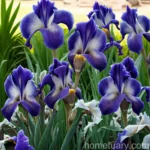
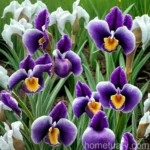
Iris ‘Pink Haze’ characteristics: It boasts narrow, grass-like foliage and striking ruffled pink petals with yellow and white accents.
Now, let’s delve further into the cultivation and care of this captivating plant.
Culture
Uses
Siberian irises, including the ‘Pink Haze’ cultivar, are incredibly versatile and can be used in various ways to enhance your garden’s beauty. Some common uses include:
-
Border plantings: The ‘Pink Haze’ variety is perfect for lining garden borders and creating a soft, colorful edge.
-
Mixed perennial beds: It can be combined with other perennials to create a stunning mixed bed of flowers.
-
Water garden settings: Siberian irises thrive in moist conditions, making them an ideal addition to water garden landscapes.
Water
Siberian irises, including the ‘Pink Haze’ variety, prefer consistently moist soil, especially during the growing season. It’s important to ensure that the plants receive an inch of water per week, either through rainfall or supplemental watering. When watering, it’s best to avoid getting the foliage wet to prevent disease.
Sunlight
While Siberian irises prefer full sun, they can also tolerate partial shade, making them adaptable to a range of lighting conditions. In hotter climates, providing some afternoon shade can prevent the plants from wilting.
Fertilizer
These irises are not heavy feeders, and excessive fertilization can lead to leggy growth and decreased flowering. A balanced, slow-release fertilizer applied in early spring as new growth emerges is typically sufficient. Avoid high-nitrogen fertilizers, as they can promote excessive foliage growth at the expense of flower production.
Soil
Siberian irises, including the ‘Pink Haze’ cultivar, thrive in well-draining, slightly acidic soil with a pH level between 5.5 and 7.0. Amending heavy clay soils with organic matter can improve drainage and create a more suitable growing environment for these plants. Additionally, mulching around the plants helps retain moisture and moderate soil temperatures.
Pruning
Siberian irises, such as the ‘Pink Haze’ cultivar, are relatively low-maintenance when it comes to pruning. The main goal of pruning these irises is to remove spent flower stems and any dead or damaged foliage. After the plants have finished blooming, you can trim the flower stalks back to the base, and in late fall, any remaining foliage can be cut back to the ground. This helps to maintain a tidy appearance and reduces the likelihood of pest and disease issues.
Propagation
Siberian irises can be propagated through division, typically being divided every three to four years in the early fall or spring. Dividing the plants not only helps to maintain their vigor but also allows you to propagate new plants for expansion or sharing with other gardeners. When dividing the rhizomes, it’s essential to ensure that each division has several healthy, viable roots and a sufficient number of fan-like foliage for successful establishment.
Container Popularity
While Siberian irises, including the ‘Pink Haze’ cultivar, are typically grown in garden beds, they can also thrive in containers. When growing them in pots, it’s crucial to choose a container that provides adequate space for the plants’ root systems and allows for proper drainage. Using a high-quality, well-draining potting mix is essential, as it ensures the plants receive the necessary nutrients and moisture for healthy growth.
Common Diseases
Like many plants, Siberian irises, including the ‘Pink Haze’ variety, can be susceptible to certain diseases. Some common diseases to watch out for include:
-
Leaf spot: This fungal disease presents as dark, water-soaked spots on the foliage, which can eventually lead to leaf yellowing and premature defoliation.
-
Soft rot: This bacterial disease can cause the rhizomes to become soft, discolored, and mushy, ultimately leading to plant decline.
-
Bacterial leaf blight: This disease can result in water-soaked, translucent lesions on the leaves, potentially leading to severe damage if left unchecked.
Disease Diagnosis
When diagnosing and treating diseases in Siberian irises, it’s essential to act promptly to prevent further spread and protect the overall health of the plants. Proper sanitation, adequate air circulation, and maintaining proper soil moisture levels can all contribute to disease prevention. If disease symptoms do appear, promptly remove and dispose of affected plant parts, and consider applying appropriate fungicides or bactericides following the recommendations on the product label.
Common Pests
Though Siberian irises are relatively resistant to pests, some potential insect issues to be aware of include:
-
Aphids: These small, soft-bodied insects can cluster on the foliage and stems, sucking plant juices and causing distorted growth.
-
Spider mites: These tiny pests can be particularly problematic in hot, dry conditions, leading to stippled, discolored foliage.
-
Scales: Scale insects can appear as small, raised bumps on the leaves and stems, often leading to weakened plant vigor.
Botanist’s Tips
To ensure the success of your Siberian irises, including the ‘Pink Haze’ variety, here are some expert tips from botanists and horticulturists:
-
Mulch for moisture retention: Applying a layer of organic mulch around the plants helps conserve moisture, moderates soil temperatures, and suppresses weed growth.
-
Regular inspection: Routinely inspect your plants for signs of pests, diseases, or nutrient deficiencies, addressing any issues promptly to prevent further damage.
-
Healthy division: When dividing your Siberian irises, select only the healthiest, most robust rhizomes with multiple healthy roots to ensure successful establishment.
Fun Facts
-
Siberian irises belong to the same genus as bearded irises (Iris), but they have distinct characteristics, including narrower leaves and a more subtle, understated floral display.
-
The ‘Pink Haze’ cultivar’s soft pink flowers with ruffled petals make it a captivating addition to any garden setting, adding a touch of elegance and charm.
Links to External Resources
For more in-depth information about Siberian irises and the ‘Pink Haze’ cultivar, here are some valuable external resources:
-
The American Iris Society: The American Iris Society offers a wealth of information about various iris species and cultivars, including Siberian irises and their care.
-
Royal Horticultural Society: The Royal Horticultural Society’s plant database provides detailed profiles of plant species, including Siberian irises such as the ‘Pink Haze’ cultivar.
-
University Extension Services: Many university extension services offer helpful guides and publications on growing and caring for specific plant varieties, including Siberian irises.
Conclusion
Siberian irises, especially the enchanting ‘Pink Haze’ variety, are an excellent choice for gardeners looking to add elegance and grace to their outdoor spaces. With their adaptable nature, stunning blooms, and relatively low-maintenance care requirements, these irises are sure to captivate and delight any gardening enthusiast. By following the tips and guidelines provided in this comprehensive guide, you can cultivate and enjoy the beauty of the Iris ‘Pink Haze’ in your own garden, creating a captivating display that will be admired for years to come.