Siberian Iris (Iris ‘Butter and Sugar’): A Comprehensive Guide
Introduction
The Siberian iris, scientifically known as Iris ‘Butter and Sugar’, is a spectacular perennial plant that belongs to the family Iridaceae. It is cherished for its stunning blooms, graceful foliage, and adaptability to various growing conditions. This guide aims to provide plant enthusiasts, horticulturists, and gardeners with an in-depth understanding of Siberian iris, including its culture, uses, care tips, and landscaping potential.
What is the Siberian Iris (Iris ‘Butter and Sugar’)?
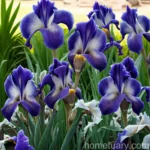
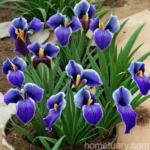
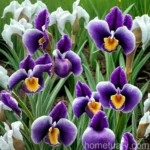
The Siberian iris, Iris ‘Butter and Sugar’, is a cultivar known for its elegant appearance and resilience. This herbaceous perennial possesses narrow, grass-like leaves and produces delicate, intricate flowers that add a touch of sophistication to any garden or landscape. The Iris ‘Butter and Sugar’ cultivar specifically features enchanting blossoms with gentle hues of yellow and white, exuding an aura of serenity and elegance.
Key Takeaways – Siberian Iris (Iris ‘Butter and Sugar’)
Before delving into the detailed aspects of cultivating and caring for Siberian iris, let’s highlight some key takeaways about this captivating plant:
- Cultivar Name: Iris ‘Butter and Sugar’
- Family: Iridaceae
- Characteristics: Graceful foliage, enchanting blooms with yellow and white hues
- Growing Season: Spring to early summer
- Growing Zones: Typically thrives in USDA Hardiness Zones 3-9
- Watering Needs: Moderate, prefers consistently moist soil
- Sunlight Requirements: Thrives in full sun to partial shade
- Maintenance: Low maintenance, minimal pruning and care required
- Landscaping Potential: Ideal for borders, garden beds, and naturalized settings
- Soil Preferences: Well-draining, fertile soil
- Propagation Methods: Division, seed sowing
- Common Pests: Generally resistant to pests
- Common Diseases: Minimal susceptibility to diseases
Now, let’s explore each of these aspects in detail to gain a comprehensive understanding of how to cultivate and care for Siberian iris in diverse garden settings.
Culture
The cultural requirements of Siberian iris play a crucial role in determining its growth, blooming potential, and overall health. Understanding the plant’s culture is essential for providing an environment in which it can thrive. Let’s look at the key cultural aspects and how they impact the growth of the Siberian iris.
Uses
The Siberian iris, Iris ‘Butter and Sugar’, offers a range of uses and applications in landscaping and horticulture. Its versatility makes it a valuable addition to various garden settings. Some common uses of Siberian iris include:
- Border Planting: Siberian iris is often used as a border plant, creating visual interest and defining garden edges.
- Naturalized Settings: Due to its graceful foliage and charming blooms, Siberian iris can be grown in naturalized settings, such as meadows, to add a touch of elegance to the landscape.
- Pollinator Gardens: The nectar-rich blooms of Siberian iris make it an attractive choice for pollinator gardens, attracting bees, butterflies, and other beneficial insects.
Water
Proper watering is essential for the healthy growth and blooming of Siberian iris. While the plant prefers consistently moist soil, it is important to avoid overwatering, which can lead to root rot and other issues. Here are some key points to consider regarding watering the Siberian iris:
- Consistent Moisture: Siberian iris thrives in soil that maintains consistent moisture levels. This is particularly important during the growing season, from spring to early summer, when the plant is actively growing and blooming.
- Avoid Waterlogging: Ensure that the soil has adequate drainage to prevent waterlogging, which can lead to root damage and fungal issues.
- Mulching: Applying a layer of organic mulch around the base of the plant can help retain soil moisture and regulate temperature, benefiting the Siberian iris.
Sunlight
The sunlight requirements of Siberian iris play a significant role in its overall health, blooming, and vigor. Understanding the plant’s preferences for sunlight exposure is crucial for selecting an ideal planting location and ensuring optimal growth. Consider the following points related to sunlight requirements for Siberian iris:
- Full Sun to Partial Shade: Siberian iris typically thrives in full sun to partial shade. In regions with hot summers, providing afternoon shade can help protect the plant from intense sunlight.
- Morning Sun Exposure: In cooler climates, providing the Siberian iris with morning sun exposure can promote robust growth and prolific blooming.
- Site Selection: When selecting a planting site, consider the intensity and duration of sunlight to accommodate the plant’s sunlight requirements.
Fertilizer
Fertilization plays a pivotal role in promoting healthy growth and prolific blooming of Siberian iris. By providing the plant with essential nutrients, gardeners can ensure that it thrives and produces vibrant, long-lasting blooms. Here are some important considerations when it comes to fertilizing Siberian iris:
- Nutrient-Rich Soil: Prepare the planting area with nutrient-rich soil to provide a good foundation for the Siberian iris.
- Balanced Fertilizer: Use a balanced, slow-release fertilizer formulated for flowering perennials to provide the Siberian iris with necessary nutrients without promoting excessive vegetative growth.
- Timing of Application: Apply fertilizer in early spring as new growth emerges, and consider a light application in late spring to support blooming.
Soil
The soil composition and quality significantly influence the growth, blooming, and overall health of Siberian iris. Understanding the plant’s soil preferences and making necessary amendments can ensure optimal conditions for cultivation. Consider the following soil-related aspects when growing Siberian iris:
- Well-Draining Soil: Siberian iris thrives in well-draining soil, which prevents waterlogging and promotes aeration of the root system.
- Fertility: Prepare the planting area with fertile soil, incorporating organic matter such as compost or well-rotted manure to enhance soil fertility and structure.
- Soil pH: Siberian iris generally thrives in slightly acidic to neutral soil with a pH range of 6.0 to 7.0. Conduct a soil test to determine the pH and make adjustments if necessary.
Pruning
Appropriate pruning of Siberian iris is essential for maintaining the plant’s vigor, enhancing its appearance, and promoting blooming. Proper pruning practices can help manage the plant’s foliage and ensure a tidy, attractive appearance. Here are some key points to keep in mind when pruning Siberian iris:
- Deadheading: Remove spent blooms promptly to prevent the formation of seeds and encourage the plant to redirect its energy into producing new blooms.
- Foliage Maintenance: Remove any yellowing or withered foliage to maintain the plant’s aesthetic appeal and prevent the spread of diseases.
- Division: Periodically divide mature Siberian iris clumps to rejuvenate the plants, promote vigor, and prevent overcrowding.
Propagation
Propagating Siberian iris through division is a common and effective method for increasing plant numbers and rejuvenating older clumps. By understanding the propagation process, gardeners can successfully propagate Siberian iris and expand their collection. Consider the following points related to propagating Siberian iris:
- Division Timing: The ideal time to divide Siberian iris is in late summer to early fall, allowing the plants to establish before the onset of winter.
- Division Process: Carefully dig up mature iris clumps and separate them into smaller divisions, ensuring that each division has healthy rhizomes and roots.
- Replanting Divisions: Plant the divisions at the appropriate depth, ensuring that the rhizomes are partially exposed and the roots are spread out to establish well in the soil.
Container Popularity
While Siberian iris is commonly grown in garden beds and naturalized settings, it also holds popularity as a container plant. The graceful foliage and stunning blooms of Siberian iris make it an attractive choice for container gardening. Here are some key considerations when growing Siberian iris in containers:
- Container Selection: Choose a large, deep container to accommodate the plant’s root system and allow for sufficient growth and development.
- Well-Draining Soil: Use a high-quality, well-draining potting mix to ensure proper soil aeration and moisture retention.
- Watering Needs: Regularly water the Siberian iris in containers, ensuring that the soil remains consistently moist but not waterlogged.
- Sunlight Requirements: Place the containers in a location that receives adequate sunlight while providing some protection from intense afternoon sun in warmer regions.
Common Diseases
Siberian iris (Iris ‘Butter and Sugar’) is generally resilient to diseases, with minimal susceptibility to common plant ailments. However, being aware of potential diseases can help gardeners identify and address issues promptly. Here are some of the common diseases that may affect Siberian iris:
Leaf Spot
Leaf spot, caused by various fungal pathogens, can result in the development of small, dark spots on the foliage. In severe cases, the affected leaves may yellow and wither, impacting the plant’s overall health and vigor. To manage leaf spot:
- Remove and dispose of affected foliage to prevent the spread of the disease.
- Avoid overhead watering to reduce moisture on the foliage, creating unfavorable conditions for fungal growth.
Crown Rot
Crown rot is a fungal disease that can affect the crown and rhizomes of the Siberian iris, potentially leading to wilting, discoloration, and decay of the affected plant parts. To prevent crown rot:
- Ensure proper soil drainage to prevent waterlogging, which can contribute to the development of crown rot.
- Plant Siberian iris at the appropriate depth, with the rhizomes partially exposed, to promote air circulation and reduce the risk of rot.
Bacterial Soft Rot
Bacterial soft rot can cause rapid decay of plant tissue, leading to a foul odor and slimy texture in the affected areas. This disease can be particularly damaging, but the following practices can help manage and prevent bacterial soft rot:
- Provide proper air circulation by spacing plants adequately and avoiding overcrowding.
- Remove and discard affected plant parts promptly to prevent the spread of the bacteria.
Disease Diagnosis
When diagnosing potential diseases affecting Siberian iris, careful observation and timely intervention are crucial. The following signs and symptoms can indicate common diseases or issues in the plant:
- Yellowing or Browning Foliage: Discoloration of the foliage may indicate fungal diseases such as leaf spot or bacterial issues.
- Wilting or Rotting Rhizomes: Symptoms of decay or softening of the rhizomes and crown can indicate crown rot or bacterial soft rot.
- Stunted Growth: Reduced growth and vigor may be indicative of underlying disease or environmental stressors.
If you notice any of these symptoms or suspect disease in your Siberian iris, promptly inspect the plant, remove and dispose of affected plant parts, and implement appropriate preventive measures to protect the plant’s health.
Common Pests
Siberian iris (Iris ‘Butter and Sugar’) is relatively resistant to common garden pests. However, it is important to be vigilant and monitor the plants for signs of pest activity. Here are some common pests that may occasionally affect Siberian iris and tips for pest management:
Aphids
Aphids are small, soft-bodied insects that can cluster on the foliage and stems of Siberian iris, potentially causing leaf distortion and the development of sticky honeydew. Manage aphids by:
- Spraying the affected plants with a strong stream of water to dislodge the aphids.
- Applying insecticidal soap as a targeted treatment for persistent aphid infestations.
Iris Borers
Iris borers are destructive pests that can cause extensive damage to Siberian iris by feeding on the rhizomes and tunneling into the plant tissue. Their presence may lead to wilting, discoloration, and decline of the affected plants. To manage iris borers:
- Inspect plants regularly for signs of borer activity, including entry holes and frass.
- Remove and destroy affected plant parts to prevent the spread of iris borers within the garden.
Botanist’s Tips
For aspiring botanists, plant enthusiasts, and gardeners, here are some insightful tips for cultivating and caring for Siberian iris:
- Companion Planting: Pair Siberian iris with other perennial plants such as yarrow, catmint, or daylilies to create visually appealing and diverse garden beds.
- Winter Care: In regions with cold winters, provide additional protection to Siberian iris by applying a layer of mulch over the root zone to insulate the plants and prevent heaving.
- Garden Design: Incorporate Siberian iris into garden designs by leveraging its graceful foliage and versatile color palette to create captivating focal points and harmonious plant compositions.
Fun Facts
As we immerse ourselves in the world of Siberian iris, let’s explore some fascinating and delightful facts about this timeless perennial:
- Butter and Sugar Blooms: The enchanting blooms of Iris ‘Butter and Sugar’ captivate the senses with their delicate, buttery yellow and creamy white hues, creating an ethereal and elegant display in the garden.
- Primed for Pollinators: Siberian iris is a magnet for beneficial pollinators, including bees and butterflies, as they flock to the nectar-rich blooms, adding vitality and activity to the garden.
- Symbolic Significance: In the language of flowers, iris is associated with sentiments of hope, courage, and wisdom, infusing deeper meaning and symbolism into the garden landscape.
Links to External Resources
For further exploration and research on Siberian iris and horticultural practices, the following external resources provide valuable information and insights:
- Royal Horticultural Society – Growing Irises
- American Iris Society
- University of Illinois Extension – Iris
In conclusion, Siberian iris (Iris ‘Butter and Sugar’) stands as a timeless and captivating perennial that enriches gardens with its enchanting blooms and graceful presence. By understanding its cultural requirements, care tips, and landscaping potential, we can embrace the charm of this resilient and versatile plant in diverse horticultural settings.
Through the medley of yellow and white blooms and the dance of slender, grass-like foliage, Siberian iris enchants us with its elegance and offers a timeless allure in the garden, beckoning us to embrace its enduring beauty year after year.
In its hues of butter and sugar, this iridescent jewel of the garden invites us to celebrate the artistry of nature and instills a sense of tranquility and grace, making it an alluring addition to any garden canvas.
Let the Siberian iris (Iris ‘Butter and Sugar’) grace your garden and infuse it with the timeless elegance and enduring allure that only nature can offer.