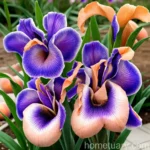
Siberian Iris (Iris ‘Eric the Red’)
Siberian iris, or Iris sibirica, is a perennial plant known for its stunning flowers and ease of maintenance. One popular cultivar of Siberian iris is ‘Eric the Red,’ named for its vibrant red-toned blooms. This article will provide an in-depth look into the care, characteristics, and uses of Siberian iris ‘Eric the Red’, covering everything from its growth habits and planting requirements to its disease resistance and landscaping potential.
What is Siberian Iris ‘Eric the Red’?
Siberian iris ‘Eric the Red’ is a cultivar of the Iris sibirica species. It is known for its deep red to purple-toned flowers, which bloom in late spring to early summer. The plant forms clumps of narrow, grass-like leaves that provide a beautiful backdrop for the stunning flowers.
Key Takeaways – Siberian Iris (Iris ‘Eric the Red’)
Before diving into the specifics of caring for Siberian iris ‘Eric the Red,’ here are some key takeaways to keep in mind:
- Scientific Name: Iris sibirica ‘Eric the Red’
- Common Name: Siberian Iris ‘Eric the Red’
- Hardiness Zones: 3 – 9
- Mature Height: 24 – 36 inches
- Mature Spread: 18 – 24 inches
- Bloom Time: Late spring to early summer
- Water Needs: Moderate
- Sunlight Requirements: Full sun to partial shade
- Soil Requirements: Well-draining, moist soil
- Uses: Borders, containers, mass plantings, cut flowers
Now, let’s explore the various aspects of caring for and utilizing Siberian iris ‘Eric the Red’ in more detail.
Culture
Cultivating Siberian iris ‘Eric the Red’ involves understanding its specific cultural requirements to ensure healthy growth and vibrant blooms. Here’s a detailed overview of the cultural needs of this stunning plant.
Water
Siberian iris ‘Eric the Red’ prefers moderate moisture levels. While it does not tolerate waterlogged conditions, it benefits from consistently moist soil, especially during the growing season. Adequate watering is crucial for establishing strong root systems and promoting flower production.
- Watering Tips:
- Water regularly, especially during dry spells.
- Ensure proper drainage to prevent waterlogging.
- Avoid overhead watering to reduce the risk of foliar diseases.
Sunlight
When it comes to sunlight requirements, Siberian iris ‘Eric the Red’ thrives in full sun to partial shade. In regions with hot summers, providing some afternoon shade can help protect the plants from excessive heat and prevent the flowers from fading prematurely.
- Sunlight Guidelines:
- Aim for at least 6 hours of direct sunlight per day.
- In hot climates, provide partial shade during the hottest part of the day.
- Ensure proper air circulation to reduce the risk of fungal diseases.
Fertilizer
Proper fertilization can enhance the overall vigor and blooming performance of Siberian iris ‘Eric the Red’. Applying a balanced, slow-release fertilizer in early spring can provide the necessary nutrients for healthy growth and abundant flowering.
- Fertilization Steps:
- Use a balanced fertilizer with a ratio such as 10-10-10.
- Apply the fertilizer according to the dosage instructions on the packaging.
- Avoid direct contact between the fertilizer and the plant foliage to prevent burns.
Soil
Siberian iris ‘Eric the Red’ thrives in well-draining, moisture-retentive soil. Amending the soil with organic matter, such as compost or well-rotted manure, can improve its texture and fertility, creating an ideal growing environment for these plants.
- Soil Recommendations:
- Choose loamy, slightly acidic to neutral soil for optimal growth.
- Ensure good drainage to prevent waterlogged conditions.
- Mulch the soil surface to conserve moisture and suppress weed growth.
Pruning
Pruning is an essential aspect of maintaining Siberian iris ‘Eric the Red’ and promoting its overall health and appearance. Proper pruning practices can help eliminate spent flowers, rejuvenate the plant, and improve air circulation around the foliage.
- Pruning Guidelines:
- Deadhead faded flowers to encourage continuous blooming.
- Remove any yellowing or damaged foliage throughout the growing season.
- Cut back the entire plant to ground level in late fall or early spring to rejuvenate the foliage.
Propagation
Propagating Siberian iris ‘Eric the Red’ allows gardeners to expand their plantings or share this stunning variety with others. Division is the most common method of propagation and is best carried out in early spring or late summer.
- Propagation Steps:
- Divide mature clumps every 3-4 years to prevent overcrowding.
- Select healthy, vigorous rhizomes for division.
- Replant the divided rhizomes in prepared soil, ensuring proper spacing.
Container Popularity
Siberian iris ‘Eric the Red’ is well-suited for container cultivation, adding a delightful pop of color and elegance to patios, balconies, and garden spaces. Its compact growth habit and captivating blooms make it a popular choice for container gardening enthusiasts.
- Container Tips:
- Select a large container with drainage holes to accommodate the plant’s root system.
- Use a well-draining potting mix tailored for perennial plants.
- Provide adequate water and sunlight to sustain healthy growth in containers.
Common Diseases
While Siberian iris ‘Eric the Red’ is generally resilient, it can be susceptible to certain diseases under unfavorable growing conditions. Understanding common diseases and their prevention measures is essential for maintaining the plant’s health and vigor.
Disease Diagnosis
Recognizing the symptoms of common diseases can help in timely intervention and management. Keep an eye out for signs of common iris diseases, such as bacterial leaf spot, fungal leaf spots, and soft rot, and take appropriate measures to address the issues promptly.
- Symptoms to Watch for:
- Spots or lesions on the foliage
- Wilted or discolored leaves
- Soft, decaying areas on the rhizomes
- Stunted growth and reduced flowering
Common Pests
Siberian iris ‘Eric the Red’ is relatively resistant to most pests, but it can still fall prey to certain insect nuisances. Identifying and addressing common pests can help safeguard the plant from potential damage and stress.
- Common Pests:
- Iris borer
- Aphids
- Slugs and snails
- Spider mites
Botanist’s Tips
Here are some additional tips from botanists and horticulture experts to help you achieve optimal results when growing and caring for Siberian iris ‘Eric the Red’:
- Provide adequate air circulation to minimize the risk of foliar diseases.
- Mulch around the plants to conserve soil moisture and suppress weed growth.
- Monitor the plants regularly for signs of pests and diseases, particularly during periods of high humidity.
- Consider companion planting to attract beneficial insects and enhance the overall garden ecosystem.
Fun Facts
- Siberian iris ‘Eric the Red’ is named after the vibrant red-toned flowers it produces.
- The word “Iris” is derived from the Greek goddess of the rainbow, signifying the wide range of flower colors found within the genus.
Links to External Resources
For additional information and resources on Siberian iris care and cultivation, consider exploring the following links:
- American Iris Society: A comprehensive resource for iris enthusiasts, featuring cultivation guides, forums, and information on various iris species and cultivars.
- Royal Horticultural Society: Growing Irises: An in-depth guide to growing irises, covering different varieties and their specific cultural requirements.
- University of Illinois Extension: Iris: A valuable resource offering insights into iris cultivation, including information on planting, care, and pest management.
The beauty and resilience of Siberian iris ‘Eric the Red’ make it a delightful addition to any garden or landscape. By understanding its cultural requirements, propagating methods, and potential uses, you can savor the elegance and charm of this captivating perennial plant. Whether grown in garden borders, containers, or mass plantings, the vibrant blooms of Siberian iris ‘Eric the Red’ are sure to captivate and inspire garden enthusiasts and nature lovers alike.
Remember that while Siberian iris ‘Eric the Red’ is relatively low-maintenance, attentive care, and regular monitoring are key to ensuring its long-term vitality and stunning floral displays. With the right cultural practices and suitable growing conditions, you can experience the beauty and allure of Siberian iris ‘Eric the Red’ in your own garden, year after year.