Red-hot Poker (Kniphofia ‘Cobra’)
In the world of flowering perennials, the Red-Hot Poker, scientifically known as Kniphofia ‘Cobra’, is a striking and visually captivating plant that is.
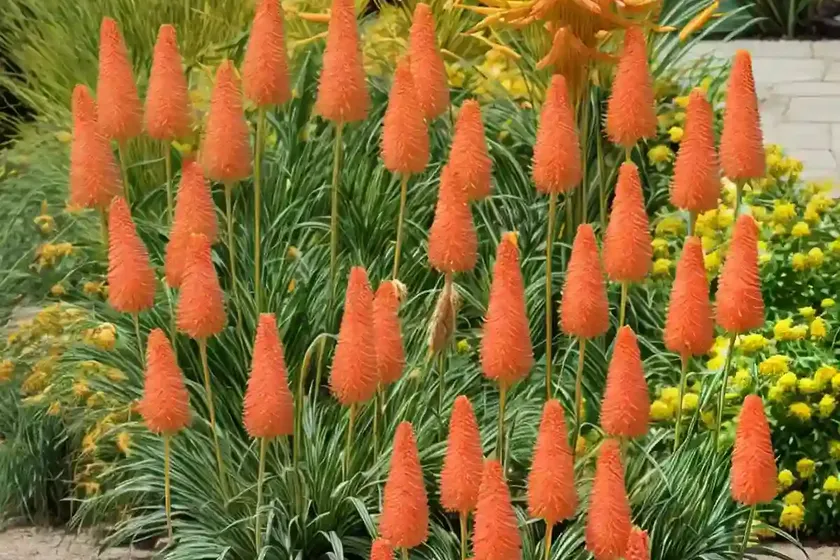
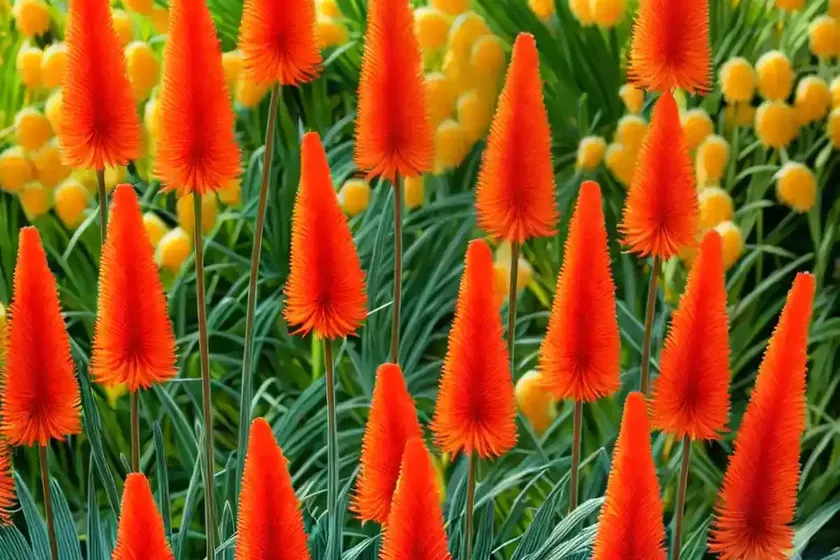
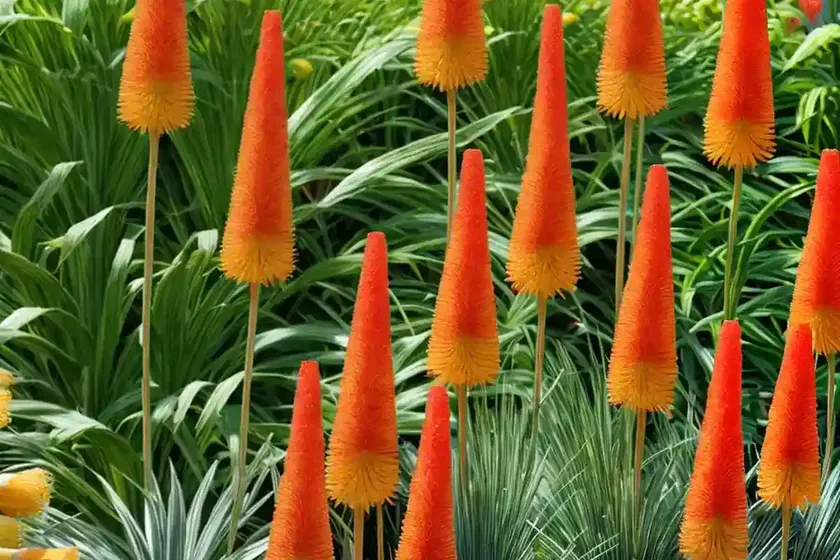
In the world of flowering perennials, the Red-Hot Poker, scientifically known as Kniphofia ‘Cobra’, is a striking and visually captivating plant that is favored by gardeners and horticulturists alike. This plant, with its vibrant and showy flower spikes, brings an element of drama and color to any garden or landscape. In this comprehensive guide, we will delve into the various aspects of cultivating and caring for the Red-Hot Poker, covering everything from its cultural requirements to its diseases and pests, all to help you become an expert in growing and maintaining this exceptional plant.
What is the Red-Hot Poker (Kniphofia ‘Cobra’)?
The Red-Hot Poker, or Kniphofia ‘Cobra’, is a captivating perennial plant renowned for its distinctive flower spikes that resemble the shape of a torch or poker. This plant belongs to the Asphodelaceae family and is native to South Africa. It is known for its striking and unusually colored flowers that vary in shades of red, orange, and yellow, which give the plant its common name, “Red-Hot Poker.”
Key Takeaways – Red-Hot Poker (Kniphofia ‘Cobra’)
Culture
- The Red-Hot Poker Thrives in Full Sun: This plant flourishes in locations with plenty of sunlight.
- Perfect Watering: Adequate and consistent watering is crucial for the growth and flowering of the Red-Hot Poker.
- Soil with Good Drainage: Well-draining soil is essential to prevent waterlogging and ensure healthy root development.
- Winter Care: Protection from extreme cold is necessary, especially in regions with harsh winters.
Uses
- Garden Borders and Landscaping: The Red-Hot Poker is frequently used in garden borders and for adding vertical interest to the landscape.
- Attracts Wildlife: Known for attracting pollinators, such as bees, and sometimes even birds.
- Container Gardening: Suited for container planting, allowing for versatility in garden designs and urban settings.
Water
- Moderate Watering Needs: Requires regular watering, especially during dry periods, to keep the soil consistently moist but not waterlogged.
Sunlight
- Full Sun Requirement: Flourishes when grown in full sunlight, receiving at least 6 hours of direct sunlight daily.
Fertilizer
- Low-Maintenance Feeding: Minimal fertilization is needed; however, applying a balanced fertilizer in spring can support healthy growth and flowering.
Soil
- Well-Draining Soil: Thrives in loamy, well-draining soil with a slightly acidic to neutral pH level.
Pruning
- Prune Spent Flower Stalks: Remove faded flower spikes to maintain the plant’s appearance and encourage new blooms.
- Cleanup in Spring: Cut back old foliage in spring to make way for new growth.
Propagation
- Division: Can be propagated through division of the plant’s rhizomes, typically done in spring or early fall.
Container Popularity
- Suitable for Containers: The Red-Hot Poker adapts well to container cultivation, offering a versatile option for smaller gardens and urban settings.
Common Diseases
- Good Disease Resistance: Generally resistant to most diseases under favorable growing conditions; however, leaf spot and rust can occasionally occur.
Disease Diagnosis
- Visual Symptoms: Look for signs of discoloration, spots, or abnormal growth on the foliage, which may indicate a disease issue.
Common Pests
- Minimal Pest Problems: Not prone to severe pest infestations; occasional aphids or spider mites may be encountered.
Botanist’s Tips
- Regular Monitoring: Keep an eye on the plant’s growth and appearance, addressing any issues promptly.
- Spring Care: Provide appropriate spring maintenance, such as pruning and fertilization, to support healthy growth and flowering.
Fun Facts
- Indigenous to South Africa: The Red-Hot Poker’s native habitat is the grasslands and rocky slopes of South Africa.
- Attracts Pollinators: Its vivid flowers entice bees, butterflies, and hummingbirds to the garden.
Now that we have outlined the key takeaways of this exceptional plant, let’s delve deeper into each aspect to understand how to care for and cultivate the Red-Hot Poker effectively.
Watering the Red-Hot Poker (Kniphofia ‘Cobra’)
The proper watering regimen is vital for the health and vitality of the Red-Hot Poker. Here are some essential tips for watering this plant:
Water Needs
-
Moderate Watering: Although drought-tolerant once established, regular watering is essential, especially during dry spells, to maintain consistent moisture in the soil. It’s important to water deeply to encourage robust root development.
-
Avoid Waterlogging: While the plant requires regular moisture, it is crucial to ensure good drainage to prevent waterlogging, which can lead to root rot and other moisture-related issues.
-
Consider Climate: Adapt the watering frequency based on local climate conditions. Warmer and drier climates may necessitate more regular watering compared to cooler or more humid regions.
Signs of Overwatering
- Wilted Appearance: Overwatering can cause the plant to appear wilted or droopy, despite the soil being moist.
- Yellowing or Browning Leaves: Excessive moisture can lead to discolored foliage, indicating potential issues with water accumulation in the soil.
Signs of Underwatering
- Wilting: Shrinking and wilting of the foliage, often noticeable during the hottest part of the day.
- Dry, Cracking Soil: The soil may appear dry and cracked, particularly during extended dry periods.
To ensure optimal growth and flowering, it is essential to maintain a consistent watering schedule, accounting for the plant’s needs and local environmental factors.
Sunlight Requirements for the Red-Hot Poker (Kniphofia ‘Cobra’)
Sun-loving by Nature: The Red-Hot Poker thrives in locations that receive ample sunlight. Here’s what you need to know about meeting its sunlight requirements:
Full Sun Exposure
-
Minimum Sunlight: The plant requires at least 6 hours of direct sunlight each day to perform at its best. Lack of adequate sunlight may result in reduced flowering and elongated, leggy growth.
-
Southern Exposure: If possible, position the plant in a spot that receives southern exposure, providing consistent and intense sunlight throughout the day.
-
Consider Climatic Variations: In areas with extremely high temperatures or intense sunlight, partial afternoon shade may benefit the plant, preventing sunscald and excessive heat stress.
Optimal Sunlight Importance
-
Flower Development: Ample sunlight is crucial for the development and vibrancy of the Red-Hot Poker’s striking flower spikes.
-
Leaf Health: Sunlight exposure enhances the plant’s overall vigor and helps prevent issues such as fungal diseases that can develop in shaded, damp conditions.
Shade Considerations
-
Morning Sun: While the plant requires full sun, morning sunlight is particularly beneficial, providing gentle warmth and promoting healthy growth.
-
Avoid Waterlogged Shaded Areas: Ensure that the chosen location for planting is not prone to waterlogging, as damp, shaded environments can compromise root health and overall plant performance.
By providing the Red-Hot Poker with the proper amount of sunlight, you can ensure its robust growth, stunning blooms, and overall long-term success.
Fertilizing Kniphofia ‘Cobra’
Fertilization is a key component of the Red-Hot Poker’s care regimen, supporting healthy growth and vibrant flowering. Here’s what you need to know about feeding this exceptional plant:
Fertilizer Type
-
Balanced Fertilization: Generally, a balanced, all-purpose fertilizer with equal N-P-K (nitrogen, phosphorus, and potassium) ratios is suitable for the Red-Hot Poker.
-
Follow Package Instructions: Adhere to the instructions provided on the fertilizer packaging, adjusting the application rates based on the specific product and plant size.
-
Organic Options: Organic fertilizers, such as compost or well-rotted manure, can serve as gentle and natural alternatives for nourishing the plant’s growth.
Application Timing
-
Early Spring Feeding: Apply fertilizer in early spring as new growth emerges, providing the plant with essential nutrients to support robust development and impending flowering.
-
Avoid Overfeeding: Refrain from excessive fertilization, as this can lead to overly lush growth at the expense of flowering and may even cause potential burning of the plant’s roots.
Special Considerations
-
Potted Red-Hot Poker: Container-grown Red-Hot Pokers may require more frequent fertilization, as nutrients in container soil can deplete more rapidly compared to garden soil.
-
Soil Testing: Conduct a soil test to assess nutrient levels and pH, adjusting the fertilization program based on the specific needs of the soil and plant growth.
Post-Flowering Feeding
- Late Summer Fertilization: After the plant has finished flowering, a light application of fertilizer can support root growth and overall plant vigor heading into the fall season.
By incorporating a well-balanced fertilization regimen into the plant’s care routine, you can promote strong, healthy growth and ensure a bountiful display of vibrant flowers.
Understanding the Soil Requirements for the Red-Hot Poker (Kniphofia ‘Cobra’)
Soil plays a pivotal role in the health and vigor of the Red-Hot Poker, influencing its growth, flowering, and overall well-being. Understanding the plant’s soil requirements is essential for creating an optimal environment for its cultivation:
Well-Drained Soil
-
Preventing Waterlogging: Well-draining soil is paramount, as the Red-Hot Poker is sensitive to waterlogged conditions, which can result in root rot and other moisture-related issues.
-
Loamy Texture: The plant thrives in loamy soil, which offers a balanced combination of sand, silt, and clay, promoting adequate drainage while retaining essential moisture.
-
Soil pH: The ideal soil pH for the Red-Hot Poker ranges from slightly acidic to neutral, typically between 6.0 to 7.0, creating an environment conducive to nutrient uptake and overall plant health.
Improving Soil Texture
-
Amending Heavy Soils: In clay-heavy or compacted soils, adding organic matter, such as compost or well-rotted manure, can enhance drainage and promote aeration, crucial for robust root development.
-
Container Soil Considerations: When growing the Red-Hot Poker in containers, utilize quality potting mixes with adequate drainage and aeration properties, designed for perennial or flowering plants.
Soil Moisture
-
Consistent Moisture Levels: While the plant requires well-drained soil, maintaining a consistent level of moisture is important, especially during the active growing and flowering seasons.
-
Mulching Benefits: Applying a layer of organic mulch around the base of the plant not only conserves soil moisture but also aids in maintaining uniform soil temperatures.
By providing the Red-Hot Poker with well-draining, nutrient-rich soil, you can establish an optimal growing environment, promoting healthy growth, abundant flowering, and long-term vitality.
Pruning the Red-Hot Poker (Kniphofia ‘Cobra’)
Pruning is an essential element of maintaining the Red-Hot Poker’s appearance, promoting flowering, and managing the plant’s overall health and vigor. Here’s a look at the key considerations for pruning this exceptional plant:
Pruning Frequency
-
Regular Maintenance: Incorporate routine pruning to remove spent flower stalks and maintain the plant’s aesthetic appeal, usually during and after the flowering period.
-
Spring Cleanup: In early spring, clear away any remaining winter debris and cut back old foliage to encourage new growth and rejuvenate the plant for the upcoming season.
Pruning Techniques
-
Stalk Removal: After individual flower spikes have finished blooming, trim them back to the base of the plant, promoting a tidy appearance and encouraging subsequent flowering.
-
Foliage Cleanup: Trim back any old or damaged foliage, eliminating any areas that appear diseased or negatively impact the plant’s visual appeal.
Division and Renovation
-
Renewing Older Clumps: Over time, mature clumps of Red-Hot Poker may benefit from division, typically performed in early spring or early fall.
-
Rhizome Separation: Gently lift and divide the plant’s rhizomes, ensuring each divided section contains both roots and healthy growth points for successful rejuvenation.
Pruning for Aesthetic Appeal
-
Maintaining Form: Through selective pruning, you can shape the plant’s growth and maintain an attractive and well-balanced form within the garden or landscape.
-
Tidying Effect: Regular pruning enhances the plant’s visual appeal, removing spent flower stalks and maintaining neat and tidy foliage.
By incorporating proper pruning techniques into the care routine, you can support the Red-Hot Poker’s health, appearance, and flowering potential, ensuring an eye-catching display throughout the growing season.
Propagating the Red-Hot Poker (Kniphofia ‘Cobra’)
Propagation is a valuable technique for expanding your Red-Hot Poker collection or sharing this exceptional plant with fellow gardening enthusiasts. Here’s a detailed look at how to propagate Kniphofia ‘Cobra’:
Division Method
-
Best Time for Division: Optimal division is typically conducted in early spring or early fall, allowing ample time for the newly divided sections to establish before winter.
-
Lift and Separate: Carefully lift the plant from its growing location and use a sharp, clean tool to divide the rhizomes, ensuring each section has roots and viable growth points.
Planting Newly Divided Sections
-
Replanting Depth: Set the newly divided sections into prepared soil at the same depth as the original plant, ensuring the crown is positioned at the soil surface.
-
Spacing Considerations: Provide adequate spacing between newly planted divisions, allowing room for future growth and avoiding overcrowding.
Watering and Aftercare
-
Watering Schedule: Keep the newly planted divisions consistently moist, facilitating healthy establishment and early root development.
-
Monitoring Growth: Regularly monitor the newly divided sections, providing appropriate care such as watering and light fertilization to support their growth and vitality.
Potted Propagation
-
Container Considerations: Propagating the Red-Hot Poker in containers is feasible, providing a portable and controlled environment for nurturing new plants.
-
Root Development: Ensure that container-grown divisions have sufficient root development before transplanting them into garden beds or larger containers.
By employing successful propagation techniques, you can expand your Red-Hot Poker collection and propagate this exceptional plant, sharing its beauty and vibrancy within your garden and beyond.
Common Diseases of Kniphofia ‘Cobra’ and Disease Diagnosis
While the Red-Hot Poker exhibits good resilience to diseases under favorable growing conditions, there are certain issues that gardeners should be aware of. Here, we explore the common diseases affecting Kniphofia ‘Cobra’ and how to diagnose potential problems:
Common Diseases
1. Leaf Spot
-
Symptoms: Irregular, dark spots on the foliage, often with yellowing or browning of affected areas. Leaf spot may be caused by various fungi and may occur in damp or humid conditions.
-
Preventive Measures: Ensure good air circulation around the plant, proper spacing, and avoid overhead watering, which can lead to moisture on the foliage.
2. Rust
-
Symptoms: Rust presents as reddish-brown or orange pustules on the undersides of leaves, often accompanied by yellowing or decline of affected foliage.
-
Preventive Measures: Remove and dispose of affected leaves promptly, and ensure the plant’s growing environment offers good ventilation and minimizes humidity.
Disease Diagnosis
-
Visual Inspection: Regularly inspect the plant for any signs of abnormal discoloration, spotting, or atypical growth, particularly on the foliage and flower spikes.
-
Timely Intervention: Upon detecting potential disease symptoms, take prompt action to address the issue, such as improving growing conditions, removing affected foliage, or employing appropriate treatments.
By remaining vigilant and proactive in addressing potential disease issues, you can promote a healthy and disease-resistant environment for the Red-Hot Poker, ensuring robust growth and vibrant flowering.
Managing Pests in Kniphofia ‘Cobra’
The Red-Hot Poker is relatively resistant to severe pest infestations, but occasional encounters with pests may arise in certain conditions. Here’s a look at the common pests that may affect this plant and how to manage them effectively:
Common Pests
1. Aphids
-
Identification: Aphids are small, soft-bodied insects that may appear in clusters on the plant’s new growth, particularly on the underside of leaves and near flower buds.
-
Control Measures: Rinse the plant with a strong stream of water to dislodge and remove aphids, or consider using organic insecticidal soaps as a targeted treatment.
2. Spider Mites
-
Identification: Spider mites are tiny arachnids that may cause stippling, webbing, and general decline of foliage when present in large numbers.
-
Control Measures: Increase humidity levels to discourage spider mite activity, and consider introducing natural predators, such as ladybugs, to help manage infestations.
Preventive Practices
-
Regular Monitoring: Vigilantly monitor the plant for signs of pest activity, intervening upon detection of potential issues to prevent population growth.
-
Cultural Care: Providing optimal growing conditions, such as adequate watering, proper fertilization, and avoiding stressors, can promote the plant’s natural resilience to pests.
By adopting vigilance and employing effective pest management strategies, you can safeguard the Red-Hot Poker from potential infestations, ensuring its overall vigor and well-being.
Botanist’s Tips for Successful Red-Hot Poker Cultivation
As a plant enthusiast and gardening expert, I offer the following practical tips to enhance your success in cultivating the Red-Hot Poker (Kniphofia ‘Cobra’):
Regular Monitoring
- Observation is Key: Routinely inspect the plant for signs of new growth, flowering, and potential issues, addressing any concerns promptly to maintain overall plant health.
Spring Care
- Promote Vigorous Growth: Employ appropriate spring maintenance, including pruning, fertilization, and division as needed, to support robust growth and vibrant flowering.
Watering Awareness
- Consistent Moisture: Maintain a balanced watering schedule, adapting to local weather conditions and the plant’s specific moisture needs to ensure healthy root development and flowering.
Soil Considerations
- Good Drainage: Prioritize well-draining soil, amending heavy or compacted areas to create an optimal growing environment for the Red-Hot Poker.
Pruning Best Practices
- Tidy Appearance: Regularly remove spent flower stalks and aging foliage, promoting a neat and visually appealing plant appearance throughout the growing season.
By embracing these botanist-approved tips, you can elevate your cultivation of the Red-Hot Poker, promoting healthy growth, vibrant flowering, and long-term success for this exceptional plant.
Fun Facts about Kniphofia ‘Cobra’
Delve into the fascinating world of the Red-Hot Poker (Kniphofia ‘Cobra’) with these captivating fun facts:
-
Native to South Africa: The Red-Hot Poker is indigenous to the grasslands and rocky slopes of South Africa, where it thrives in its natural habitat.
-
Pollinator Attraction: The plant’s vibrant and showy flowers