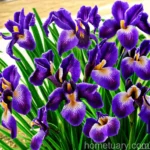
Plant Scientist’s Guide to Yellow Flag (Iris pseudacorus ‘Sun Cascade’)
Iris pseudacorus ‘Sun Cascade’, commonly known as yellow flag, is an enchanting perennial plant highly sought after for its stunning yellow blooms and attractive foliage. As a plant scientist, I am excited to delve into the fascinating world of this remarkable plant. In this comprehensive guide, we will explore the culture, uses, maintenance, and fascinating aspects of the yellow flag, also known as Iris pseudacorus ‘Sun Cascade’.
What is Plant: Yellow Flag (Iris pseudacorus ‘Sun Cascade’)
Yellow flag, botanically known as Iris pseudacorus ‘Sun Cascade’, is a robust perennial plant that belongs to the Iridaceae family. This captivating plant is native to Europe, Western Asia, and Northwest Africa and holds much appeal for its breathtaking display of bright yellow flowers and striking foliage.
Key Takeaways
- Scientific Name: Iris pseudacorus ‘Sun Cascade’
- Common Name: Yellow Flag
- Family: Iridaceae
- Variety: ‘Sun Cascade’
Culture
Yellow flag, Iris pseudacorus ‘Sun Cascade’, is a versatile plant that thrives in various growing conditions. Understanding its cultural requirements is imperative for fostering a healthy and vibrant specimen.
Water
Yellow flag plants have a preference for moist or wet soil conditions, making them an excellent choice for planting near bodies of water such as ponds, wetlands, or streams. Adequate soil moisture is essential for the optimal growth and blooming of yellow flag irises.
Sunlight
While yellow flag plants appreciate full sun, they can also thrive in partial shade. However, for the best floral display, providing ample sunlight is recommended.
Fertilizer
When it comes to fertilization, yellow flag irises are not heavy feeders. A balanced, all-purpose fertilizer applied in early spring can support healthy growth and flowering.
Soil
Yellow flag plants prefer rich, loamy soils with good moisture retention. Neutral to slightly acidic soils are suitable for this plant.
Pruning
Pruning is generally minimal for yellow flag irises. Deadheading spent flowers can promote the continuous blooming of the plant and maintain its neat appearance.
Uses
The yellow flag iris, Iris pseudacorus ‘Sun Cascade’, is valued for a variety of uses, ranging from aesthetic to ecological and medicinal applications.
Aesthetic Use
As a striking ornamental plant, the yellow flag makes a dramatic statement in water gardens, alongside ponds, or in moist landscape settings. The vibrant yellow blooms and gracefully arching foliage add an elegant touch to any garden or landscape.
Wildlife Habitat
Yellow flag irises are known to attract beneficial insects and wildlife, making them an excellent addition to naturalistic landscape designs. They serve as a valuable plant for supporting pollinators and other wildlife.
Wetland Restoration
Due to its affinity for wet environments, yellow flag irises play a significant role in wetland restoration projects, aiding in soil stabilization, erosion control, and water filtration.
Propagation
Propagating yellow flag irises can be achieved through various methods, providing opportunities to expand plantings and share this captivating species with others.
Division
The most common method of propagation for Iris pseudacorus ‘Sun Cascade’ is through division. This process involves separating the rhizomes of established plants and transplanting them to new locations.
Seed Propagation
Although less commonly practiced, yellow flag irises can also be propagated from seeds. This method requires patience as it may take several years for seed-grown plants to reach the blooming stage.
Container Popularity
The versatility of yellow flag irises extends to container gardening, where they can elevate the appeal of patio, deck, or balcony spaces.
Container Planting
When planting yellow flag irises in containers, it is essential to select a spacious pot to accommodate the vigorous growth of the plant. Ensure that the container has drainage holes to prevent waterlogging.
Care
Container-grown yellow flag irises require regular watering to maintain consistent soil moisture. Pay attention to the plant’s sunlight needs and provide adequate exposure to support healthy growth.
Common Diseases
Despite being relatively low-maintenance, yellow flag irises may be susceptible to certain diseases and pests. Understanding these potential issues is crucial for effective plant care.
Disease Diagnosis
Some common diseases that may affect yellow flag irises include bacterial soft rot, iris leaf spot, and fungal leaf rot. Proper sanitation and appropriate cultural practices can help prevent these issues.
Common Pests
Yellow flag irises are generally resistant to most pests. However, they may occasionally face challenges from pests such as iris borer and aphids. Vigilance and prompt intervention can help manage pest infestations effectively.
Botanist’s Tips
To ensure the successful cultivation of Iris pseudacorus ‘Sun Cascade’, here are some expert tips from botanists and experienced gardeners:
- Soil Moisture: Maintain consistently moist soil, especially during the plant’s active growth and blooming periods.
- Sun Exposure: Provide ample sunlight for optimal flowering, especially in regions with cooler climates.
- Division: Periodically divide established clumps to prevent overcrowding and maintain plant vigor.
Fun Facts
Uncovering fascinating facts about the yellow flag iris can deepen our appreciation for this exceptional plant:
- The genus name “Iris” is derived from the Greek word for rainbow, reflecting the extensive range of colors found in iris flowers.
- Yellow flag irises have historically been associated with various symbolic meanings, including communication and creativity.
Links to External Resources
For further exploration of yellow flag irises, the following resources provide valuable insights and guidance:
- The American Iris Society
- Royal Horticultural Society: Iris pseudacorus (Yellow Flag)
- Missouri Botanical Garden: Iris pseudacorus
Iris pseudacorus ‘Sun Cascade’ is undeniably a captivating plant that enriches gardens, landscapes, and natural habitats. With the right cultural practices and an appreciation for its remarkable attributes, this yellow flag iris can flourish and bring joy to plant enthusiasts and nature lovers alike.