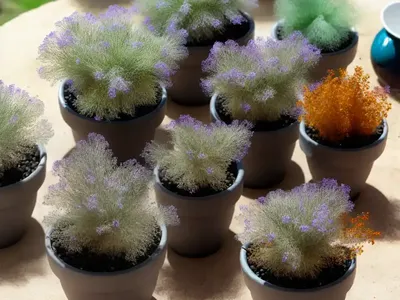
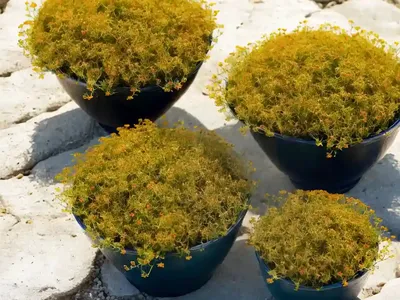
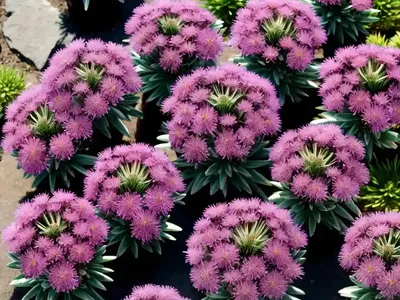
Shrubby Ice Plant (Ruschia Pulvinaris)
The shrubby ice plant (Ruschia pulvinaris) is a captivating succulent ground cover known for its ability to thrive in harsh conditions, making it a popular.
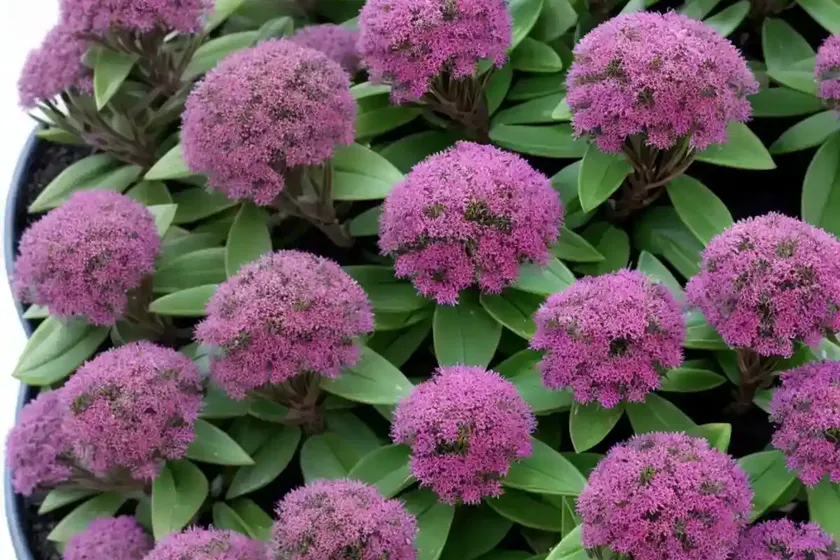
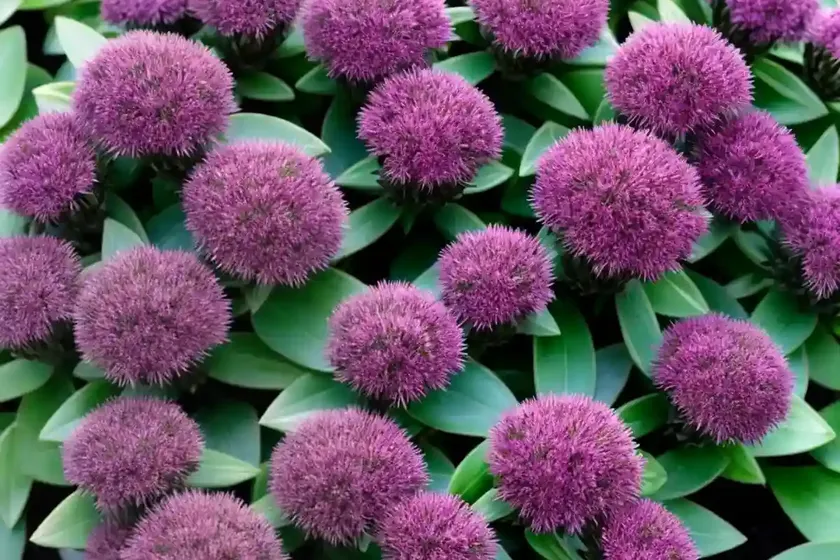
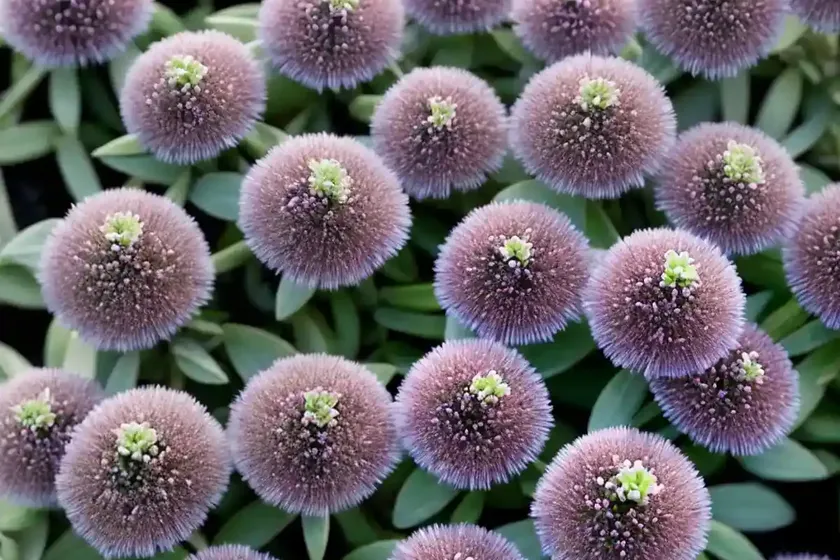
What is the Shrubby Ice Plant?
The shrubby ice plant (Ruschia pulvinaris) is a captivating succulent ground cover known for its ability to thrive in harsh conditions, making it a popular choice for drought-tolerant and xeriscaping landscapes. This low-growing perennial originates from the South African flora and is cherished for its lush, colorful foliage and impressive resilience against challenging environmental elements. In this comprehensive guide, we will delve into the culture, uses, care, and maintenance of the shrubby ice plant, offering valuable insights for both novice and experienced gardeners.
Key Takeaways
Before delving into the intricate details of the shrubby ice plant, let’s highlight some key takeaways about this remarkable plant:
- Scientific Name: Ruschia pulvinaris
- Category: Ice plant species
- Nature: Shrubby plants
- Characteristics: Succulent ground cover, low-growing perennials, and cold-hardy
- Landscaping Use: Suitable for desert landscaping, xeriscaping, rock gardens, alpine plantings, coastal plantings, and erosion control
- Resilience: Drought-tolerant, salt-tolerant, frost-resistant, and heat-tolerant
- Growth Habit: Mounding succulents, evergreen, and attractive foliage
- Maintenance: Low-maintenance, water-efficient, and fire-resistant
- Adaptability: Thrives in full sun, tolerates poor soil conditions, and perfect for coastal erosion control
- Aesthetics: Colorful blooming plants, native to South Africa, and wildlife-friendly
Now that we have an overview of the shrubby ice plant’s key characteristics, let’s explore its culture, uses, and care in more detail.
Culture
Water
The shrubby ice plant is renowned for its exceptional drought tolerance, making it an ideal choice for water-wise landscaping and low-water garden options. When establishing this plant, it is crucial to provide adequate watering during its initial growth phase to promote root establishment and development. Once established, the shrubby ice plant demonstrates remarkable resilience to periods of water scarcity, making it suitable for regions with limited water availability.
Watering Guidelines:
- Establishment Phase: Water deeply after planting to aid in root establishment.
- Established Plants: Allow the soil to dry out between watering sessions, and provide occasional deep watering during extended dry periods.
Sunlight
Thriving in full sun, the shrubby ice plant revels in bright, direct sunlight and exhibits its most vibrant colors and lush foliage under these conditions. When selecting a location for this plant, prioritize areas with ample sunlight to ensure optimal growth and visual appeal. Its ability to thrive in full sun makes it a perfect addition to coastal garden designs, Mediterranean garden landscapes, and sun-drenched rockeries.
Sunlight Requirements:
- Ideal Exposure: Full sun for at least 6 to 8 hours per day.
- Shade Tolerance: Limited tolerance for shade, with decreased flowering and growth in shaded areas.
Soil
The shrubby ice plant is remarkably adaptable to a variety of soil conditions, including sandy, well-draining soils commonly found in coastal areas. Its tolerance of poor soil conditions and salt content allows it to thrive in coastal dune habitats, sandy beach landscapes, and erosion-prone environments. When cultivating this plant, ensure the soil provides excellent drainage to prevent waterlogging, which can be detrimental to its health.
Recommended Soil Characteristics:
- Texture: Sandy or gravelly soil with good drainage.
- pH Levels: Tolerates a wide range of soil pH, preferring slightly acidic to slightly alkaline conditions.
Uses
Ornamental Ground Cover
As a colorful, low-growing perennial, the shrubby ice plant serves as a captivating ornamental ground cover, enhancing the visual appeal of various landscapes. Whether utilized in rock gardens, alpine plantings, or as border plants, its vibrant foliage and blossoms inject a burst of color and texture, creating visually stunning ground cover.
Xeriscaping and Water-Efficient Landscaping
In regions where water conservation and xeriscaping are paramount, the shrubby ice plant shines as an essential component of water-efficient landscaping strategies. Its ability to thrive in arid conditions while providing aesthetically pleasing ground cover makes it a valuable choice for xeriscaped gardens, drought-tolerant landscapes, and eco-conscious gardening initiatives.
Erosion Control and Coastal Plantings
Due to its resilience in sandy soils and coastal environments, the shrubby ice plant plays a pivotal role in erosion control and coastal plantings. Its robust root system helps stabilize soil, making it an excellent choice for coastal dune stabilization, landscaping around beachfront properties, and mitigating coastal erosion.
Fertilizer
When it comes to fertilization, the shrubby ice plant does not demand excessive feeding and thrives in nutrient-poor soils. However, a balanced and diluted fertilizer application during the growing season can support healthy growth and enhance its ornamental appeal. Opt for a low-nitrogen, phosphorus and potassium-rich fertilizer to avoid excessive shoot growth at the expense of flower production.
Fertilization Guidelines:
- Frequency: Apply fertilizer sparingly, ideally once in the spring when growth initiates.
- Dilution: Dilute the fertilizer to half or a quarter of the recommended strength to prevent over-fertilization.
Pruning
The shrubby ice plant typically requires minimal pruning, primarily focusing on the removal of spent flowers and tidying up the plant to maintain its compact, lush appearance. As the flowers begin to fade, deadheading them can prolong the blooming period and encourage additional flower production. Additionally, light pruning to control the plant’s shape and size can be conducted in the early spring before new growth emerges.
Pruning Tips:
- Deadheading: Regularly remove spent flowers to promote continuous blooming.
- Shaping: Lightly prune the plant in early spring to maintain a neat, compact form.
Propagation
Seed Propagation
Propagation of the shrubby ice plant can be achieved through seed sowing, offering an option for gardeners to expand their collection or share this stunning plant with others. To propagate using seeds, follow these straightforward steps to foster new growth successfully:
- Collecting Seeds: Harvest seeds from mature flowers once they have dried on the plant.
- Seed Sowing: Sow the seeds in well-draining soil or a seed-starting mix, lightly covering the seeds with a thin layer of the planting medium.
- Moisture and Light: Keep the soil consistently moist but not waterlogged, and place the sowing container in a sunny location.
- Germination: Seeds typically germinate within 1 to 2 weeks, after which they can be transplanted to their designated growing area.
Division
Dividing mature shrubby ice plants is another effective method of propagation, allowing gardeners to create additional plants from existing specimens. This process involves separating the plant into smaller sections and replanting them in suitable growing locations.
Division Steps:
- Plant Preparation: Water the plant thoroughly a day before dividing to facilitate the process.
- Root Division: Carefully lift the plant from the soil and gently separate the root mass into smaller sections.
- Replanting: Transplant the divided sections into prepared soil, providing adequate water and light to support their establishment.
Container Popularity
Elevating both indoor and outdoor spaces, the shrubby ice plant is an increasingly popular choice for container gardening due to its compact size, striking visual appeal, and resilience in container environments. By accentuating patios, balconies, and indoor settings with vibrant containers of the shrubby ice plant, individuals can infuse their living spaces with the beauty of this remarkable plant.
Container Care
Selection
When selecting containers for the shrubby ice plant, prioritize pots with adequate drainage holes to prevent waterlogging and promote optimal soil aeration. Additionally, opt for containers that are appropriately sized to accommodate the plant’s root system without excessive space, as snug containers can encourage healthy growth and prevent water stagnation.
Soil and Fertilization
Utilize well-draining potting mixes formulated for succulents or cacti when planting the shrubby ice plant in containers. These specialized blends provide the necessary drainage and aeration essential for the plant’s health and vitality. When fertilizing potted specimens, employ a balanced, water-soluble fertilizer diluted to half the recommended strength to avoid overfeeding.
Watering and Sunlight
Maintain a balanced approach to watering container-grown shrubby ice plants, allowing the soil to dry out slightly between waterings to prevent waterlogged conditions. Position containers in areas receiving ample sunlight to support robust growth and vibrant foliage. Rotate containers periodically to ensure uniform exposure to sunlight, preventing lopsided growth.
Common Diseases
Disease Diagnosis
While the shrubby ice plant is generally resilient to most diseases, it can occasionally be susceptible to certain issues that can impact its health and appearance. By recognizing the symptoms of common diseases and addressing them promptly, gardeners can help maintain the vigor and vitality of their plants.
Common Diseases:
- Root Rot: Caused by excessively wet soil, leading to root decay and poor growth.
- Powdery Mildew: A fungal issue characterized by white powdery growth on the plant’s foliage.
- Crown Rot: Manifests as decay at the base of the plant, often as a result of excessive moisture and poor drainage.
Disease Management
To safeguard the shrubby ice plant against prevalent diseases, prioritize preventive measures such as maintaining well-draining soil, providing adequate spacing between plants to promote air circulation, and avoiding overhead watering to reduce moisture on foliage. Promptly address any signs of disease by removing affected plant parts and applying suitable fungicidal treatments if necessary.
Common Pests
Pest Identification
While the shrubby ice plant is relatively resistant to pest infestations, it can attract certain pests that may jeopardize its health and aesthetics. Vigilance in identifying these pests and implementing appropriate pest management practices is crucial to preserving the plant’s vigor.
Common Pests:
- Aphids: Small, sap-sucking insects that can cause distortion and discoloration of the plant’s foliage.
- Scale Insects: These pests appear as raised, waxy bumps on the plant, siphoning nutrients and weakening the shrubby ice plant.
- Spider Mites: These tiny arachnids can create fine webbing on the plant, leading to stippled, discolored foliage.
Pest Control
Combatting pests on the shrubby ice plant involves employing non-toxic control methods to mitigate infestations. Techniques such as spraying the affected plants with a strong jet of water to dislodge pests, introducing beneficial insect predators, and using insecticidal soaps can aid in managing pest populations without compromising the plant’s overall well-being.
Botanist’s Tips
Selecting Companion Plants
When planning a garden or landscape design featuring the shrubby ice plant, consider selecting suitable companion plants that complement its aesthetic, thrive in similar environmental conditions, and offer additional visual interest. Opt for sun-loving, drought-tolerant perennials, succulents, and ornamental grasses to create a harmonious and visually captivating landscape.
Wildlife-Friendly Landscaping
The shrubby ice plant’s prolific blooms attract various pollinators, including bees and butterflies, making it an excellent choice for wildlife-friendly landscaping initiatives. By incorporating this plant into garden designs, individuals can actively contribute to supporting local pollinator populations and fostering biodiversity within their environments.
Fun Facts
- The common name “ice plant” alludes to the glistening, crystalline appearance of the plant’s foliage, resembling ice or frost.
- The shrubby ice plant’s vibrant flowers often attract pollinators, enhancing the biodiversity of the surrounding ecosystem.
- Despite its low-maintenance nature, the shrubby ice plant exudes an aura of elegance and vibrancy, adding a touch of allure to any landscape.
Links to External Resources
For further information on the shrubby ice plant and related topics, the following external resources offer valuable insights and guidance:
- Xeriscaping and Water-Wise Landscapes
- Coastal Gardening and Plant Selection
- Drought-Tolerant Plants for Landscaping
- Succulent Care Guide
- Gardening with Native Plants
- Erosion Control Methods for Landscaping
In conclusion, the shrubby ice plant (Ruschia pulvinaris) emerges as an exemplary addition to a diverse array of landscapes, offering striking visual appeal, resilience, and versatility. With its ability to thrive in challenging conditions and contribute to various landscaping and gardening initiatives, this delightful succulent ground cover stands as a testament to nature’s remarkable adaptability and beauty. By integrating the insights and recommendations provided in this guide, enthusiasts and horticulturalists can harness the full potential of the shrubby ice plant, enhancing their outdoor spaces with its timeless allure and allure.
Remember, whether creating vibrant xeriscapes, coastal gardens, or wildlife-friendly landscapes, the shrubby ice plant remains an inspiring and captivating choice, embodying the enduring allure of South African flora while harmonizing effortlessly with diverse horticultural visions.