Everything You Need to Know About Metasequoia glyptostroboides ‘Gold Rush’ (Dawn Redwood)
Plants are the backbone of life on Earth. They provide us with food, medicine, oxygen, and so much more. Beyond their practical uses, plants also bring beauty and tranquility to our surroundings. As a plant scientist, I am constantly amazed by the diversity and resilience of plant life. Today, we are going to delve into the fascinating world of Metasequoia glyptostroboides ‘Gold Rush’, commonly known as the Dawn Redwood. We will explore its characteristics, needs, and care requirements, as well as its cultural significance and ecological impact.
What is Metasequoia glyptostroboides ‘Gold Rush’ (Dawn Redwood)?
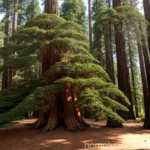
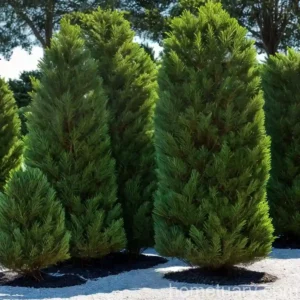
Metasequoia glyptostroboides, a deciduous conifer, is a species of redwood native to the Sichuan-Hubei region of China. Thought to be extinct, it was rediscovered in the 1940s, and since then, it has captured the hearts of plant enthusiasts worldwide. The ‘Gold Rush’ variety is a cultivar known for its striking golden foliage, making it a sought-after ornamental tree in gardens and landscapes.
Key Takeaways – Metasequoia glyptostroboides ‘Gold Rush’
Before we delve deeper into the care and cultivation of this beautiful tree, let’s take a quick look at some key takeaways concerning Metasequoia glyptostroboides ‘Gold Rush’:
- Characteristics: Striking golden foliage, deciduous conifer, fast-growing.
- Planting Tips: Requires well-draining soil, prefers moist conditions.
- Growing Conditions: Thrives in partial to full sunlight, tolerant of various soil types.
- Care Guide: Regular watering, occasional fertilizer, minimal pruning.
- Maintenance: Low maintenance, suitable for both residential and commercial landscapes.
- Diseases: Generally resistant to diseases, susceptible to root rot in waterlogged soil.
- Pruning Techniques: Minimal pruning required, primarily for shaping and removing dead or damaged branches.
- Watering Requirements: Regular watering, prefers consistently moist soil.
- Soil Preferences: Well-draining, fertile soil; tolerant of slightly acidic to slightly alkaline pH.
- Growth Rate: Fast-growing, capable of reaching significant heights in a relatively short period.
Now that we have a snapshot of what we’ll be discussing, let’s dive deeper into the world of Metasequoia glyptostroboides ‘Gold Rush’ and explore its culture, uses, and specific care requirements.
Culture
Understanding the cultural significance of a plant can provide valuable insights into its historical, ecological, and social importance. The Dawn Redwood holds a special place in the world of botany due to its unique history and captivating attributes.
The striking gold foliage of the ‘Gold Rush’ variety makes it a popular choice for ornamental planting. Its adaptability to various soil types and relatively low maintenance requirements further enhance its appeal to gardeners and landscapers.
Uses
The Dawn Redwood, particularly the ‘Gold Rush’ cultivar, is primarily used for ornamental purposes. Its vibrant golden foliage brings a stunning visual element to gardens, parks, and urban landscapes. Additionally, its ability to thrive in a range of soil conditions and its fast growth rate make it a desirable choice for both residential and commercial landscaping projects.
Water
Water is essential for the growth and survival of all plants, and understanding a plant’s water requirements is crucial for its successful cultivation.
Watering Requirements
Metasequoia glyptostroboides ‘Gold Rush’ prefers consistently moist soil. While it can tolerate brief periods of drought, it thrives when provided with regular, deep watering during dry spells. It is essential to monitor the soil moisture levels, especially during hot summer months, to ensure the tree’s hydration needs are met.
Overwatering should be avoided, as waterlogged soil can lead to root rot, a condition that can significantly impact the health of the tree. To prevent waterlogging, planting in well-draining soil and allowing for proper drainage is essential. Mulching around the base of the tree can also help retain moisture in the soil and regulate temperature.
Sunlight
Like most plants, the Dawn Redwood relies on sunlight to fuel its photosynthetic processes and overall growth and development.
Sunlight Needs
Metasequoia glyptostroboides ‘Gold Rush’ thrives in partial to full sunlight. While it can tolerate partial shade, providing the tree with ample sunlight will promote healthy foliage and robust growth. When selecting a planting location, consider the amount of sunlight the area receives throughout the day and aim to position the tree in a spot that aligns with its sunlight requirements.
Fertilizer
Fertilization plays a vital role in providing plants with essential nutrients for healthy growth and development.
Fertilizer Requirements
When it comes to fertilizing Metasequoia glyptostroboides ‘Gold Rush’, a balanced, slow-release fertilizer can be applied in early spring to support the tree’s growth. It is important to follow the specific recommendations provided by the fertilizer manufacturer and to apply the fertilizer evenly around the root zone. Over-fertilization should be avoided, as it can lead to nutrient imbalances and potential damage to the tree.
Soil
The soil in which a plant is grown serves as the foundation for its overall health and vitality.
Soil Preferences
Metasequoia glyptostroboides ‘Gold Rush’ thrives in well-draining, fertile soil. It can tolerate a range of soil types, including loamy, sandy, or clay soils, as long as they provide good drainage. A slightly acidic to slightly alkaline soil pH is suitable for the Dawn Redwood, and incorporating organic matter into the soil can further enhance its growing conditions.
Pruning
Pruning is an essential aspect of plant care, contributing to overall health, appearance, and structural integrity.
Pruning Techniques
The ‘Gold Rush’ Dawn Redwood generally requires minimal pruning. Pruning tasks primarily involve the removal of dead, damaged, or diseased branches, as well as light shaping to maintain an attractive form. Pruning should be carried out in late winter or early spring while the tree is still dormant. It is important to use proper pruning tools and techniques to minimize the risk of damage and to promote rapid healing of pruning wounds.
Propagation
The process of propagating plants allows for the creation of new individuals, expanding their presence and facilitating conservation efforts.
Propagation Methods
Metasequoia glyptostroboides ‘Gold Rush’ can be propagated through several methods, including:
- Seed Propagation: Propagating from seeds involves collecting mature cones in the fall and extracting the seeds for germination. The use of fresh seeds and providing the appropriate conditions for germination can lead to successful propagation.
- Cutting Propagation: Softwood cuttings taken in early summer can be rooted to propagate new plants. Selecting healthy, young stems and providing ideal growing conditions can support the successful rooting of cuttings.
It is important to note that propagation should be conducted with care and consideration for the specific needs of the plant to ensure the successful establishment of new individuals.
Container Popularity
The versatility of plants to thrive in containers opens up possibilities for urban gardening, indoor cultivation, and aesthetic enhancements.
Container Gardening
While Metasequoia glyptostroboides ‘Gold Rush’ is commonly planted in open landscapes, it can also thrive when grown in large containers or pots. Container gardening offers the flexibility to cultivate the tree in urban environments, on patios, or in areas with limited space. When choosing a container, opt for one with adequate drainage holes to prevent waterlogging and select a high-quality potting mix to provide the necessary nutrients and support for the tree’s roots.
Common Diseases
Understanding the potential diseases that can affect a plant is crucial for proactive management and maintaining plant health.
Disease Resistance
The Dawn Redwood, including the ‘Gold Rush’ variety, exhibits resistance to many common diseases. However, it is important to monitor the tree for signs of stress or disease, particularly in instances of prolonged moisture or environmental stress. One condition to be aware of is root rot, which can occur in waterlogged soil and can significantly impact the tree’s health if left unaddressed.
Disease Diagnosis
Diagnosing plant diseases involves observing signs and symptoms and conducting necessary tests to identify the specific issue.
- Signs: Look for visible indications, such as discoloration, wilting, or abnormal growth patterns on the foliage, branches, or trunk of the tree.
- Symptoms: Symptoms may include stunted growth, yellowing or browning of foliage, and overall decline in the tree’s health.
- Testing: If necessary, soil and tissue tests can be conducted to assess nutrient levels, pH, and the presence of pathogens.
If you suspect disease or stress, consulting with a plant health specialist or botanist can provide valuable insights and guidance for appropriate treatment and management.
Common Pests
Pests pose a potential threat to the health and vigor of plants, making pest management an important aspect of plant care.
Pest Control
Metasequoia glyptostroboides ‘Gold Rush’ is relatively resistant to pest infestations. However, keeping an eye out for common garden pests, such as aphids or spider mites, can help maintain the tree’s health and appearance. If pest pressure is identified, cultural and mechanical control methods, such as spraying with water or using insecticidal soap, can help manage pest populations without causing harm to beneficial organisms.
Botanist’s Tips
Drawing from the expertise of botanists and plant enthusiasts can provide valuable insights for successful plant care and cultivation.
Best Practices
- Regular Monitoring: Keep a close eye on the tree’s appearance and behavior to quickly address any potential issues.
- Proper Watering: Maintain consistent moisture levels in the soil, avoiding both drought stress and waterlogged conditions.
- Appropriate Placement: Select a planting location that aligns with the tree’s sunlight and soil preferences, providing the best possible growing conditions.
- Gentle Pruning: When pruning, use sharp, clean tools and make precise cuts to minimize stress and promote rapid healing.
Incorporating these tips and best practices into the care of Metasequoia glyptostroboides ‘Gold Rush’ can contribute to the tree’s overall health and vitality.
Fun Facts
- The Dawn Redwood is often referred to as a “living fossil” due to its ancient lineage and the fact that it was thought to be extinct before its rediscovery.
- The golden foliage of the ‘Gold Rush’ variety intensifies in color during the autumn months, creating a breathtaking display of seasonal beauty.
- Despite its stature and grandeur, the Dawn Redwood is a relatively fast-growing tree, capable of reaching impressive heights in a relatively short period.
Links to External Resources
For further information on Metasequoia glyptostroboides ‘Gold Rush’ and related topics, I recommend exploring the following resources:
- The American Conifer Society: American Conifer Society
- Royal Horticultural Society: RHS – Growing Redwoods
- The Morton Arboretum: Morton Arboretum – Dawn Redwood
As we conclude our exploration of Metasequoia glyptostroboides ‘Gold Rush’ (Dawn Redwood), I hope this comprehensive guide has provided you with valuable insights into the cultivation, care, and significance of this remarkable tree. Whether you are considering adding it to your landscape or simply eager to learn more about the wonders of the plant kingdom, the Dawn Redwood stands as a testament to the resilience and beauty of nature.