Senecio serpens (Blue Chalksticks): A Comprehensive Guide
Senecio serpens, commonly known as Blue Chalksticks, is a striking succulent plant that has gained popularity for its attractive blue-green foliage and low-maintenance nature. This plant is native to South Africa and belongs to the Asteraceae family. Its unique appearance and relatively easy care requirements make it a favorite among both beginner and experienced gardeners.
In this comprehensive guide, we will explore the key aspects of the Senecio serpens plant, including its cultural needs, uses, propagation, and potential diseases and pests. Additionally, we will provide insights into container gardening with Senecio serpens, fun facts, and tips from botanists to help you successfully cultivate and care for this beautiful succulent.
What is Senecio serpens (Blue Chalksticks)?
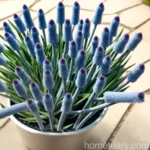
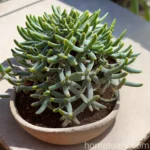
Senecio serpens, also known as Blue Chalksticks, is a perennial succulent plant characterized by its powdery blue-green, finger-like leaves. The plant forms sprawling mats as it grows, creating a stunning visual effect, especially when planted in groups or used as ground cover. Blue Chalksticks is a drought-tolerant and low-maintenance plant, which makes it an excellent choice for water-wise landscapes and container gardens.
Key Takeaways – Senecio serpens (Blue Chalksticks)
Before delving into the specific care requirements and cultivation tips for Senecio serpens, let’s take a look at the key takeaways and essential characteristics of this notable succulent:
- Unique blue-green foliage that adds a striking visual appeal to gardens and containers.
- Drought-tolerant nature, making it suitable for water-wise landscaping and xeriscaping projects.
- Low-maintenance and relatively easy to care for, ideal for both novice and experienced gardeners.
- Versatile uses, including ground cover, container specimen, and landscape accents in rock gardens and dry landscapes.
Now, let’s explore the specific cultural needs, uses, and care guidelines for Senecio serpens to ensure its optimal growth and health.
Culture
Water
Proper watering is essential for the health and vitality of Senecio serpens. As a drought-tolerant succulent, Blue Chalksticks is adapted to dry conditions and is susceptible to root rot if overwatered. When it comes to watering, it’s crucial to follow a “soak and dry” method. This approach involves thoroughly soaking the soil and allowing it to dry out before the next watering.
- Watering Frequency: During the active growing season, which typically spans spring and summer, water Blue Chalksticks when the top inch of the soil becomes dry. In colder months or during dormancy, reduce watering and monitor the soil moisture to prevent waterlogging.
- Watering Technique: When watering, ensure that excess water drains freely from the pot or soil. In containers, consider using well-draining soil mixes and pots with drainage holes to prevent water accumulation.
- Avoid Overwatering: Overwatering is one of the most common issues with succulents. It’s important to resist the temptation to water excessively, especially during periods of dormancy or in cool, overcast weather.
Sunlight
Senecio serpens thrives in full sunlight and requires ample exposure to sunlight to maintain its vibrant blue-green color and compact growth habit. When cultivating Blue Chalksticks, it’s essential to provide it with sufficient sunlight to support its photosynthetic processes and overall health.
- Sunlight Requirements: Place Senecio serpens in a location that receives at least six to eight hours of direct sunlight per day. South-facing or west-facing windows are ideal for indoor cultivation, while outdoor plants should be positioned in sunny areas of the garden or landscape.
- Outdoor Placement: When growing Senecio serpens outdoors, choose well-drained planting sites with plenty of sunlight exposure. It is well-suited for xeriscapes, rock gardens, and other dry, sunny locations.
- Indoor Placement: For indoor cultivation, consider placing Blue Chalksticks near windows that receive ample sunlight throughout the day. South-facing windows are preferable, as they typically offer the brightest light exposure.
Fertilizer
Proper fertilization can support the growth and vitality of Senecio serpens, especially during the active growing season. While Blue Chalksticks is relatively low-maintenance in terms of fertilizer requirements, providing it with a balanced fertilizer can promote healthy growth and enhance its ornamental appeal.
- Fertilization Schedule: During the growing season, from spring to early fall, apply a diluted, balanced liquid fertilizer every four to six weeks. Reduce or suspend fertilization during the fall and winter months, when the plant enters a period of dormancy.
- Fertilizer Type: Opt for a balanced, water-soluble fertilizer with an N-P-K ratio of 10-10-10 or a similar formulation. Avoid excessive use of fertilizers high in nitrogen, as this can lead to excessive vegetative growth at the expense of the plant’s overall health.
Soil
The choice of soil is crucial for the successful cultivation of Senecio serpens. Well-draining, gritty soil mixes are essential for preventing waterlogging and ensuring optimal root health. Whether grown in containers or planted in the ground, Blue Chalksticks thrives in well-drained, porous soil compositions.
- Soil Mix: Use a well-draining succulent or cacti potting mix when cultivating Senecio serpens in containers. These specialized mixes are designed to provide proper aeration and drainage to prevent water accumulation around the roots.
- Outdoor Planting: When planting Blue Chalksticks in the garden or landscape, amend the soil with coarse sand or perlite to enhance drainage. Avoid heavy, compacted soils that retain moisture, as they can lead to root rot and other issues.
- pH Range: The ideal soil pH for Senecio serpens ranges from slightly acidic to slightly alkaline, typically within the 6.0 to 7.5 range. A pH within this range supports nutrient availability and overall plant health.
Pruning
Pruning Blue Chalksticks is relatively straightforward and is primarily focused on maintaining the plant’s desired shape and size. Periodic pruning can also help remove any dead or damaged foliage and promote a neat, compact appearance.
- Pruning Technique: Use clean, sharp pruning shears to trim back overgrown or leggy growth, focusing on the tips of the stems. Additionally, remove any dead or discolored leaves to improve the plant’s overall aesthetic.
- Propagation from Cuttings: The trimmings from pruning can be utilized for propagation, allowing you to create new plants from the cuttings. We will delve deeper into propagation methods in the subsequent section.
Propagation
Propagation Methods
Senecio serpens can be propagated through various methods, including stem cuttings and division. Propagation allows you to expand your Blue Chalksticks collection or share the plant with fellow gardening enthusiasts.
- Stem Cuttings: To propagate Senecio serpens from stem cuttings, select healthy, non-flowering stems and trim them to a suitable length, typically between 3 to 5 inches. Allow the cut ends to callus for a day or two, then plant the cuttings in a well-draining succulent mix. Keep the soil lightly moist and provide bright, indirect light until roots develop.
- Division: Another propagation method involves dividing the plant into smaller sections. Carefully separate the clusters of Blue Chalksticks, ensuring that each division has ample roots and healthy foliage. Replant the divisions in suitable containers or planting sites, following the general care guidelines for established plants.
Container Popularity
Senecio serpens is a popular choice for container gardening due to its low-maintenance nature, attractive appearance, and adaptability to various container sizes. Whether grown individually in a decorative pot or combined with other succulents in a mixed container, Blue Chalksticks can add visual interest to indoor and outdoor spaces.
Container Uses
When selecting containers for Blue Chalksticks, prioritize options that provide ample drainage and are well-suited for succulent cultivation. Additionally, consider the following aspects when utilizing containers for Senecio serpens:
- Container Size: Choose appropriately sized containers that allow for adequate root growth and stability. The container should be slightly larger than the plant’s root system, with room for future growth.
- Draining Holes: Ensure that the containers have drainage holes to prevent water from accumulating at the bottom, which could lead to root rot.
- Decorative Displays: Senecio serpens can be used in various decorative displays, including succulent gardens, terrariums, and hanging baskets. When designing container arrangements, consider the plant’s light and water requirements, as well as its visual appeal in combination with other succulents.
Popularity in Container Gardening
Senecio serpens’ popularity in container gardening stems from its adaptability to confined spaces, minimal care needs, and distinctive appearance. Whether grown in individual pots or combined with other succulents and drought-tolerant plants, Senecio serpens can thrive and enhance the visual appeal of container displays.
Now that we have covered the primary cultural aspects and container uses of Senecio serpens, let’s explore potential diseases, common pests, and effective management strategies when cultivating Blue Chalksticks.
Common Diseases
Disease Diagnosis
While Senecio serpens is generally resilient and disease-resistant, it can still be susceptible to certain issues under unfavorable growing conditions. Common diseases and ailments that may affect Blue Chalksticks include:
- Root Rot: Overwatering or prolonged exposure to waterlogged soil can lead to root rot in Senecio serpens. Symptoms include wilting, yellowing leaves, and a foul odor emanating from the roots.
- Powdery Mildew: In humid or poorly ventilated environments, Blue Chalksticks may develop powdery mildew on the foliage. This fungal disease presents as white, powdery patches on the leaves and can lead to a decline in overall plant health.
- Sooty Mold: Sooty mold may appear on the leaves of Senecio serpens as a result of honeydew secreted by sap-feeding insects such as aphids or mealybugs. This mold manifests as a dark, sooty covering on the foliage, impairing the plant’s ability to photosynthesize effectively.
Disease Control and Prevention
To effectively manage and prevent diseases in Senecio serpens, implement the following strategies:
- Proper Watering: Avoid overwatering and ensure that the soil dries out between watering sessions to prevent root rot. Use well-draining soil mixes and containers with drainage holes to reduce the risk of water-related issues.
- Air Circulation: Provide adequate air circulation around Blue Chalksticks to minimize the risk of powdery mildew. Position plants in areas with good ventilation, and avoid overcrowding them in confined spaces.
- Pest Management: Regularly inspect the plant for signs of pest infestations, such as aphids and mealybugs, and promptly address any issues through natural or targeted control methods.
Common Pests
Pest Control
While Senecio serpens is generally not highly susceptible to pest infestations, it can still be affected by common succulent pests such as aphids, mealybugs, and spider mites.
- Aphids: These small, sap-sucking insects can cluster on the stems and leaves of Blue Chalksticks, causing damage and potential deformation of the foliage. Natural predators, insecticidal soaps, and neem oil can be used to manage aphid populations.
- Mealybugs: Mealybugs are another common pest that may target Senecio serpens, often congregating in protected areas of the plant, such as leaf axils and stem joints. Control mealybug infestations through manual removal, insecticidal soap, or horticultural oils.
- Spider Mites: These tiny arachnids can cause stippling and discoloration on the foliage of Senecio serpens. Regularly misting the plant to increase humidity and employing insecticidal oils can help deter and manage spider mite infestations.
Effective pest management involves regular monitoring, prompt intervention, and the use of environmentally friendly control methods to minimize the impact on beneficial insects and the overall ecosystem.
Botanist’s Tips
Cultivation Insights
To support the successful cultivation of Senecio serpens and optimize its ornamental value, consider the following tips and insights from botanists and experienced plant enthusiasts:
- Adequate Light Exposure: Ensure that Blue Chalksticks receives ample sunlight to maintain its vibrant blue-green coloration and compact growth habit. Bright light exposure is essential for healthy, robust growth.
- Minimal Watering: Practice restraint when watering Senecio serpens, allowing the soil to dry out between watering sessions. Overwatering is a common issue with succulents and can lead to various problems, including root rot.
- Optimal Soil Conditions: Use well-draining, porous soil mixes to create an optimal growing medium for Blue Chalksticks. Avoid heavy, moisture-retentive soils that can impede drainage and root health.
Implementing these insights can contribute to the long-term health and vitality of Senecio serpens, enhancing its visual appeal and overall resilience.
Fun Facts
Senecio serpens exhibits several intriguing characteristics and qualities that make it a captivating addition to gardens and landscapes. Consider the following fun facts about Blue Chalksticks:
- Drought Tolerance: Blue Chalksticks is renowned for its exceptional drought tolerance, making it an ideal choice for water-wise landscaping projects and regions with arid climates.
- Wildlife Habitat: While primarily cherished for its ornamental value, Senecio serpens also serves as a potential habitat and food source for certain pollinators and beneficial insects in its native environment.
- Xeriscape Preference: The low-water requirements and resilience of Senecio serpens align with the principles of xeriscaping, a landscaping approach focused on water conservation and sustainable practices.
These fun facts offer insight into the unique attributes and ecological relevance of Senecio serpens, contributing to a deeper appreciation of this remarkable succulent.
Links to External Resources
For further information and detailed insights into Senecio serpens care and cultivation, explore the following external resources:
- The Royal Horticultural Society (RHS) – Senecio serpens
- The Cactus and Succulent Society of America (CSSA) – Senecio
These authoritative sources offer comprehensive guidance, expert recommendations, and additional perspectives on the care and cultivation of Senecio serpens.
In conclusion, Senecio serpens, or Blue Chalksticks, is an exceptional succulent plant valued for its unique appearance, low-maintenance nature, and versatile uses in gardens, landscapes, and container displays. By understanding and implementing the cultural requirements, propagation methods, disease and pest management strategies, and insights from botanists, you can enhance your success in cultivating and caring for this remarkable succulent. Whether used as a ground cover, container specimen, or accent plant, Senecio serpens contributes to the beauty and sustainability of diverse horticultural settings.
Remember to explore reputable external resources and seek advice from local horticultural experts to gather additional knowledge and regional insights specific to your location when cultivating Senecio serpens. By integrating expert guidance with practical experience, you can cultivate thriving and visually captivating plantings of Blue Chalksticks, enriching your botanical pursuits and outdoor spaces.
References
- The Royal Horticultural Society (RHS) – Senecio serpens
- The Cactus and Succulent Society of America (CSSA) – Senecio
As you embark on your journey with Senecio serpens, we hope that this comprehensive guide serves as a valuable resource, offering practical guidance, botanical insights, and a deeper appreciation for the remarkable attributes of Blue Chalksticks. Happy gardening and may your experiences with Senecio serpens be enriching and fulfilling!