Senecio Stapeliiformis (Pickle Plant)
Senecio stapeliiformis, commonly known as the Pickle Plant, is a fascinating succulent that has gained popularity among both novice and experienced plant.
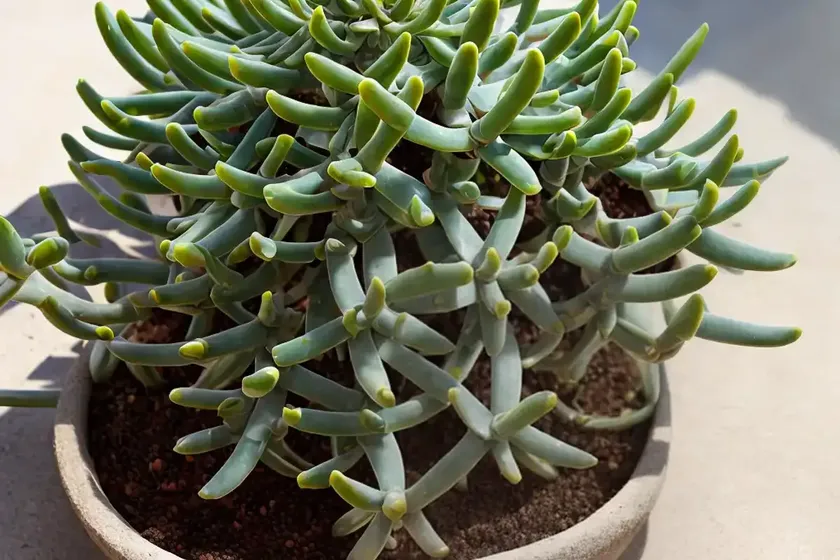
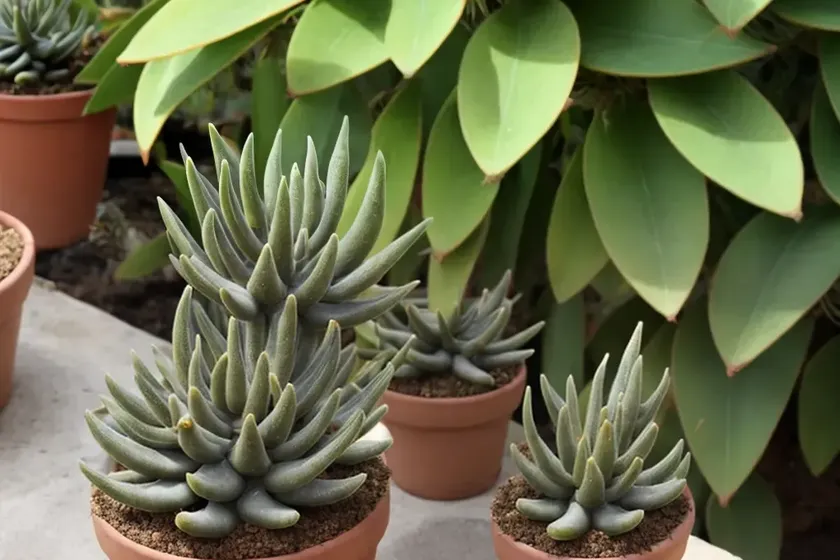
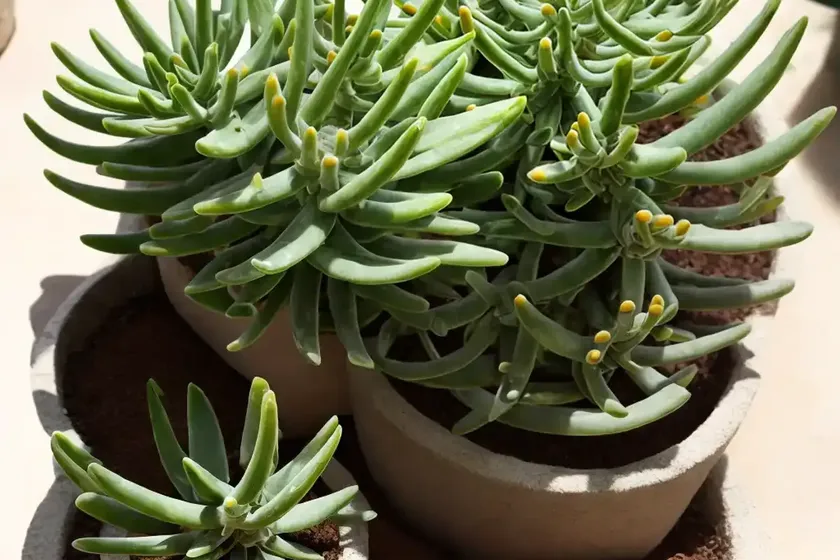
Senecio stapeliiformis, commonly known as the Pickle Plant, is a fascinating succulent that has gained popularity among both novice and experienced plant enthusiasts. This unique plant is renowned for its pickle-shaped leaves and is relatively easy to care for, making it a great addition to indoor and outdoor gardens. In this comprehensive care guide, we will delve into the various aspects of cultivating and maintaining Senecio stapeliiformis, exploring its cultural needs, propagation tips, common problems, and much more.
What is Senecio stapeliiformis (Pickle Plant)?
Senecio stapeliiformis is a species of succulent plant belonging to the Asteraceae family. Native to South Africa, this quirky-looking plant is known for its peculiar, cylindrical leaves that resemble small pickles, hence its popular moniker, the Pickle Plant. Its distinctive appearance and low-maintenance requirements make it a sought-after choice for those looking to add a touch of uniqueness to their plant collection.
Key Takeaways
Before we delve into the detailed care guide for Senecio stapeliiformis, here are some key takeaways to keep in mind:
- Senecio stapeliiformis, also known as the Pickle Plant, is a succulent with cylindrical, pickle-shaped leaves.
- It is relatively easy to care for and is suitable for both indoor and outdoor settings.
- The plant requires well-draining soil, ample sunlight, and infrequent watering to thrive.
- Propagation of Senecio stapeliiformis can be achieved through stem cuttings, making it easy to expand your collection.
- While generally low-maintenance, the Pickle Plant may be susceptible to common succulent pests and diseases if not provided with suitable growing conditions.
Now, let’s explore the various aspects of caring for Senecio stapeliiformis in more detail, including its cultural needs, propagation, common problems, and more.
Culture
Cultivating Senecio stapeliiformis requires an understanding of its specific cultural needs, including suitable growing conditions, water requirements, sunlight exposure, and soil preferences. By optimizing these factors, you can ensure the healthy growth and development of the Pickle Plant in your garden or indoor space.
Uses
The Senecio stapeliiformis, or Pickle Plant, has several potential uses in both indoor and outdoor settings:
- Indoor Decor: Its distinctive appearance makes it an eye-catching addition to indoor spaces, such as desks, shelves, and windowsills.
- Outdoor Landscaping: In outdoor gardens, the Pickle Plant can be used in rock gardens, succulent beds, or as part of a xeriscaping design.
- Container Gardening: Senecio stapeliiformis thrives in containers and can be showcased in various decorative pots.
- Ground Cover: Due to its low-growing, trailing nature, it can be utilized as a ground cover in suitable climates.
Understanding the potential uses of Senecio stapeliiformis enables plant enthusiasts to integrate it into their existing garden designs or utilize it as a focal point in their indoor spaces.
Water
One of the critical aspects of caring for Senecio stapeliiformis is understanding its water requirements. As a succulent plant, the Pickle Plant is adapted to arid environments and has low water needs. Overwatering is one of the common problems that can lead to issues such as root rot, so it’s essential to follow proper watering practices.
- Watering Frequency: Senecio stapeliiformis should be watered sparingly, allowing the soil to dry out completely between waterings.
- Well-Draining Soil: Planting Senecio stapeliiformis in well-draining soil helps prevent waterlogged conditions and promotes the health of the plant’s root system.
- Avoid Overwatering: Overwatering can lead to root rot and other moisture-related issues, so it’s crucial to err on the side of underwatering rather than overwatering.
By adopting a cautious approach to watering and ensuring that the soil dries out between waterings, plant owners can provide the ideal moisture conditions for Senecio stapeliiformis.
Sunlight
In addition to water, sunlight is a crucial factor in the growth and development of Senecio stapeliiformis. Understanding the sunlight needs of the Pickle Plant is essential for ensuring that it thrives in its environment.
- Sun Exposure: Senecio stapeliiformis thrives in bright, indirect sunlight. It should be placed in a location where it receives ample natural light without being exposed to harsh, direct sunlight for extended periods.
- Indoor Placement: If grown indoors, placing the Pickle Plant near a south or west-facing window can provide the ideal light conditions.
- Outdoor Placement: In outdoor settings, a partially shaded area or a location with morning sunlight and afternoon shade is suitable for Senecio stapeliiformis.
By positioning the plant in an area with the appropriate light conditions, plant enthusiasts can promote healthy growth and prevent issues related to inadequate or excessive sunlight exposure.
Fertilizer
While Senecio stapeliiformis is relatively low-maintenance, providing occasional fertilization can support its growth and overall health. However, it is essential to approach fertilization with caution, as succulent plants have specific requirements when it comes to nutrients.
- Fertilization Frequency: The Pickle Plant can be fertilized sparingly during the growing season, typically in spring and summer.
- Diluted Fertilizer: Using a diluted, balanced fertilizer specifically formulated for succulents is recommended.
- Avoid Overfertilizing: Overfertilizing can lead to issues such as salt buildup in the soil, which can harm the plant. It’s crucial to follow the recommended dosage and frequency for fertilization.
By providing suitable fertilization during the active growing season and refraining from overfertilizing, plant owners can support the health and vigor of Senecio stapeliiformis.
Soil
The choice of soil is crucial for succulent plants, including Senecio stapeliiformis. Specialized succulent or cactus mixes are recommended to provide the ideal drainage and aeration for the plant’s root system.
- Well-Draining Soil: A well-draining soil mix is essential for preventing waterlogged conditions and promoting healthy root development.
- Aeration: Good soil aeration is vital for succulents, as it facilitates the exchange of gases and root respiration.
- Soil Amendments: Adding perlite or coarse sand to the soil mix can further improve drainage and prevent compaction.
By selecting a suitable soil mix and ensuring adequate drainage, plant enthusiasts can create an optimal growing environment for Senecio stapeliiformis.
Pruning
Pruning is an essential aspect of succulent plant care, helping to maintain the plant’s shape, remove dead or damaged parts, and encourage new growth. When it comes to Senecio stapeliiformis, understanding the proper pruning techniques is key to keeping the plant healthy and visually appealing.
- Remove Dead Leaves: Regularly removing dead or dying leaves helps prevent the spread of diseases and maintains the plant’s aesthetic appeal.
- Trimming Leggy Growth: If the plant becomes leggy or elongated, selective trimming can encourage a more compact growth habit.
- Pruning Tools: Using clean, sharp scissors or pruning shears is recommended for precision and to minimize stress on the plant.
By practicing regular pruning and maintenance, plant owners can ensure that Senecio stapeliiformis remains in optimal condition and continues to thrive.
Propagation
For plant enthusiasts looking to expand their collection of Senecio stapeliiformis or share it with fellow gardeners, propagation techniques offer a straightforward way to create new plants from existing ones.
- Stem Cuttings: Propagation of the Pickle Plant is commonly achieved through stem cuttings. Select a healthy stem, allow it to callus for a few days, and then plant it in well-draining soil to root.
- Leaf Propagation: While less common, Senecio stapeliiformis can also be propagated from individual leaves. Placing healthy leaves on top of soil and misting them occasionally can encourage the development of new plantlets.
Understanding the propagation methods for Senecio stapeliiformis empowers plant enthusiasts to propagate the plant successfully and share it with others.
Container Popularity
Senecio stapeliiformis’s suitability for container gardening has contributed to its popularity among plant enthusiasts. The Pickle Plant’s compact size, distinctive appearance, and low-maintenance nature make it an excellent choice for various types of containers, from decorative pots and hanging baskets to terrariums and succulent arrangements.
- Decorative Pots: Senecio stapeliiformis can be showcased in decorative pots to accentuate its unique appearance and add a touch of whimsy to indoor spaces.
- Hanging Baskets: The trailing nature of the Pickle Plant makes it well-suited for hanging baskets, where its quirky foliage can cascade gracefully.
Understanding the versatility of Senecio stapeliiformis in container gardening allows plant owners to explore creative ways to incorporate it into their indoor and outdoor living spaces.
Common Diseases
Like all plants, Senecio stapeliiformis is susceptible to certain diseases and issues that can affect its overall health. Recognizing the common diseases and potential problems that the Pickle Plant may encounter is essential for implementing prompt and effective solutions.
Disease Diagnosis
Given the right growing conditions, Senecio stapeliiformis is generally resilient to diseases. However, overwatering and poor air circulation can lead to issues such as:
- Root Rot: Overwatering or waterlogged soil can cause root rot, leading to yellowing and mushy roots. It’s crucial to adjust the watering practices and improve soil drainage if root rot is suspected.
- Fungal Diseases: Excessive moisture or poor air circulation can create conditions favorable for fungal diseases. Keep the plant in a well-ventilated area, and avoid overhead watering to prevent fungal issues.
By monitoring the plant for symptoms of diseases and addressing potential causes, plant owners can prevent the development and spread of ailments that may affect Senecio stapeliiformis.
Common Pests
In addition to diseases, the Pickle Plant may be vulnerable to common succulent pests that can impact its health and appearance.
- Mealybugs: Mealybugs are a common pest that may infest Senecio stapeliiformis, appearing as small, cottony masses on the plant. They can be removed manually using a cotton swab dipped in alcohol, and insecticidal soaps can also be effective against them.
- Spider Mites: These tiny pests can cause stippling or webbing on the plant’s leaves. Regularly inspecting the undersides of the leaves and using a forceful spray of water to dislodge spider mites can help control infestations.
Being vigilant for signs of pest infestations and taking proactive measures to address them can safeguard the health and vitality of Senecio stapeliiformis.
Botanist’s Tips
For those striving to provide the best possible care for Senecio stapeliiformis, here are some additional botanist’s tips to consider:
- Avoid Overwatering: Err on the side of underwatering rather than overwatering, as the Pickle Plant is adapted to arid conditions.
- Monitor Sunlight Exposure: Ensure that Senecio stapeliiformis receives adequate sunlight without being exposed to intense, direct sunlight for prolonged periods.
- Provide Air Circulation: Good air circulation helps prevent the development of fungal issues and promotes overall plant health.
- Inspect for Pests: Regularly inspect the plant for signs of pests, such as mealybugs or spider mites, and take prompt measures to address infestations.
Adhering to these tips can contribute to the successful cultivation and maintenance of Senecio stapeliiformis, ensuring that it thrives in its environment.
Fun Facts
To further appreciate the unique characteristics of Senecio stapeliiformis, here are some fun facts about the Pickle Plant:
- Native Habitat: Senecio stapeliiformis is native to the Eastern Cape region of South Africa, where it naturally thrives in arid, rocky environments.
- Attractive Foliage: The cylindrical, succulent leaves of the Pickle Plant closely resemble small pickles, giving it a playful and captivating appearance.
- Succulent Adaptations: Like other succulents, Senecio stapeliiformis has adapted to store water in its fleshy leaves, enabling it to withstand dry conditions.
These fun facts provide insight into the natural history and distinctive features of Senecio stapeliiformis, adding to the allure of this captivating succulent plant.
Links to External Resources
For those seeking further information and resources related to Senecio stapeliiformis and succulent plant care, here are some valuable external links:
- The Spruce – How to Grow and Care for Senecio Stapeliiformis (Pickle Plant)
- Succulents and Sunshine – Senecio Stapeliiformis Care
- World of Succulents – Senecio Stapeliiformis
- Gardening Know How – Senecio Stapeliiformis Care
These resources offer valuable insights, care tips, and practical guidance for cultivating and caring for Senecio stapeliiformis, allowing plant enthusiasts to expand their knowledge and skills in succulent plant care.
In conclusion, Senecio stapeliiformis, or the Pickle Plant, is a charming and distinctive succulent that can enhance a variety of indoor and outdoor settings. By understanding its cultural needs, propagation methods, common problems, and more, plant enthusiasts can cultivate and maintain this captivating plant with confidence and success.
As you embark on your journey with Senecio stapeliiformis, may this comprehensive care guide serve as a valuable resource, empowering you to create a thriving and visually captivating display of the unique Pickle Plant in your living spaces and gardens.
Remember to embrace the intriguing charm of Senecio stapeliiformis, and enjoy the playful and whimsical allure of its pickle-shaped foliage as it graces your botanical collection. Happy planting!
[References]
* Gardening Know How – Senecio Stapeliiformis Care
* The Spruce – How to Grow and Care for Senecio Stapeliiformis (Pickle Plant)
* World of Succulents – Senecio Stapeliiformis
* Succulents and Sunshine – Senecio Stapeliiformis Care