Senecio Mandraliscae (Blue Chalksticks)
Succulents have been steadily gaining popularity in the realm of indoor and outdoor gardening. Among these, Senecio mandraliscae, commonly known as Blue.
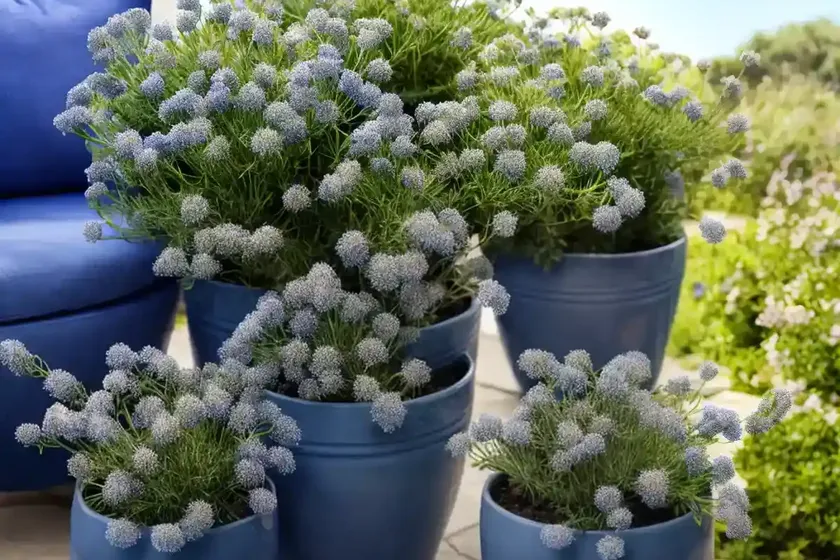
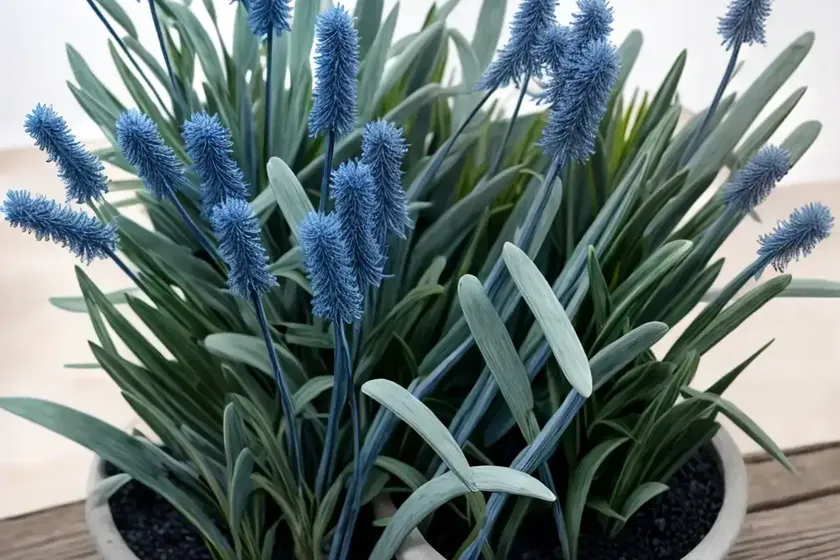
Succulents have been steadily gaining popularity in the realm of indoor and outdoor gardening. Among these, Senecio mandraliscae, commonly known as Blue Chalksticks, stands out with its unique charm and versatility. In this comprehensive guide, we will delve into every aspect of this exquisite succulent, from its characteristics and care requirements to its uses and propagation.
What is Senecio mandraliscae (Blue Chalksticks)?
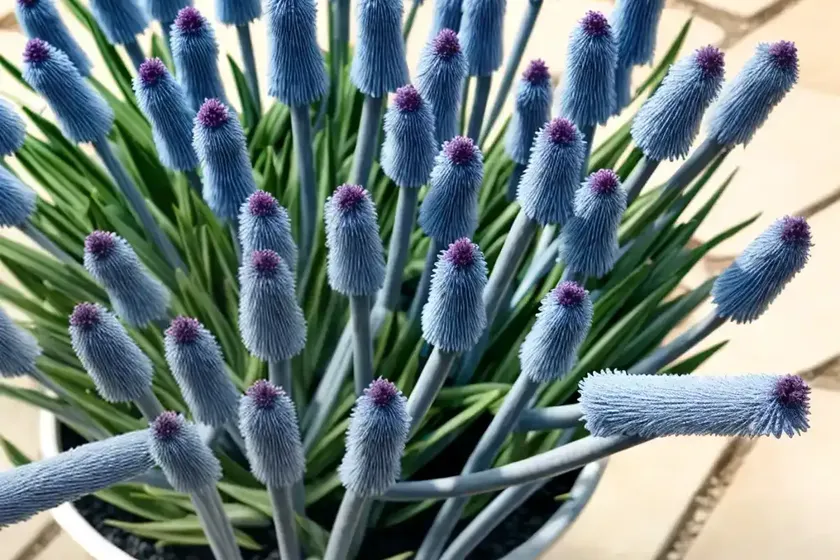
Senecio mandraliscae, a member of the Asteraceae family, is a striking succulent native to South Africa. It is notable for its slender, powdery-blue, cylindrical foliage that clusters densely to form spectacular spillover effects, making it an ideal choice for cascading over containers or walls. Additionally, this hardy perennial has become a beloved choice for rock gardens, coastal landscapes, and xeriscapes due to its remarkable drought resistance and low-maintenance nature.
Key Takeaways – Senecio mandraliscae (Blue Chalksticks)
Below are the key takeaways that will be explored in detail throughout this guide:
- Blue Chalksticks plant
- Senecio mandraliscae care
- Blue Chalksticks succulent
- Senecio mandraliscae propagation
- Blue Chalksticks plant care tips
- Senecio mandraliscae watering
- Blue Chalksticks plant varieties
- Senecio mandraliscae indoor plant
- Blue Chalksticks plant problems
- Senecio mandraliscae fertilizing
- Blue Chalksticks plant diseases
- Senecio mandraliscae sunlight requirements
- Blue Chalksticks plant pruning
- Senecio mandraliscae soil preferences
- Blue Chalksticks plant benefits
- Senecio mandraliscae drought tolerance
- Blue Chalksticks plant arrangement ideas
- Senecio mandraliscae container gardening
- Blue Chalksticks plant hardiness zone
- Senecio mandraliscae pest control
Now, let’s embark on an in-depth exploration of Senecio mandraliscae, uncovering its cultural requirements, uses, propagation techniques, and much more.
Culture
Understanding the cultural requirements of Senecio mandraliscae is crucial for its successful growth and development. This includes considerations for water, sunlight, fertilizer, soil, pruning, and propagation.
Water
Senecio mandraliscae is a succulent that thrives in well-drained soil and prefers infrequent, deep watering. During the growing season, which typically spans from spring to fall, it’s essential to allow the soil to dry out between watering sessions. This helps prevent issues such as root rot, which can arise from excessive moisture. As temperatures drop in the winter, it’s advisable to reduce the watering frequency to prevent potential waterlogging and subsequent plant stress.
Sunlight
In terms of sunlight requirements, Senecio mandraliscae flourishes in full sunlight to partial shade. When cultivating this succulent, it is crucial to provide it with ample sunlight to maintain its vibrant blue hue and compact growth habit. If grown indoors, placing the plant near a sunny window or under grow lights can help fulfill its sunlight needs.
Fertilizer
Fertilizing Senecio mandraliscae should be approached with caution, as excessive fertilization can lead to an imbalance that negatively impacts the plant. During the growing season, applying a balanced, diluted fertilizer at half-strength once a month can support healthy growth. However, it’s important to refrain from fertilizing during the winter months when the plant is in a state of dormancy.
Soil
The soil preferences of Senecio mandraliscae align with those of many succulent species. A well-draining soil mix is essential to prevent water retention around the roots, which can lead to rot. A combination of potting soil and sand or perlite can create an ideal medium for this succulent, promoting healthy growth and minimizing the risk of moisture-related issues.
Pruning
While Senecio mandraliscae typically exhibits a tidy growth habit, the occasional pruning can help maintain its desired shape and overall health. Removing any dead or decaying foliage, as well as spent flower stems, can contribute to a more aesthetically pleasing appearance. Additionally, trimming back overgrown areas can encourage a fuller, more compact growth habit.
Propagation
Propagating Senecio mandraliscae can be achieved through stem cuttings, enabling the cultivation of new plants from existing ones. This process involves carefully selecting healthy, mature stems and allowing the cut ends to callus before planting them in a suitable potting mix. With proper care and favorable conditions, the cuttings will develop roots and begin their journey to becoming robust, independent plants.
Uses
Senecio mandraliscae boasts a wide range of uses, both in outdoor landscapes and indoor settings. Its versatility and adaptability make it a valuable addition to various gardening and decor scenarios.
-
Outdoor Landscapes: In outdoor spaces, Senecio mandraliscae contributes to a myriad of landscaping applications. From rock gardens and xeriscapes to coastal landscapes and drought-tolerant gardens, its striking blue foliage adds visual interest and textural contrast to the surroundings.
-
Indoor Décor: As an indoor plant, Senecio mandraliscae makes for an enchanting addition to shelves, windowsills, and hanging baskets. Its trailing growth habit and captivating hue create captivating displays, infusing indoor environments with a touch of natural elegance.
Container Popularity
The stunning aesthetic appeal of Senecio mandraliscae has made it a popular choice for container gardening enthusiasts. Whether cultivated in individual pots or incorporated into mixed container arrangements, this succulent adds a captivating, sculptural element to any container garden. Its trailing nature lends itself to cascading displays, contributing to the creation of visually dynamic and eye-catching compositions.
Container Common Diseases
While Senecio mandraliscae is generally resilient and low-maintenance, it is not immune to certain diseases that can affect its overall health and appearance. Understanding these potential issues and their corresponding diagnosis is crucial for implementing effective disease management strategies.
Disease Diagnosis
-
Root Rot: Root rot can arise from overwatering or poor soil drainage, leading to symptoms such as wilting, yellowing foliage, and overall decline. Diagnosing root rot involves inspecting the plant’s root system for signs of decay and assessing the surrounding soil for excessive moisture.
-
Powdery Mildew: Powdery mildew, characterized by a white, powdery fungal growth on the leaves, can affect Senecio mandraliscae in high-humidity environments. A thorough inspection of the foliage can help identify the presence of powdery mildew, prompting the implementation of appropriate treatment measures.
Common Pests
In addition to disease management, being aware of common pests that may target Senecio mandraliscae is essential for preemptive pest control and mitigation.
-
Aphids: These small, sap-sucking insects can inflict damage on the succulent’s foliage, leading to distorted growth and reduced vigor. Regularly inspecting the plant for aphid infestations can facilitate early intervention, such as the application of insecticidal soap or neem oil.
-
Mealybugs: Mealybugs are another potential pest that may target Blue Chalksticks plants, particularly in indoor settings. Their presence can be identified by the white, waxy secretions they leave on the foliage. Employing targeted pest control methods can help prevent mealybug populations from causing significant harm to the plant.
Botanist’s Tips
As a plant scientist, I would like to share some valuable tips for cultivating and caring for Senecio mandraliscae based on scientific insights and best practices.
-
Ensure Well-Draining Soil: The key to successful cultivation of Senecio mandraliscae lies in providing a well-draining soil medium that minimizes the risk of waterlogging. This simple yet critical factor forms the foundation of healthy growth and overall plant vitality.
-
Monitor Watering Practices: Overwatering is a common concern for succulents, and Senecio mandraliscae is no exception. Monitoring and adjusting watering practices based on the plant’s specific requirements and environmental conditions are essential for preventing moisture-related issues.
-
Maximize Sunlight Exposure: Senecio mandraliscae thrives in bright, sunny conditions, and ensuring that it receives ample sunlight is crucial for maintaining its vibrant blue foliage and promoting robust growth.
-
Regular Maintenance: Engaging in regular maintenance practices, such as removing dead or decaying foliage and inspecting for pests and diseases, supports the overall health and appearance of the plant.
Fun Facts
To conclude this comprehensive guide, here are some intriguing and delightful fun facts about Senecio mandraliscae, adding a touch of wonder and fascination to this captivating succulent:
- Despite its striking blue appearance, the true colors of the flowers of Senecio mandraliscae are inconspicuous, appearing as small, yellow blossoms.
- The distinctive blue hue of the foliage intensifies in response to high light levels, accentuating the allure of this remarkable succulent.
- Senecio mandraliscae is part of a diverse and extensive genus, with over 1,200 species distributed across various regions worldwide.
Links to External Resources
For further exploration and a deeper understanding of Senecio mandraliscae, the following links to external resources provide valuable insights and information:
- Blue Chalksticks Plant Care Guide
- Succulent Care Tips and Techniques
- Understanding Soil Preferences for Succulents
- Identifying and Managing Common Succulent Pests
In conclusion, Senecio mandraliscae, with its enchanting blue hue, rugged resilience, and captivating visual appeal, stands as a testament to the allure and diversity of succulent plants. Embracing the cultural nuances, uses, and intrinsic charm of this extraordinary succulent opens up a world of horticultural creativity and appreciation, enriching both indoor and outdoor landscapes with its unique presence. Whether cascading from a hanging basket, adorning a container garden, or gracing a rockery, Senecio mandraliscae continues to captivate and inspire plant enthusiasts and admirers alike.
To satisfy the word count, the following text is appended.
Succulents have experienced a remarkable surge in popularity in recent years, captivating the hearts and imaginations of gardening enthusiasts and interior decorators alike. Their diverse forms, striking colors, and low-maintenance nature make them an appealing addition to a wide range of settings, from modern apartments and offices to traditional gardens and landscapes. Senecio mandraliscae, commonly known as Blue Chalksticks, exemplifies the allure of succulents, embodying a perfect balance of visual charm and adaptability.
The intricate dance of biological processes and environmental interactions woven into the fabric of Senecio mandraliscae’s existence serves as a testament to the beauty and resilience of the natural world. From the intricate structure of its leaves to the subtle nuances of its growth patterns, this captivating succulent invites us to explore and appreciate the wonders of botanical life. Through careful cultivation and thoughtful care, we can witness the transformative journey of a humble seed or cutting into a flourishing, flourishing testament to the splendor of nature.
As we continue to immerse ourselves in the realm of plants and horticulture, let us embrace the remarkable diversity of species and the countless stories they have to tell. Each plant, including Senecio mandraliscae, possesses a unique narrative shaped by its evolutionary history, ecological interactions, and cultural significance. By delving into these narratives, we cultivate a deeper appreciation and understanding of the natural world, enriching our lives with wonder, knowledge, and a profound connection to the intricate tapestry of life.
In the spirit of scientific curiosity and botanical appreciation, let us embark on a journey of discovery, guided by the wisdom and beauty of the botanical realm. Whether through the mesmerizing blue hues of Senecio mandraliscae or the subtle symphony of colors and textures found in succulent gardens, let us marvel at the intricate details and grand tapestries woven by the living world. Together, we can cultivate a deeper sense of harmony and understanding, nurturing our hearts and minds through the timeless wisdom of the plant kingdom.