Sempervivum ‘Rocknoll Rosette’ (Hens and Chicks): The Ultimate Guide
Sempervivum ‘Rocknoll Rosette’, commonly known as Hens and Chicks, is a popular succulent plant that belongs to the Crassulaceae family. This resilient and versatile plant is favored for its unique rosette-shaped foliage and its ability to thrive in various environmental conditions. In this comprehensive guide, we’ll delve into the characteristics, care tips, and maintenance of Sempervivum ‘Rocknoll Rosette’, along with its cultural significance, uses, and much more. Whether you’re a seasoned gardener or a novice plant enthusiast, you’ll find valuable insights and practical advice for cultivating and enjoying this captivating succulent.
What is Sempervivum ‘Rocknoll Rosette’ (Hens and Chicks)?
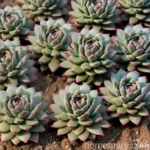
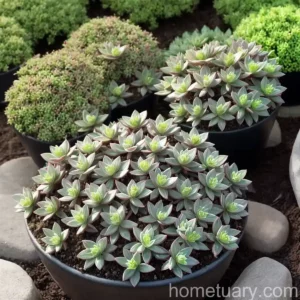
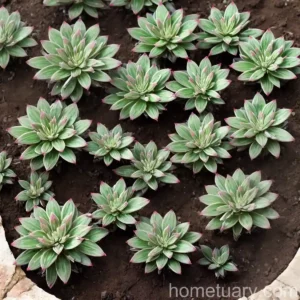
Sempervivum ‘Rocknoll Rosette’ is a species of evergreen perennial succulent known for its distinct appearance and hardiness. The name “Hens and Chicks” comes from the plant’s growth habit, where the main rosette, known as the “hen,” produces offsets, or “chicks,” around it. This growth pattern creates a visually stunning display, making Sempervivum ‘Rocknoll Rosette’ a popular choice for rock gardens, container plantings, and ground cover.
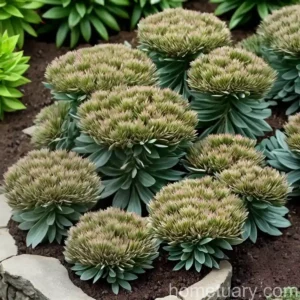
The plant is characterized by its dense, fleshy leaves arranged in a rosette formation, with each rosette producing small, star-shaped flowers on tall stalks during the growing season. Sempervivum ‘Rocknoll Rosette’ is native to mountainous regions of Europe, where it thrives in rocky, well-draining soil and is well-adapted to harsh growing conditions.
Key Takeaways – Sempervivum ‘Rocknoll Rosette’ (Hens and Chicks)
Before delving deeper into the specifics of caring for Sempervivum ‘Rocknoll Rosette’, let’s outline some key takeaways about this captivating succulent:
– Scientific Name: Sempervivum ‘Rocknoll Rosette’
– Common Name: Hens and Chicks
– Family: Crassulaceae
– Plant Type: Evergreen perennial succulent
– Distinctive Features: Rosette-shaped foliage, offsets resembling chicks
– Native Habitat: Mountainous regions of Europe
– Growth Habits: Clumping, spreading
– Flowering Season: Typically blooms in late spring to early summer
– Hardiness: Well-suited to harsh environmental conditions
– Versatility: Ideal for rock gardens, containers, and ground cover
Now that we have a basic understanding of what makes Sempervivum ‘Rocknoll Rosette’ unique, let’s explore the specifics of its care and cultivation, starting with its cultural requirements.
Culture
Cultivating Sempervivum ‘Rocknoll Rosette’ successfully relies on understanding and replicating its natural habitat and growth preferences. By providing the right environmental conditions, you can promote healthy growth and vibrant displays of rosettes and flowers. Here are the essential cultural aspects to consider when caring for Hens and Chicks:
Water
Sempervivum ‘Rocknoll Rosette’ is notably drought-tolerant, which makes it well-suited to low-maintenance gardening and water-wise landscapes. When it comes to watering, it’s crucial to strike a balance to prevent both underwatering and overwatering, which can be detrimental to the plant’s health.
Watering Guidelines for Sempervivum ‘Rocknoll Rosette’:
- Frequency: During the growing season, water the plant when the top inch of the soil feels dry to the touch. In hot, dry climates, this may equate to weekly watering, while in cooler, more humid conditions, watering can be less frequent.
- Avoid Overwatering: Soggy or waterlogged soil can lead to root rot and other issues. Ensure that the soil has proper drainage and that excess water can escape freely.
By adhering to these watering guidelines, you can support healthy growth and vitality in Sempervivum ‘Rocknoll Rosette’, allowing it to thrive even in arid environments.
Sunlight
Like many succulent plants, Sempervivum ‘Rocknoll Rosette’ benefits from ample sunlight. In its natural habitat, it typically grows in open, sunny locations, and replicating these conditions is key to promoting robust growth and vibrant coloration in the foliage.
Sunlight Requirements for Sempervivum ‘Rocknoll Rosette’:
- Full Sun Exposure: Provide at least 6 hours of direct sunlight per day for optimal growth.
- Partial Shade: In regions with intense midday sun or during heatwaves, partial shade in the afternoon can help protect the plant from sunburn and heat stress.
By ensuring that Sempervivum ‘Rocknoll Rosette’ receives adequate sunlight, you can encourage compact growth and vivid pigmentation in its rosettes, enhancing its ornamental appeal.
Fertilizer
Sempervivum ‘Rocknoll Rosette’ generally requires minimal fertilization, particularly when grown in outdoor settings or in well-amended container mix. A balanced, low-nitrogen fertilizer applied sparingly can provide the necessary nutrients to support healthy growth and flowering.
Fertilizing Sempervivum ‘Rocknoll Rosette’:
- Fertilize Sparingly: Apply a diluted, balanced fertilizer during the growing season, typically in spring or early summer. Avoid excessive fertilization, especially with high-nitrogen formulations, as this can lead to overly lush growth and diminish the plant’s hardiness.
By practicing restrained fertilization and prioritizing soil quality, you can maintain the resilience and natural hardiness of Sempervivum ‘Rocknoll Rosette’, ensuring its long-term vigor.
Soil
The right soil composition is critical for the success of Sempervivum ‘Rocknoll Rosette’. Given its native habitat in rocky, well-draining terrain, the plant thrives in soil that mimics these conditions. Well-aerated, gritty, and slightly acidic substrates are ideal for promoting healthy root development and overall plant vitality.
Soil Preferences for Sempervivum ‘Rocknoll Rosette’:
- Well-Draining Mix: Use a specialized succulent or cactus potting mix that promotes excellent drainage and prevents waterlogging.
- Gritty Texture: Incorporate coarse sand, perlite, or pumice into the soil mix to improve porosity and reduce the risk of moisture-related issues.
- Slightly Acidic pH: Aim for a slightly acidic soil pH in the range of 6.0 to 6.5 to ensure optimal nutrient availability and root function.
By selecting and preparing the right soil mix, you can create an environment in which Sempervivum ‘Rocknoll Rosette’ can truly thrive, showcasing its resilience and striking visual appeal.
Pruning
Pruning requirements for Sempervivum ‘Rocknoll Rosette’ are minimal, given its compact growth habit and low maintenance needs. However, occasional removal of spent flower stalks or damaged leaves can promote tidiness and encourage continued rosette production.
Pruning Guidelines for Sempervivum ‘Rocknoll Rosette’:
- Remove Spent Flower Stalks: After the blooming period, trim back the tall flower stalks to improve the plant’s overall appearance and focus its energy on vegetative growth.
- Addressing Damage: If any leaves or rosettes show signs of damage or disease, carefully remove affected portions with clean, sharp scissors to prevent further issues.
Simple, periodic pruning ensures that Sempervivum ‘Rocknoll Rosette’ remains visually appealing and maintains its vitality, contributing to its long-term health and beauty.
Propagation
The natural propagation strategy of Sempervivum ‘Rocknoll Rosette’, where the “chicks” or offsets separate from the main rosette and establish themselves independently, makes it a highly prolific and adaptable plant. This inherent trait also makes it easy for gardeners to propagate and expand their Hens and Chicks collections.
Propagation Methods for Sempervivum ‘Rocknoll Rosette’:
- Division: Carefully separate the offsets from the main rosette, ensuring that each division has its own roots and a well-developed growing point.
- Direct Planting: Plant the divisions in suitable soil and provide adequate water and sunlight to promote rapid establishment and growth.
By employing these straightforward propagation methods, you can multiply your Sempervivum ‘Rocknoll Rosette’ collection and share the beauty of this resilient succulent with fellow gardeners. Furthermore, propagating and sharing Hens and Chicks can also contribute to its cultural significance and historical relevance.
Container Popularity
Given its compact growth habit, stunning visual appeal, and ability to thrive in containers, Sempervivum ‘Rocknoll Rosette’ is a popular choice for container gardening enthusiasts. The versatility of this succulent makes it a desirable option for various container arrangements, from standalone potted displays to mixed succulent compositions.
Container Planting Tips for Sempervivum ‘Rocknoll Rosette’:
- Drainage: Use containers with ample drainage holes to prevent water accumulation and promote healthy root growth.
- Well-Draining Mix: Fill containers with a specialized succulent and cactus potting mix to provide the optimal growing medium for Sempervivum ‘Rocknoll Rosette’.
- Container Selection: Choose containers that complement the aesthetic qualities of the plant, considering factors such as color, texture, and overall design.
By leveraging the popularity of container gardening, Sempervivum ‘Rocknoll Rosette’ continues to enchant enthusiasts with its captivating form and resilience, serving as a focal point in a wide range of container compositions.
Common Diseases
While Sempervivum ‘Rocknoll Rosette’ is renowned for its resilience and disease resistance, certain environmental factors and cultural practices can predispose the plant to specific health issues. Understanding common diseases and their associated symptoms is crucial for timely intervention and effective management.
Disease Diagnosis
As a plant scientist and enthusiast, recognizing the symptoms of common diseases that may affect Sempervivum ‘Rocknoll Rosette’ is essential for implementing appropriate control measures. Look out for the following signs of potential diseases:
Common Diseases and Symptoms:
- Root Rot: Soft, discolored, or foul-smelling roots, accompanied by wilting or yellowing of the foliage.
- Powdery Mildew: White powdery patches on the leaves, often leading to distorted growth and reduced vigor.
- Botrytis Rot: Grayish-brown lesions on the foliage, accompanied by a fuzzy, mold-like growth.
- Leaf Spot Diseases: Circular, dark lesions on the leaves, often surrounded by a yellow halo.
By familiarizing yourself with these disease symptoms and maintaining a vigilant approach to plant health, you can promptly address any emerging issues and protect the vitality of Sempervivum ‘Rocknoll Rosette’.
Common Pests
While Sempervivum ‘Rocknoll Rosette’ is generally resistant to most pests, certain insects and mites can occasionally pose a threat to the plant’s well-being. Identifying common pests and their associated damage can help you take proactive measures to mitigate infestations and safeguard the health of your Hens and Chicks.
Common Pests and Damage:
- Aphids: Clusters of small, soft-bodied insects on new growth, often leading to distorted or stunted development.
- Spider Mites: Fine webbing and stippling on the leaves, along with general decline in plant vigor.
- Mealybugs: White, cottony masses on the foliage, accompanied by honeydew secretion and sooty mold development.
- Scale Insects: Raised, waxy bumps on the stems and leaves, often causing yellowing and premature leaf drop.
By monitoring for potential pest activity and implementing integrated pest management strategies, you can safeguard the resilience and aesthetic appeal of Sempervivum ‘Rocknoll Rosette’.
Botanist’s Tips
As a botanist with a deep appreciation for the natural world and its diverse plant life, I’ve had the privilege of studying and cultivating Sempervivum ‘Rocknoll Rosette’ in various settings. Based on my experiences and observations, here are some valuable tips to ensure the successful growth and enjoyment of this remarkable succulent:
Botanist’s Tips for Growing Sempervivum ‘Rocknoll Rosette’:
- Embrace Diversity: Explore the wide range of Sempervivum plant varieties, including different sizes, colors, and textures, to enrich your collection and create visually captivating displays.
- Environmental Mimicry: Tailor the growing conditions for Sempervivum ‘Rocknoll Rosette’ to mirror its native habitat, promoting robust growth and natural hardiness.
- Observational Learning: Regularly observe and appreciate the seasonal changes and growth habits of Sempervivum ‘Rocknoll Rosette’, deepening your connection with the plant and its intriguing lifecycle.
- Cultural Adaptability: Experiment with various cultivation methods, from ground cover plantings to imaginative container arrangements, to fully appreciate the versatility of Hens and Chicks.
- Educational Outreach: Share your passion for Sempervivum ‘Rocknoll Rosette’ with others, fostering a community of succulent enthusiasts and contributing to the preservation of this fascinating plant species.
By embracing these botanist’s tips, you can elevate your experience with Sempervivum ‘Rocknoll Rosette’ and contribute to its enduring popularity and cultural significance.
Fun Facts
Uncovering intriguing and lesser-known aspects of Sempervivum ‘Rocknoll Rosette’ adds depth to our appreciation of this captivating succulent. From historical symbolism to ecological significance, here are some fun facts that shed light on the remarkable nature of Hens and Chicks:
Fun Facts about Sempervivum ‘Rocknoll Rosette’:
- Symbolic Significance: In folklore and traditional beliefs, Sempervivum plants were often associated with protection, luck, and the warding off of evil spirits, adding a mystical allure to Hens and Chicks.
- Eco-Friendly Attributes: Due to its low water requirements and resilience, Sempervivum ‘Rocknoll Rosette’ is often featured in eco-friendly or xeriscaped landscapes, contributing to sustainable gardening practices.
- Historical Roots: The cultivation of Sempervivum plants dates back centuries, with these hardy succulents adorning European rock gardens and alpine landscapes, embodying the resilient spirit of their native habitat.
- Architectural Versatility: The compact, geometric form of Sempervivum ‘Rocknoll Rosette’ lends itself to creative architectural and landscaping uses, from living roof installations to intricate tapestries of succulent rosettes.
By delving into these fun facts, you can enrich your understanding of Sempervivum ‘Rocknoll Rosette’ and foster a deeper connection with this extraordinary succulent plant.
Links to External Resources
To further expand your knowledge and appreciation of Sempervivum ‘Rocknoll Rosette’ and its diverse attributes, I highly recommend exploring the following external resources for valuable insights and practical guidance:
- The American Horticultural Society – Sempervivum Society
- Royal Horticultural Society – Growing Sempervivums
- Garden Design – Ideas for Incorporating Sempervivums in Landscapes
- University of Minnesota Extension – Sempervivum Planting and Care Guide
- National Gardening Association – Sempervivum Growing Tips and Techniques
By leveraging these external resources, you can broaden your horizons and glean valuable information to enhance your experience with Sempervivum ‘Rocknoll Rosette’, empowering you to cultivate and appreciate this remarkable succulent to the fullest.
In conclusion, Sempervivum ‘Rocknoll Rosette’, with its resilient nature, striking aesthetics, and rich cultural significance, embodies the time-honored allure of succulent plants. From its hardy growth habits to its diverse applications in landscapes and containers, Hens and Chicks continues to captivate plant enthusiasts and gardeners alike, offering a tapestry of visual appeal and ecological benefits. By embracing the guidance and insights presented in this ultimate guide, you can embark on a rewarding journey of cultivation and discovery, deepening your connection with the timeless charm of Sempervivum ‘Rocknoll Rosette’.