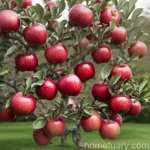
Plant Scientist’s Guide: Semi-Dwarf Apple (Malus ‘Empire’)
As a plant scientist, I am passionate about understanding and sharing knowledge about various plant species. In this comprehensive guide, we will delve into the fascinating world of the semi-dwarf apple tree, specifically focusing on the Malus ‘Empire’ cultivar. Whether you are an avid gardener, a fruit enthusiast, or simply intrigued by the complexities of plant life, this guide will provide you with valuable insights into the culture, uses, care, and maintenance of the semi-dwarf apple (Malus ‘Empire’). We will explore its characteristics, diseases, pests, and propagation techniques, along with practical tips for nurturing this delightful fruit tree.
What is the Semi-Dwarf Apple (Malus ‘Empire’)?
The semi-dwarf apple (Malus ‘Empire’) is a captivating fruit tree, renowned for its compact size, luscious apples, and adaptability to various growing conditions. Belonging to the Malus domestica species, the ‘Empire’ cultivar is a product of meticulous breeding and selection, resulting in a tree that offers the perfect combination of manageable size and abundant fruit production.
The ‘Empire’ apple tree is classified as a semi-dwarf variety, which means it exhibits reduced overall growth compared to standard apple trees, yet it is larger than true dwarf cultivars. This characteristic makes it an ideal choice for home orchards, small gardens, and urban landscapes, where space may be limited.
The distinctive features of the Malus ‘Empire’ cultivar include:
- Size: Semi-dwarf, reaching a moderate height and spread.
- Fruit: Crisp, juicy apples with a delightful balance of sweetness and tartness.
- Adaptability: Well-suited for various climates and soil types.
- Growth Habit: Exhibits a manageable growth habit, making it suitable for confined planting spaces.
Now that we have introduced the semi-dwarf apple (Malus ‘Empire’), let’s explore the key takeaways that will provide you with a comprehensive understanding of this remarkable fruit tree.
Key Takeaways – Semi-Dwarf Apple (Malus ‘Empire’)
Culture
Cultivating the semi-dwarf apple (Malus ‘Empire’) requires an understanding of its specific cultural needs and growth patterns. Consider the following factors when selecting a location and caring for this fruit tree:
- Hardiness Zones: Suitable for hardiness zones 4-7, the ‘Empire’ apple tree thrives in moderately cold climates.
- Pollination: While the ‘Empire’ is self-fertile, cross-pollination with another apple tree variety can enhance fruit production.
- Fruit Ripening: Harvest-ready apples typically appear in late summer to early fall, depending on the specific climate and growing conditions.
Uses
The semi-dwarf apple (Malus ‘Empire’) offers a myriad of uses, ranging from culinary delights to ornamental beauty. Its versatile applications include:
- Fresh Consumption: Enjoy the delectable apples fresh off the tree, as a wholesome snack or a tasty addition to salads and desserts.
- Cooking and Baking: The ‘Empire’ apples are renowned for their firm texture and excellent flavor, making them perfect for pies, sauces, and other culinary creations.
- Ornamental Value: Beyond its fruit-bearing capabilities, the ‘Empire’ apple tree presents a charming display of blossoms in the spring, adding aesthetic appeal to any landscape.
Now that we have highlighted the cultural aspects and various uses of the semi-dwarf apple (Malus ‘Empire’), let’s delve into the specific care requirements, including water, sunlight, fertilizer, soil, pruning, and propagation techniques.
Water
Proper irrigation is vital for the health and productivity of the semi-dwarf apple (Malus ‘Empire’). Here are some key considerations for watering this fruit tree:
- Young Trees: Newly planted ‘Empire’ apple trees require regular watering to establish a strong root system. Provide consistent moisture, especially during dry spells, to support growth.
- Mature Trees: Once established, these semi-dwarf trees benefit from deep, infrequent watering, allowing the soil to partially dry out between watering sessions.
Sunlight
Adequate sunlight is essential for robust growth and fruit development in the Malus ‘Empire’ cultivar. Consider the following sunlight requirements for this fruit tree:
- Full Sun: The ‘Empire’ apple tree flourishes when exposed to full sunlight for the majority of the day. Select a planting site that receives at least 6-8 hours of direct sunlight.
Fertilizer
Appropriate fertilization promotes healthy foliage, sturdy branches, and bountiful harvests in the semi-dwarf apple (Malus ‘Empire’). Here’s a guide to fertilizing this fruit tree:
- Nutrient Needs: Provide a balanced fertilizer, such as a 10-10-10 formulation, in early spring before new growth emerges. This helps replenish essential nutrients in the soil.
- Organic Matter: Additionally, incorporating organic matter, such as compost or well-rotted manure, around the base of the tree enriches the soil and supports long-term vitality.
Soil
Understanding the soil preferences of the ‘Empire’ apple tree is crucial for creating an optimal growing environment. Consider the following soil-related factors:
- Well-Drained Soil: Plant ‘Empire’ apple trees in well-drained soil to prevent waterlogging and root suffocation. Avoid excessively compacted or clayey soils that hinder proper drainage.
- Soil pH: Aim for a slightly acidic to neutral pH range of 6.0-7.0, which supports nutrient uptake and overall tree health.
Pruning
Appropriate pruning enhances the structure, airflow, and fruiting potential of the Malus ‘Empire’ cultivar. Here are essential pruning techniques for this semi-dwarf apple tree:
- Annual Pruning: Conduct annual pruning during the dormant season to remove dead or diseased branches, promote new growth, and maintain a balanced canopy.
- Thinning of Fruits: Thin out excess fruit clusters in the early stages of development to encourage larger, higher-quality apples and prevent branch damage due to excessive weight.
Propagation
The propagation of the ‘Empire’ apple tree involves the creation of new plants from existing ones. Understanding propagation methods can aid in expanding your orchard or sharing the joy of growing these delightful fruit trees. Consider the following propagation techniques:
- Grafting: Use grafting techniques, such as whip or bud grafting, to unite a ‘Empire’ apple tree scion (desired variety) with a compatible rootstock, producing a genetically identical tree.
- Cuttings: While less common than grafting, propagation through cuttings is possible by using semi-hardwood or hardwood cuttings to start new ‘Empire’ apple trees, although success rates may vary.
Container Popularity
The compact nature of the semi-dwarf apple (Malus ‘Empire’) makes it a popular choice for container cultivation, allowing individuals with limited outdoor space to enjoy the pleasures of growing their own fruit trees. Consider the following factors when growing the ‘Empire’ apple tree in containers:
- Pot Size: Select a large, sturdy container with ample drainage holes to accommodate the growing root system of the ‘Empire’ apple tree.
- Soil Quality: Utilize high-quality potting mix with good drainage and aeration properties to support healthy root development and overall tree vigor.
Container Common Diseases
Despite being grown in containers, the ‘Empire’ apple tree may still be susceptible to common diseases. Understanding the potential ailments and their management is essential for maintaining a thriving potted apple tree. Consider the following common diseases and their corresponding symptoms:
- Powdery Mildew: Characterized by a white, powdery coating on the leaves, powdery mildew can hinder photosynthesis and lead to premature leaf drop.
- Apple Scab: This fungal disease presents as dark, scabby spots on the leaves and fruit, impacting the overall health and aesthetics of the ‘Empire’ apple tree.
- Fire Blight: Fire blight, caused by a bacterial pathogen, leads to wilting, blackened blossoms, and dieback of branches, posing a serious threat to the tree’s vitality.
Disease Diagnosis
Diagnosing and addressing diseases promptly is important for protecting the health and productivity of the ‘Empire’ apple tree, whether grown in the ground or in containers. Consider the following tips for disease diagnosis and management:
- Observation: Regularly inspect the foliage, fruits, and overall appearance of the tree for any signs of discoloration, lesions, or abnormal growth.
- Consultation: Seek the guidance of local agricultural extension offices, horticultural experts, or plant pathology resources to accurately diagnose and address any suspected diseases present in your ‘Empire’ apple tree.
Common Pests
In addition to diseases, the semi-dwarf apple (Malus ‘Empire’) may also face challenges from various pests that can affect its growth and fruiting. Understanding these common pests is crucial for implementing proactive pest management strategies. Consider the following pests and their potential impact:
- Aphids: These small, sap-sucking insects can distort new growth and cause leaf curling, leading to reduced photosynthetic capabilities in the ‘Empire’ apple tree.
- Codling Moth: The larvae of this moth species can tunnel into developing apples, resulting in unsightly damage and compromised fruit quality.
- Apple Maggot: These pests lay eggs in developing apples, causing internal damage and rendering the affected fruits inedible.
Botanist’s Tips
To further enhance your understanding and success in cultivating the semi-dwarf apple (Malus ‘Empire’), consider the following tips and insights from experienced botanists and horticulturists:
- Integrated Pest Management (IPM): Embrace holistic pest management approaches, such as IPM, which focus on proactive cultural practices, biological controls, and targeted pesticide applications, to minimize pest pressures.
- Pruning Techniques: Learn and apply proven pruning techniques to sculpt the growth of the ‘Empire’ apple tree, including thinning cuts, heading back branches, and promoting an open canopy for improved sunlight penetration and air circulation.
Fun Facts
To appreciate the beauty and significance of the semi-dwarf apple (Malus ‘Empire’) on a deeper level, consider these intriguing and captivating fun facts:
- Rootstock Influence: The overall size and growth habits of the ‘Empire’ apple tree are influenced by the specific rootstock used, showcasing the art and science of grafting in horticulture.
- Genetic Diversity: The ‘Empire’ apple tree is a product of deliberate breeding efforts aimed at combining desirable traits from different apple varieties, highlighting the intricate nature of genetic diversity in horticultural advancements.
Links to External Resources
For additional information, resources, and diverse perspectives on the semi-dwarf apple (Malus ‘Empire’), consider exploring the following links:
- Apple Tree Varieties
- Semi-Dwarf Apple Trees
- Malus Empire Apple
- Dwarf Apple Trees
- Apple Tree Cultivars
- Apple Tree Species
- Semi-Dwarf Fruit Trees
- Malus Empire Cultivar
- Small Apple Tree Varieties
- Compact Apple Trees
Conclusion
In this extensive guide, we have embarked on a captivating journey into the world of the semi-dwarf apple (Malus ‘Empire’). From its cultural requirements and versatile uses to practical tips for water, sunlight, fertilizer, soil, pruning, and propagation, this comprehensive resource equips you with the knowledge and insights needed to nurture and enjoy the beauty of this remarkable fruit tree.
By understanding the nuances of disease management, pest control, and container cultivation, you are well-prepared to embark on a fulfilling and successful journey with the ‘Empire’ apple tree. Whether you are drawn to its culinary potential, ornamental allure, or the joy of cultivating fruit in confined spaces, the semi-dwarf apple (Malus ‘Empire’) offers a rewarding and enriching experience for plant enthusiasts of all levels.
Through ongoing exploration, learning, and appreciation of the Malus ‘Empire’ cultivar, you can unlock the secrets and wonders of this resilient and delightful fruit tree, fostering a deeper connection with nature and the marvels of horticulture.
Remember, every apple that you grow is a testament to your dedication, knowledge, and the timeless beauty of the natural world.
As a plant scientist, I am excited to witness the ripples of curiosity and passion that continue to flourish in the world of horticulture, driven by our collective appreciation for the wonders of plant life.
Happy growing!
This guide was created with a deep passion for horticulture and the art of nurturing fruit trees. As an advocate for botanical knowledge and sustainable practices, I invite you to explore the links to external resources to further enrich your understanding of the semi-dwarf apple (Malus ‘Empire’) and its marvelous world.
Keywords: Apple tree varieties, Semi-dwarf apple trees, Malus Empire apple, Dwarf apple trees, Apple tree cultivars, Apple tree species, Semi-dwarf fruit trees, Malus Empire cultivar, Small apple tree varieties, Compact apple trees, Empire apple tree, Fruit tree types, Semi-dwarf apple tree care, Apple tree pruning techniques, Malus Empire characteristics, Best apple tree for small spaces, Dwarf apple tree care, Empire apple tree facts, Apple tree planting guide, Semi-dwarf apple tree maintenance, Malus Empire disease resistance, Compact fruit tree varieties, Apple tree size options, Semi-dwarf apple tree varieties, Malus Empire apple tree pruning, Dwarf apple tree benefits, Empire apple tree care tips, Semi-dwarf apple tree benefits, Malus Empire apple tree size, Small apple tree care, Compact apple tree pruning, Empire apple tree facts, Fruit tree species for small gardens, Semi-dwarf apple tree pollination, Malus Empire apple tree growth, Dwarf apple tree varieties, Empire apple tree maintenance, Apple tree dwarfing techniques, Semi-dwarf apple tree size, Malus Empire apple tree lifespan, Compact fruit tree care, Apple tree propagation methods, Semi-dwarf apple tree pruning tips, Malus Empire apple tree characteristics, Dwarf apple tree pollination requirements, Empire apple tree disease resistance, Small apple tree benefits, Compact apple tree size, Semi-dwarf apple tree lifespan, Malus Empire apple tree pruning techniques