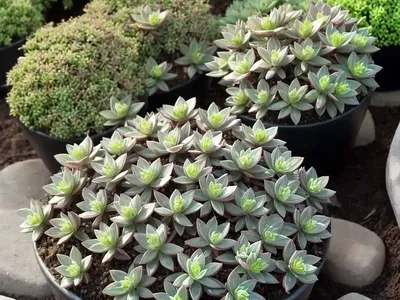
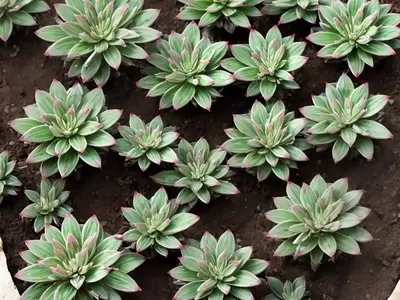
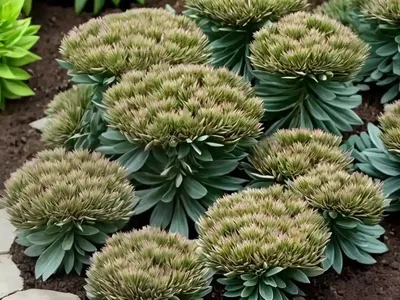
Sedum Acre (Gold Moss)
In the world of landscaping and gardening, Sedum acre, commonly known as Gold Moss or Goldmoss Stonecrop, is a popular choice. This versatile and.
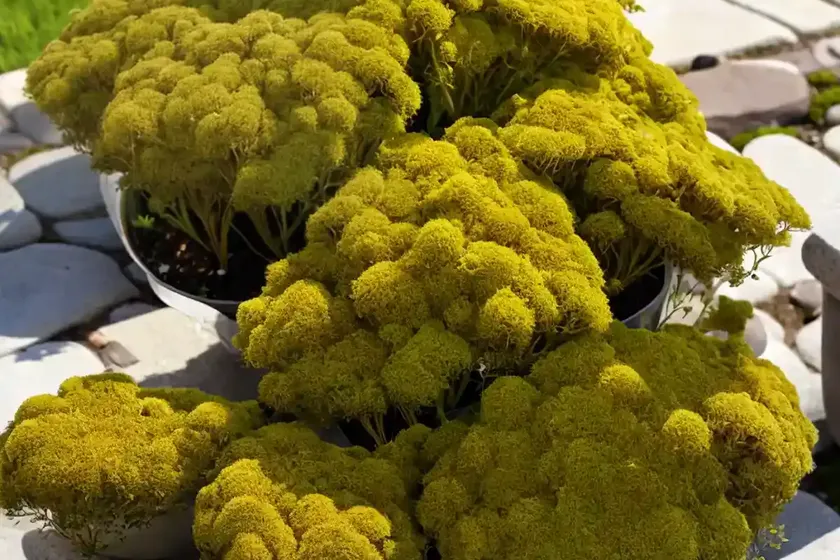
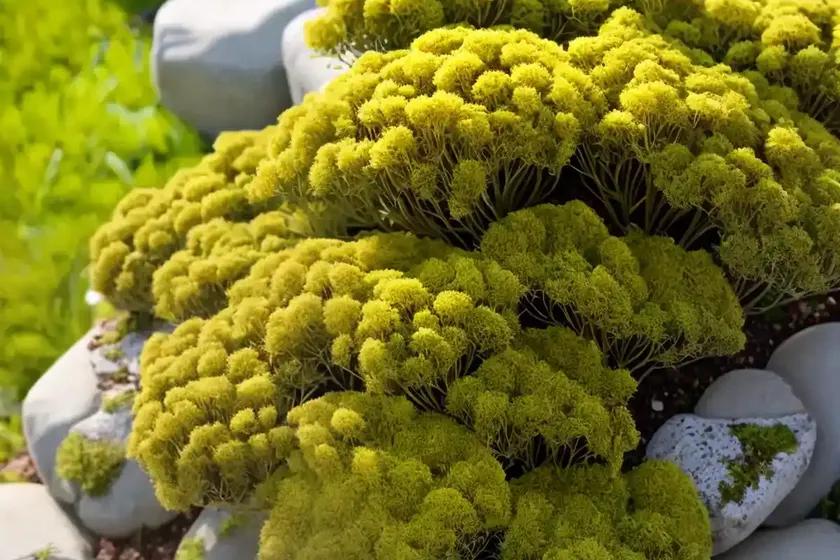
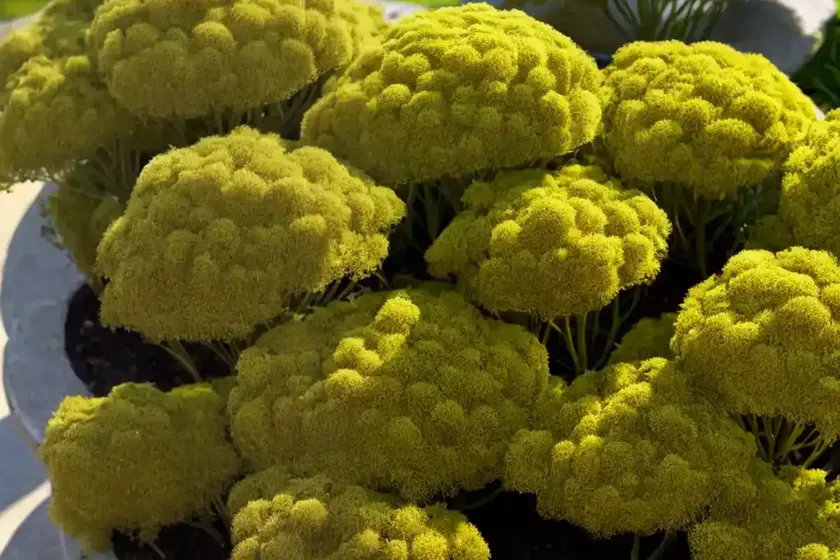
In the world of landscaping and gardening, Sedum acre, commonly known as Gold Moss or Goldmoss Stonecrop, is a popular choice. This versatile and low-maintenance plant has gained popularity not only for its aesthetic appeal but also for its numerous practical uses. In this comprehensive guide, we will delve into the various aspects of Sedum acre, from its cultural requirements and uses to its propagation and maintenance.
What is Sedum Acre (Gold Moss)?
Sedum acre is a low-growing succulent plant native to Europe, North Africa, and parts of Asia. This evergreen perennial belongs to the Crassulaceae family and is characterized by its dense, mat-forming growth habit. Its trailing stems are adorned with tiny, bright green, needle-like leaves, giving it a mossy appearance and earning it the common name “Gold Moss.”
The plant produces clusters of star-shaped, yellow flowers in the spring, adding a splash of color to its otherwise lush green foliage. In addition to its ornamental value, Sedum acre is valued for its resilience and ability to thrive in various conditions, making it a popular choice for ground cover, rock gardens, and container plantings.
Key Takeaways – Sedum Acre (Gold Moss)
Sedum acre, or Gold Moss, exhibits several key characteristics and qualities that make it an attractive choice for both novice and seasoned gardeners. Here are some of the key takeaways:
- Versatile ground cover
- Low-maintenance and drought-tolerant
- Suitable for rock gardens and containers
- Resilient and adaptable to various growing conditions
- Attractive to pollinators
With these takeaways in mind, let’s explore the various aspects of growing and caring for Sedum acre in more detail.
Culture
Uses
The versatility of Sedum acre extends to its various uses in landscaping and gardening. Some common uses include:
- Ground cover in sunny, dry areas
- Rock gardens and alpine plantings
- Container plantings, including hanging baskets and troughs
- Soil erosion control on slopes and terraces
- Edging for pathways and flower beds
- Green roofs and living walls
The plant’s ability to thrive in poor and rocky soils makes it an ideal choice for areas with challenging growing conditions.
Water
One of the most appealing qualities of Sedum acre is its exceptional drought tolerance. Once established, this succulent ground cover requires minimal watering and can withstand prolonged periods of dryness. Overwatering can lead to root rot and other moisture-related issues, so it’s important to allow the soil to dry out between waterings, especially in well-draining soil.
Sunlight
Sedum acre thrives in full sun to partial shade, making it suitable for a wide range of garden settings. However, to encourage dense growth and vibrant flowering, it is best to provide it with ample sunlight. In hot climates, partial shade during the hottest parts of the day can help protect the plant from excessive heat stress.
Soil
The adaptable nature of Sedum acre extends to its soil preferences. It prefers well-draining, gritty, and slightly acidic to neutral soil. However, it can also tolerate poor, rocky, and shallow soils, making it an excellent choice for challenging landscaping situations. Avoid waterlogged or heavy clay soils, as they can lead to root rot and other issues.
Fertilizer
Sedum acre is not a heavy feeder and generally does not require regular fertilization. In fact, excessive fertilization can lead to overly lush growth, reducing the plant’s resilience and hardiness. A light application of a balanced, slow-release fertilizer in the spring can provide the plant with the necessary nutrients for the growing season.
Pruning
The low-growing and spreading nature of Sedum acre makes it a low-maintenance plant in terms of pruning. However, trimming back the stems after flowering can help maintain a tidy appearance and encourage compact growth. It is also advisable to remove any dead or damaged stems to promote overall plant health.
Propagation
Propagating Sedum acre is relatively straightforward and can be done through several methods, including division, stem cuttings, and leaf cuttings. Here are some basic guidelines for each method:
- Division: Divide established clumps in the spring, ensuring that each division has plenty of roots and healthy stems.
- Stem Cuttings: Take 3-4 inch stem cuttings in the spring or summer, allow them to callus for a few days, and then plant them in well-draining soil.
- Leaf Cuttings: Gently remove healthy leaves, allow them to callus for a day or two, and then place them on top of a well-draining soil mix. New plantlets will develop from the leaf nodes.
Container Popularity
Sedum acre’s adaptability and low-maintenance nature make it a popular choice for container gardening. Its trailing habit and vibrant green foliage add visual interest to a wide variety of containers, including pots, troughs, and hanging baskets. Its ability to thrive in shallow or rocky soils also makes it suitable for unique and creative container combinations.
Common Diseases and Pests
Common Diseases
While Sedum acre is generally resilient to most diseases, it can be susceptible to certain issues under unfavorable growing conditions. Some common diseases that may affect this plant include:
- Root Rot: Occurs in waterlogged or poorly drained soil.
- Powdery Mildew: Fungal infection favored by high humidity and poor air circulation.
- Gray Mold: Develops in damp and overcrowded conditions.
Disease Diagnosis
Diagnosing diseases in Sedum acre involves careful observation of the plant’s symptoms, such as wilting, discoloration, or unusual growth patterns. It is important to carefully assess the environmental conditions, including soil moisture, air circulation, and sunlight exposure, to determine the underlying cause of the issue.
Common Pests
Sedum acre is relatively resistant to common garden pests, but it may occasionally attract certain insects. Some pests that may pose a threat to this plant include:
- Aphids: Small, sap-sucking insects that can distort new growth and excrete honeydew, attracting ants.
- Mealybugs: White, cottony insects that feed on plant sap and can weaken the plant over time.
- Slugs and Snails: These pests may feed on the tender foliage, leaving behind ragged holes and slime trails.
Vigilant monitoring and early intervention can help prevent pest infestations from causing significant damage to the plant.
Botanist’s Tips
Propagation for Expansion
If you want to expand the coverage of Sedum acre in your garden or landscape, propagation is a simple and effective method. By propagating new plants from existing ones, you can create a visually cohesive and seamless ground cover while also saving on additional plant purchases. Whether you choose division, stem cuttings, or leaf cuttings, the propagation process can be an enjoyable and rewarding gardening activity.
Drought-Tolerant Landscaping
In regions with dry and arid climates, Sedum acre can be an invaluable addition to sustainable and water-wise landscaping. Its ability to thrive with minimal irrigation makes it well-suited for low-water gardens, xeriscapes, and other drought-tolerant landscaping projects. By incorporating Sedum acre into such landscapes, you can create visually appealing and environmentally conscious outdoor spaces.
Fun Facts
Here are some fascinating and lesser-known facts about Sedum acre:
- Sedum acre is often used as a nectar source for butterflies and other pollinators.
- The plant’s ability to retain water in its thick leaves allows it to survive extended periods of drought.
- Sedum acre is widely used in traditional herbal medicine for its purported healing properties.
With its rich history, remarkable adaptability, and myriad of practical uses, Sedum acre continues to captivate gardeners and horticulturists worldwide.
Links to External Resources
For further information on Sedum acre (Gold Moss), feel free to explore the following resources: