Sedum ‘Blue Elf’ (SunSparkler Series)
In the realm of gardening, Sedum ‘Blue Elf’ from the SunSparkler Series has gained widespread attention for its remarkable beauty and resilience. This.
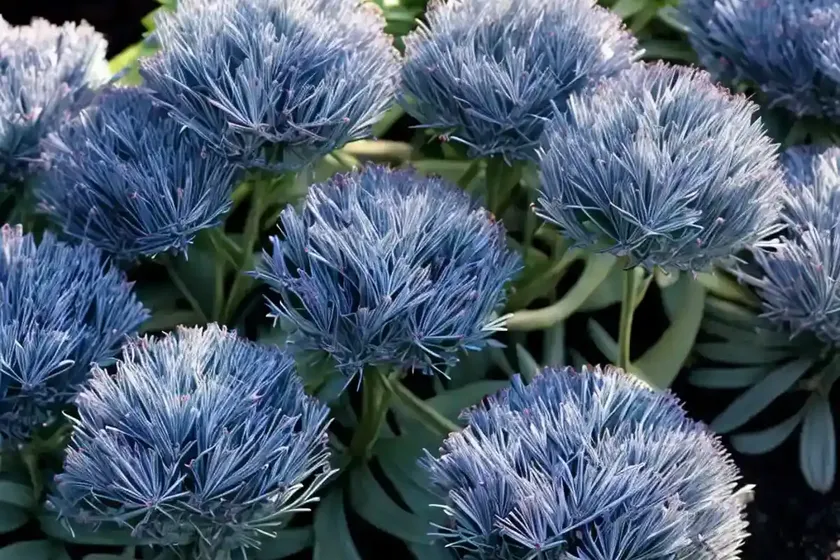
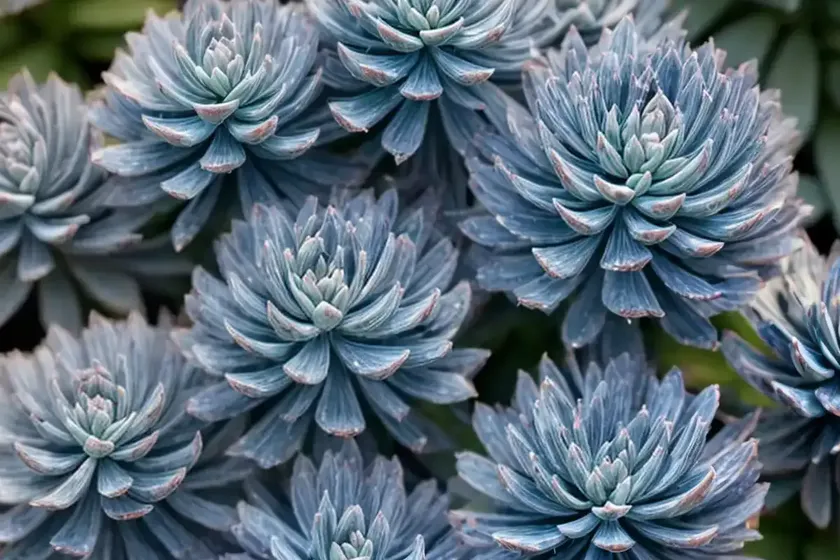
In the realm of gardening, Sedum ‘Blue Elf’ from the SunSparkler Series has gained widespread attention for its remarkable beauty and resilience. This article serves as a comprehensive guide for enthusiasts, offering insights into caring for this splendid plant, its cultural significance, and the potential challenges that may arise. From its preferred sunlight exposure to disease resistance and propagation techniques, we’ll delve into every aspect of nurturing Sedum ‘Blue Elf’.
What is Sedum ‘Blue Elf’ (SunSparkler Series)?
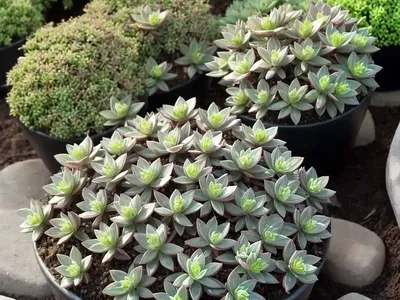
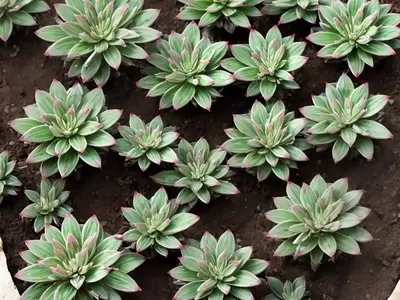
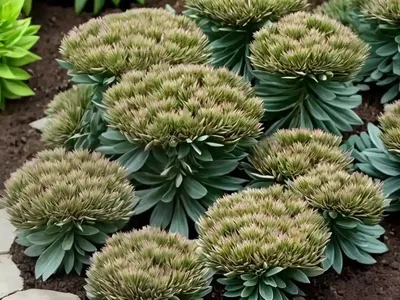
Sedum ‘Blue Elf’ is a stunning perennial plant that belongs to the SunSparkler Series, adored for its vibrant appearance and adaptability. This low-growing sedum produces captivating blue-green foliage, adorned with contrasting red margins, creating an eye-catching display in various garden settings. Additionally, its tiny star-shaped flowers, which bloom in late summer, further enhance its allure.
The SunSparkler Series, curated by plant breeder Chris Hansen, is renowned for introducing exceptional sedum varieties with a focus on compact growth, vibrant colorations, and resistance to environmental stressors. Among these commendable selections, Sedum ‘Blue Elf’ has emerged as a preferred choice for many gardeners due to its enduring beauty and ease of cultivation.
Key Takeaways – Sedum ‘Blue Elf’ (SunSparkler Series)
Culture
- Growth Habit: Compact and low-growing, forming a dense mat of foliage with a trailing nature.
- Foliage Color: Blue-green leaves with striking red margins, providing year-round ornamental value.
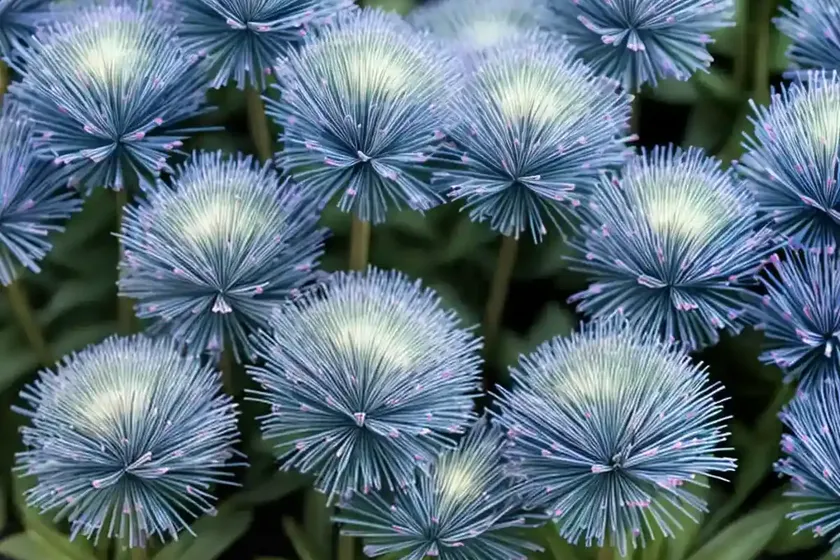
- Flower Characteristics: Small star-shaped flowers in shades of pink that bloom in late summer, attracting pollinators and contributing to the plant’s aesthetic appeal.
- Season of Interest: Offers visual interest throughout the year, with a particular emphasis on late summer when the flowers bloom.
Uses
- Landscaping: Ideal for rock gardens, borders, and ground cover due to its spreading nature and visually appealing foliage.
- Container Gardening: Well-suited for container plantings, adding a touch of elegance to patio or balcony spaces.
- Pollinator Gardens: Attracts bees, butterflies, and other pollinators, contributing to the biodiversity of the garden.
Water
- Watering Needs: Demonstrates good drought tolerance once established, requiring infrequent watering except during prolonged dry spells.
- Soil Moisture: Thrives in well-draining soils, avoiding waterlogged conditions that can lead to root rot.
Sunlight
- Sun Exposure: Flourishes in full sun to part shade, with a preference for ample sunlight to promote robust growth and vibrant foliage coloration.
Fertilizer
- Nutrient Requirements: Relatively low-maintenance in terms of fertilizer needs, benefiting from a balanced and diluted application in the spring to support healthy growth.
Soil
- Preferred Soil Type: Flourishes in well-drained, average to sandy loam soils, showcasing adaptability to various soil textures.
- pH Tolerance: Tolerant of a wide pH range, from slightly acidic to slightly alkaline soil conditions.
Pruning
- Pruning Techniques: Minimal pruning required, primarily to remove spent flower stems or maintain desired shape and density.
Propagation
- Propagation Methods: Easily propagated from stem cuttings or division, offering an excellent opportunity for gardeners to expand their collection or share the plant with others.
Container Popularity
- Container Compatibility: Thrives in containers, making it an excellent choice for small-space gardening and decorative accents on patios, decks, or balconies.
Common Diseases
- Disease Resistance: Exhibits resilience against most common pests and diseases, attributed to its robust nature and adaptability.
Disease Diagnosis
- Symptomatology: Displays few disease symptoms under optimal growing conditions, reducing the likelihood of extensive diagnostic efforts.
Common Pests
- Pest Resistance: Generally resistant to common garden pests, limiting the need for extensive pest management measures.
Botanist’s Tips
- Companion Planting: Shows compatibility with a range of companion plants, including other sedum varieties, ornamental grasses, and flowering perennials, enhancing the visual appeal of mixed plantings.
- Seasonal Care: Provides valuable interest during the winter months, with the attractive foliage maintaining its visual appeal.
Fun Facts
- Succulent Characteristics: As a member of the Sedum genus, ‘Blue Elf’ possesses succulent characteristics, aiding in its ability to withstand dry conditions and thrive in arid environments.
- Winter Foliage: Retains its blue-green foliage during the winter, contributing to the beauty of the garden, even when many other plants have entered dormancy.
Links to External Resources
- Sedum ‘Blue Elf’ Care Guide – The National Gardening Association
- Growing Sedum – University of Missouri Extension
- The Sedum Society
With a firm grasp of these key takeaways, let us delve deeper into the specifics of nurturing Sedum ‘Blue Elf’ to optimize its growth and ornamental appeal. Whether you’re a seasoned gardener or a newcomer to the world of horticulture, the following insights will equip you with the knowledge needed to foster the beauty and resilience of this remarkable plant.
Understanding Sedum ‘Blue Elf’ (SunSparkler Series)
As a prominent member of the Sedum genus, Sedum ‘Blue Elf’ stands out for its unique characteristics that make it a valuable addition to diverse garden settings. Its contrasting blue-green foliage with radiant red margins sets the stage for a visually arresting presence, offering a harmonious complement to various landscape elements and serving as an exceptional ground cover or border planting.
Sedum ‘Blue Elf’ Varieties
Within the SunSparkler Series, Sedum ‘Blue Elf’ represents a prime example of innovative breeding efforts focused on developing sedum varieties that excel in compact growth, brilliant colors, and adaptability to challenging environmental conditions. While ‘Blue Elf’ occupies a special place within this esteemed collection, other varieties from the series also share its commendable attributes, contributing to the diversity and appeal of sedum offerings for garden enthusiasts.
Best Sedum ‘Blue Elf’ Companion Plants
In the realm of companion planting, Sedum ‘Blue Elf’ harmonizes well with an array of plant companions, fostering a visually cohesive and dynamic garden space. When juxtaposed with complementary plant species, such as ornamental grasses, flowering perennials, and fellow sedum varieties, ‘Blue Elf’ contributes to a balanced and harmonious aesthetic, showcasing the potential for creative pairings that elevate the overall beauty of the landscape.
Growing Sedum ‘Blue Elf’ in Full Sun
To unlock the full potential of Sedum ‘Blue Elf’, providing ample sunlight is essential to promote robust growth and vivid foliage coloration. Full sun exposure enables the plant to thrive, resulting in compact, lush growth and vibrant blue-green leaves accentuated by the striking red margins. When situated in a sunny location, such as a southern or western-facing garden bed, ‘Blue Elf’ showcases its resilience and capacity to endure challenging environmental conditions, thus enhancing its ornamental value.
Sedum ‘Blue Elf’ Drought Tolerance
One of the defining features of Sedum ‘Blue Elf’ lies in its exceptional drought tolerance, making it a valuable addition to gardens characterized by arid climates or limited access to consistent irrigation. Once established, ‘Blue Elf’ showcases a remarkable ability to thrive amidst dry conditions, reducing the need for frequent watering and ensuring its enduring beauty even during periods of water scarcity. This resilience to drought further aligns ‘Blue Elf’ with the principles of xeriscaping and sustainable gardening practices, where water-efficient plants play a pivotal role in creating resilient and visually captivating landscapes.
Sedum ‘Blue Elf’ Watering Needs
In establishing an optimal watering regimen for Sedum ‘Blue Elf’, it is crucial to recognize its preference for well-draining soils and infrequent watering. During periods of extended dryness, providing moderate irrigation can help sustain its vitality and visual appeal, while avoiding overwatering that may lead to root rot and other moisture-related issues. By adhering to a balanced approach that acknowledges its native resilience and adaptation to dry environments, gardeners can ensure the long-term health and beauty of ‘Blue Elf’ while conserving water resources.
Sedum ‘Blue Elf’ Soil Requirements
Sedum ‘Blue Elf’ exhibits a versatile nature when it comes to soil preferences, demonstrating adaptability to various soil textures and pH levels. It thrives in well-drained soils, ranging from average to sandy loam compositions, and exhibits tolerance for a wide pH range, including slightly acidic to slightly alkaline conditions. This adaptability makes ‘Blue Elf’ an excellent choice for diverse garden environments, accommodating different soil types and imparting its visual allure without requiring extensive soil amendments or modifications.
Sedum ‘Blue Elf’ Propagation Tips
For gardeners eager to propagate and expand their collection of Sedum ‘Blue Elf’, several practical and effective propagation methods are available. Stem cuttings and division represent two primary approaches, offering accessible means to propagate new plants from existing specimens. By leveraging these propagation techniques, gardeners can not only propagate ‘Blue Elf’ for personal enjoyment but also share the plant with fellow enthusiasts, contributing to the spread of its splendor across varied garden settings.
Sedum ‘Blue Elf’ Container Gardening
The adaptability of Sedum ‘Blue Elf’ extends to container gardening, allowing it to thrive in confined spaces while enriching patios, balconies, or other compact areas with its vibrant presence. When cultivated in containers, ‘Blue Elf’ offers a valuable opportunity for small-space gardening, serving as an elegant and low-maintenance addition that elevates the visual appeal of outdoor living spaces. Its trailing growth habit and ornamental foliage make it a favored choice for container plantings, demonstrating the plant’s versatility and potential for creative design applications.
The remainder of this guide will continue to explore additional facets of cultivating Sedum ‘Blue Elf’, including its prevalence in various garden settings, inherent resilience to common diseases, and key considerations for maintaining its optimal health and ornamental value. By embracing a holistic understanding of ‘Blue Elf’ and its diverse attributes, gardeners can foster its enduring beauty and contribute to the vibrant tapestry of horticultural landscapes.
To be continued…