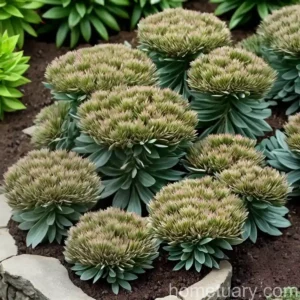
Sedum tetractinum (Chinese Stonecrop): A Comprehensive Guide
Sedum tetractinum, commonly known as Chinese Stonecrop, is a delightful and versatile plant that can adorn your garden, thrive in containers, or enhance your landscape design. With its attractive foliage, vibrant flowers, and easy-care nature, Sedum tetractinum has become a popular choice for both novice and experienced gardeners. In this comprehensive guide, we will explore the cultural requirements, uses, propagation methods, common diseases, and much more, to help you unlock the full potential of this remarkable plant.
What is Sedum tetractinum (Chinese Stonecrop)?
Sedum tetractinum is a low-growing perennial succulent that belongs to the Crassulaceae family. This hardy plant is native to China and has captured the attention of plant enthusiasts around the world due to its adaptability and aesthetic appeal. Its common name, Chinese Stonecrop, is indicative of its origin and its ability to thrive in rocky, dry conditions.
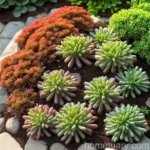
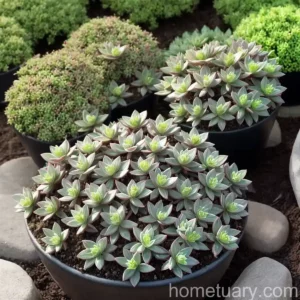
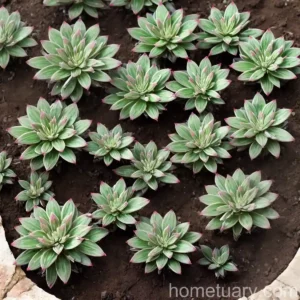
The plant features fleshy, succulent leaves arranged in whorls around the stem, giving it a distinct appearance. Moreover, during the blooming season, Sedum tetractinum produces star-shaped, yellow flowers that add a splash of color to any garden or landscape.
Now that we have a basic understanding of Sedum tetractinum, let’s delve into the key aspects of caring for and utilizing this versatile plant.
Key Takeaways – Sedum tetractinum (Chinese Stonecrop)
Culture
Sedum tetractinum thrives in a culture that mimics its natural, arid habitat. Here are some key cultural requirements to consider when growing this plant:
- Hardiness: Sedum tetractinum is resilient and can withstand harsh conditions. It is suitable for USDA hardiness zones 5-9, making it adaptable to a wide range of climates.
- Water: This plant is drought-tolerant and prefers well-draining soil. Water sparingly and avoid overwatering to prevent root rot.
- Sunlight: Chinese Stonecrop thrives in full sun to partial shade. Ensure it receives at least 6 hours of sunlight per day for optimal growth and flowering.
Uses
Sedum tetractinum offers various uses in gardens, landscapes, and even indoor settings. Consider the following applications for this versatile plant:
- Groundcover: Its low-growing, spreading nature makes it an excellent groundcover plant for rock gardens, slopes, and naturalistic landscapes.
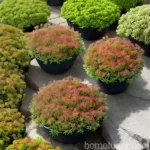
- Containers: Chinese Stonecrop is well-suited for container gardening. It adds texture and visual interest to mixed succulent arrangements or standalone planters.
- Landscaping: Incorporate Sedum tetractinum into your landscape design to create vibrant, low-maintenance displays. It can complement other drought-tolerant plants and thrive in challenging spots.
Next, we will explore the specific care requirements for Sedum tetractinum, including water, sunlight, fertilizer, soil, pruning, and propagation techniques to help you cultivate this plant successfully.
Water
Understanding the water requirements of Sedum tetractinum is crucial for ensuring its health and vitality. Here’s what you need to know about watering this resilient plant:
- Drought Tolerance: Sedum tetractinum exhibits exceptional drought tolerance once established. Water sparingly, allowing the soil to dry out between waterings.
- Avoid Overwatering: Overwatering can lead to root rot and other issues. Err on the side of underwatering rather than risking waterlogged soil.
- Established Plants: Once established, these plants seldom require watering, except during prolonged dry spells.
Sunlight
Proper sunlight exposure is essential for the growth and flowering of Sedum tetractinum. Here’s how to ensure it receives the right amount of sunlight:
- Full Sun: Chinese Stonecrop thrives in full sun to partial shade. Aim to provide it with at least 6 hours of sunlight each day for vigorous growth and abundant flowering.
- Morning Sun: In hot climates, some afternoon shade can be beneficial to protect the plant from scorching sun during the hottest part of the day.
- Indoor Cultivation: When grown indoors, place Sedum tetractinum near a sunny window where it can receive bright, indirect light.
Fertilizer
While Sedum tetractinum is not particularly demanding when it comes to fertilizer, providing some nutrients can encourage robust growth and enhance blooming. Consider the following guidelines for fertilizing Chinese Stonecrop:
- Light Feeding: A balanced, all-purpose liquid fertilizer can be applied sparingly in spring as new growth emerges.
- Avoid Excess Fertilization: Over-fertilizing can lead to leggy growth and may reduce flower production. Use a diluted fertilizer solution to avoid stressing the plant.
Soil
The right soil conditions are crucial for the health and vigor of Sedum tetractinum. Consider the following soil preferences for this versatile plant:
- Well-Draining Soil: Chinese Stonecrop thrives in well-draining, sandy or gravelly soil. Good drainage is essential to prevent waterlogged conditions.
- Soil Amendments: For container gardening or areas with poor soil quality, amending the soil with sand or perlite can improve drainage and aeration.
- Avoid Heavy Soils: Heavy, clay-rich soils should be avoided, as they can retain excess moisture and lead to root rot.
Pruning
Regular pruning and maintenance can help keep Sedum tetractinum looking tidy and vigorous. Follow these tips for proper pruning of Chinese Stonecrop:
- Deadheading: Remove spent flowers to encourage continuous blooming and prevent the plant from expending energy on seed production.
- Trimming Leggy Growth: If the plant becomes leggy or sprawling, trim back the stems to promote denser growth and a more compact form.
- Spring Cleanup: In early spring, remove any winter-damaged or disheveled growth to allow for fresh, new growth.
Now that we’ve covered the essential care requirements for Sedum tetractinum, let’s explore techniques for propagation, container gardening, and common diseases that may affect this plant.
Propagation
Propagating Sedum tetractinum is a rewarding way to expand your plant collection or share it with fellow gardening enthusiasts. Here are some common methods for propagating Chinese Stonecrop:
- Division: Divide mature clumps in early spring to create new plants. Ensure each division has several stems and healthy roots.
- Stem Cuttings: Take 3-4 inch stem cuttings and allow them to callus for a few days before planting them in well-draining soil.
- Leaf Cuttings: Individual leaves can also be used for propagation. Lay the leaves on a dry surface until calloused, then plant them in a suitable growing medium.
Container Popularity
The compact growth habit and visual appeal of Sedum tetractinum make it a popular choice for container gardening. Here are some reasons why this plant is well-suited for container cultivation:
- Limited Space: Its small size and trailing growth make it ideal for small containers, hanging baskets, or vertical gardens.
- Mixed Plantings: Combining Sedum tetractinum with other succulents or drought-tolerant plants can create striking container displays.
- Versatile Design: Chinese Stonecrop’s adaptability to different container sizes and styles makes it a versatile option for various gardening preferences.
Common Diseases
While Sedum tetractinum is relatively resistant to pests and diseases, certain issues may arise under unfavorable conditions. Here are some common diseases that can affect Chinese Stonecrop:
- Root Rot: Overwatering or poorly draining soil can lead to root rot in Sedum tetractinum. Ensure proper soil drainage to prevent this issue.
- Powdery Mildew: In humid or stagnant conditions, powdery mildew can affect the foliage of the plant. Provide good air circulation to mitigate this problem.
- Bacterial Rot: Wet, cool conditions can create an environment conducive to bacterial rot. Avoid overwatering and ensure proper ventilation to prevent this issue.
Disease Diagnosis
Diagnosing and addressing potential diseases promptly is crucial for maintaining the health of Sedum tetractinum. Here are some signs and symptoms to watch for when assessing the plant for diseases:
- Yellowing Leaves: Yellowing or wilting of the leaves can be indicative of overwatering, root rot, or nutrient deficiencies.
- Powdery Residue: The presence of a powdery, white residue on the foliage may indicate the onset of powdery mildew.
- Slimy or Darkened Stems: If the stems appear slimy, darkened, or exhibit an unpleasant odor, bacterial rot may be the culprit.
By recognizing these symptoms early on, you can take appropriate measures to address potential issues and restore the plant’s health.
Common Pests
Although Sedum tetractinum is relatively pest-resistant, a few common pests may occasionally pose a threat to its well-being. Here are some pests to be mindful of when caring for Chinese Stonecrop:
- Aphids: These small, sap-sucking insects can cluster on the stems or undersides of the leaves. They can be dislodged with a strong stream of water or controlled with insecticidal soap.
- Spider Mites: In hot, dry conditions, spider mites may infest the plant and cause stippling or webbing on the foliage. Regularly misting the plant can help deter these pests.
- Mealybugs: Mealybugs are soft-bodied insects that may congregate in leaf axils or along the stems. They can be treated with neem oil or insecticidal sprays.
By monitoring the plant regularly and practicing good garden hygiene, you can prevent pest infestations and maintain the vigor of Sedum tetractinum.
Botanist’s Tips
As a plant scientist with a passion for succulents and ornamental plants, I’ve had the privilege of working with Sedum tetractinum in various settings. Here are some additional tips to help you make the most of this exceptional plant:
- Companion Planting: Pair Sedum tetractinum with other drought-tolerant, low-growing plants such as Sempervivum, Delosperma, or Echeveria for a visually dynamic and water-wise combination.
- Rock Gardens: Chinese Stonecrop excels in rock gardens, where it can cascade over rocks or retain slopes. Its ability to thrive in shallow soil makes it an ideal choice for such settings.
- Winter Care: In regions with cold winters, provide a light mulch to protect the plant’s roots from freezing temperatures. However, ensure the mulch does not trap excess moisture.
- Regular Monitoring: Keep a close eye on the plant during prolonged wet periods to ensure that it doesn’t succumb to overly moist conditions, which can be detrimental to its health.
By incorporating these tips into your care routine, you can foster healthy, robust growth in Sedum tetractinum and appreciate its ornamental value throughout the year.
Fun Facts
To enrich your understanding and appreciation of Sedum tetractinum, here are some intriguing and lesser-known facts about this remarkable plant:
- Wildlife Habitat: The nectar-rich flowers of Chinese Stonecrop attract pollinators such as bees and butterflies, contributing to the biodiversity of the garden.
- Leaf Succulence: The fleshy, succulent leaves of the plant store water, enabling it to survive in arid conditions and withstand periods of drought.
- Architectural Uses: In landscape design, Sedum tetractinum’s trailing habit and low-growing nature make it an excellent choice for softening hardscapes or adding visual interest to rock features.
These fun facts can deepen your admiration for Sedum tetractinum and inspire creative uses for this versatile plant in your garden or landscape.
In pursuing a comprehensive understanding of Sedum tetractinum, I encourage you to explore the following external resources for further information and inspiration:
- Royal Horticultural Society – Sedum tetractinum
- University of Maryland Extension – Sedum Propagation
By leveraging these resources and continuing to expand your knowledge, you can cultivate and enjoy the unique beauty of Sedum tetractinum to its fullest potential.
In conclusion, Sedum tetractinum, with its charming foliage, vibrant flowers, and adaptability, has rightfully earned its place as a cherished plant in gardens, landscapes, and containers. By embracing its easy-care nature and utilizing the insights provided in this guide, you can nurture and celebrate the enduring allure of Chinese Stonecrop in your own horticultural endeavors. Cheers to the beauty and resilience of Sedum tetractinum!