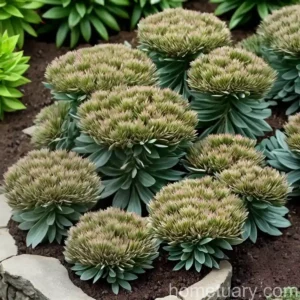
Sedum Ternatum (Wild Stonecrop): A Complete Guide
Introduction to Sedum Ternatum
Sedum ternatum, commonly known as Wild Stonecrop, is a delicate and lovely perennial plant that belongs to the Crassulaceae family. This native North American plant can be found in the eastern United States and Canada, where it thrives in the wild and adds charm to various natural habitats. Its unique features, particularly its adaptability and drought tolerance, make it a sought-after plant for both amateur gardeners and professional landscapers.
In this comprehensive guide, we will explore the various aspects of Sedum ternatum, including its culture, uses, growth requirements, propagation methods, common diseases and pests, and fascinating botanist tips. By the end of this article, you will have gained valuable insights into this remarkable plant, enabling you to cultivate and appreciate it to its fullest potential.
Key Takeaways – Sedum Ternatum (Wild Stonecrop)
Before delving deeper into the intricacies of Sedum ternatum, let’s summarize some key takeaways to provide a quick overview of the plant’s characteristics and applications:
-
Sedum Ternatum Varieties: The species “Sedum ternatum” presents itself in its original form, and we’ll be focusing primarily on this particular variety.
-
Sedum Ternatum Care Guide: Its care requirements encompass well-draining soil, adequate sunlight, and minimal watering, among other factors that we’ll discuss in detail.
-
Wild Stonecrop Plant: Known for its wild beauty and adaptability in natural settings, Sedum ternatum often thrives in wild habitats, including woodlands and rock gardens.
-
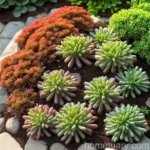
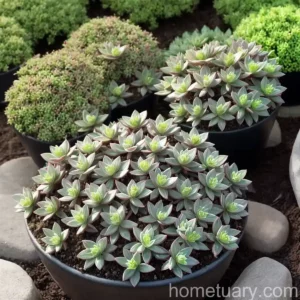
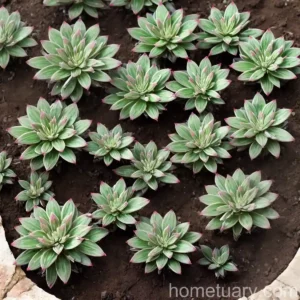
Sedum Ternatum Characteristics: This plant boasts succulent, trailing stems, adorned with star-shaped white flowers that bloom in the spring.
-
Sedum Ternatum Growing Tips: Proper care, including the right soil, sunlight, and watering regimen, is crucial for the successful growth of this species.
-
Sedum Ternatum Propagation Methods: Sedum ternatum can be propagated through seed sowing, division, or stem cuttings, allowing for easy expansion of its presence in the garden.
-
Wild Stonecrop Uses: In addition to its ornamental value, Sedum ternatum serves as a beneficial ground cover, erosion controller, and pollinator attractant.
-
Sedum Ternatum in Landscaping: With its low maintenance and adaptability, Sedum ternatum is a favored choice for landscape design, adding texture and color to the garden.
-
Sedum Ternatum Native Habitat: In the wild, it thrives in woodland areas, mountain slopes, and rocky terrain, showcasing its resilience and adaptability.
-
Sedum Ternatum Ground Cover: Its spreading nature and dense growth make it an ideal ground cover, particularly in shaded areas.
-
Sedum Ternatum Growing Conditions: Understanding its preferred environment, including sunlight, soil, and water requirements, is crucial for successful cultivation.
-
Sedum Ternatum Diseases and Pests: While generally resistant to diseases and pests, some common issues may affect its growth, which we’ll explore later in the article.
-
Sedum Ternatum Medicinal Properties: Traditionally, Sedum species have been used in herbal medicine, and while not commonly known for such properties, further exploration could yield interesting findings.
-
Sedum Ternatum as a Drought-Tolerant Plant: Its succulent nature enables it to withstand dry conditions, making it an excellent choice for water-wise gardening.
-
Sedum Ternatum for Pollinators: Its nectar-rich flowers are a magnet for pollinators, supporting the ecosystem in gardens and natural landscapes.
-
Sedum Ternatum Container Gardening: Its adaptability to containers makes it an appealing choice for adding greenery and charm to outdoor spaces.
-
Sedum Ternatum vs. Other Sedum Species: Comparisons with other sedum varieties can highlight the unique attributes of Sedum ternatum and its suitability for specific purposes.
-
Sedum Ternatum for Rock Gardens: Its low-growing and spreading habit makes it a favored addition to rock gardens, where it can thrive in lean and well-draining soils.
-
Sedum Ternatum in Wildflower Meadows: In naturalistic settings, Sedum ternatum can blend seamlessly into wildflower meadows, adding diversity and visual appeal.
-
Sedum Ternatum Winter Care: Understanding its winter requirements ensures its survival and thriving in the following growing season.
-
Sedum Ternatum as a Green Roof Plant: Its ability to withstand harsh growing conditions and offer visual interest makes it a compelling choice for green roofs.
-
Sedum Ternatum for Vertical Gardening: Utilized in vertical gardens, it can create stunning cascading effects, adding an extra dimension to the garden space.
-
Sedum Ternatum Companion Plants: Pairing it with suitable companion plants can enhance its visual impact and overall garden ecology.
-
Sedum Ternatum Pruning Techniques: Proper pruning ensures its health and appearance, making it a vital aspect of Sedum ternatum care.
-
Sedum Ternatum in Hanging Baskets: Its trailing habit makes it an ideal candidate for hanging baskets, adding a touch of elegance to elevated spaces.
-
Sedum Ternatum as a Groundcover Alternative: Due to its spreading nature, it provides an effective alternative to traditional ground covers, particularly in challenging growing conditions.
-
Sedum Ternatum for Erosion Control: Its dense growth and shallow root system make it a valuable asset in preventing soil erosion on slopes and banks.
-
Sedum Ternatum Natural Habitat: Understanding its natural habitat sheds light on its preferred growing conditions and adaptability to various environments.
-
Sedum Ternatum Water Requirements: Despite its drought tolerance, understanding its water needs ensures its optimal growth and health.
-
Sedum Ternatum for Wildlife Gardens: Being a pollinator attractant, it makes a valuable addition to wildlife-friendly gardens, supporting local fauna.
-
Sedum Ternatum as a Border Plant: Its low, spreading nature makes it suitable as a border plant, delineating garden beds and pathways with finesse.
-
Sedum Ternatum in Perennial Beds: Its seasonal interest and easy maintenance make it an appealing addition to perennial beds and mixed borders.
-
Sedum Ternatum for Xeriscaping: In water-wise landscapes, its drought tolerance and visual appeal make it a prime candidate for xeriscaping.
-
Sedum Ternatum Flowering Period: Understanding its flowering cycle allows for advanced planning and enjoyment of its blooming phase.
-
Sedum Ternatum as a Balcony Plant: Even in restricted spaces, such as balconies and terraces, Sedum ternatum can thrive in pots and containers.
-
Sedum Ternatum Culinary Uses: While commonly known for its ornamental value, some sedum species have culinary uses, sparking further exploration in this aspect.
-
Sedum Ternatum as a Native Wildflower: In native plant gardens, its presence adds natural charm and contributes to the preservation of local biodiversity.
-
Sedum Ternatum in Rock Wall Gardens: Its ability to cling and spread on vertical surfaces makes it a desirable addition to rock wall gardens and similar settings.
-
Sedum Ternatum for Ground Stabilization: Its root system and mat-forming habit make it an effective ground stabilizer, particularly on slopes and inclines.
-
Sedum Ternatum Soil Preferences: Understanding its soil requirements is crucial for ensuring its vigor and longevity in the garden.
-
Sedum Ternatum as a Low-Maintenance Plant: Its resilience and minimal care needs make it an ideal choice for busy gardeners and extensive landscapes.
-
Sedum Ternatum for Butterfly Gardens: Playing a part in butterfly conservation efforts, it attracts these delightful insects, adding life and movement to the garden.
-
Sedum Ternatum in Woodland Gardens: Its ability to thrive in shaded conditions and woodland settings makes it a favored addition to woodland gardens.
-
Sedum Ternatum Water-Wise Gardening: Being an exemplar of water-wise gardening, it can inspire sustainable and environmentally conscious landscaping practices.
-
Sedum Ternatum in Naturalistic Plantings: Its seamless integration into wild and naturalistic plantings supports a diverse and ecologically friendly garden environment.
-
Sedum Ternatum as a Foliage Plant: Even when not in bloom, its foliage provides visual interest, adding structure and texture to the garden.
-
Sedum Ternatum for Green Landscapes: In urban settings, its use contributes to green spaces and curates sustainable and visually appealing landscapes.
-
Sedum Ternatum in Container Arrangements: Its adaptability to containers and ability to thrive in restricted spaces make it a valuable addition to container gardens.
-
Sedum Ternatum Sun Exposure: Understanding its sunlight requirements, including preferences for full sun to partial shade, ensures its strong and healthy growth.
-
Sedum Ternatum for Slope Gardens: Its erosion control abilities and adaptability to lean soils make it a favored choice for gardens with sloping terrain.
Given these key takeaways, we will now explore these aspects in detail, providing comprehensive insights into the culture, uses, growth requirements, and care of Sedum ternatum.
Culture of Sedum Ternatum
Understanding the cultural requirements of Sedum ternatum is essential for successfully cultivating and enjoying this remarkable plant. From its watering needs to preferred soil types and pruning techniques, each aspect contributes to the robust growth and ornamental value of this wild stonecrop.
Water
Sedum ternatum, with its succulent leaves and stems, is well-suited for dry conditions and exhibits excellent drought tolerance. However, this doesn’t mean it can thrive without any water. Understanding its watering needs is crucial for maintaining its health and vigor.
Watering Considerations:
– Established Plants: Once established, Sedum ternatum is relatively low-maintenance, requiring water during extended dry spells.
– Newly Planted Seedlings or Cuttings: Adequate moisture is essential during the establishment phase to encourage root development and ensure their survival.
Watering Guidelines:
– Natural Rainfall: Whenever possible, rely on natural rainfall rather than regular irrigation.
– Deep Watering: When watering, ensure the soil is soaked deeply, allowing the roots to access moisture efficiently.
– Watering Frequency: In the absence of rainfall, water around once or twice a week during the active growing season, adjusting based on the local climate and soil conditions.
– Watering Methods: To prevent fungal issues, water at the base of the plant, avoiding wetting the foliage excessively.
Sunlight
Sedum ternatum thrives in a wide range of light conditions, making it an adaptable plant for diverse garden settings. Understanding its sunlight preferences helps in selecting the most suitable planting locations and ensuring its robust growth and flowering.
Sunlight Considerations:
– Full Sun to Partial Shade: While it performs admirably in full sun, it also tolerates partial shade, particularly in warmer regions.
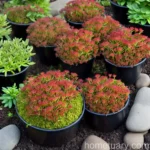
– Leaf Coloration: In full sun, the foliage may take on a slightly reddish tinge, adding to its ornamental appeal.
Sunlight Guidelines:
– Optimal Sun Exposure: To ensure prolific flowering and compact growth, provide at least six hours of direct sunlight per day.
– Partial Shade Considerations: In regions with intense afternoon sun, partial shade during the hottest part of the day aids in preventing leaf scorch and dehydration.
– Adapting to Light Conditions: While adaptable, Sedum ternatum generally leans towards locations with ample sunlight, where it blooms profusely and exhibits robust growth.
Fertilizer
Given its low-maintenance nature and adaptability to lean soils, Sedum ternatum requires minimal fertilization. Understanding its nutritional needs and applying fertilizers judiciously, if necessary, contributes to its vigor and overall health.
Fertilization Considerations:
– Nutrient Requirements: Sedum ternatum is not particularly demanding when it comes to soil fertility, thriving in even nutrient-poor soils.
– Organic Matter: Incorporation of organic matter during planting or as a top dressing can enhance soil structure and fertility, benefiting the plant in the long term.
Fertilization Guidelines:
– Minimal Fertilization: In most cases, supplemental fertilization is unnecessary, particularly in fertile garden soils.
– Dilute Solutions: If fertilization is deemed necessary, dilute, balanced fertilizers can be applied during the growing season, following package instructions to prevent overfeeding.
Soil
Sedum ternatum showcases adaptability to a wide range of soil types, excelling in well-draining, lean soils that mimic its natural woodland habitats. Understanding its soil preferences ensures its successful establishment and longevity in the garden.
Soil Considerations:
– Well-Draining Soils: Sedum ternatum abhors wet feet and thrives in soils with excellent drainage, making it suitable for rock gardens and slopes.
– Soil pH: It tolerates a broad pH range, preferring slightly acidic to neutral soils, typical of woodland environments.
Soil Guidelines:
– Soil Texture: Sandy loam or loamy soils are ideal for Sedum ternatum, offering good drainage and aeration.
– Improving Soil Drainage: If your garden soil is heavy or compacted, amending it with perlite or coarse sand can enhance drainage, creating an environment favorable for the plant’s growth.
Pruning
Pruning plays a vital role in maintaining the compact and tidy appearance of Sedum ternatum, particularly after its flowering period and to remove any dead or damaged growth. Proper pruning techniques ensure its continued health and ornamental value.
Pruning Considerations:
– Post-Flowering Pruning: Once the flowering phase concludes, trimming back the spent flower stems maintains the plant’s appearance and promotes possible reblooming.
– Cleaning Out Debris: Regularly remove any debris or dead foliage to prevent the onset of diseases and maintain a tidy, healthy plant.
Pruning Guidelines:
– Pruning Frequency: Prune as needed throughout the growing season, focusing on removing any unsightly or damaged growth.
– Early Spring Inspection: In early spring, check the plant for any winter damage and trim as necessary to encourage fresh, new growth.
By understanding and implementing these cultural guidelines, gardeners can support the robust growth, ornamental value, and overall health of Sedum ternatum, ensuring its successful integration into various garden settings.
Uses of Sedum Ternatum
Sedum ternatum, with its versatility and adaptability, finds application in various garden and landscaping scenarios, serving both ornamental and functional purposes. Understanding its uses can inspire creative plantings and enhance the ecological value and visual charm of garden spaces.
Ornamental Value
The star attraction of Sedum ternatum lies in its ornamental value, offering delightful visual appeal and texture to garden settings. Thanks to its succulent nature and dainty, star-shaped blooms, it serves as an attractive addition to various garden styles, from wild and naturalistic plantings to formal landscapes.
Garden Applications:
– Borders and Edges: Its low, spreading habit makes it a desirable candidate for delineating garden beds and pathways with finesse.
– Rock Gardens: In lean, rocky soils, Sedum ternatum thrives, adding color and texture to rock garden compositions.
– Woodland Gardens: Its adaptability to shaded conditions makes it an ideal choice for woodland and shade gardens, adding interest to the underplanting layers.
Container Plantings:
– Hanging Baskets: Due to its trailing habit, it provides an elegant cascading effect in hanging baskets, adding charm to elevated spaces.
– Container Gardening: Its adaptability to container settings makes it an appealing choice for balcony gardens, small patios, and urban landscapes.
Functional Benefits
In addition to its ornamental value, Sedum ternatum offers several functional benefits that make it a valuable addition to sustainable and wildlife-friendly landscapes. From erosion control to pollinator support, its ecological contributions are significant and beneficial.
Functional Applications:
– Ground Cover: Its spreading nature and dense growth make it an ideal ground cover, helping in suppressing weed growth and preventing soil erosion, particularly on slopes and banks.
– Pollinator Support: The nectar-rich flowers attract bees, butterflies, and other beneficial insects, contributing to pollination efforts and supporting local ecosystems.
By recognizing its ornamental and functional uses, gardeners can harness the full potential of Sedum ternatum, integrating it into diverse garden designs and sustainable landscaping practices.
Propagation of Sedum Ternatum
The ability to propagate Sedum ternatum through various methods allows for its expansion and integration into countless garden settings. Understanding the propagation techniques enables gardeners to multiply this charming plant and share its beauty in both personal and public landscapes.
Seed Propagation
Sedum ternatum can be propagated through seeds, although this method requires patience and time for the establishment of young seedlings, making it a less common practice compared to vegetative propagation methods.
Seed Propagation Guidelines:
– Harvesting Seeds: Collect seeds once the flower heads have matured and developed, ensuring they are fully dry before harvest.
– Sowing Seeds: Sow the seeds in well-draining, sandy soil in a controlled environment, maintaining adequate warmth and moisture for germination.
– Seedling Care: Transplant the seedlings into individual pots or the desired garden location once they have developed several true leaves and are sturdy enough for relocation.
Division
Dividing mature Sedum ternatum plants is a straightforward and reliable method for obtaining new, established plants, allowing for the expansion of their presence in the garden without the need for elaborate equipment or specialized techniques.
Division Guidelines:
– Mature Plants: Dividing mature plants in early spring or fall, ensuring each division contains healthy roots and sufficient top growth for successful establishment.
– Transplanting Divisions: Plant the divisions in the desired location, ensuring proper soil preparation and sufficient moisture during the establishment phase.
Stem Cuttings
Using stem cuttings to propagate Sedum ternatum offers a quick and effective method for generating new plants that are genetically identical to the parent plant, preserving its unique traits and characteristics.
Stem Cutting Propagation Guidelines:
– Selective Pruning: Select healthy, non-flowering stems for use as cuttings, ensuring they are of suitable length and free from disease or damage.
– Rooting Medium: Plant the stem cuttings in a well-draining rooting medium, maintaining adequate moisture and warmth for successful root development.
– Transplanting Rooted Cuttings: Once the cuttings have developed a healthy root system, transplant them into pots or the garden, providing optimal growing conditions for their continued development.
By understanding and employing these propagation methods, gardeners can expand the presence of Sedum ternatum in their landscapes, encouraging its use in various garden settings and promoting its attributes to a wider audience.
Container Popularity of Sedum Ternatum
The adaptable nature of Sedum ternatum makes it a favored choice for container gardening, adding ornamental value and greenery to various outdoor spaces. Understanding its suitability for container settings opens up new opportunities for incorporating this remarkable plant into diverse garden designs.
Container Requirements
When cultivating Sedum ternatum in containers, certain considerations must be taken into account to ensure its successful growth