Sedum ‘Matrona’ (Stonecrop) – A Plant Scientist’s Guide
In the world of horticulture, Sedum ‘Matrona’ is a plant that has gained immense popularity and continues to captivate the hearts of plant enthusiasts. Its unique and charming characteristics make it a welcoming addition to any garden or landscape. This article aims to provide an in-depth understanding of Sedum ‘Matrona’, covering topics ranging from its cultural requirements to its uses, diseases, and pests. Whether you are a seasoned gardener or a novice plant lover, this comprehensive guide will equip you with the knowledge needed to thrive in caring for Sedum ‘Matrona’.
What is Sedum ‘Matrona’?
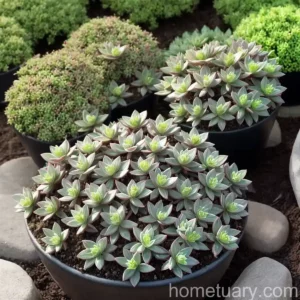
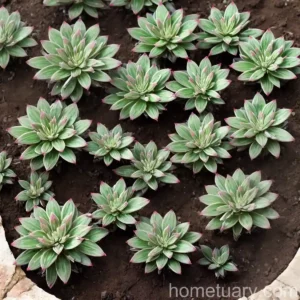
Sedum ‘Matrona’, commonly known as Stonecrop, is a perennial succulent plant that belongs to the Crassulaceae family. With its origin in Europe, this plant has now become popular worldwide due to its low maintenance and ornamental features. Characterized by fleshy leaves and vibrant flowers, Sedum ‘Matrona’ is known for its ability to thrive in various growing conditions, making it a versatile and resilient addition to gardens, landscapes, and even container gardens.
Key Takeaways – Sedum ‘Matrona’
Culture
- Origin: Europe
- Family: Crassulaceae
- Type: Perennial succulent
Uses
- Ornamental purposes
- Landscaping
- Ground cover
- Container gardening
Water
- Requirements: Moderate
- Drought Tolerance: High
- Watering Frequency: Infrequent once established
Sunlight
- Needs: Full sun to partial shade
- Tolerance: Thrives in sunny environments
Fertilizer
- Frequency: Once a year in spring
- Type: Balanced fertilizer
Soil
- Preference: Well-draining
- Composition: Sandy or loamy soil
- pH Level: Neutral to slightly acidic
Pruning
- Maintenance: Low
- Season: Spring
- Purpose: Control growth and shape
Propagation
- Methods: Division, stem cuttings, leaf cuttings
- Time: Spring or early summer
Container Popularity
- Well-suited for container gardening
- Thrives in various container sizes
Common Diseases
- Issues: Root rot, powdery mildew
- Prevention: Proper drainage, airflow
Disease Diagnosis
- Key symptoms and identification techniques
Common Pests
- Challenges: Aphids, mealybugs
- Control: Organic solutions, beneficial insects
Botanist’s Tips
- Expert insights and advice on cultivating Sedum ‘Matrona’
Fun Facts
- Intriguing and lesser-known details about Sedum ‘Matrona’
Sedum ‘Matrona’ Care
How to Grow Sedum ‘Matrona’
The process of growing Sedum ‘Matrona’ involves providing it with suitable growing conditions, including soil, sunlight, and water. Follow these step-by-step guidelines for successful cultivation:
1. Selecting a Location: Choose a spot with well-draining soil and ample sunlight. Sedum ‘Matrona’ thrives in full sun to partial shade.
2. Soil Preparation: Ensure the soil is well-draining, preferably sandy or loamy. Amend the soil with organic matter for improved fertility.
3. Planting: Dig a hole slightly larger than the root ball of the plant. Place the plant in the hole and backfill with soil, gently firming it around the base.
4. Watering: Provide sufficient water after planting to help the roots establish. Once established, water infrequently, allowing the soil to dry out between waterings.
5. Fertilization: Apply a balanced fertilizer in the spring to support healthy growth and blooming.
Sedum ‘Matrona’ Propagation
Propagating Sedum ‘Matrona’ can be achieved through various methods, offering the opportunity to expand your plant collection or share with fellow gardening enthusiasts:
– Division: During the early spring, carefully divide the root ball of an established plant and replant the divisions in desired locations.
– Stem Cuttings: Snip healthy stems from the plant and allow them to callous before planting in well-draining soil.
– Leaf Cuttings: Take individual leaves from the plant and place them on a suitable growing medium to develop new roots.
Sedum ‘Matrona’ Pruning
Pruning is an essential aspect of maintaining the health and appearance of Sedum ‘Matrona’. Follow these guidelines for effective pruning:
– Timing: Perform pruning in the spring before new growth emerges.
– Technique: Trim back any dead or damaged foliage. Control the height of the plant to maintain a tidy and compact form.
– Deadheading: Remove spent flower heads to encourage continuous blooming and prevent self-seeding.
Sedum ‘Matrona’ Water Requirements
Understanding the water needs of Sedum ‘Matrona’ is crucial for promoting healthy growth and preventing water-related issues. Consider the following aspects:
– Moderate Watering: Provide regular water during the establishment phase. Once established, water infrequently to mimic its natural drought-resistant habitat.
– Drought Tolerance: Sedum ‘Matrona’ exhibits high tolerance to dry conditions, making it suitable for water-wise landscaping and low-maintenance gardens.
– Signs of Overwatering: Monitor the plant for signs of overwatering, such as wilting, yellowing leaves, or root rot.
Sedum ‘Matrona’ Sunlight Needs
Proper sunlight exposure is vital for the overall well-being and blooming of Sedum ‘Matrona’. Consider the following sunlight requirements:
– Full Sun to Partial Shade: Place the plant in a location that receives at least six hours of direct sunlight daily for optimal growth and flowering.
– Sunlight Intensity: Sedum ‘Matrona’ thrives in sunny environments and can tolerate intense sunlight, making it an excellent choice for sunny landscapes.
Sedum ‘Matrona’ Soil Preferences
The right soil conditions play a significant role in the success of growing Sedum ‘Matrona’. Consider the following recommendations for soil preferences:
– Well-Draining Soil: Ensure the soil has excellent drainage to prevent waterlogging, which can lead to root rot and other issues.
– Soil Composition: Opt for sandy or loamy soil, enriched with organic matter to promote a healthy root system and overall growth.
– pH Level: Aim for a neutral to slightly acidic pH level, which is conducive to the plant’s nutrient uptake and overall health.
Sedum ‘Matrona’ Container Gardening
Utilizing containers for growing Sedum ‘Matrona’ offers versatility and convenience, allowing it to thrive in various settings and spaces:
– Container Selection: Choose containers with adequate drainage holes and a size that accommodates the plant’s root system.
– Growth Medium: Use well-draining potting mix to ensure proper aeration and moisture control.
– Maintenance: Regularly check and adjust the soil moisture levels to accommodate the plant’s water needs, especially during hot and dry periods.
Sedum ‘Matrona’ Disease Resistance
While generally resilient, Sedum ‘Matrona’ may encounter certain diseases that can be managed through preventative measures and timely interventions:
– Common Diseases: Keep an eye out for signs of root rot and powdery mildew, especially in poorly drained or humid conditions.
– Preventative Care: Ensure proper soil drainage and good airflow around the plant to minimize the risk of disease development.
Sedum ‘Matrona’ Pests
Pest management is essential for preserving the health and appearance of Sedum ‘Matrona’, with specific attention to common pests:
– Pest Challenges: Watch out for aphids and mealybugs, particularly during the growing season. Swift action can prevent infestations from causing significant damage.
– Organic Solutions: Consider using natural and organic pest control methods to address pest issues while minimizing environmental impact.
Sedum ‘Matrona’ Fun Facts
Uncover the intriguing and delightful aspects of Sedum ‘Matrona’ through the following fun and lesser-known details:
– Wildlife Attraction: The vibrant flowers of Sedum ‘Matrona’ are known to attract butterflies, adding a charming and dynamic element to the garden.
– Low Maintenance: With its low maintenance requirements and resilience to harsh conditions, Sedum ‘Matrona’ is an ideal choice for busy gardeners or those seeking effortless beauty.
– Seasonal Interest: Beyond its attractive blooms, Sedum ‘Matrona’ offers visual interest through its foliage color and texture, making it an appealing choice for year-round enhancement in the garden.
Links to External Resources
Explore the following resources to expand your knowledge and appreciation of Sedum ‘Matrona’ (Stonecrop):
1. The Royal Horticultural Society – Sedum ‘Matrona’
2. Missouri Botanical Garden – Sedum ‘Matrona’
3. University of Florida IFAS Extension – Sedum for Florida Landscapes
4. American Horticultural Society – Sedum (Stonecrop)
5. North Carolina Cooperative Extension – Growing Sedum in the Landscape
Conclusion
Sedum ‘Matrona’ (Stonecrop) stands as an exceptional and resilient plant, offering an array of ornamental and practical benefits for gardeners and landscapers. Its adaptability, low maintenance, and captivating features make it a versatile choice for various gardening and landscaping applications. By understanding its cultural requirements, propagation methods, disease and pest management, and other essential aspects, you can elevate your gardening experience and witness the enduring beauty of Sedum ‘Matrona’ in your outdoor spaces.
Expand your horizons and cultivate a deeper appreciation for the enchanting world of Sedum ‘Matrona’, where every leaf and bloom tells a story of resilience, allure, and natural inspiration.
Remember, the journey of nurturing Sedum ‘Matrona’ is one filled with joy, knowledge, and the ever-enduring beauty of plants.
References
- [1] Royal Horticultural Society. (n.d.). Sedum ‘Matrona’ (v). Retrieved from https://www.rhs.org.uk/Plants/280107/i-Sedum-i-Matrona-(v)/Details
- [2] Missouri Botanical Garden. (n.d.). Sedum ‘Matrona’. Retrieved from https://www.missouribotanicalgarden.org/PlantFinder/PlantFinderDetails.aspx?taxonid=278701&isprofile=0&
- [3] University of Florida IFAS Extension. (n.d.). Sedum for Florida Landscapes. Retrieved from https://edis.ifas.ufl.edu/ep567
- [4] American Horticultural Society. (n.d.). Sedum (Stonecrop). Retrieved from https://ahsgardening.org/gardening-resources/plant-database/sedum/
- [5] North Carolina Cooperative Extension. (n.d.). Growing Sedum in the Landscape. Retrieved from https://content.ces.ncsu.edu/sedum-species-for-green-roof-systems-and-landscapes