Sedum ‘Autumn Fire’ (Stonecrop): A Comprehensive Plant Care Guide
As a plant scientist, I am excited to share in-depth insights and practical tips for cultivating and caring for Sedum ‘Autumn Fire’ (Stonecrop). This remarkable plant offers a host of benefits and features, making it a popular choice for diverse landscaping needs. From its unique growth habits to its landscape benefits, this guide covers all aspects of Sedum ‘Autumn Fire’ care to help both beginners and experienced gardeners successfully nurture this plant in their outdoor or indoor spaces.
What is Sedum ‘Autumn Fire’ (Stonecrop)?
Sedum ‘Autumn Fire’, also known as Stonecrop, is a perennial succulent plant prized for its stunning ornamental features and ease of care. It belongs to the Sedum genus within the Crassulaceae family, encompassing a diverse group of fleshy-leaved plants known for their resilience and adaptability.
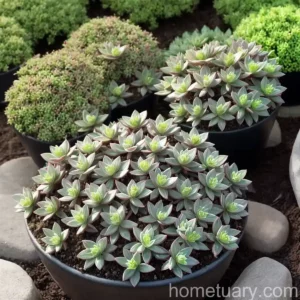
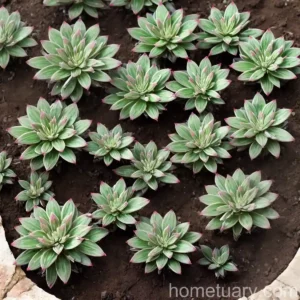
This particular cultivar, ‘Autumn Fire’, is renowned for its vibrant display of foliage and flowers, especially during the fall season. Its compact, upright habit and fleshy, blue-green leaves add visual interest to landscapes, while its clusters of star-shaped, pinkish-red flowers attract pollinators, making it an excellent choice for pollinator gardens.
Key Takeaways – Sedum ‘Autumn Fire’ (Stonecrop)
Before delving into the specific care requirements for Sedum ‘Autumn Fire’, let’s cover the key takeaways that will be explored in detail:
- Culture: Understanding the cultural preferences and growth habits of Sedum ‘Autumn Fire’.
- Uses: Exploring the versatile uses of this plant in various garden settings.
- Water: Addressing the water requirements and best practices for watering this succulent.
- Sunlight: Identifying the sunlight needs and ideal light conditions for optimal growth.
- Fertilizer: Providing insights into fertilization techniques to support the plant’s health.
- Soil: Discussing the soil preferences and suitable soil conditions for Sedum ‘Autumn Fire’.
- Pruning: Offering guidance on pruning methods and timing for maintaining the plant’s shape.
- Propagation: Exploring effective propagation methods to expand your plant collection.
- Container Popularity: Highlighting the suitability of Sedum ‘Autumn Fire’ for container gardening.
- Common Diseases: Identifying potential diseases and their management to safeguard plant health.
- Disease Diagnosis: Equipping readers with the knowledge to identify and address plant diseases.
- Common Pests: Addressing common pests that may affect Sedum ‘Autumn Fire’ and pest control measures.
- Botanist’s Tips: Providing expert tips and insights for successful cultivation and care.
- Fun Facts: Sharing intriguing and lesser-known facts about Sedum ‘Autumn Fire’.
- Links to External Resources: Offering curated links to external sources for further exploration and learning.
Now, let’s dive into each of these aspects in detail to gain a comprehensive understanding of ensuring the thriving growth of Sedum ‘Autumn Fire’ in diverse garden settings.
Culture
Understanding the cultural preferences of Sedum ‘Autumn Fire’ is essential for creating an environment that promotes its healthy growth and stunning aesthetic appeal. These factors encompass various aspects, including planting guide, growth habits, and ideal care practices tailored to the plant’s unique characteristics.
Planting Guide
Planting Sedum ‘Autumn Fire’ involves careful consideration of its space and environmental needs to ensure successful establishment and flourishing growth. Whether you’re incorporating it into a garden bed, rock garden, or container, following these planting guidelines is crucial:
- Selecting a Suitable Location: Choose a site with well-draining soil and ample sunlight exposure, ideally at least 6 hours of direct sunlight per day.
- Soil Preparation: Ensure the soil is well-draining and amend with organic matter if needed to improve fertility and drainage.
- Spacing: When planting multiple Sedum ‘Autumn Fire’ specimens, space them approximately 18-24 inches apart to allow for their spreading habit and facilitate air circulation.
- Season for Planting: Spring or early summer is an ideal time for planting Sedum ‘Autumn Fire’, allowing ample time for root establishment before the onset of winter.
By adhering to these fundamental guidelines, you can set the stage for vibrant and resilient growth, maximizing the plant’s ornamental value in your landscape.
Growth Habits
The growth habits of Sedum ‘Autumn Fire’ contribute to its visual appeal and suitability for specific landscaping applications. Understanding these habits enables gardeners to leverage the plant’s unique characteristics effectively. Key considerations related to its growth habits include:
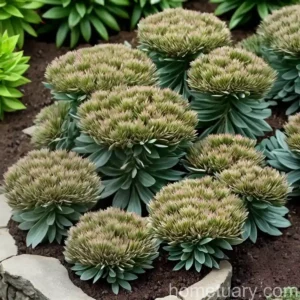
- Upright Habit: ‘Autumn Fire’ exhibits a compact, upright growth habit, forming dense mounds of foliage that provide textural interest in garden beds and containers.
- Seasonal Changes: The plant undergoes notable color changes throughout the seasons, with foliage transitioning from blue-green to hues of red and copper during the fall, enhancing its visual allure.
- Flowering Behavior: During late summer and early fall, Sedum ‘Autumn Fire’ produces clusters of star-shaped, pinkish-red flowers, attracting pollinators and adding a colorful accent to the landscape.
As we explore the plant’s care requirements, these growth habits will feature prominently in optimizing its overall health and appearance.
Uses
The versatile uses of Sedum ‘Autumn Fire’ make it a prized addition to diverse garden settings, ranging from traditional landscape beds and borders to unique applications such as container gardening and rooftop gardens. Understanding its versatility allows gardeners to harness its beauty in myriad ways:
- Landscape Beds and Borders: ‘Autumn Fire’ serves as an excellent component of perennial beds and mixed borders, providing a reliable source of color and texture throughout the growing season.
- Rock Gardens: Its resilience and low-maintenance nature make it an ideal rock garden plant, offering an attractive display while thriving in the well-draining conditions typical of such environments.
- Container Gardening: The compact habit of Sedum ‘Autumn Fire’ lends itself well to container cultivation, adding an impactful ornamental element to patio, balcony, or terrace spaces.
- Pollinator Gardens: With its late-season blooms, this plant contributes to pollinator-friendly gardens, attracting bees, butterflies, and other beneficial insects.
- Erosion Control: The spreading nature of ‘Autumn Fire’ makes it effective in stabilizing soil on slopes, providing both aesthetic appeal and functional benefits.
By recognizing the diverse uses of Sedum ‘Autumn Fire’, gardeners can unleash its potential in crafting visually striking and ecologically beneficial garden compositions.
Water
Watering requirements constitute a fundamental aspect of plant care, and understanding the specific water needs of Sedum ‘Autumn Fire’ is essential for preventing overwatering, which can be detrimental to its health and vigor. The following guidelines offer insights into effective watering practices:
Water Requirements
- Establishment Phase: After planting, provide regular watering to facilitate root establishment, ensuring that the soil remains consistently moist but not waterlogged. Once established, the plant displays better drought tolerance, necessitating less frequent watering.
- Seasonal Considerations: During the active growing season, provide moderate watering, allowing the soil to dry out partially between waterings. In contrast, reduce watering in late fall to prepare the plant for winter dormancy.
- Winter Care: While ‘Autumn Fire’ exhibits good cold tolerance, it’s essential to monitor winter moisture levels, especially in regions experiencing prolonged periods of winter precipitation. Ensure the soil is not excessively wet, as this can lead to root rot in cold, dormant conditions.
By aligning watering practices with the plant’s specific requirements, gardeners can promote healthy growth while conserving water resources and minimizing the risk of water-related issues.
Sunlight
Sedum ‘Autumn Fire’ thrives in bright sunlight and benefits from ample exposure to direct sunlight, making it well-suited for gardens and landscapes characterized by sunny conditions. Understanding its sunlight needs is pivotal for optimizing its growth and ornamental qualities:
Sunlight Requirements
- Full Sun Exposure: ‘Autumn Fire’ excels in locations with full sun exposure, typically defined as at least 6 hours of direct sunlight per day. In such settings, it exhibits vibrant foliage coloration and abundant flowering, showcasing its ornamental potential.
- Partial Shade Tolerance: While it prefers full sun, this Sedum cultivar can tolerate partial shade, especially in regions with intense summer heat. In such cases, providing morning sun and afternoon shade can help maintain its vitality.
- Light Intensity: The quality and intensity of sunlight influence the plant’s growth habit and coloration, with bright sunlight enhancing its visual appeal and promoting robust growth.
By ensuring that Sedum ‘Autumn Fire’ receives the appropriate sunlight exposure, gardeners can unleash its full ornamental potential and foster its overall health in the landscape.
Fertilizer
Fertilization plays a vital role in supporting the growth and flowering performance of Sedum ‘Autumn Fire’, providing essential nutrients to sustain its vigor and ornamental appeal. Understanding the fertilization requirements and techniques tailored to this plant is crucial for achieving optimal results:
Fertilizer Application
- Nutrient Needs: Sedum ‘Autumn Fire’ benefits from a balanced, slow-release fertilizer formulated for flowering perennials or succulent plants. Opt for a formulation with a higher phosphorus content to support flower production.
- Timing: Apply fertilizer in early spring as new growth emerges, ensuring that it’s distributed evenly around the plant’s base. Refrain from fertilizing late in the growing season, as this can interfere with the plant’s dormancy preparation.
- Frequency: For established plants, a single application of fertilizer in spring is often adequate. Resist the temptation to over-fertilize, as excessive nutrients can lead to overly lush growth and diminished flowering.
By adhering to these practices, gardeners can provide the necessary nutritional support to promote robust growth, vibrant foliage, and abundant flowering in Sedum ‘Autumn Fire’.
Soil
Understanding the soil preferences and suitable soil conditions for Sedum ‘Autumn Fire’ enables gardeners to create an environment conducive to its healthy establishment and sustained growth. The following considerations shed light on the plant’s soil requirements:
Soil Characteristics
- Well-Draining Soil: ‘Autumn Fire’ thrives in well-draining soil, displaying sensitivity to excess moisture and the risk of root rot in poorly drained or waterlogged conditions.
- Soil Amendments: Amending the soil with organic matter such as compost or well-decomposed manure enhances its fertility and drainage, creating an optimal rooting environment for the plant.
- Soil pH: While adaptable to a range of soil pH levels, this Sedum cultivar generally prefers neutral to slightly alkaline soil, falling within the 6.5-7.5 pH range.
By ensuring that the soil meets these criteria, gardeners can create an ideal foundation for the healthy growth and resilience of Sedum ‘Autumn Fire’ in various garden settings.
Pruning
Pruning plays a pivotal role in maintaining the shape, vigor, and ornamental appeal of Sedum ‘Autumn Fire’, and understanding the ideal pruning techniques and timing is crucial for effective plant management. The following insights delve into the aspects of pruning this versatile succulent:
Pruning Tips
- Spring Pruning: In early spring, remove any damaged, withered, or dead foliage and stems to promote new growth and enhance the plant’s overall appearance.
- Deadheading: After the flowering period, deadhead the spent flower clusters to encourage continued blooming and prevent self-seeding, redirecting the plant’s energy towards vegetative growth and potential reblooming.
- Pruning for Maintenance: To maintain a neat and compact habit, lightly prune the plant as needed throughout the growing season, focusing on removing leggy or excessively vigorous growth.
By incorporating these pruning practices into the care regimen, gardeners can uphold the aesthetic appeal and sustainable health of Sedum ‘Autumn Fire’ in their landscapes.
Propagation
Expanding your collection of Sedum ‘Autumn Fire’ or sharing this remarkable plant with others involves harnessing effective propagation methods tailored to its natural growth habits and physiological traits. The following methods offer practical approaches to propagate this plant successfully:
Propagation Methods
- Division: Divide mature clumps of Sedum ‘Autumn Fire’ in early spring, carefully separating the root system and ensuring that each division possesses healthy roots and shoots for transplanting.
- Stem Cuttings: Obtain stem cuttings in late spring or early summer, allowing the cut ends to callus before planting them in well-draining potting mix for root development.
- Leaf Propagation: Propagate ‘Autumn Fire’ from individual leaves by laying them on a suitable rooting medium until they produce new plantlets, subsequently establishing them in potting soil to form new plants.
By employing these propagation techniques, gardeners can expand their Sedum ‘Autumn Fire’ collection and share the beauty and resilient nature of this succulent with fellow gardening enthusiasts.
Container Popularity
The adaptability and ornamental appeal of Sedum ‘Autumn Fire’ make it a popular choice for container gardening, offering a multitude of advantages and creative possibilities for enhancing outdoor and indoor spaces. Embracing its suitability for containers unlocks several exciting opportunities:
Container Gardening Benefits
- Versatile Design Element: Incorporate ‘Autumn Fire’ into container compositions as a focal point plant or as part of mixed succulent arrangements, showcasing its unique growth habits and seasonal color changes.
- Limited Space Solution: Ideal for small gardens, balconies, or patios, container-grown ‘Autumn Fire’ allows gardeners to enjoy its beauty and resilience within confined spaces.
- Seasonal Flexibility: Containers provide the flexibility to move the plants to different locations based on sunlight and weather conditions, ensuring their optimal growth and visual impact.
- Indoor Cultivation: For those with limited outdoor gardening space, cultivating Sedum ‘Autumn Fire’ in containers indoors allows for year-round enjoyment of its ornamental attributes.
By embracing the potential of container gardening with Sedum ‘Autumn Fire’, gardeners can create captivating displays and explore innovative ways to incorporate this plant into their living spaces.
Common Diseases
Adopting proactive measures to safeguard the health and vitality of Sedum ‘Autumn Fire’ involves understanding potential diseases that may affect this plant and implementing strategies for disease prevention and management. By familiarizing yourself with these common diseases, you can address any issues promptly and effectively.
Disease Resistance
- Powdery Mildew: While generally resilient to most diseases, ‘Autumn Fire’ may exhibit susceptibility to powdery mildew under prolonged periods of high humidity. Adequate airflow and suitable cultural practices can mitigate this issue.
- Root Rot: Overwatering or poorly drained soil can lead to root rot, affecting the plant’s overall health. Avoiding waterlogged conditions and ensuring proper soil drainage are essential for preventing this disease.
Maintaining vigilant monitoring and implementing proactive measures can effectively safeguard Sedum ‘Autumn Fire’ from potential disease pressures and support its long-term health and performance in the landscape.
Disease Diagnosis
Recognizing the symptoms and signs of potential diseases affecting Sedum ‘Autumn Fire’ is crucial for timely intervention and successful disease management. By familiarizing yourself with these diagnostic indicators, you can address disease concerns promptly:
Diagnostic Indicators
- Powdery Mildew: Look for the presence of a powdery, white coating on the surfaces of leaves, indicating the onset of powdery mildew. Additionally, monitor for leaf distortion or premature leaf drop.
- Root Rot: Observe the plant for signs of wilting, stunted growth, or yellowing foliage, often indicative of root rot caused by excessive soil moisture or poor drainage.
Early detection coupled with appropriate mitigation measures is instrumental in minimizing the impact of diseases and preserving the health and beauty of Sedum ‘Autumn Fire’.
Common Pests
Pest infestations can compromise the vigor and visual appeal of Sedum ‘Autumn Fire’, underscoring the importance of vigilant monitoring and proactive pest control measures to preserve the plant’s health and ornamental value. Recognizing common pests and their control strategies is crucial for effective pest management:
Pest Control Measures
- Aphids: Monitor for the presence of aphids, particularly on the tender new growth and flower clusters. Utilize insecticidal soaps or horticultural oils to control infestations and minimize damage to the plant.
- Mealybugs: Inspect the plant for cottony, waxy secretions on the foliage or stems, signaling the presence of mealybugs. Removing them manually or employing natural predators can help manage their populations effectively.
By identifying potential pest threats and implementing targeted control measures, gardeners can mitigate pest-related challenges and nurture the thriving growth of Sedum ‘Autumn Fire’.
Botanist’s Tips
Drawing from a wealth of botanical knowledge and practical experience, a collection of expert tips and insights tailored to Sedum ‘Autumn Fire’ care offers valuable guidance for gardeners seeking to optimize the plant’s growth and ornamental appeal:
Expert Insights
- Cultural Adaptability: Embrace the adaptability of ‘Autumn Fire’ to various climatic conditions and soil types, making it a versatile choice for diverse landscapes and garden settings.
- Seasonal Monitoring: Regularly monitor the plant’s performance across the seasons, paying attention to changes in foliage color, flowering patterns, and overall vigor.
- Landscape Design: Explore the plant’s potential as a landscape focal point, groundcover, or container specimen, leveraging its unique growth habits and showy seasonal displays.
- Pollinator Support: Appreciate the role of ‘Autumn Fire’ in supporting pollinator populations, particularly during the late summer and early fall, contributing to ecological balance within the garden.
- Low-Maintenance Appeal: Emphasize the low-maintenance nature of this succulent, requiring minimal intervention while offering enduring ornamental value and seasonal interest.
By embracing these botanical insights, gardeners can harness practical wisdom and effective strategies to create a thriving environment for the sustained growth and beauty of Sedum ‘Autumn Fire’.
Fun Facts
Exploring intriguing and lesser-known facts about Sedum ‘Autumn Fire’ enriches the appreciation for this remarkable plant and fosters a deeper connection with its ornamental attributes and ecological significance. Uncover the following fun facts that add to the allure of this plant:
Fascinating Tidbits
- Ornamental Traditions: ‘Autumn Fire’ has a long history of use in traditional medicine, attributed to its purported healing properties and therapeutic applications.
- Succulent Adaptations: The fleshy leaves of Sedum ‘Autumn Fire’ serve as water reservoirs, enabling the plant to withstand periods of drought and thrive in arid environments.
- Seasonal Transitions: The vibrant color changes exhibited by ‘Autumn Fire’ during the fall months reflect its physiological adaptation to seasonal shifts, captivating gardeners and nature enthusiasts alike.
By delving into these fun facts, individuals can gain a deeper appreciation for the ecological marvels and aesthetic allure embodied by Sedum ‘Autumn Fire’, highlighting its significance in diverse cultural, horticultural, and ecological contexts.
Links to External Resources
Engaging with reputable external resources can further enhance one’s understanding and proficiency in caring for Sedum ‘Autumn Fire’, providing valuable insights, visual references, and expert guidance. Explore the following curated links to supplement your knowledge and expertise:
- Plant Care Guides: The Spruce – Sedum ‘Autumn Fire’ Care Guide
- Propagation Techniques: [The Old Farmer’s Almanac – Prop