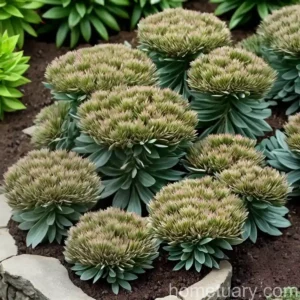
Sedum telephium ‘Xenox’ (Stonecrop): A Comprehensive Guide for Plant Enthusiasts
As a plant scientist, I’m thrilled to delve into the intricacies of Sedum telephium ‘Xenox’, commonly known as “Stonecrop Xenox”. This versatile and charming plant is cherished by gardeners and landscaping enthusiasts for its unique characteristics, resilience, and aesthetic appeal. In this comprehensive guide, we’ll explore the culture, uses, care, and captivating features of Sedum telephium ‘Xenox’, equipping plant aficionados with invaluable insights for nurturing and incorporating this remarkable species into their gardening endeavors.
What is Sedum telephium ‘Xenox’ (Stonecrop)?
Sedum telephium ‘Xenox’, belonging to the Crassulaceae family, is a herbaceous perennial with origins in Europe and Asia. This attractive plant is renowned for its robust nature, making it an excellent choice for various landscaping and gardening applications. With its striking foliage and stunning flower clusters, Stonecrop ‘Xenox’ has become a favored addition to both formal and naturalistic landscapes.
Let’s embark on a fascinating journey to unravel the captivating attributes and practical aspects of this remarkable plant.
Key Takeaways – Sedum telephium ‘Xenox’ (Stonecrop)
Culture
- Scientific Name: Sedum telephium ‘Xenox’
- Common Name: Stonecrop Xenox
- Family: Crassulaceae
- Type: Herbaceous Perennial
Uses
- Landscaping
- Groundcover
- Erosion Control
- Container Gardening
Water
- Moderate Watering Needs
- Well-Draining Soil
Sunlight
- Full Sun to Partial Shade
Fertilizer
- Low to Moderate Fertilization requirements
- Balanced Fertilizer Application
Soil
- Well-Draining Soil
- Tolerant of Various Soil Types
Pruning
- Minimal Pruning Requirements
- Pruning for Aesthetic Maintenance
Propagation
- Division
- Stem Cuttings
Container Popularity
- Well-Suited for Containers and Planters
Common Diseases
- Powdery Mildew
- Root Rot
Disease Diagnosis
- Monitoring for Symptoms
- Prompt Intervention
Common Pests
- Aphids
- Snails and Slugs
Botanist’s Tips
- Suitable for Rock Gardens
- Drought-Tolerant
Fun Facts
- Attracts Butterflies and Pollinators
- Offers Winter Interest with Evergreen Foliage
Links to External Resources
- Royal Horticultural Society – Sedums
- The Spruce – How to Grow and Care for Sedum
- Missouri Botanical Garden – Sedum Telephium ‘Xenox’
With these key takeaways in mind, let’s further explore the captivating nuances of nurturing and enjoying Sedum telephium ‘Xenox’ in various horticultural settings.
Plant Name: Sedum telephium ‘Xenox’ (Stonecrop)
In the subsequent sections, we’ll delve into the intricacies of caring for Sedum telephium ‘Xenox’, providing a comprehensive planting guide, maintenance tips, and insights on leveraging its unique characteristics in landscaping and gardening applications.
Description of Sedum telephium ‘Xenox’
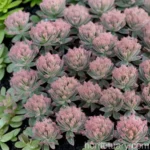
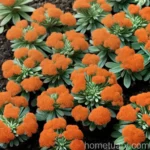
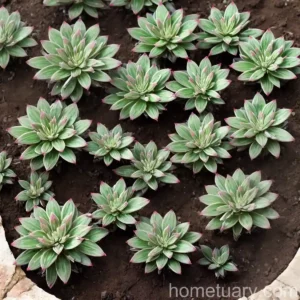
Sedum telephium ‘Xenox’ is renowned for its compact, clump-forming growth habit and captivating foliage. Its dense, succulent leaves exhibit a deep, burgundy hue, which intensifies in color under ample sunlight, lending visual interest to any garden arrangement. Additionally, during late summer through fall, Sedum ‘Xenox’ showcases stunning clusters of pink flowers, further enhancing its ornamental appeal and drawing attention from pollinators.
Growing Sedum telephium ‘Xenox’
As a low-maintenance perennial, Sedum telephium ‘Xenox’ thrives in diverse climatic conditions and is generally adaptable to various soil types. With its preference for well-draining soil and moderate watering, this resilient plant is well-suited for both novice and experienced gardeners seeking a reliable addition to their outdoor spaces.
Stonecrop ‘Xenox’ Landscaping Ideas
The exceptional characteristics of Sedum telephium ‘Xenox’ make it a versatile and valuable asset in landscaping designs. Whether employed as a groundcover to combat soil erosion or utilized in rock gardens to introduce textural diversity, Stonecrop Xenox’s adaptability and aesthetic virtues make it an excellent choice for an array of landscaping settings.
Sedum ‘Xenox’ Varieties
While Sedum telephium ‘Xenox’ stands out for its captivating foliage and vibrant blooms, it is worth exploring other Sedum varieties to broaden your horticultural palette and enrich your garden’s visual tapestry. Varieties such as Sedum ‘Autumn Joy’ and Sedum ‘Purple Emperor’ offer unique characteristics and can be integrated alongside Sedum ‘Xenox’ to create captivating garden compositions.
Stonecrop ‘Xenox’ Pruning Techniques
Pruning Sedum telephium ‘Xenox’ primarily revolves around maintaining its shape and aesthetic appeal. Deadheading spent flowers and removing any damaged or withered foliage can promote the plant’s overall vigor and encourage successive blooms, contributing to a visually appealing landscape throughout the growing season.
Sedum telephium ‘Xenox’ Watering Needs
Being relatively tolerant of drought, Sedum telephium ‘Xenox’ has moderate watering needs. This resilience is a valuable attribute, especially in landscapes where water conservation is a priority. When establishing newly planted Stonecrop ‘Xenox’, ensuring adequate hydration is essential until its root system becomes firmly established in the surrounding soil.
Sedum telephium ‘Xenox’ Sunlight Requirements
Thriving in full sun to partial shade, Sedum telephium ‘Xenox’ exhibits its best growth and coloration under ample sunlight. By strategically situating this plant in locations that receive sufficient sunlight, you can fully harness its potential and enjoy its vibrant foliage and blooming displays as integral components of your landscape design.
Stonecrop ‘Xenox’ Soil Preferences
The adaptability of Sedum telephium ‘Xenox’ is further evident in its capacity to thrive in various soil types, as long as they are well-draining. Utilizing raised beds or incorporating organic matter into the soil can aid in enhancing drainage and creating an optimal growing environment for Stonecrop Xenox.
Sedum telephium ‘Xenox’ Propagation Methods
The propagation of Sedum telephium ‘Xenox’ can be achieved through division or stem cuttings, providing gardeners with opportunities to expand their plantings and share the beauty of Stonecrop Xenox with fellow enthusiasts. These propagation methods offer practical means to multiply this distinctive plant and integrate it into different areas of the landscape.
Sedum Xenox Uses in Gardens
In gardens, Sedum telephium ‘Xenox’ serves a multitude of purposes, ranging from ornamental focal points to functional elements in ecological and sustainable landscape designs. Whether employed as a groundcover to create captivating swaths of color or incorporated into pollinator gardens to attract beneficial insects, the versatility of Stonecrop Xenox makes it a valuable asset in diverse garden compositions.
Stonecrop ‘Xenox’ Container Gardening
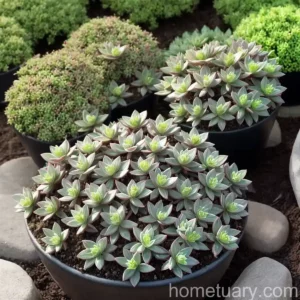
Sedum telephium ‘Xenox’ is well-suited for container gardening, offering gardeners the opportunity to introduce its captivating features to patios, balconies, and other outdoor spaces. When selecting containers for planting Stonecrop Xenox, ensuring adequate drainage and employing lightweight, well-aerated potting mixes can contribute to the successful cultivation of this resilient plant in container gardens.
Sedum telephium ‘Xenox’ Disease Prevention
While generally resilient, Sedum telephium ‘Xenox’ may be susceptible to specific diseases such as powdery mildew and root rot. Employing proper cultural practices, including sufficient air circulation and watering at the base of the plant, can aid in preventing the onset of these diseases and promoting the overall health of Stonecrop Xenox.
Sedum Xenox Pests and Control
Aphids and snails are among the potential pests that may pose challenges to Sedum telephium ‘Xenox’. Vigilant monitoring and prompt intervention, such as utilizing insecticidal soaps or physical removal of pests, can help safeguard this remarkable plant from pest-related issues, thereby preserving its ornamental value in the landscape.
Stonecrop ‘Xenox’ Companion Plants
Leveraging the captivating attributes of Sedum telephium ‘Xenox’, gardeners can explore diverse companion plants to create visually striking and harmonious garden compositions. Species such as Echinacea purpurea, Rudbeckia fulgida, and ornamental grasses can complement the aesthetic qualities of Stonecrop ‘Xenox’, contributing to well-balanced and captivating landscapes.
Sedum telephium ‘Xenox’ Seasonal Care
Ongoing seasonal care for Sedum telephium ‘Xenox’ encompasses activities such as monitoring its water and sunlight needs, addressing any potential pest or disease issues, and making aesthetic adjustments through minor pruning as needed. By integrating attentive seasonal care practices, gardeners can ensure the sustained vitality and appeal of Stonecrop Xenox throughout the year.
Sedum Xenox Hardiness Zone
Sedum telephium ‘Xenox’ exhibits hardiness across select USDA hardiness zones, with its exceptional adaptability enhancing its suitability for various climatic conditions. Consider consulting local hardiness zone maps to ascertain the compatibility of Stonecrop Xenox with the prevailing climate in your area before integrating it into your landscape designs.
Stonecrop ‘Xenox’ Drought Tolerance
The remarkable drought tolerance of Sedum telephium ‘Xenox’ is a highly prized attribute, particularly in landscaping designs characterized by water conservation and sustainable practices. This resilience in the face of dry conditions underscores the value of Stonecrop Xenox as a low-maintenance and environmentally conscious addition to gardens and landscapes.
Sedum telephium ‘Xenox’ Landscape Design
Sedum telephium ‘Xenox’ can be artfully integrated into diverse landscape designs, ranging from formal to naturalistic, and from residential to commercial settings. Its versatility, adaptability, and visual appeal make Stonecrop ‘Xenox’ an excellent candidate for creating engaging and enduring landscape compositions that cater to a spectrum of horticultural preferences.
Sedum Xenox Ground Cover Benefits
Embracing the ground cover potential of Sedum telephium ‘Xenox’ offers a multitude of benefits, including erosion control, weed suppression, and the introduction of captivating color and texture to landscape settings. These benefits, together with the plant’s low-maintenance nature, position Stonecrop Xenox as a valuable asset in accentuating and enriching outdoor spaces.
Stonecrop ‘Xenox’ Pollinator Attractant
Sedum telephium ‘Xenox’ is appreciated for its ability to attract an array of beneficial pollinators, including butterflies and bees, contributing to the ecological value and biodiversity of gardens and landscape environments. By incorporating Stonecrop Xenox into pollinator-friendly garden plans, gardeners can actively support and promote the well-being of local pollinator populations.
Sedum telephium ‘Xenox’ Foliage Color
The distinctive deep burgundy foliage of Sedum telephium ‘Xenox’ serves as a focal point in garden compositions, offering a rich and alluring contrast to surrounding plantings. Under appropriate growing conditions, the vibrant foliage of Stonecrop ‘Xenox’ remains visually captivating throughout the growing season, enhancing the overall ornamental allure of landscapes.
Sedum Xenox Flower Characteristics
The flowers of Sedum telephium ‘Xenox’ emerge in late summer, showcasing enchanting clusters of pink blooms that further augment the plant’s ornamental value. These delightful floral displays contribute to the visual dynamism and seasonal interest of Stonecrop Xenox, imparting an enchanting aura to garden landscapes.
Stonecrop ‘Xenox’ Blooming Period
Sedum telephium ‘Xenox’ typically blooms from late summer to fall, ensuring a captivating floral display as the gardening season transitions. This blooming period, characterized by the emergence of pink flower clusters, presents opportunities for incorporating the seasonal charm of Stonecrop ‘Xenox’ into late-season garden designs.
Sedum telephium ‘Xenox’ Plant Size
The mature size of Sedum telephium ‘Xenox’ typically ranges from 12 to 18 inches in height, with a similar spread, rendering it well-suited for various garden and landscape contexts. Its compact growth habit and well-behaved nature further enhance the versatility of Stonecrop Xenox in accommodating a spectrum of horticultural applications.
Sedum Xenox Growth Habit
The growth habit of Sedum telephium ‘Xenox’ exhibits a clump-forming nature, contributing to its tidy and restrained appearance in the garden. This growth habit, combined with its visually captivating foliage and seasonal blooms, accentuates the overall aesthetic appeal of Stonecrop Xenox within diverse landscape designs.
Stonecrop ‘Xenox’ Medicinal Properties
Sedum telephium ‘Xenox’, like many members of the Sedum genus, possesses potential medicinal properties that have been historically recognized and utilized. Rich in phytochemicals and with certain traditional uses, these medicinal attributes further add to the intrinsic value and multifaceted nature of Stonecrop ‘Xenox’ beyond its ornamental appeal.
Sedum telephium ‘Xenox’ Winter Care
During the winter, providing appropriate care for Sedum telephium ‘Xenox’, such as ensuring proper drainage to minimize the risk of root rots and offering protection from excessive moisture, aids in sustaining the health and vigor of this resilient plant through the colder months. Prudent winter care practices contribute to its continued vitality for the upcoming growing season.
Sedum Xenox Indoor Cultivation
Given its adaptability and ornamental virtues, Sedum telephium ‘Xenox’ can also be cultivated indoors, adding a touch of natural charm to interior spaces. Appropriate container gardening techniques and tailored care can enable enthusiasts to enjoy the captivating beauty of Stonecrop Xenox within indoor environments, providing year-round opportunities for horticultural enjoyment.
Stonecrop ‘Xenox’ Wildlife Habitat
In addition to its role in attracting beneficial pollinators, Sedum telephium ‘Xenox’ contributes to creating habitats for a spectrum of wildlife, adding ecological value to garden and landscape settings. By offering shelter and foraging opportunities, Stonecrop Xenox supports biodiversity and fosters a harmonious coexistence with local wildlife populations.
Sedum telephium ‘Xenox’ Edging Plants
The compact growth habit and visual appeal of Sedum telephium ‘Xenox’ position it as a desirable option for edging plants, contributing to delineating garden beds and pathways while infusing captivating color and texture into the immediate landscape surroundings. These attributes underscore the versatility and practical value of Stonecrop ‘Xenox’ in horticultural applications.
Sedum Xenox Border Plantings
Integrating Sedum telephium ‘Xenox’ into border plantings offers an effective means to introduce dynamic characteristics and sustained visual interest to garden edges and boundaries. Whether employed in combination with other perennials or utilized as a standalone border species, Stonecrop Xenox enhances the aesthetic qualities of garden landscapes with its unique allure.
Stonecrop ‘Xenox’ Rock Garden Uses
The adaptability and ornamental value of Sedum telephium ‘Xenox’ make it an ideal candidate for rock garden settings, where its compact growth habit and resilience align seamlessly with the demands of these specialized landscapes. Its vibrant foliage and late-season blooms infuse rock gardens with visual appeal and seasonal interest, contributing to captivating and enduring garden compositions.
Sedum telephium ‘Xenox’ Low-Maintenance Plant
For gardeners seeking low-maintenance additions to their outdoor spaces, Sedum telephium ‘Xenox’ emerges as an exemplary choice, embodying the virtues of resilience, adaptability, and visual appeal. By incorporating Stonecrop ‘Xenox’ into landscape designs, aficionados can curate captivating and enduring garden compositions that require minimal intervention for sustained vitality and ornamental value.
Sedum Xenox Erosion Control
The ground cover potential of Sedum telephium ‘Xenox’ extends to erosion control, offering an effective and visually appealing solution for stabilizing soil and combatting erosion issues. By integrating Stonecrop Xenox into landscapes susceptible to erosion, gardeners can propagate its hardy virtues while simultaneously addressing practical concerns and enhancing the visual aesthetics of outdoor spaces.
Stonecrop ‘Xenox’ Groundcover Recommendations
The deployment of Sedum telephium ‘Xenox’ as a groundcover is accompanied by numerous recommendations based on its adaptability, resilience, and visual impact. When seeking to establish visually captivating and sustainable groundcovers, incorporating Stonecrop Xenox into diverse landscape settings presents a valuable and rewarding horticultural opportunity.
Sedum telephium ‘Xenox’ Landscape Filler
Sedum telephium ‘Xenox’ serves as an exceptional landscape filler, seamlessly integrating into various garden compositions and contributing to aesthetic cohesion and visual balance. Whether used to infill garden beds, contribute to mixed borders, or create dynamic focal points, Stonecrop Xenox enhances the ornamental appeal and completeness of garden landscapes.
Sedum Xenox Foliage Texture
The distinctive, succulent foliage of Sedum telephium ‘Xenox’ introduces compelling texture and visual interest into garden compositions, enriching the overall aesthetic appeal of landscapes. Whether employed for its rich coloration or its tactile nuances, the foliage texture of Stonecrop Xenox enhances the garden design potential when integrated into diverse horticultural settings.
Stonecrop ‘Xenox’ Variegated Varieties
While Sedum telephium ‘Xenox’ captivates with its deep burgundy foliage, it is worth exploring variegated varieties of Stonecrop that offer unique foliar variations and added visual interest. Varieties such as Sedum ‘Frosty Morn’ and Sedum ‘Acre’ present alternative foliage colors and patterns, enriching the horticultural palette and diversifying the visual impact of Sedum collections.
Sedum telephium ‘Xenox’ Seasonality
The seasonality of Sedum telephium ‘Xenox’ encompasses a spectrum of visual and ecological attributes, ranging from its vibrant summer and fall blooms to its enduring foliage that provides year-round interest. Embracing the seasonal nuances of Stonecrop ‘Xenox’ affords gardeners the opportunity to curate engaging and dynamic garden compositions with enduring visual appeal.
Sedum Xenox Native Habitat
Sedum telephium ‘Xenox’ originates from Europe and Asia, where it thrives in diverse habitats and ecological niches, underscoring its adaptability and resilience in the face of varied environmental conditions. Understanding the native habitats of Stonecrop Xenox offers valuable insights into its cultural preferences, shedding light on its role in local