Rosa Rugosa ‘Purple Pavement’ (Rugosa Rose)
Rosa rugosa ‘Purple Pavement,’ commonly known as the Rugosa Rose, is a captivating and versatile flowering shrub that has been cultivated and cherished for.
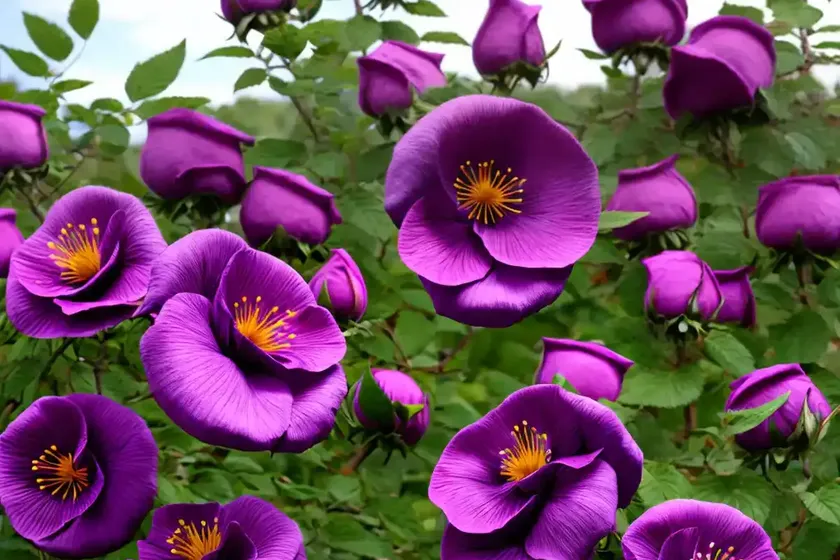
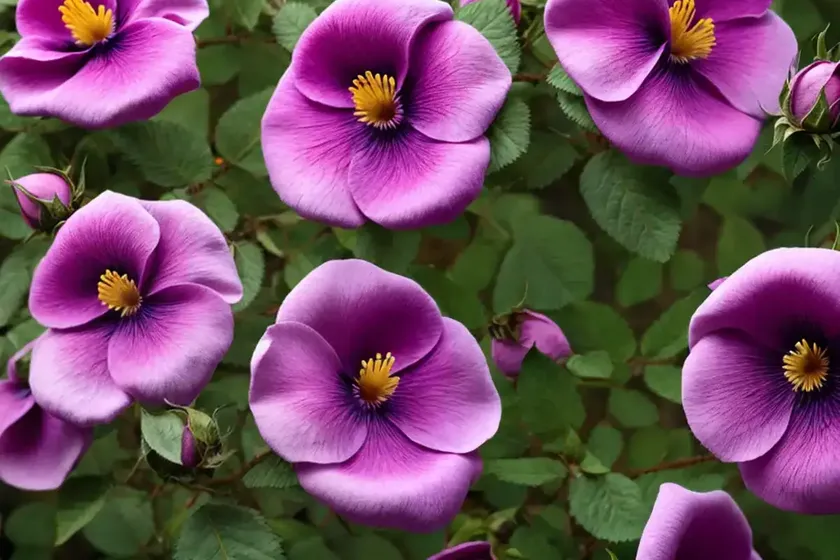
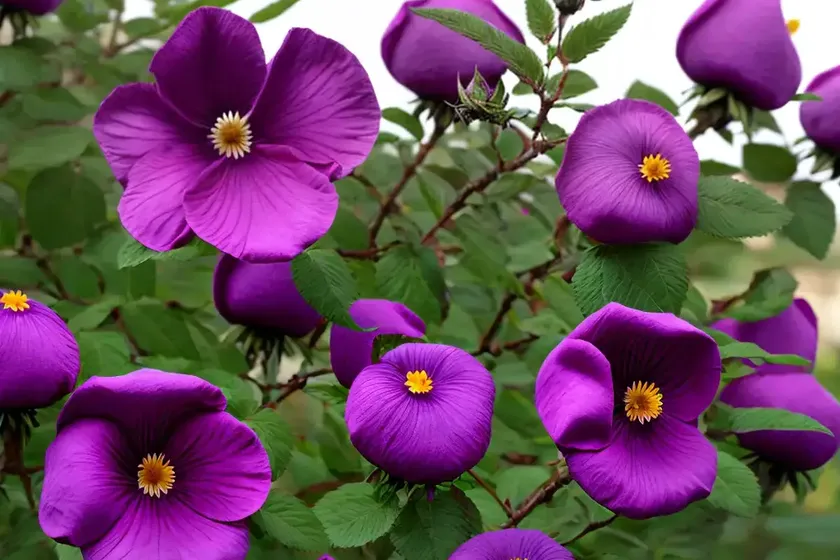
Rosa rugosa ‘Purple Pavement,’ commonly known as the Rugosa Rose, is a captivating and versatile flowering shrub that has been cultivated and cherished for centuries. This plant is an exceptional addition to any garden, offering a burst of color, a delightful fragrance, and a myriad of practical uses. Whether you are a seasoned gardener or a novice enthusiast, understanding the optimal care, maintenance, and utilization of Rosa rugosa ‘Purple Pavement’ can elevate the aesthetics and functionality of your garden space.
In this comprehensive guide, we will delve into the intricacies of this exquisite plant, covering its culture, uses, growth requirements, propagation, common diseases, pest management, and much more. By the end of this article, you will gain an in-depth understanding of how to nurture and maximize the potential of Rosa rugosa ‘Purple Pavement’ in various settings.
What is Rosa rugosa ‘Purple Pavement’ (Rugosa Rose)?
Rosa rugosa, a member of the Rosaceae family, is a species of rose native to eastern Asia. ‘Purple Pavement’ is a cultivated variety of Rosa rugosa that exhibits exceptional characteristics, making it a sought-after choice for landscaping and ornamental purposes. This cultivar is distinguished by its deep purple blooms, ornamental rose hips, and vigorous, hardy nature.
Key Takeaways – Rosa rugosa ‘Purple Pavement’ (Rugosa Rose)
- Plant Name: Rosa rugosa ‘Purple Pavement’ (Rugosa Rose)
- Botanical Name: Rosa rugosa
- Common Name: Rugosa Rose
- Cultivar: Purple Pavement
- Family: Rosaceae
- Hardiness Zones: 2-7
- Mature Height: 4-6 feet
- Mature Spread: 4-6 feet
- Bloom Time: Late spring to early summer
- Fragrance: Sweet, strongly scented
- Foliage: Glossy, deep green
- Uses: Ornamental, hedging, erosion control, wildlife habitat
- Disease Resistance: High
- Pest Resistance: High
Now, let’s delve into the intricacies of nurturing and harnessing the potential of Rosa rugosa ‘Purple Pavement’ in various settings.
Culture
Water
Rosa rugosa ‘Purple Pavement’ is remarkably adaptable to various moisture levels, making it suitable for a wide range of garden environments. While the plant is moderately drought-tolerant once established, it thrives best in well-drained soil with consistent moisture, especially during the initial growth stages. Adequate watering during dry spells or extended periods of heat is essential to support healthy growth and prolific flowering.
Sunlight
As a sun-loving species, Rugosa Rose ‘Purple Pavement’ flourishes in full sun, basking in at least six hours of direct sunlight daily. Optimal exposure to sunlight promotes robust growth, abundant blooms, and vibrant foliage. However, in regions with intense summer heat, providing partial shade during the hottest part of the day can prevent stress and sunburn on the plant.
Fertilizer
This robust rose cultivar has moderate fertilizer requirements and responds well to a balanced, slow-release fertilizer applied in early spring. Consider utilizing a fertilizer formulated specifically for roses or general-purpose fertilizer suitable for flowering shrubs. Avoid excessive nitrogen, as it can encourage lush foliage at the expense of bloom production.
Soil
Rosa rugosa ‘Purple Pavement’ thrives in well-drained, nutrient-rich soil with a slightly acidic to neutral pH (around 6.0-7.0). The plant displays remarkable adaptability to various soil types, including sandy, loamy, or clay soil, as long as it offers good drainage. Amending heavy or compacted soil with organic matter, such as compost or well-rotted manure, enhances soil structure and fertility, promoting healthy root development and vigorous growth.
Pruning
Pruning is a vital aspect of maintaining the health, shape, and overall aesthetics of Rosa rugosa ‘Purple Pavement.’ Regular pruning, ideally performed in early spring before new growth emerges, helps rejuvenate the plant, stimulate robust flowering, and control its size. Here are some essential pruning techniques for this cultivar:
- Deadheading: Removing spent blooms promotes continuous flowering and prevents the formation of rose hips, redirecting the plant’s energy into producing new blooms.
- Thinning: Periodically thinning out old, weak, or overcrowded canes enhances air circulation, minimizes disease susceptibility, and encourages vigorous new growth.
- Shaping: Trimming the plant to shape promotes a tidy, compact appearance and prevents it from becoming leggy or unkempt. Aim to maintain an open, vase-like structure to facilitate sunlight penetration and airflow.
Propagation
Rosa rugosa ‘Purple Pavement’ can be propagated through various methods, including:
- Softwood Cuttings: Harvesting softwood cuttings from young, healthy stems in late spring or early summer and rooting them in a moist, well-draining medium under controlled conditions.
- Hardwood Cuttings: Collecting hardwood cuttings from mature, dormant stems in late winter and initiating rooting using bottom heat or intermittent mist.
- Division: Dividing established clumps in early spring to create new plants, ensuring each division possesses healthy roots and shoots.
- Layering: Encouraging the formation of roots on a flexible, low-lying stem while it is still attached to the parent plant, eventually severing the new plantlet once it has developed sufficient roots.
Container Popularity
Rosa rugosa ‘Purple Pavement’ thrives in containers, making it a popular choice for gardeners seeking to adorn patios, balconies, or small outdoor spaces with its enchanting beauty and fragrance. When grown in containers, the plant benefits from well-drained, slightly acidic potting mix, regular watering, and sufficient sunlight. Selecting a sizable container with adequate drainage holes and providing ample space for root development is essential for promoting the plant’s vitality and longevity in a confined environment.
Uses
Ornamental
Rosa rugosa ‘Purple Pavement’ is a stunning ornamental shrub cherished for its captivating, deep purple blooms and alluring fragrance. The plant’s vigorous growth habit, glossy foliage, and embellished rose hips add visual interest and charm to landscapes, making it a favored choice for borders, hedges, and mixed perennial beds. Its ability to thrive in coastal regions further enhances its appeal, offering a resilient and picturesque addition to seaside gardens.
Hedging
Due to its dense, thorny growth and exceptional resilience, Rugosa Rose ‘Purple Pavement’ serves as an exceptional hedging plant, forming impenetrable barriers that provide privacy, deter intruders, and create wildlife habitat. The plant’s enduring beauty, combined with its capacity for withstanding harsh coastal conditions and poor soil, positions it as an ideal choice for naturalizing and stabilizing coastal landscapes.
Erosion Control
Thanks to its deep-reaching roots, vigorous growth, and remarkable resilience, Rosa rugosa ‘Purple Pavement’ is a valuable asset in erosion-prone areas. Its sprawling growth habit, reinforced by the development of sturdy, deep-rooted canes, helps anchor the soil, mitigate erosion, and withstand challenging coastal conditions, making it an invaluable ally in erosion control and slope stabilization projects.
Wildlife Habitat
The plant’s prolific blooms, ornamental rose hips, and dense foliage provide abundant sustenance and shelter for a diverse array of wildlife, including pollinators, birds, and small mammals. Rugosa Rose ‘Purple Pavement’ contributes to the establishment of thriving wildlife habitats in various settings, fostering ecological balance and biodiversity within the garden and its surrounding environment.
Common Diseases and Pest Management
Disease Diagnosis
Rosa rugosa ‘Purple Pavement’ exhibits exceptional disease resistance, with robust natural defenses that thwart common rose ailments, including powdery mildew, black spot, and rust. However, vigilant monitoring is essential to detect early signs of potential diseases and promptly implement appropriate measures. Prudent cultural practices, such as promoting adequate air circulation, maintaining optimal soil moisture, and refraining from wetting the foliage during irrigation, mitigate the risk of disease development.
Common Pests
Rugosa Rose ‘Purple Pavement’ demonstrates high resistance to most common rose pests, notably aphids, spider mites, and Japanese beetles. However, periodic monitoring is imperative to detect and address potential pest infestations promptly. In the event of pest presence, non-toxic control methods, such as insecticidal soaps, horticultural oils, or natural predators, offer effective, environmentally friendly pest management solutions that safeguard the plant’s health and ecological balance.
Botanist’s Tips
- Mulching: Applying a layer of organic mulch around the base of the plant conserves soil moisture, inhibits weed growth, and regulates soil temperature, fostering optimal growing conditions and minimizing maintenance requirements.
- Support: Providing structural support, such as stakes or trellises, for young or heavy-laden canes prevents bending, breakage, and promotes a tidy, upright growth habit.
- Winter Protection: In regions experiencing harsh winters, insulating the base of the plant with a layer of mulch and shielding it from desiccating winds offers crucial protection against frost and minimizes winter damage.
Fun Facts
- Rosa rugosa, known for its resilience and adaptability, has been naturalized in various regions worldwide, including parts of North America and Europe, gaining popularity for its beauty and practical uses.
- Rugosa Rose ‘Purple Pavement’ is a source of edible rose hips, rich in vitamin C, antioxidants, and essential nutrients, contributing to its value in herbal teas, culinary preparations, and medicinal applications.
- The plant’s robust, thorny growth habit and dense foliage perform admirably as a protective, wildlife-friendly barrier in naturalized settings, contributing to its ecological significance.
Links to External Resources
For further information on Rosa rugosa ‘Purple Pavement’ and tips on cultivation, maintenance, and utilization, refer to the following external resources:
- The American Rose Society: An authoritative source on roses, featuring extensive information on rose species, cultivars, and care guidelines.
- The Royal Horticultural Society: A comprehensive platform offering horticultural advice, plant profiles, and gardening resources, facilitating informed decision-making and successful plant care practices.
- University Extension Services: Various university extension services provide valuable insights and research-based recommendations on growing roses, including Rosa rugosa ‘Purple Pavement,’ tailored to specific geographical regions and climates.
In conclusion, Rosa rugosa ‘Purple Pavement’ stands as a captivating, versatile, and enduring addition to diverse garden environments, offering aesthetic appeal, wildlife support, and practical functionality across varied landscapes. Its exceptional adaptability, resilience, and disease resistance render it an invaluable asset to gardening enthusiasts, conservation efforts, and ecological enhancement initiatives, making it a timeless favorite in the realm of ornamental and functional flora.
In this substantial guide, we’ve delved into every aspect of Rosa rugosa ‘Purple Pavement,’ encompassing its cultural requirements, practical uses, propagation, disease management, and botanist’s tips. With this comprehensive understanding, you’re well-equipped to cultivate, enjoy, and maximize the potential of this captivating rose cultivar in your own garden sanctuary. Whether adorning borders, fortifying coastal landscapes, or enriching wildlife habitats, Rugosa Rose ‘Purple Pavement’ offers enduring beauty and functional versatility, enriching and enhancing the natural world around us.


