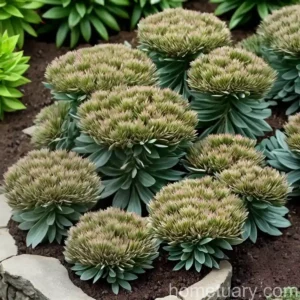
Sedum kamtschaticum var. kamtschaticum ‘Variegatum’ (Orange Stonecrop): A Complete Guide
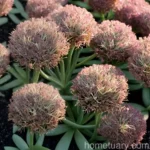
Sedum kamtschaticum var. kamtschaticum ‘Variegatum’, also known as Orange Stonecrop, is a delightful addition to any garden. It is a low-growing perennial succulent that belongs to the family Crassulaceae. This plant is valued for its beautiful variegated foliage and stunning orange flowers, making it a popular choice for rock gardens, borders, and containers.
In this comprehensive guide, we will delve into the various aspects of Sedum kamtschaticum var. kamtschaticum ‘Variegatum’, including its culture, uses, care requirements, propagation, common diseases, pests, and much more. Whether you are a seasoned gardener or a beginner looking to add a touch of color and elegance to your garden, this guide will provide you with all the information you need to cultivate and care for this stunning plant successfully.
What is Sedum kamtschaticum var. kamtschaticum ‘Variegatum’?
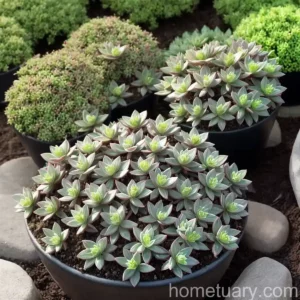
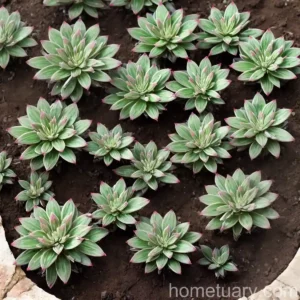
Sedum kamtschaticum var. kamtschaticum ‘Variegatum’ is a cultivar of Sedum kamtschaticum, a species native to the Kamchatka Peninsula in eastern Russia. This hardy perennial is characterized by its mat-forming habit, succulent leaves, and eye-catching flowers. The ‘Variegatum’ cultivar is particularly prized for its variegated foliage, which features shades of green, yellow, and cream, adding a vibrant touch to any garden setting.
Key Characteristics of Sedum kamtschaticum var. kamtschaticum ‘Variegatum’
- Common Name: Orange Stonecrop
- Botanical Name: Sedum kamtschaticum var. kamtschaticum ‘Variegatum’
- Family: Crassulaceae
- Plant Type: Perennial, succulent
- Foliage: Variegated, succulent
- Flowers: Orange, star-shaped
- Growth Habit: Mat-forming
- Height: 3-6 inches
- Spread: 12-18 inches
- Hardiness Zone: 3-8
- Attracts: Bees, butterflies
Now that we have introduced the star of our guide let’s delve into the key aspects of cultivating and caring for Sedum kamtschaticum var. kamtschaticum ‘Variegatum’.
Culture
Cultivating Sedum kamtschaticum var. kamtschaticum ‘Variegatum’ requires an understanding of its specific cultural needs. By providing the right growing conditions, you can ensure that this charming succulent thrives in your garden or container.
Uses
The versatile nature of Sedum kamtschaticum var. kamtschaticum ‘Variegatum’ makes it suitable for a wide range of landscaping applications and garden designs. Here are some popular uses of this plant:
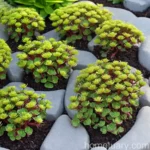
- Rock Gardens: Its low-growing, spreading habit makes it an ideal addition to rock gardens where it can cascade over stones or fill in gaps between rocks.
- Borders: It can be used as a border plant to edge flower beds or pathways, adding a touch of color and texture to the landscape.
- Containers: The compact and cascading nature of this plant makes it a great choice for containers, where it can spill over the edges, bringing visual interest to patio areas or balconies.
- Groundcover: With its mat-forming growth habit, Sedum kamtschaticum var. kamtschaticum ‘Variegatum’ works well as a low-maintenance groundcover, especially in sunny, well-drained areas.
Water
Sedum kamtschaticum var. kamtschaticum ‘Variegatum’ is a succulent plant, adapted to withstand periods of drought. As a result, it is essential to provide well-draining soil and avoid overwatering, as this can lead to root rot and other issues. Here are some watering guidelines for this plant:
- Established Plants: Once established, Orange Stonecrop is relatively drought-tolerant and requires minimal watering. Allow the soil to dry out between waterings, especially during the growing season.
- Newly Planted: Water newly planted specimens more frequently for the first few weeks to help them establish their root systems. Once they are established, reduce the frequency of watering.
Sunlight
Sedum kamtschaticum var. kamtschaticum ‘Variegatum’ thrives in full sun to partial shade, making it a versatile plant for various garden settings. Here are some guidelines for providing the right amount of sunlight:
- Full Sun: Plant Orange Stonecrop in a location where it receives at least 6 hours of direct sunlight. This will help promote vigorous growth and vibrant coloration in the foliage and flowers.
- Partial Shade: In hotter climates, providing some afternoon shade can help protect the plant from intense sun and prevent leaf scorch.
Fertilizer
Sedum kamtschaticum var. kamtschaticum ‘Variegatum’ is not a heavy feeder and can thrive in relatively nutrient-poor soils. However, a light application of balanced fertilizer in the spring can help promote healthy growth and flowering. Here are some fertilizer tips for this plant:
- Timing: Apply a balanced, slow-release fertilizer in early spring as new growth begins. Avoid over-fertilizing, as this can lead to excessive foliage at the expense of flowers.
- Dilution: If using a liquid fertilizer, dilute it to half the recommended strength to avoid overwhelming the plant with nutrients.
Soil
The soil requirements of Sedum kamtschaticum var. kamtschaticum ‘Variegatum’ are closely tied to its preference for well-draining conditions. Here are some pointers for selecting and preparing the right soil for this plant:
- Well-Draining: Choose a well-draining, sandy or loamy soil mix to prevent waterlogged conditions, which can be detrimental to the plant’s health.
- pH: Orange Stonecrop tolerates a wide range of soil pH levels, but a slightly acidic to neutral pH is generally ideal.
Pruning
Pruning plays a role in maintaining the tidy and compact appearance of Sedum kamtschaticum var. kamtschaticum ‘Variegatum’, as well as promoting a longer flowering period. Here are some key pruning tips for this plant:
- Spring Clean-Up: In early spring, remove any dead or damaged foliage from the previous season to make way for new growth.
- Deadheading: After the flowering period, remove spent flower heads to encourage additional blooming and prevent the plant from self-seeding excessively.
- Dividing: Every few years, divide mature clumps of Orange Stonecrop to rejuvenate the plant and propagate new specimens.
Propagation
Propagating Sedum kamtschaticum var. kamtschaticum ‘Variegatum’ allows you to expand your collection of these beautiful plants or share them with fellow gardening enthusiasts. Here are some methods for propagating this succulent:
- Division: Divide mature clumps of the plant in the spring, ensuring that each division has a good root system and several healthy shoots.
- Offsets: Orange Stonecrop produces offsets or “pups” around the base of the plant, which can be carefully removed and planted as new individuals.
- Leaf Cuttings: Take leaf cuttings from healthy, mature plants and allow them to callus before planting them in a well-draining potting mix to root.
Container Popularity
The compact nature and trailing habit of Sedum kamtschaticum var. kamtschaticum ‘Variegatum’ make it especially popular for container gardening. Here are some reasons why this plant is a favorite for container cultivation:
- Aesthetic Appeal: The variegated foliage and colorful flowers of Orange Stonecrop make it a visually striking addition to containers, providing texture and interest.
- Space-Saving: Its low-growing and spreading habit makes it ideal for spilling over the edges of containers, adding a cascading effect without taking up too much space.
- Versatility: It can be grown in various types of containers, from traditional terracotta pots to hanging baskets, allowing for creative and versatile displays.
Common Diseases
Sedum kamtschaticum var. kamtschaticum ‘Variegatum’ is generally resistant to most diseases, especially when grown in well-draining conditions with adequate air circulation. However, there are a few issues to be mindful of, including:
- Root Rot: Overwatering and poorly draining soils can lead to root rot in this plant. To prevent this, ensure that the soil is well-draining and avoid excessive irrigation.
- Powdery Mildew: In humid or poorly ventilated conditions, Orange Stonecrop may be susceptible to powdery mildew. Providing good air circulation and spacing plants properly can help prevent this fungal disease.
Disease Diagnosis
Diagnosing diseases in Sedum kamtschaticum var. kamtschaticum ‘Variegatum’ involves careful observation of the plant and its growing conditions. Here are some diagnostic steps to follow:
- Symptom Observation: Look for signs of wilting, discoloration, or abnormal growth in the foliage and stems.
- Soil Examination: Check the soil for moisture levels and signs of waterlogging, which may indicate potential root rot issues.
- Environmental Assessment: Assess the environmental conditions, including humidity levels and air circulation, to identify potential factors contributing to disease development.
If you notice any signs of disease in your Orange Stonecrop, it’s essential to take prompt action to address the issue and prevent its spread to other plants in your garden.
Common Pests
While Sedum kamtschaticum var. kamtschaticum ‘Variegatum’ is relatively pest-resistant, there are a few common pests that gardeners should be aware of when cultivating this plant. These may include:
- Aphids: Aphids may occasionally feed on the tender new growth of Orange Stonecrop. They can be dislodged with a strong blast of water or controlled with insecticidal soap if necessary.
- Mealybugs: Mealybugs can sometimes infest the foliage of sedums, particularly in crowded or humid conditions. Remove them by hand or use horticultural oil to control infestations.
Botanist’s Tips
As a plant scientist, I would like to offer some additional tips for successfully cultivating and caring for Sedum kamtschaticum var. kamtschaticum ‘Variegatum’:
- Growing Conditions: Ensure that the plant is provided with well-draining soil, adequate sunlight, and good air circulation to promote healthy growth and prevent disease issues.
- Minimal Fertilization: Avoid over-fertilizing Orange Stonecrop, as this can lead to excessive foliage at the expense of flowers. A light, balanced application in the spring is generally sufficient.
- Cold Hardiness: While Sedum kamtschaticum var. kamtschaticum ‘Variegatum’ is relatively cold-hardy, providing some winter protection in colder climates can help ensure its survival and early spring growth.
Fun Facts
To add a touch of intrigue and fascination to your gardening experience, here are some fun facts about Sedum kamtschaticum var. kamtschaticum ‘Variegatum’:
- Attracts Pollinators: The colorful flowers of Orange Stonecrop are attractive to bees and butterflies, adding a lively and dynamic element to the garden.
- Drought Tolerance: This plant is adapted to survive periods of drought, making it a low-maintenance and resilient addition to the garden.
- Variegated Foliage: The variegated leaves of this sedum cultivar provide year-round visual interest, even when the plant is not in bloom.
Links to External Resources
To further expand your knowledge and expertise in cultivating Sedum kamtschaticum var. kamtschaticum ‘Variegatum’ and other sedum varieties, consider exploring the following resources:
- The Sedum Society
- Royal Horticultural Society – Sedum and Succulent Care
- Missouri Botanical Garden – Sedum Plant Care
In conclusion, Sedum kamtschaticum var. kamtschaticum ‘Variegatum’ is a delightful and versatile plant that offers a range of aesthetic, ecological, and horticultural benefits. Whether you are looking to create a low-maintenance rock garden, add a pop of color to your container displays, or attract pollinators to your landscape, this sedum cultivar is an excellent choice. By providing it with the right growing conditions, minimal maintenance, and occasional propagation, you can enjoy the beauty and resilience of Orange Stonecrop in your own garden.
Remember that patience, observation, and a genuine love for plants are the keys to successful gardening with Sedum kamtschaticum var. kamtschaticum ‘Variegatum’ and other plant varieties.
Happy gardening!
Sedum plants, Kamtschaticum sedum, Variegated orange stonecrop, Sedum kamtschaticum var. kamtschaticum ‘Variegatum’, Sedum plant varieties, Orange stonecrop variegatum, Sedum Kamtschaticum care, Sedum Kamtschaticum propagation, Sedum Kamtschaticum pruning, Sedum Kamtschaticum groundcover, Sedum Kamtschaticum foliage, Sedum Kamtschaticum flowers, Sedum Kamtschaticum landscape, Sedum Kamtschaticum cultivation, Sedum Kamtschaticum growing conditions, Sedum Kamtschaticum variegated leaves, Sedum Kamtschaticum plant care tips, Low maintenance Sedum Kamtschaticum, Sedum Kamtschaticum planting guide, Sedum Kamtschaticum hardiness, Sedum Kamtschaticum groundcover plant, Sedum Kamtschaticum drought-tolerant, Sedum Kamtschaticum sun requirements, Sedum Kamtschaticum flowering period, Sedum Kamtschaticum spreading habit, Sedum Kamtschaticum landscaping ideas, Sedum Kamtschaticum trailing plant, Sedum Kamtschaticum border plant, Sedum Kamtschaticum container gardening, Sedum Kamtschaticum rock gardens, Sedum Kamtschaticum edging plant, Sedum Kamtschaticum xeriscaping, Sedum Kamtschaticum ground-hugging plant, Sedum Kamtschaticum perennial, Sedum Kamtschaticum landscaping uses, Sedum Kamtschaticum patios, Sedum Kamtschaticum rock walls, Sedum Kamtschaticum borders, Sedum Kamtschaticum groundcover ideas, Sedum Kamtschaticum accent plant, Sedum Kamtschaticum mixed borders, Sedum Kamtschaticum ground-hugging succulent, Sedum Kamtschaticum drought-resistant, Sedum Kamtschaticum groundcover gardens, Sedum Kamtschaticum rockery plant, Sedum Kamtschaticum variegated foliage, Sedum Kamtschaticum colorful plant, Sedum Kamtschaticum low-growing variety, Sedum Kamtschaticum rock garden design, Sedum Kamtschaticum ornamental plant