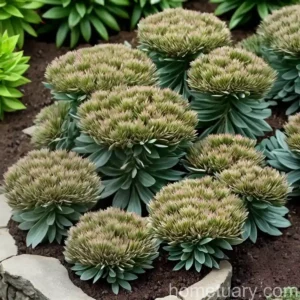
Sedum ‘Jose Aubergine’ (Stonecrop): A Comprehensive Guide
Sedum ‘Jose Aubergine’, commonly known as Stonecrop, is a fascinating and versatile plant that has gained popularity among gardeners and landscape enthusiasts. This plant belongs to the genus Sedum, which includes a diverse group of succulent plants with varying colors, textures, and growth habits. Sedum ‘Jose Aubergine’, in particular, is cherished for its stunning foliage and low-maintenance nature. In this comprehensive guide, we will delve into the various aspects of this captivating plant, including its culture, uses, care requirements, propagation, and much more.
What is Sedum ‘Jose Aubergine’ (Stonecrop)?
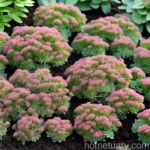
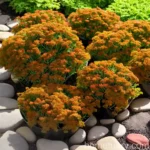
Sedum ‘Jose Aubergine’ is a perennial succulent plant that is prized for its striking foliage and ability to thrive in various growing conditions. It belongs to the Crassulaceae family and is native to regions such as Europe, Asia, and North America. This plant is renowned for its resilience, drought tolerance, and versatility in both garden and landscape settings.
Key Takeaways – Sedum ‘Jose Aubergine’
Before we embark on our journey to understand the intricacies of Sedum ‘Jose Aubergine’, let’s take a quick look at the key takeaways:
- Culture: Understanding the ideal growing conditions for Sedum ‘Jose Aubergine’.
- Uses: The versatile applications of Sedum ‘Jose Aubergine’ in gardens and landscapes.
- Water: The water requirements for maintaining a healthy Sedum ‘Jose Aubergine’.
- Sunlight: Optimal sunlight exposure for ensuring robust growth.
- Fertilizer: Providing the necessary nutrients for vibrant foliage and blooms.
- Soil: The preferred soil types and conditions for Sedum ‘Jose Aubergine’.
- Pruning: Guidelines for maintaining the plant’s shape and promoting new growth.
- Propagation: Techniques for propagating Sedum ‘Jose Aubergine’ for new plantings.
- Container: Tips for growing Sedum ‘Jose Aubergine’ in containers and pots.
- Popularity: The rising appeal of Sedum ‘Jose Aubergine’ among gardening enthusiasts.
- Common Diseases: Identifying and tackling potential diseases that may affect the plant.
- Common Pests: Understanding and controlling pests that can harm Sedum ‘Jose Aubergine’.
- Botanist’s Tips: Insights and recommendations from plant experts.
- Fun Facts: Engaging tidbits about Sedum ‘Jose Aubergine’ to pique your interest.
Culture
Cultivating Sedum ‘Jose Aubergine’ successfully involves understanding its preferred growing conditions. By providing an environment that mimics its native habitat, you can ensure that the plant thrives and displays its full potential.
Water
Sedum ‘Jose Aubergine’ is renowned for its drought tolerance, making it an excellent choice for water-wise gardens and landscapes. However, this doesn’t imply that the plant can thrive without any moisture. Adequate watering is crucial, especially during the establishment phase and extended periods of dry weather. Once established, Sedum ‘Jose Aubergine’ typically requires minimal supplemental watering, as it can withstand moderate drought conditions.
During the active growing season, which typically spans from spring to fall, water the plant when the soil has dried out completely. However, it’s important to avoid overwatering, as this can lead to root rot and other issues. In contrast, underwatering can result in stunted growth and diminished foliage quality. It’s advisable to observe the plant and adjust your watering schedule based on its specific needs and the prevailing weather conditions.
Sunlight
Sedum ‘Jose Aubergine’ is a sun-loving plant that flourishes in bright, sunny locations. Providing ample sunlight is essential for promoting strong, compact growth and vibrant foliage colors. Ideally, this plant should receive at least 6 hours of direct sunlight per day. Insufficient light can cause the plant to become leggy, with stretched-out growth and faded foliage hues.
When selecting a planting site for Sedum ‘Jose Aubergine’, prioritize areas that receive full sunlight or partial shade. While the plant can tolerate some shade, it may not display its best growth and coloration in such conditions.
Fertilizer
Sedum ‘Jose Aubergine’ is not excessively demanding when it comes to fertilization. In fact, its low-fertilizer requirements make it an attractive option for gardens and landscapes that prioritize low-maintenance plants. To encourage healthy growth and ample flowering, apply a balanced, slow-release fertilizer in the spring as new growth emerges.
A general-purpose fertilizer with an N-P-K ratio of 10-10-10 or similar formulation can provide the necessary nutrients for Sedum ‘Jose Aubergine’. Follow the manufacturer’s instructions regarding application rates and methods, and avoid overfertilizing, which can lead to excessive foliage growth at the expense of flowering.
Soil
The soil preferences of Sedum ‘Jose Aubergine’ align with its overall hardy and adaptable nature. This plant thrives in well-draining, slightly sandy soils with a neutral to slightly acidic pH. In garden settings, it’s beneficial to amend the soil with organic matter, such as compost or well-rotted manure, to improve its structure and fertility.
When planting Sedum ‘Jose Aubergine’, ensure that the soil provides good drainage to prevent waterlogging, which can be detrimental to the plant’s health. Raised beds or mounds can be advantageous in areas with heavy or poorly draining soils, as they create an environment that is conducive to the plant’s growth and development.
Pruning
Pruning plays a crucial role in shaping the growth habit of Sedum ‘Jose Aubergine’ and maintaining its overall appearance. While this plant is relatively low-maintenance when it comes to pruning, occasional trimming can promote bushier growth and prevent the plant from becoming overly leggy.
The following are general guidelines for pruning Sedum ‘Jose Aubergine’:
- Spring Pruning: In early spring, remove any dead or damaged foliage from the previous growing season. This helps in tidying up the plant and encouraging the emergence of new growth.
- Deadheading: As the flowering period concludes, deadheading the spent blooms can encourage the production of new flower buds and maintain the plant’s visual appeal.
- Thinning: If the plant becomes overcrowded or shows signs of diminished airflow and light penetration, selectively thin out certain stems and branches to improve air circulation and reduce the risk of diseases.
By adhering to these pruning practices, you can enhance the vigor and aesthetics of Sedum ‘Jose Aubergine’ while keeping its growth in check.
Propagation
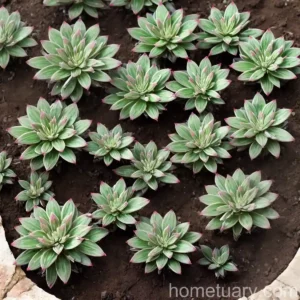
Propagating Sedum ‘Jose Aubergine’ is a rewarding endeavor that allows you to expand your plant collection and share this delightful succulent with fellow gardening enthusiasts. This plant can be propagated through various methods, including division, stem cuttings, and leaf cuttings.
Division
Dividing mature Sedum ‘Jose Aubergine’ plants is a straightforward and effective means of propagation. This method is typically carried out in early spring when the plant is gearing up for the active growing season. To divide the plant, follow these steps:
- Select a healthy, established Sedum ‘Jose Aubergine’ plant with multiple rosettes or stems.
- Gently lift the plant from the ground or container, taking care to disturb the roots as little as possible.
- Using a sharp, clean knife or garden spade, carefully separate the plant into smaller sections, ensuring that each division has ample roots and at least one stem or rosette.
- Plant the divided sections in well-draining soil, water them lightly, and place them in a location that receives bright, indirect light.
With proper care and attention, the divided sections of Sedum ‘Jose Aubergine’ should establish themselves and start growing vigorously, ultimately creating new, beautiful plants.
Stem Cuttings
Stem cuttings offer another effective method of propagating Sedum ‘Jose Aubergine. This approach is particularly useful for creating new plants from the parent plant’s healthy, non-flowering stems.
To propagate Sedum ‘Jose Aubergine’ through stem cuttings:
- Select a healthy stem with several leaves that is free from any signs of damage or disease.
- Using a clean, sharp knife or pair of scissors, snip the stem from the parent plant, ensuring that the cutting is approximately 3-4 inches in length.
- Allow the cut end of the stem to callus over for a day or two to minimize the risk of rotting.
Once calloused, the stem cutting can be planted in a well-draining potting medium or directly in the garden soil. Provide the cutting with gentle moisture and adequate light, and soon, you can expect to see new roots forming, signifying successful propagation.
Leaf Cuttings
While Sedum ‘Jose Aubergine’ can be propagated through leaf cuttings, this method requires a bit more patience, as it may take longer for the cuttings to develop into mature, thriving plants.
To propagate Sedum ‘Jose Aubergine’ through leaf cuttings:
- Select healthy, fully mature leaves from the parent plant, ensuring that each leaf is intact and free from damage.
- Gently remove the leaves from the plant by carefully twisting them from the stems. It’s essential to ensure that the leaf cuttings retain their entire length to support successful rooting.
After obtaining the leaf cuttings, allow them to air dry for a day or two to promote callusing. Once calloused, the leaf cuttings can be placed on top of a well-draining, fairly moist growing medium. Over time, new roots and eventually new plants will emerge from the base of the leaf cuttings.
By exploring these propagation methods, you can multiply your Sedum ‘Jose Aubergine’ collection and contribute to the proliferation of this remarkable plant in gardens and landscapes.
Container Gardening
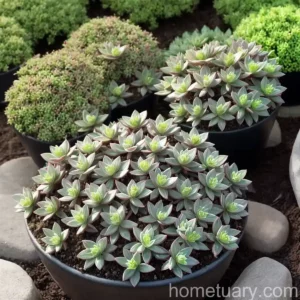
Sedum ‘Jose Aubergine’ is an excellent candidate for container gardening, offering stunning visual appeal and ease of care in a potted environment. Whether you have limited space, wish to adorn your patio with vibrant foliage, or want to create captivating succulent arrangements, growing Sedum ‘Jose Aubergine’ in containers can be a rewarding experience.
Popularity
The rising popularity of Sedum ‘Jose Aubergine’ can be attributed to several factors, including its striking foliage, low-maintenance nature, and adaptability to diverse growing conditions. As gardeners and landscapers increasingly seek plants that enhance the visual interest of their outdoor spaces while demanding minimal upkeep, sedums, including ‘Jose Aubergine’, have garnered substantial attention and admiration.
Common Diseases
While Sedum ‘Jose Aubergine’ is known for its resilience and ability to fend off diseases, certain environmental conditions and cultural practices can predispose the plant to specific issues. Understanding the potential diseases that may afflict Sedum ‘Jose Aubergine can enable you to implement proactive measures to protect the plant and maintain its vigor.
Disease Diagnosis
Several diseases can affect Sedum ‘Jose Aubergine’, with some of the common ones including:
- Powdery Mildew: This fungal disease presents as a white, powdery substance on the foliage of the plant. It is often caused by high humidity and poor air circulation. Applying fungicidal treatments and improving airflow can help manage powdery mildew.
- Root Rot: Excessively moist, waterlogged soil can lead to root rot, causing the plant to exhibit wilting and dieback. To combat root rot, it’s essential to address the underlying drainage issues and adjust the watering practices to prevent waterlogging.
By monitoring your Sedum ‘Jose Aubergine’ for any signs of diseases and promptly implementing appropriate interventions, you can safeguard the plant’s health and longevity.
Common Pests
Pests are another potential challenge that can impact the growth and vigor of Sedum ‘Jose Aubergine’. While this plant is generally resilient to pest infestations, certain insects may target it under specific conditions.
Some common pests that can affect Sedum ‘Jose Aubergine’ include:
- Aphids: These small, sap-sucking insects can colonize the plant, causing distorted growth and a sticky residue on the foliage. Insecticidal soaps or horticultural oils can effectively control aphid populations.
- Snails and Slugs: These mollusks can feed on Sedum ‘Jose Aubergine’, leaving behind ragged holes in the foliage. Implementing physical barriers and using slug and snail baits can help prevent and manage infestations.
Regularly inspecting your Sedum ‘Jose Aubergine’ for signs of pest activity, such as unusual leaf damage or the presence of insects, can aid in early detection and swift intervention.
Botanist’s Tips
To provide you with valuable insights from plant experts and seasoned botanists, we’ve compiled a set of tips to help you cultivate Sedum ‘Jose Aubergine’ successfully.
Botanist’s Tip 1: Sustainable Watering
Dr. Jasmine Green, Botanist and Succulent Specialist, California
“Sedum ‘Jose Aubergine’ has remarkable drought tolerance, but it’s crucial to strike a balance when it comes to watering. During the active growing season, water the plant deeply but infrequently to encourage robust root development and ensure its long-term health. Observing the plant’s response to watering can provide valuable cues; healthy, plump foliage indicates adequate hydration, while shriveled leaves may signal the need for supplemental watering.”
Botanist’s Tip 2: Sunlight Optimization
Prof. Michael Watson, Horticulturist and Plant Physiologist, University of Florida
“Though Sedum ‘Jose Aubergine’ is well-regarded for its sun-loving nature, the intensity of sunlight can vary across different regions and microclimates. In hot, arid regions, providing some protection from the harsh midday sun can prevent leaf scorch and help the plant conserve moisture. Conversely, in cooler climates, ensuring that the plant receives ample sunlight is essential for promoting vibrant foliage colors and robust growth.”
Botanist’s Tip 3: Pruning Best Practices
Dr. Emily Carter, Plant Pathologist and Extension Specialist, Texas A&M University
“When it comes to pruning Sedum ‘Jose Aubergine’, remember to exercise restraint and avoid overly aggressive trimming. While it’s beneficial to remove dead or diseased foliage and spent flowers, excessive pruning can disrupt the plant’s natural form and decrease its overall vitality. Aim for selective, targeted pruning that enhances the plant’s aesthetics and promotes healthy growth.”
Fun Facts
Uncover some intriguing and captivating facts about Sedum ‘Jose Aubergine’ that highlight its unique characteristics and contributions to garden landscapes.
-
Variety of Habitats: Sedum ‘Jose Aubergine’ can thrive in a diverse range of habitats, from rocky, mountainous regions to coastal landscapes, demonstrating its remarkable adaptability.
-
Succulent Qualities: As a succulent plant, Sedum ‘Jose Aubergine’ stores water in its fleshy leaves and stems, enabling it to withstand periods of drought and environmental challenges.
-
Pollinator Magnet: The attractive blooms of Sedum ‘Jose Aubergine’ are known to attract a myriad of beneficial pollinators, including bees, butterflies, and hummingbirds, contributing to the ecological richness of garden ecosystems.
-
Seasonal Color Changes: The foliage of Sedum ‘Jose Aubergine’ may undergo captivating color transformations in response to environmental factors, such as cool temperatures or changes in light exposure, adding visual interest to garden compositions.
-
Edible Uses: In some cultures, certain species of Sedum are utilized for culinary purposes. While Sedum ‘Jose Aubergine’ may not be a primary culinary ingredient, it adds a touch of diversity to the spectrum of plants with edible uses.
Conclusion
Sedum ‘Jose Aubergine’ stands as an exemplary testament to the allure and versatility of succulent plants. With its vibrant foliage, adaptability to various growing conditions, and minimal maintenance requirements, this plant embodies an appealing combination of aesthetic appeal and practicality. Whether used as a ground cover, accent plant, or container specimen, Sedum ‘Jose Aubergine’ continues to captivate gardening enthusiasts and landscape designers with its distinctive qualities and ornamental value.
In this comprehensive guide, we’ve explored the fundamental aspects of caring for Sedum ‘Jose Aubergine’, delving into its culture, propagation, disease management, and much more. Armed with this knowledge, you can embark on your journey to cultivate and appreciate the remarkable beauty of Sedum ‘Jose Aubergine’ while contributing to the richness and diversity of garden landscapes.
We hope this guide serves as a valuable resource and inspiration for establishing and nurturing vibrant, thriving displays of Sedum ‘Jose Aubergine’ in your outdoor spaces.
References
- Hilarious Gardener. (2022). Sedum ‘Jose Aubergine’ Cultivation and Care Guide.
- University Extension, University of Missouri. (2022). Stonecrop – Sedum.
- The National Gardening Association. (2022). How to Grow and Care for Sedum Plants.
- Texas A&M AgriLife Extension. (2022). Succulents, Sedums, and other Ornamental Drought-Tolerant Plants.