Plant Profile: Sedum telephium ‘Purple Emperor’ (Stonecrop)

Sedum telephium ‘Purple Emperor’, commonly known as Stonecrop, is a visually striking perennial plant that belongs to the family Crassulaceae. The ‘Purple Emperor’ variety has gained popularity among gardeners for its vibrant foliage and low-maintenance requirements. In this comprehensive guide, we will delve into the various aspects of cultivating and caring for this stunning plant.
What is Sedum telephium ‘Purple Emperor’ (Stonecrop)?
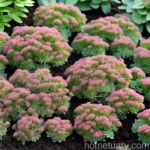
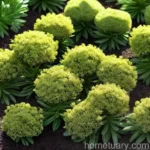
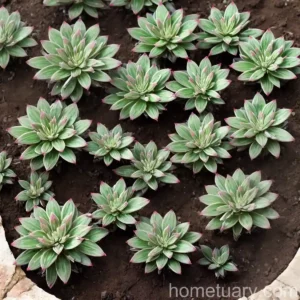
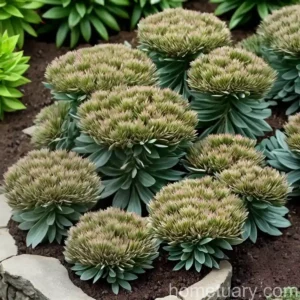
Sedum telephium, commonly referred to as Stonecrop, is a herbaceous perennial that is native to Europe and Asia. It is cultivated for its ornamental value and ability to thrive in a variety of environmental conditions. The ‘Purple Emperor’ cultivar is particularly sought after for its deep purple, almost black, foliage and its attractive appearance in both gardens and containers.
The plant typically forms compact mounds of foliage, and as summer progresses, it produces stunning clusters of pink, red, or mauve flowers, adding further visual interest to the garden landscape. With its robust nature and ability to withstand diverse climates, Sedum telephium ‘Purple Emperor’ has increasingly become a favorite among both experienced and novice gardeners.
Key Takeaways – Sedum telephium ‘Purple Emperor’
Before delving into the specifics of caring for Sedum telephium ‘Purple Emperor’, let’s highlight the key takeaways and benefits of cultivating this remarkable plant:
- Striking deep purple foliage adds ornamental value to any garden or container.
- Drought-tolerant and low-maintenance, making it suitable for busy gardeners and arid environments.
- Attracts a variety of pollinators, making it an asset to wildlife-friendly gardens.
- Versatile and adaptable, thriving in different soil types and sunlight conditions.
- Ideal for ground cover, rock gardens, and container cultivation, enhancing landscaping possibilities.
Cultural Information
Uses
The Sedum telephium ‘Purple Emperor’ has a multitude of uses in the garden and outdoor spaces. Some of the key uses include:
- Ornamental interest in gardens and landscapes.
- Ground cover for rock gardens or dry, sunny areas.
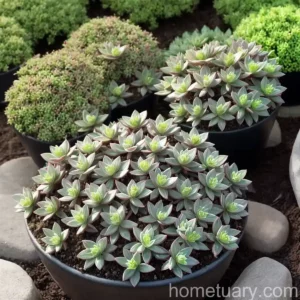
- Container plantings for patios, balconies, and terraces.
Water
Stonecrop plants are known for their ability to tolerate drought conditions, but they also appreciate regular watering. It is essential to strike a balance and avoid overwatering, particularly in heavy and poorly drained soils. Here are some essential watering tips:
– Water the plant moderately during dry spells, ensuring that the soil is well-drained.
– Allow the soil to partially dry out between watering sessions to prevent waterlogging.
Sunlight
Sedum telephium ‘Purple Emperor’ thrives in full sunlight, making it an excellent choice for sunny and exposed locations in the garden. However, it can also tolerate partial shade, particularly in regions with intense summer heat.
Fertilizer
Being a resilient plant, Sedum telephium ‘Purple Emperor’ generally does not require heavy fertilization. However, incorporating a well-balanced, slow-release fertilizer during the growing season can promote healthy growth and vibrant foliage.
Soil
Well-drained soil is crucial for the successful cultivation of Sedum telephium ‘Purple Emperor’. It appreciates soil with a slightly acidic to neutral pH and is adaptable to various soil types, including sandy, loamy, and rocky soils. Additionally, a layer of organic mulch can aid in moisture retention and weed suppression.
Pruning
Pruning is a simple but effective means of maintaining the tidy growth of Sedum telephium ‘Purple Emperor’. Regular deadheading of spent flowers and the removal of damaged or withered foliage contribute to a neat and visually appealing appearance.
Propagation
Propagating Sedum telephium ‘Purple Emperor’ is relatively straightforward and can be achieved through several methods, including division, cuttings, and seed sowing. Each propagation technique has its own nuances, and the choice of method often depends on the preferences and capabilities of the gardener.
Container Popularity
The compact size and alluring appearance of Sedum telephium ‘Purple Emperor’ make it an excellent choice for container cultivation. Its ability to thrive in confined spaces and its low-maintenance nature render it ideal for both novice and experienced gardeners alike.
Common Diseases and Pests
Common Diseases
Although Sedum telephium ‘Purple Emperor’ is generally resistant to most diseases, it can occasionally be affected by issues such as powdery mildew and crown rot. Regular inspection and prompt action can prevent the escalation of these problems.
Disease Diagnosis
It is essential to be vigilant and attentive to the signs of common diseases in Sedum telephium ‘Purple Emperor’. Early symptoms include the appearance of white powdery patches on the foliage for powdery mildew, and discolored, rotting stems for crown rot.
Common Pests
Stonecrop plants are relatively resistant to pests, but they can occasionally fall victim to attacks from aphids, mealybugs, and snails. Regular monitoring and appropriate pest management practices can help keep these invaders at bay.
Botanist’s Tips
Fun Facts
- Sedum telephium ‘Purple Emperor’ is also known as orpine, livelong, frog’s-stomach, and witch’s moneybags.
- Stonecrops are considered one of the best plant choices for rooftop gardens and green roofs due to their adaptability to harsh growing conditions.
Links to External Resources
For further information about Sedum telephium ‘Purple Emperor’, including detailed planting and care instructions, refer to the following external resources:
– Royal Horticultural Society – Sedum telephium ‘Purple Emperor’
– University of Wisconsin-Madison – Sedum telephium ‘Purple Emperor’ Planting and Care Guide
In summary, Sedum telephium ‘Purple Emperor’ is a captivating plant with a myriad of aesthetic and practical benefits. Its low-maintenance nature, adaptability to various environmental conditions, and attractive appearance make it a valuable addition to any garden or outdoor space. Whether used as a ground cover, container plant, or ornamental feature, this versatile plant holds the potential to elevate the visual appeal and sustainability of diverse landscapes.
As a plant scientist, it is fascinating to observe the widespread appeal and ecological significance of Sedum telephium ‘Purple Emperor’. From its historical and cultural relevance to its modern-day utilization in sustainable gardening practices, this plant showcases the enduring value of nature’s offerings.
Remember, a healthy plant is a happy plant, and understanding the best practices for caring for Sedum telephium ‘Purple Emperor’ is key to ensuring its longevity and visual impact.
I hope this guide serves as a valuable resource for gardeners and plant enthusiasts looking to embark on an enriching journey of cultivating and appreciating the unique qualities of Sedum telephium ‘Purple Emperor’.
Happy gardening!