Sambucus Nigra Subsp. Caerulea (Blue Elderberry)
Sambucus nigra subsp. caerulea, commonly known as Blue Elderberry, is a species of elderberry native to North America. This plant has a rich cultural.
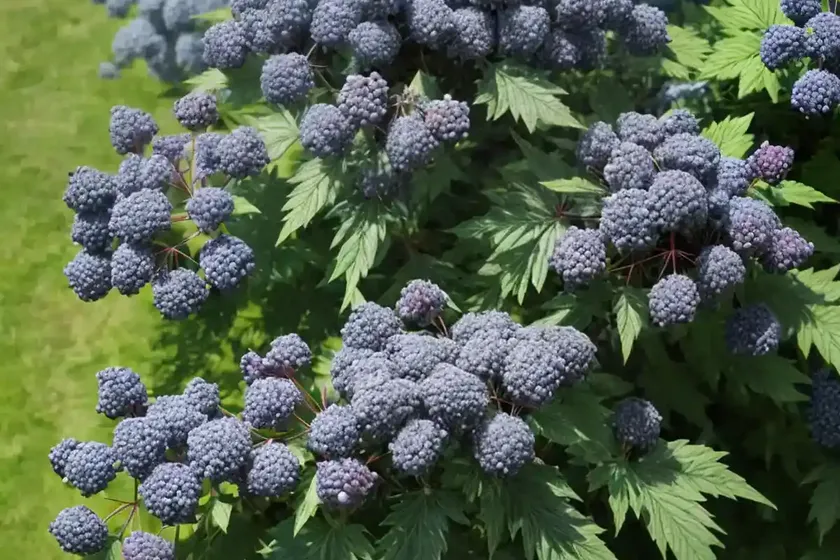
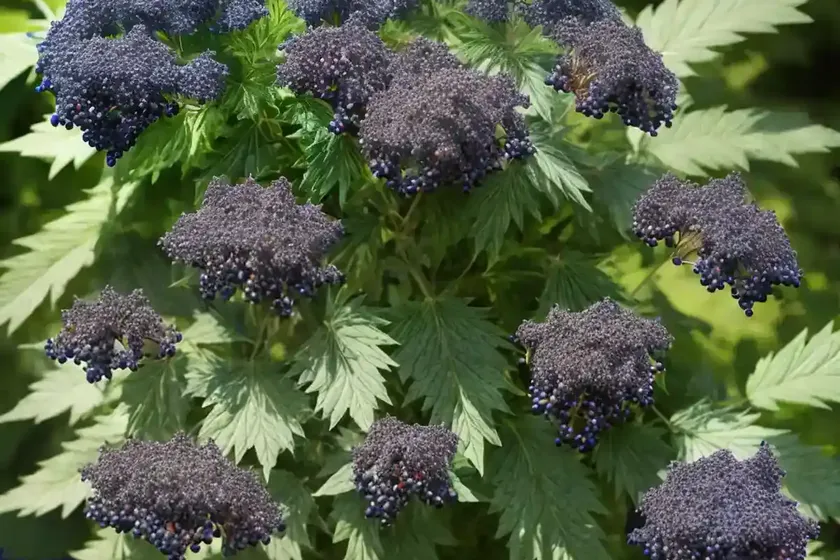
Sambucus nigra subsp. caerulea, commonly known as Blue Elderberry, is a species of elderberry native to North America. This plant has a rich cultural history and is valued for its ornamental, medicinal, and culinary uses. In this comprehensive plant profile, we will delve into the key aspects of Blue Elderberry, including its culture, uses, care requirements, common pests and diseases, propagation methods, and much more. Whether you are a gardening enthusiast, herbalist, or simply intrigued by the diverse uses of this species, this guide will provide valuable insights into the world of Sambucus nigra subsp. caerulea.
Key Takeaways – Sambucus nigra subsp. caerulea (Blue Elderberry)
Before diving into the specifics of Blue Elderberry, here are some key takeaways that will be explored in detail throughout this guide:
- Botanical Name: Sambucus nigra subsp. caerulea
- Common Name: Blue Elderberry
- Cultivars: Sambucus nigra caerulea cultivars
- Uses: Medicinal, culinary, and landscaping applications
- Growth Requirements: Water, sunlight, fertilizer, soil, and pruning
- Propagation: Methods for propagating Blue Elderberry
- Popularity: Common uses and popularity of the plant
- Common Diseases: Disease diagnosis and management
- Pests: Identification and control of common pests affecting Blue Elderberry
- Nutritional Value: The nutritional benefits of Blue Elderberry
- Fun Facts: Interesting and lesser-known facts about the plant
- External Resources: Links to additional information and resources
Now, let’s embark on a fascinating journey to explore the world of Sambucus nigra subsp. caerulea.
What is Sambucus nigra subsp. caerulea (Blue Elderberry)?
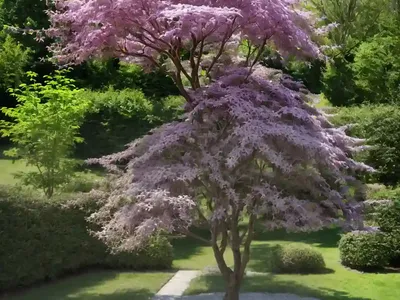
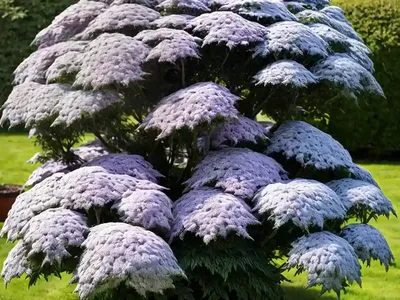
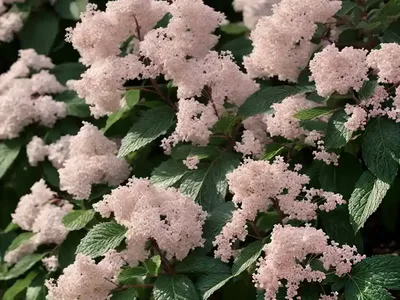
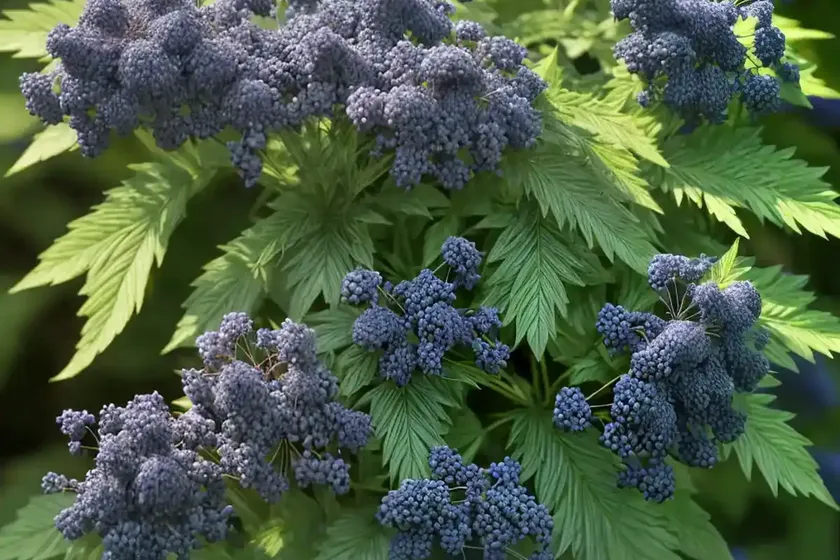
Sambucus nigra subsp. caerulea, a subspecies of the Sambucus nigra plant, belongs to the Adoxaceae family. It is commonly referred to as Blue Elderberry due to the distinctive bluish hue of its berries. This deciduous shrub or small tree is prized for its clusters of tiny, fragrant, cream-colored flowers and its bountiful clusters of small, dark blue to blackish-purple berries. Blue Elderberry is known for its adaptability to various environmental conditions and is often found in riparian areas, open woodlands, and along stream banks in its natural habitat.
The plant holds significant cultural and traditional value, being utilized by indigenous communities for a myriad of purposes, including medicinal, nutritional, and ceremonial uses. Moreover, Blue Elderberry’s aesthetic appeal and capacity to attract wildlife make it a popular choice for landscaping and ecological restoration projects.
In the sections that follow, we will delve into the diverse aspects of Blue Elderberry, ranging from its culture and uses to its care requirements and propagation methods.
Culture
Water
Blue Elderberry generally thrives in moist to moderately dry soil conditions. While it exhibits good drought tolerance once established, adequate moisture is essential, especially in the early stages of growth and during fruit development. When grown in garden settings, regular watering, particularly during periods of prolonged dryness, is recommended to promote healthy foliage and fruit production.
Sunlight
In terms of sunlight requirements, Blue Elderberry flourishes in full sun to partial shade. It demonstrates an ability to adapt to different light conditions, making it suitable for a variety of garden settings. In areas with intense heat, providing some afternoon shade can be beneficial, especially for maintaining vibrant foliage and reducing water stress during hot spells.
Soil
Blue Elderberry is adaptable to a range of soil types, including loamy, sandy, or clay soils, provided they are well-draining. The plant tends to prefer slightly acidic to slightly alkaline soils, with a pH range of 5.5 to 7.5. Amending the soil with organic matter, such as compost or well-rotted manure, can enhance its fertility and structure, contributing to overall plant vigor.
Uses
Medicinal Uses of Sambucus nigra subsp. caerulea
Blue Elderberry has a rich history of traditional medicinal uses, with various parts of the plant being employed to address a wide array of health concerns. The ripe berries, in particular, are renowned for their immune-boosting properties and are used in the preparation of herbal remedies for colds, flu, and respiratory ailments. Additionally, the flowers and leaves of Blue Elderberry are utilized in traditional medicine to create tinctures, teas, and syrups with purported benefits for inflammation, skin health, and detoxification.
The plant’s potential therapeutic applications have garnered scientific interest, leading to research on its bioactive compounds and pharmacological properties. Studies have highlighted the antioxidant, anti-inflammatory, and antiviral attributes of Blue Elderberry, contributing to its reputation as a valuable botanical resource in natural healthcare practices.
Culinary Uses of Blue Elderberry
Beyond its medicinal significance, Blue Elderberry holds culinary appeal, particularly for its flavorful and nutritious berries. The ripe berries are used in the preparation of an assortment of culinary creations, including jams, jellies, syrups, pies, and beverages. The tart and sweet flavor profile of the berries enhances a wide range of recipes, imparting a unique and delightful taste to dishes and drinks. Moreover, Blue Elderberry’s culinary versatility extends to the creation of wines, liqueurs, and flavored vinegars, adding a distinct twist to gastronomic experiences.
Landscaping and Ecological Uses
In landscaping and ecological contexts, Blue Elderberry serves as a multi-functional plant with numerous benefits. Its ornamental features, including showy flowers, attractive foliage, and abundant clusters of berries, make it an appealing choice for garden borders, wildlife gardens, and naturalized landscapes. Furthermore, the plant’s ability to support a variety of pollinators and birds contributes to the biodiversity and vitality of outdoor spaces.
The utilization of Blue Elderberry in ecological restoration and habitat enhancement projects underscores its ecological value, as it aids in stabilizing soil, providing wildlife food sources, and contributing to overall ecosystem resilience. Its adaptability to wetland environments makes it an asset in wetland mitigation and conservation efforts, where it can play a role in mitigating erosion and creating diverse habitats for aquatic and terrestrial species.
Fertilizer
Blue Elderberry generally thrives in moderately fertile soils and may not require heavy fertilization, especially when planted in nutrient-rich garden beds or naturalized settings. However, in instances where soil nutrients are deficient, or when cultivated in containers, applying a balanced, slow-release fertilizer in spring can provide a nutritional boost for the plant’s growth and fruiting capacity.
When choosing a fertilizer for Blue Elderberry, opting for an organic, well-balanced formulation with a slightly higher potassium content can promote robust flowering and fruit set while supporting overall plant health. It is important to follow the manufacturer’s recommendations regarding application rates and timing to avoid over-fertilization, which can lead to excessive vegetative growth at the expense of fruit production.
Pruning
Pruning Blue Elderberry is an essential practice to promote plant vigor, shape the growth habit, and maximize fruit production. Proper pruning can help maintain a manageable size, encourage the development of strong, fruit-bearing branches, and remove old, diseased, or non-productive wood.
Timing
Pruning is typically carried out during late winter to early spring when the plant is dormant. This period offers an ideal opportunity to assess the plant’s structure and make strategic pruning decisions before the onset of new growth.
Techniques
Some key pruning techniques for Blue Elderberry include:
- Deadwood Removal: Eliminating dead, damaged, or diseased wood helps reduce the risk of pest and disease issues while enhancing overall plant aesthetics.
- Thinning and Shaping: Thinning out overcrowded branches and shaping the plant can improve air circulation, light penetration, and fruit quality.
- Renewal Pruning: Periodically removing older wood and encouraging the growth of young, productive shoots rejuvenates the plant and sustains its fruiting potential.
Tools
When pruning Blue Elderberry, it is recommended to use sharp, clean pruning tools, such as bypass hand pruners and loppers, to ensure clean cuts and minimize the potential for plant damage or infection. Disinfecting the pruning tools between cuts, especially when dealing with diseased wood, helps prevent the spread of pathogens within the plant.
Propagation
Propagating Blue Elderberry can be achieved through several methods, each with its unique advantages and considerations.
-
Seed Propagation: Propagating Blue Elderberry from seeds is viable, although it may require stratification to enhance germination rates. This method is suitable for creating genetic diversity and establishing new plantings, especially in naturalized landscapes and restoration projects.
-
Softwood Cuttings: Taking softwood cuttings from actively growing shoots in spring or early summer offers a reliable means of producing new Blue Elderberry plants. Rooting hormone application and optimal environmental conditions can enhance the success of softwood cutting propagation.
-
Division: Division of mature Blue Elderberry plants can be conducted to propagate the species. This method involves separating the plant’s roots and crown into sections, each with viable growth points, to be replanted and established as individual plants.
-
Layering: Air layering or ground layering techniques can be employed to encourage roots to form on a stem or branch while still attached to the parent plant. Once sufficient root development occurs, the rooted section can be detached and transplanted as a new Blue Elderberry plant.
By utilizing these propagation methods, individuals can expand their Blue Elderberry collection, contribute to conservation efforts, and explore the diversity of this versatile plant in various settings.
Container Popularity
The allure of Blue Elderberry extends to container gardening, where its ornamental and productive attributes make it a sought-after choice for patio, balcony, and urban gardens. Container-grown Blue Elderberry offers the convenience of mobility, allowing gardeners to showcase the plant in versatile settings while providing an opportunity to manage its growth and fruit production with ease.
Moreover, the compact nature of containerized Blue Elderberry variants, such as certain cultivars and dwarf selections, suits the spatial constraints of small gardens and urban landscapes. The aesthetic appeal of its flowers, foliage, and berries, along with the potential to harvest fresh fruit for culinary or medicinal purposes, positions container-grown Blue Elderberry as a valuable addition to diverse gardening environments.
Common Diseases
Disease Diagnosis
Blue Elderberry is susceptible to certain diseases, with fungal pathogens being among the primary culprits. Common diseases that afflict this species include powdery mildew, leaf spot diseases, and cankers. Diagnosing these diseases involves careful observation of symptoms such as white powdery patches on foliage, dark lesions on leaves, and sunken or discolored areas on stems.
Disease Management
Implementing preventive measures, such as promoting good air circulation around plants, maintaining appropriate spacing, and utilizing disease-resistant cultivars, can help mitigate the risk of disease development. Additionally, practicing proper sanitation by removing and disposing of diseased plant material can prevent the spread of pathogens within the garden or landscape.
When disease symptoms are observed, timely intervention with organic or conventional fungicidal treatments may be necessary to manage the issue and protect the plant from further damage. It is advisable to consult local gardening resources, extension services, or plant health professionals for accurate disease diagnosis and targeted management strategies.
Common Pests
Identification
Several insect pests can pose a threat to Blue Elderberry, impacting its foliage, flowers, and fruit. Common pests that target this plant include aphids, caterpillars, and scale insects. Monitoring the plant for signs of pest infestation, such as distorted growth, leaf damage, and the presence of honeydew or sooty mold, aids in early pest detection and intervention.
Control
Implementing integrated pest management practices, such as the use of beneficial insects, physical removal of pests, and the application of horticultural oils or insecticidal soaps, can help manage pest populations while minimizing environmental impact. Employing cultural practices, such as the removal of infested plant parts and maintaining plant vigor through proper care practices, strengthens Blue Elderberry’s resilience against pest pressures.
Regular inspection and proactive pest control measures, coupled with ecological approaches that support natural pest predators, contribute to the sustainable management of pest issues while safeguarding the health and vitality of Blue Elderberry plants.
Botanist’s Tips
For successful cultivation and enjoyment of Blue Elderberry, consider the following botanist’s tips:
-
Selecting Cultivars: When choosing Blue Elderberry cultivars, look for varieties that are well-suited to local climate conditions, exhibit disease resistance, and align with specific uses, whether culinary, ornamental, or medicinal.
-
Harvesting Berries: Harvest Blue Elderberry berries when they are fully ripe, ensuring they have turned a deep, dark color and are plump and flavorful. Exercise caution when handling and consuming the berries, as certain parts of the plant contain cyanogenic glycosides and should be processed appropriately for safe consumption.
-
Pollinator Support: Encourage a diverse range of pollinators, such as bees and butterflies, to visit Blue Elderberry through the inclusion of pollinator-friendly plants in the garden. Promoting pollinator activity enhances fruit set and the overall ecological value of Blue Elderberry.
-
Winter Protection: In regions with harsh winters, consider providing winter protection for Blue Elderberry, especially for young or vulnerable plants, to shield them from cold temperature extremes and potential frost damage.
-
Collaborative Landscaping: Incorporate Blue Elderberry into collaborative landscape designs where its multi-functional attributes contribute to ecological diversity, sustainable practices, and community well-being. Embrace its role in supporting wildlife, enhancing aesthetic appeal, and providing educational opportunities for garden visitors.
Fun Facts
As we conclude this exploration of Blue Elderberry, here are some intriguing and inspiring fun facts about this remarkable plant:
- Blue Elderberry has been revered by indigenous cultures for centuries, with its use in traditional medicine, food, and ceremonial practices contributing to its enduring significance.
- Several Blue Elderberry cultivars have been developed, offering variations in berry size, color, and flavor, as well as growth habits that cater to diverse gardening preferences.
- The berries of Blue Elderberry are rich in antioxidants, vitamins, and minerals, yielding nutritional benefits that align with contemporary health-conscious lifestyles.
- Beyond its practical uses, Blue Elderberry holds symbolic and cultural value, featuring prominently in folklore, herbal traditions, and artistic expressions.
- The vibrant flowers of Blue Elderberry are not only visually appealing but also attract an array of beneficial insects, serving as a valuable nectar source in the garden ecosystem.
Links to External Resources
Explore the multifaceted world of Sambucus nigra subsp. caerulea with these external resources:
- USDA Plants Database – Sambucus nigra subsp. caerulea
- University of California Master Gardener Program – Elderberry: Botany, Horticulture, Potential
- University of California Agriculture and Natural Resources – Elderberry Production in California
- United States Forest Service – Sambucus Botany and Ecology
- Oregon State University Extension Service – Growing Elderberries in Oregon
Discover the captivating world of Blue Elderberry through these authoritative resources, offering valuable insights for gardeners, naturalists, and enthusiasts alike.
In conclusion, Sambucus nigra subsp. caerulea, the Blue Elderberry, stands as a plant of immense cultural, ecological, and horticultural significance. Its intrinsic beauty, diverse uses, and adaptive nature make it a captivating subject for exploration and a valuable addition to diverse landscapes and lifestyles. Whether you seek to harness its medicinal properties, savor its delectable berries, or elevate the biodiversity of your surroundings, Blue Elderberry presents a rich tapestry of opportunities to engage with the natural world and its bountiful offerings. We invite you to embrace the wonders of Blue Elderberry and uncover the myriad ways in which it enriches the fabric of our lives.
As we part ways, may the spirit of Blue Elderberry continue to thrive, inspiring generations with its timeless allure and sustaining the interconnected web of life that it gracefully inhabits.
This blog post is published in collaboration with The Botanical Advocate and is made possible through the dedicated contributions of our plant-loving community.
By: [Your Name]
Date: [Date of Publication]
Plant Scientist, The Botanical Advocate