Sedum takesimense ATLANTIS (Takeshima Stonecrop): A Remarkable Succulent for Your Garden
Introduction
Sedum takesimense ATLANTIS, commonly known as Takeshima Stonecrop, is a striking and resilient succulent that has gained popularity among gardeners and landscapers for its remarkable characteristics. This plant species is celebrated for its resilience, vibrant foliage, and ease of cultivation. In this comprehensive guide, we will delve into the various aspects of Sedum takesimense ATLANTIS, including its cultural requirements, uses, maintenance, and propagation. Whether you are a seasoned horticulturist or a novice plant enthusiast, this article will provide valuable insights into the world of Sedum takesimense ATLANTIS, equipping you with the knowledge needed to nurture and showcase this remarkable succulent in your landscaping endeavors.
What is Sedum takesimense ATLANTIS?
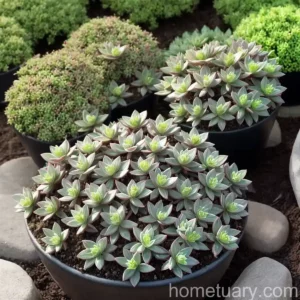
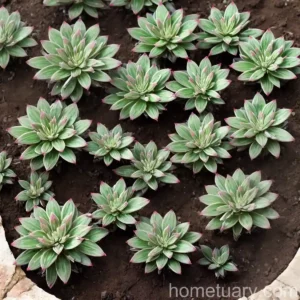
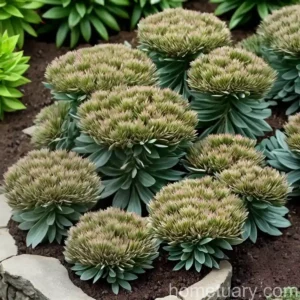
Sedum takesimense ATLANTIS, also known as Takeshima Stonecrop, is a succulent plant that belongs to the Crassulaceae family. Originating from Japan, this species has captured the attention of plant enthusiasts worldwide due to its remarkable characteristics and adaptability. The unique appeal of Sedum takesimense ATLANTIS lies in its lush, variegated foliage, which features a captivating blend of vibrant greens, yellows, and cream tones. This succulent is characterized by its compact growth habit and its ability to form dense mats of foliage, making it an exceptional choice for ground cover, container plantings, and rock gardens.
Key Takeaways – Sedum takesimense ATLANTIS:
- Plant Name: Sedum takesimense ATLANTIS (Takeshima Stonecrop)
- Family: Crassulaceae
- Origin: Japan
- Characteristics: Compact growth habit, vibrant variegated foliage
Culture
Uses
The versatility of Sedum takesimense ATLANTIS makes it a valuable addition to diverse landscaping settings. This succulent can be effectively utilized for the following purposes:
- Ground Cover: Its low-growing and spreading habit makes it an excellent choice for creating lush ground cover in gardens and landscapes.
- Container Plantings: Sedum takesimense ATLANTIS thrives in containers, adding a touch of elegance and color to outdoor spaces, patios, and balconies.
- Rock Gardens: Its adaptability to rocky terrains and its striking foliage make it ideal for rockeries and alpine gardens.
- Erosion Control: The dense mat-forming nature of this plant makes it an effective erosion control solution on slopes and embankments.
Water
Sedum takesimense ATLANTIS exhibits exceptional drought tolerance and is well-suited for arid and semi-arid regions. This characteristic makes it an ideal choice for water-wise landscaping and xeriscaping projects. When established, this succulent generally requires minimal irrigation and is capable of thriving in dry, well-draining soil conditions.
Sunlight
In its natural habitat, Sedum takesimense ATLANTIS thrives in full sun to partial shade conditions. When cultivated in outdoor settings, it is important to provide this succulent with ample sunlight to promote healthy growth and vibrant foliage. However, it also demonstrates adaptability to partial shade, making it suitable for a range of light conditions.
Fertilizer
Sedum takesimense ATLANTIS is a low-maintenance plant that does not demand frequent fertilization. To support its growth and vigor, a balanced and diluted succulent fertilizer can be applied during the growing season. It is essential to avoid over-fertilization, as excessive nutrients can lead to overly lush growth, potentially compromising the plant’s resilience.
Soil
This species thrives in well-draining soil that allows excess moisture to escape readily. It is well-suited for sandy, loamy, or gravelly soil with good drainage. When cultivating Sedum takesimense ATLANTIS in containers, a well-draining succulent potting mix is recommended to prevent waterlogging and promote optimal root health.
Pruning
Pruning requirements for Sedum takesimense ATLANTIS are minimal due to its compact growth habit and low-maintenance nature. However, occasional removal of spent flower stalks and any damaged or overgrown foliage can help maintain the plant’s aesthetic appeal and overall health. Pruning can be undertaken in late winter or early spring before the onset of new growth.
Propagation
Sedum takesimense ATLANTIS can be propagated through various methods, including division, stem cuttings, and leaf cuttings. These techniques offer gardeners and horticulturists the flexibility to expand their plantings and share the beauty of this succulent with others.
- Division: Mature plants can be carefully lifted and divided into smaller sections, each with roots attached, and replanted in suitable locations.
- Stem Cuttings: Healthy stem cuttings can be taken and propagated in well-draining soil to establish new plants.
Container Popularity
Due to its compact growth habit, vibrant foliage, and low-maintenance requirements, Sedum takesimense ATLANTIS has gained popularity as a container plant. This succulent adds a touch of elegance and color to outdoor spaces, patios, and balconies, making it a favored choice for container gardening enthusiasts.
Common Diseases
Sedum takesimense ATLANTIS is relatively resistant to diseases, especially when provided with suitable growing conditions and proper care. However, certain environmental stressors and unfavorable conditions can make it susceptible to a few common issues.
Disease Diagnosis
It is essential for gardeners and landscapers to monitor their Sedum takesimense ATLANTIS plantings for signs of potential diseases. The following symptoms may indicate underlying issues:
- Powdery Mildew: The appearance of powdery white fungal growth on foliage.
- Root Rot: Wilting, yellowing, or browning of foliage, accompanied by a foul odor and soft, water-soaked roots.
Common Pests
Sedum takesimense ATLANTIS is generally resistant to pest infestations, but occasional encounters with certain pests may occur in unfavorable conditions.
- Aphids: Small, sap-sucking insects that can distort new growth and cause foliage to become sticky due to honeydew secretion.
- Spider Mites: These microscopic pests can cause stippling and discoloration of foliage, often leading to a decline in plant health.
Botanist’s Tips
To ensure the successful cultivation of Sedum takesimense ATLANTIS and promote its optimal growth and vitality, consider the following expert tips:
- Provide well-draining soil to prevent waterlogging and root rot.
- Allow the soil to dry out between watering sessions to avoid excess moisture and potential fungal issues.
- Regularly monitor plants for signs of pests and diseases and take proactive measures to address any issues promptly.
Fun Facts
- The variegated foliage of Sedum takesimense ATLANTIS offers an ever-changing display of colors, adding visual interest to garden beds, containers, and rockeries.
- This succulent is celebrated for its resilience in challenging environmental conditions, making it an ideal choice for water-wise landscapes and low-maintenance gardens.
Links to External Resources
For further information on Sedum takesimense ATLANTIS and its cultivation, here are valuable external resources:
- Royal Horticultural Society – Sedum takesimense ATLANTIS Care Guide
- The Spruce – Growing Sedum takesimense ATLANTIS
- Missouri Botanical Garden – Sedum takesimense ATLANTIS Information
In conclusion, Sedum takesimense ATLANTIS, with its captivating foliage, versatility, and minimal maintenance requirements, stands as a compelling choice for gardeners and landscaping enthusiasts seeking to enhance their outdoor spaces with resilient and visually striking succulents. By understanding the cultural requirements, uses, maintenance practices, and propagation techniques associated with this remarkable plant species, individuals can unlock the full potential of Sedum takesimense ATLANTIS in their gardening and landscaping endeavors.
References
- The Royal Horticultural Society. “Sedum takesimense ‘Atlantis’”. Available online: https://www.rhs.org.uk/Plants/313518/Sedum-takesimense-Atlantis/Details
- The Spruce. 2021. “A Guide to Growing Sedum takesimense ATLANTIS”. Available online: https://www.thespruce.com/growing-sedum-takesimense-4685220
- Missouri Botanical Garden. “Sedum takesimense ATLANTIS”. Available online: https://www.missouribotanicalgarden.org/PlantFinder/PlantFinderDetails.aspx?taxonid=289055&isprofile=0&