Sedum Spathulifolium (Broadleaf Stonecrop): A Comprehensive Guide
In the world of succulent plants, Sedum spathulifolium, commonly known as Broadleaf Stonecrop, is a gem that boasts incredible adaptability, making it a popular choice for various landscaping and gardening projects. This comprehensive guide will explore the ins and outs of Sedum spathulifolium – from its culture and uses to its propagation and common diseases. So, let’s dive in and unravel the fascinating world of Sedum spathulifolium!
What is Sedum spathulifolium (Broadleaf Stonecrop)?
Sedum spathulifolium is a delightful succulent plant belonging to the family Crassulaceae. This species is native to the rocky cliffs and outcrops of western North America, stretching from California to Oregon. Its natural habitat in the wild gives us a clue about its preferred growing conditions – rocky, well-draining soils and plenty of sunlight.
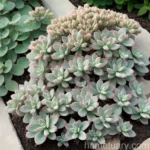
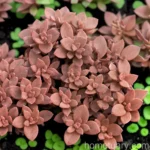
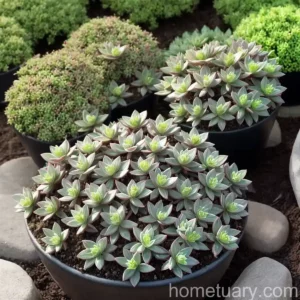
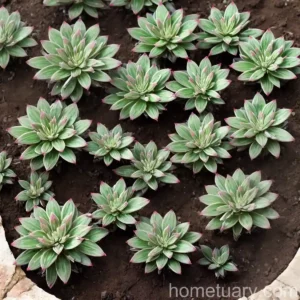
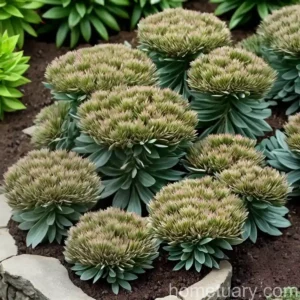
The plant itself is a low-growing, evergreen perennial with rosettes of spoon-shaped, fleshy leaves that can range in color from silvery-gray to vibrant green. During the summer, Sedum spathulifolium sprouts clusters of star-shaped yellow flowers, adding a splash of color to its surroundings. With its compact growth habit and minimal care requirements, this sedum variety is a versatile addition to gardens, containers, rockeries, and even green roofs.
Key Takeaways – Sedum spathulifolium (Broadleaf Stonecrop)
Let’s start off by highlighting some key takeaways that will guide our exploration of Sedum spathulifolium:
- Culture
- Drought-tolerant and able to thrive in various soil types
-
Well-suited for rock gardens, containers, and coastal landscapes
-
Uses
- Ground cover, rock wall adornment, green roof plantings
-
Attracts pollinators and wildlife
-
Water
- Low to moderate water needs
-
Drought-tolerant once established
-
Sunlight
- Thrives in full sun to partial shade
-
Needs ample sunlight for optimal coloration
-
Fertilizer
- Minimal fertilization needs
-
Thrives in nutrient-poor soils
-
Soil
- Well-draining, rocky, sandy, or gravelly soils
-
Avoids waterlogged conditions
-
Pruning
- Minimal pruning requirements
-
May benefit from deadheading spent flowers
-
Propagation
- Easily propagated from offsets, seeds, or leaf cuttings
-
Readily forms new plants from dropped leaves
-
Container Popularity
- Well-suited for container gardening
-
Thrives in shallow containers or troughs
-
Common Diseases
- Resistant to most diseases
-
Vulnerable to root rot in excessively wet conditions
-
Common Pests
- Minimal pest issues
-
Occasionally targeted by aphids and snails
-
Botanist’s Tips
- Ideal for low-maintenance and water-wise landscapes
-
Combines well with other drought-tolerant plants
-
Fun Facts
- Possesses fire-resistant qualities
- Named after its spatula-shaped leaves
Now that we have an overview of the key aspects we’ll be covering, let’s delve into the details of each of these elements and gain a comprehensive understanding of cultivating and appreciating Sedum spathulifolium.
Sedum spathulifolium (Broadleaf Stonecrop) Culture
Sedum spathulifolium is celebrated for its exceptional adaptability, making it an ideal plant for landscapes, rock gardens, and container gardening. Understanding its cultural preferences is crucial for successfully growing and enjoying this stunning succulent.
Uses
One of the most appealing features of Sedum spathulifolium is its versatility in various landscaping applications. Whether you’re aiming to create a vibrant ground cover, add interest to a rock wall, or establish a low-maintenance green roof, this sedum variety fits the bill perfectly. Furthermore, the plant’s ability to attract pollinators and its suitability for wildlife habitats make it an ecologically valuable addition to any garden.
Water
Sedum spathulifolium falls into the category of drought-tolerant plants, demonstrating remarkable resilience in dry conditions. Although regular watering is essential during the establishment phase, once the plant has settled in, it requires minimal to moderate water, particularly in well-draining soils. This makes it an excellent choice for water-wise gardening and regions with limited rainfall.
Sunlight
In terms of sunlight requirements, Sedum spathulifolium thrives in full sun to partial shade. However, to achieve optimal coloration and compact growth, it is best to provide the plant with ample sunlight. In areas with scorching summers, providing some shelter from the intense midday sun can help prevent leaf scorch while maintaining the plant’s health and vigor.
Fertilizer
Fertilizing Sedum spathulifolium is a straightforward affair, as this plant thrives in nutrient-poor soils. Minimal fertilization is required to support its growth, and excessive feeding can lead to leggy and overly lush growth, potentially compromising the plant’s resilience in harsh conditions.
Soil
The preference for well-draining, rocky, sandy, or gravelly soils aligns with Sedum spathulifolium’s native habitat, where it thrives in the niches and crevices of rocky outcrops. Ensuring that the plant is not subjected to waterlogged conditions is crucial, as it is susceptible to root rot in excessively wet soils.
Pruning
Sedum spathulifolium demands minimal pruning, with the primary task being the removal of spent flower clusters. Deadheading the flowers not only enhances the plant’s appearance but also encourages the development of new blooms, extending the ornamental value of the plant throughout the summer months.
Propagation
One of the remarkable aspects of Sedum spathulifolium is its ease of propagation. Whether through offsets, seeds, or leaf cuttings, the plant readily forms new roots and shoots, allowing gardeners to expand their collection or share this delightful succulent with others. Furthermore, dropped leaves have the potential to form new plants, exemplifying the plant’s adaptive and generative nature.
Container Popularity
For gardeners with limited space or those seeking to introduce captivating elements to their outdoor areas, Sedum spathulifolium is a favored choice for container gardening. Its low-growing habit and tolerance for shallow containers or troughs make it an ideal candidate for adorning patios, balconies, and other container displays.
Common Diseases and Pests
Sedum spathulifolium is generally resistant to most diseases, owing to its adaptability and robust nature. However, it is important to be wary of potential issues such as root rot in waterlogged soils, which can jeopardize the plant’s health. When it comes to pests, while Sedum spathulifolium experiences minimal pest pressure, occasional encounters with aphids and snails may warrant attention.
Botanist’s Tips
Incorporating Sedum spathulifolium into landscapes offers an array of benefits, and a few expert tips can ensure the best possible results:
-
Ideal for Low-Maintenance Landscapes: With its minimal care requirements and drought tolerance, Sedum spathulifolium is a valuable asset in creating low-maintenance landscapes that exude natural charm and beauty.
-
Combines Well with Other Drought-Tolerant Plants: For a harmonious and sustainable landscape, consider pairing Sedum spathulifolium with other drought-tolerant species, creating a cohesive and resilient plant community that thrives in challenging environments.
Fun Facts about Sedum spathulifolium
Uncovering intriguing facts about Sedum spathulifolium adds an extra layer of fascination to this captivating plant:
-
Fire-Resistant Qualities: The succulent leaves of Sedum spathulifolium contribute to its fire-resistant nature, making it an excellent choice for fire-prone areas where its presence can serve as a protective green barrier.
-
Origin of Name: The specific epithet “spathulifolium” is derived from the Latin word “spathula,” meaning a small spatula, in reference to the plant’s spatula-shaped leaves, providing a delightful insight into the origins of the plant’s name.
With a foundational understanding of the culture, uses, and distinctive features of Sedum spathulifolium, it’s evident that this charming succulent holds immense potential for enhancing a wide range of outdoor spaces. Whether it’s used as a ground cover, a container specimen, or a component of drought-tolerant landscapes, Sedum spathulifolium is a reliable and visually appealing botanical choice.
Sedum Spathulifolium: External Resources
To further enrich your knowledge and appreciation of Sedum spathulifolium, the following external resources provide valuable insights, tips, and inspiration:
- Sedum Spathulifolium – An Overview
- Sedum Spathulifolium: Growing Tips
- Sedum Spathulifolium: Designing with Succulents
These resources cover a range of topics, from detailed plant profiles to landscaping ideas, ensuring that you have access to comprehensive information for enjoying and utilizing Sedum spathulifolium to its fullest potential.
In conclusion, the captivating allure of Sedum spathulifolium, coupled with its adaptability and minimal care requirements, establishes it as a valuable addition to gardens, containers, and various outdoor settings. By incorporating this remarkable succulent into your landscape projects, you can create vibrant, low-maintenance spaces that celebrate the natural beauty and resilience of Sedum spathulifolium.
In this comprehensive guide, we have explored the culture, uses, propagation, and fascinating qualities of Sedum spathulifolium, shedding light on the varied applications and benefits of this versatile succulent. By delving into the specific requirements and attributes of this plant, we have attained a holistic understanding of its potential in enhancing outdoor spaces and contributing to sustainable and visually captivating landscapes.